
Water chestnuts and chestnuts aren't even distant cousins. One splashes in water; the other hangs out on trees.
Funny enough, we often mix them up. Maybe it's the 'chestnut' in their names.
Or the fact we hardly know what to do with either.
Here's a scoop: water chestnuts are crunchy; chestnuts are soft. We've tried using them in recipes.
T6Success varied.T7
Ever tossed water chestnuts in a salad? Crunch city.
Tried roasting chestnuts?
T6Hello, holiday vibes.T7
This article? A crash course. We promise clarity, fun facts, and zero boredom.
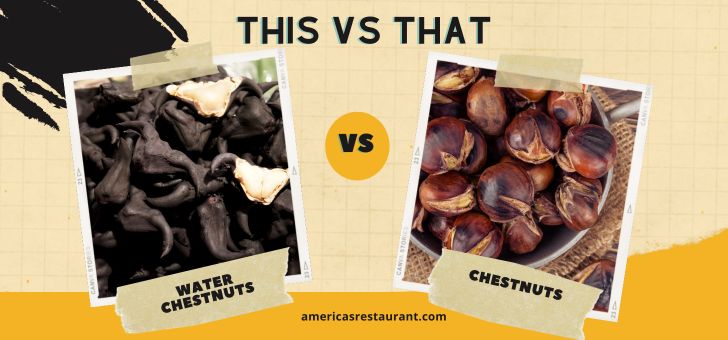
What are Water Chestnuts?

Water chestnuts, also known as Eleocharis dulcis, are a type of aquatic vegetable that grows in marshes, ponds and shallow lakes.
The name suggests a nutty texture or flavor, the water chestnut has a crunchy texture and slightly sweet taste.
This food has been an important ingredient in traditional Chinese medicine and cuisine for centuries due to its health benefits and versatility in cooking.
In terms of nutrition, water chestnuts are rich in fiber, potassium and vitamin B6, while being low in calories and fat.
This makes it an excellent option for those who want to maintain their weight without compromising on essential nutrients.
Water chestnuts are also a great source of antioxidants that help prevent cell damage caused by free radicals.
In comparison to other vegetables like potatoes or carrots, water chestnuts have a low glycemic index which means they do not spike blood sugar levels very quickly after consumption.
Also, they contain no gluten which makes them safe for people with celiac disease or gluten sensitivity.
Therefore, if you're looking for a healthy and versatile option that can add crunchiness to dishes without adding unwanted calories and fat - water chestnuts are an excellent choice.
For tips on preserving produce like water chestnuts, see pressure vs water-bath comparison explained to choose the safest method.
What are Chestnuts?

Chestnuts are a type of nut found in various parts of the world.
They contain high amounts of complex carbohydrates and are low in fat, making them a healthy snacking option.
Their nutty flavor and soft texture make them a popular ingredient in desserts, sweet dishes and savory recipes alike.
Chestnuts also provide essential nutrients like fiber, potassium, and vitamin C.
With their versatile use in culinary arts and beneficial nutritional properties, chestnuts have become an important part of many cuisines around the world.
To pair chestnuts in desserts, consider flavor matches listed in what goes well with lemon in desserts for ideas that balance sweetness and acidity.
Differences Between Water Chestnuts and Chestnuts

Water Chestnuts and Chestnuts are different in their origins, nutritional profile, texture, taste and culinary uses.
While Water Chestnuts grow underwater and have a crunchier texture and a mild flavour, Chestnuts are trees that produce sweet nuts with a soft texture.
Water chestnuts are often used in Asian cuisines to add a crunch to stir-fries and salads, while chestnuts find their way into soups, stuffing, roasted dishes and desserts.
The two must not be confused as substitutes due to the vast differences between them.
In terms of nutrition, one cup of water chestnuts (120 grams) has only 100 calories but provides 33% of the daily value for manganese.
Similarly, a cup (200 grams) of chestnut offers around 220 calories but more than 100% of the daily recommendation for vitamin C.
Both foods are low-fat and rich in fiber which helps regulate digestion.
Worth noting is that water chestnuts might be a source of concern for those with allergies because they belong to the same family as other aquatic plants recognised as allergens.
Besides allergies, consuming nuts like chestnut could result in anaphylactic shock in some people who are sensitive to them.
For a clear side-by-side approach to two similar-sounding items, review tonic water vs ginger ale comparison notes to see how small differences change usage.
Plant and Origin
Water chestnuts and chestnuts both have different origins and belong to distinct plant families.
Water chestnuts are an aquatic vegetable, while chestnuts are a type of tree nut that grows on trees.
Despite their name, water chestnuts are not related to the common chestnut tree or any other tree nut.
Water chestnuts are low in calories and high in fiber, vitamins, and minerals like potassium and iron.
Chestnuts, on the other hand, are rich in carbs but low in fat and protein.
They also contain more vitamins B6 and C than most nuts.
In terms of culinary uses, water chestnuts are often used in Asian cuisine as a crunchy ingredient in salads and stir-fries.
Chestnuts can be roasted or boiled and used in sweet or savory dishes like stuffing or soup.
While both water chestnuts and chestnuts have unique flavors and nutritional benefits, they cannot be used interchangeably in recipes.
Therefore, it is necessary to understand the difference between these two plants before using them for culinary purposes.
Physical Appearance and Texture
The appearance and texture of water chestnuts and chestnuts differ significantly.
Water chestnuts are small, round, and have a knobby texture on the skin.
They are light yellow or brown in color and have a mild flavor with a satisfying crunch upon biting.
On the other hand, chestnuts have a hard shell, which needs to be peeled off to reveal the nutty flesh inside.
They are large and oval-shaped with a glossy dark brown exterior.
The flesh has a starchy, soft yet firm texture, similar to that of a potato.
Taste and Flavor
The flavors of water chestnuts and chestnuts are distinct.
Water chestnuts are crunchy with a mild, slightly sweet flavor while roasted chestnuts emit a nutty, buttery aroma with hints of sweetness.
The texture is also different due to their respective properties.
Chestnuts have a soft and fluffy flesh while water chestnuts remain tightly firm.
Both can be used in various dishes to impart flavor and texture - chestnuts blend well in desserts and purees while water chestnuts improve stir-fries and salads.
To understand how concentrated ingredients alter taste, read extract vs flavor breakdown for cooking and how each impacts final aroma.
Nutritional Profile
Water chestnuts and chestnuts are often compared in terms of their nutritional composition, but they have some differences.
In terms of calorie content, water chestnuts have fewer calories than chestnuts.
However, chestnuts contain more fiber, protein and healthy fats than water chestnuts.
One unique aspect of water chestnuts is that they are high in potassium which helps regulate blood pressure.
In contrast, Chestnuts offer a dense source of vitamins B6 and C along with higher levels of minerals such as manganese, copper and magnesium.
They are also known to help improve cardiovascular health.
Both water chestnuts and chestnuts have their unique benefits.
Choosing either one depends on your dietary requirements and goals.
Ultimately these nutrient-rich foods can aid in overall health improvement when consumed as part of a healthy diet.
For insight into how a savory, nutrient-dense addition can change dishes, see nutritional yeast taste guide for flavor and how it complements textures and nutrients.
Similarities Between Water Chestnuts and Chestnuts

The comparison between Water Chestnuts and Chestnuts reveals that both are tuberous plants, but they have different tastes, textures, and nutritional values.
Water Chestnuts are crunchy and slightly sweet in taste while chestnuts are soft and nutty.
Both types of chestnuts contain vitamins and minerals such as potassium, magnesium, fiber, and antioxidants.
They are also gluten-free, low in fat, cholesterol-free, and help reduce blood pressure.
Also, while water chestnuts thrive in shallow water bodies like ponds and marshes; chestnuts grow on trees in temperate climates across the world.
When comparing two related items, Essentia vs Fiji water comparison guide shows how subtle differences in source and processing affect characteristics.
Culinary Uses and Recipes
Both water chestnuts and chestnuts offer a lot of versatility in the kitchen.
Water chestnuts are commonly used in Asian cuisine, particularly Chinese, as they add a nice texture and crunch to stir-fries, soups and salads.
On the other hand, chestnuts are more commonly used in European cuisine, especially during winter months when roasted chestnuts with butter are enjoyed as a snack.
Chestnuts can also be used in casseroles, stuffings or pureed for soups.
In terms of unique details, fresh water chestnuts have a sweeter taste compared to their canned counterparts.
Also, they need to be peeled before eating which can be quite time-consuming.
In contrast, fresh chestnuts need to be cooked before consuming as they contain tannins which can cause an upset stomach if eaten raw.
Also, while both water chestnut flour and chestnut flour are gluten-free options for baking and cooking, their textures and flavors differ greatly.
Ultimately, both water chestnuts and chestnuts have their own distinctive flavors and textures that lend themselves well to certain dishes and cuisines.
Incorporating them into your cooking can improve your meals in unexpected ways.
For recipe inspiration that highlights texture contrasts similar to water chestnuts, explore vegan sandwich recipes with serious flavor showcasing crunchy and creamy pairings.
Availability and Storage
For optimal consumption and storage of these two nut varieties, it is essential to understand their availability and storage requirements.
Water chestnuts are readily available in Asian markets while canned variants are found in supermarkets worldwide.
Conversely, chestnuts are seasonal produce largely available in the autumn and winter months.
Proper storage is important for both types of nuts.
Store water chestnuts in a cool, dry environment or refrigerator, whereas chestnuts require refrigeration during summer and fall months or freezing if storing long-term.
Chestnuts should not be stored with fruits or vegetables that release ethylene gas as this can cause spoilage.
The shelf life of these two nut varieties varies significantly in terms of range and duration.
Water chestnuts have a shorter shelf life than chestnuts since they degrade rapidly once exposed to air, losing their crisp texture.
In summary, while chestnuts may require more effort to obtain concerning seasonality, proper refrigeration/storage matters in maintaining the quality of these nuts irrespective of type.
Choosing Between Water Chestnuts and Chestnuts
Comparing Water Chestnuts and Chestnuts, we can determine the better option based on nutritional value and culinary versatility.
While both are low in fat and high in fiber, water chestnuts have more potassium and less carbohydrates than Chestnuts.
On the other hand, Chestnuts provide more protein and antioxidants than Water Chestnuts.
While both options offer unique benefits and culinary uses, they should be consumed in moderation due to their relatively high calorie content compared to other fruits and vegetables.
By incorporating both Water Chestnuts and Chestnuts into a well-balanced diet, one can enjoy their distinct flavors while reaping their respective health benefits without overindulging.
Frequently Asked Questions
In terms of nutrition, water chestnuts are rich in fiber, potassium and vitamin B6, while being low in calories and fat. They share some similarities but each has qualities that make it better suited for certain recipes.
Sometimes. Water Chestnuts works where Chestnuts is called for in certain dishes, but not all.
Check whether the recipe relies on a specific quality before substituting.
Cold preparations like salads and dressings often favor the option with a sharper, more defined flavor. Heat can mellow both, so the distinction matters more in uncooked dishes.
Do professional cooks prefer one over the other?
Professional preference depends heavily on the dish and cuisine style.
Each has its context where it outperforms the other, so most experienced cooks keep both on hand.
Tasty Choices addresses floral water swaps. Orange flower water substitute options lists five practical replacements. Yummy Alternatives presents alternatives to water chestnuts. water chestnuts substitutes for recipes covers five useful picks.