In the grand scheme of kitchen battles, the face-off between Chile California and Guajillo peppers is legendary.
Both pack a punch, each with its own flair.
It's almost like choosing between your favorite sitcom characters.
Sure, we could go for the one that promises a mild kick, or venture into the bold, strong flavor territory.
Our kitchens have seen it all - from triumphs to, well, the need to order takeout.
No judgment here.
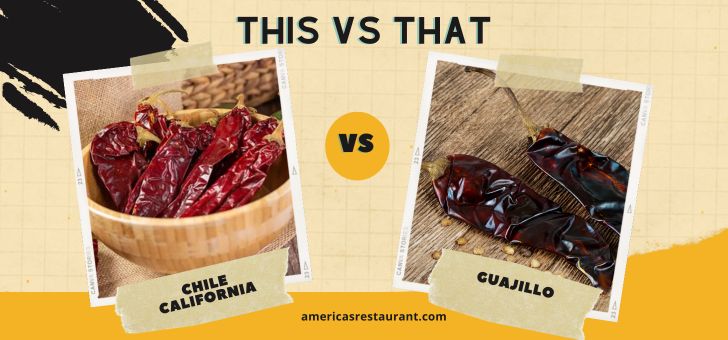
What is Chile California?

Chile California is a phrase that may leave individuals perplexed, as it lacks a clear definition.
However, upon further research and analysis, one can confidently state what it is and what it represents.
Chile California refers to a cultural and linguistic blending that occurred between the indigenous Mapuche communities in Chile and the Spanish missionaries who came to California in the 18th and 19th centuries.
It is a beautiful, complex, and dynamic blending of languages, traditions, and practices that occurred during a time of immense change in the world.
This unique cultural exchange is a sign of the resilience of the human spirit and the ability to adapt and evolve in the face of adversity.
For readers curious how related chiles can stand in for one another in recipes, see ancho chile pepper substitutes guide for practical substitution ideas.
What is Guajillo?
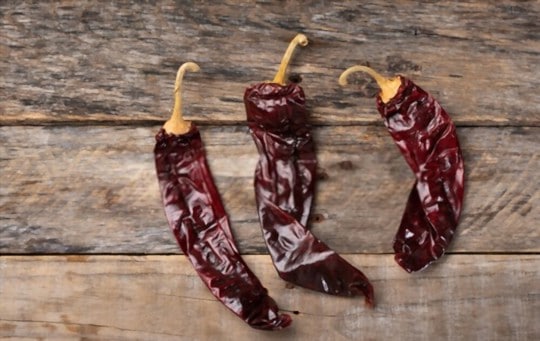
Guajillo is a type of chili pepper that originates from Mexico.
It is typically dried and has a mild to medium spiciness with notes of smokiness and a slightly sweet taste.
The name Guajillo means "little gourd" in Spanish, which describes its shape.
This pepper is commonly used in making traditional Mexican dishes such as mole sauces, salsas, and soups.
Also, Guajillo chilies are sold both whole and powdered in stores and markets worldwide.
To understand how Guajillo's sweet and slightly smoky notes play with other tastes, consider resources on balancing tart and sweet components like lemon dessert pairing ideas for inspiration.
Differences Between Chile California and Guajillo

Chile California and Guajillo are popular chili pepper varieties that differ significantly in various aspects.
While Chile California is a relatively mild chili variety, Guajillo is known for its moderate heat and smoky flavor.
Apart from the difference in heat levels, the two types of chilies vary in terms of appearance, texture, and usage in culinary preparations.
While Chile California offers a light green color and thin flesh, Guajillo has a dark red hue with thicker walls.
Also, Chile California is commonly used in salads and soups, while Guajillo is an excellent choice for making sauces and marinades due to its strong flavor - and chefs often consult cascabel chile substitutes for similar uses when adjusting recipes.
Appearance and Size
The appearance and size of Chile California and Guajillo peppers play a important role in determining their usage.
Chile California peppers are usually elongated, slender, and have a bright yellow color when mature.
Their skin is thin, smooth, slightly wrinkled, and measures around 3 to 5 inches in length.
On the other hand, Guajillo peppers are moderately long, narrow, and have a deep reddish-brown hue with a tough skin texture that measures around 4-6 inches in length.
The difference in their appearance helps identify them easily when selecting for specific recipes.
The size impacts how much heat each pepper provides as the larger ones tend to be less spicy than smaller ones.
Chile California peppers have an average heat rating of 300 SHU (Scoville Heat Units) which is mild on the Scoville scale while Guajillo peppers measure between 2500-5000 SHU and fall under the medium category of spiciness level.
The bigger size of these two options allows for flexibility in cooking applications such as stuffing or grilling.
Chile California peppers offer a milder sweetness that pairs well with fish dishes or salads while Guajillo peppers give off more complex flavors of smokiness with hints of tangy fruit notes perfect for meat marinades or salsas.
Also, Guajillos also provide a bright red hue to food when used fresh or dried but be careful as it can stain fabrics if handled improperly.
For inspiration on small-bite applications that highlight pepper shapes and sizes, see vegan tapas recipes for bold, bite-size flavor that adapt well to different chiles.
Flavor and Heat Level
Chile California and Guajillo are two frequently used Mexican chili peppers that add flavor and piquancy to various dishes.
Chile California has a sweet, smoky taste with a mild heat level ranging from 1,000 to 2,500 SHU (Scoville Heat Units).
On the other hand, Guajillo has a fruity, berry-like flavor mixed with a subtle smoky taste and medium heat ranging from 2,500 to 5,000 SHU.
When it comes to choosing between the two chilis in terms of flavor and heat level, it depends on the dish's requirements - and understanding extract vs flavor comparison explained can help clarify which aspect matters most.
For spicier dishes such as salsas or marinades for meats or vegetables, using guajillo can add a desirable medium spice level without overwhelming the dish's flavors.
In contrast, Chile California can be an excellent choice for dishes where you want mild spiciness to improve the flavors subtly.
Common Culinary Uses
Chile peppers are an essential component of many cuisines worldwide, and chile California and Guajillo lead the pack as sought-after peppers in culinary.
Chile California is perfectly balanced between hot and sweet, which makes it ideal for a wide range of dishes.
Its primary use is in Mexican cuisine, but it's also perfect for salsas, sauces, stews, and marinades.
On the other hand, Guajillo has a smoky flavor with mild heat that's perfect for making enchilada sauce or marinades for grilled meats.
Also, both types of chili can be used as a spice rub to add depth to meats like beef or chicken when blended with other spices.
The smokiness of Guajillo makes it a popular addition to hearty soups and stews.
Chile California is an excellent choice when making chipotle dipping sauce- its mild heat improves the sauce.
When comparing these two chilies side by side, Guajillo pepper is slightly hotter than Chile California but not as versatile as the latter due to its distinct smokiness.
Chile California offers more versatility in terms of use since it is neither too hot nor too mild compared to Guajillo.
Ultimately choosing either chili will depend on personal preference or the recipe you're preparing.
Both options will deliver tempting results when used correctly - just make sure that you don't overuse them in your dish.
Availability and Accessibility
Chile California and Guajillo are two popular options for adding flavour to dishes.
Both possess distinct qualities that make them a favourite among chefs.
Chile California is widely available in most grocery stores across the United States and is also exported internationally.
On the other hand, Guajillo can be harder to find and may require a specialised store or online ordering.
The availability of both options can vary depending on region and seasonality.
In terms of accessibility, Chile California is a more commonly used spice due to its wider distribution network.
However, those willing to search for Guajillo can find it through specialty suppliers or online shops.
While this may be more effort than purchasing Chile California at a local store, some argue that the unique flavour profile of Guajillo makes it worth the extra effort.
It's also important to consider storage options when deciding which option to choose.
Both varieties can be stored in an airtight container in a cool, dry place for up to six months but may lose some flavour over time.
Overall, while both Chile California and Guajillo have their merits, it ultimately comes down to personal preference and accessibility in your area.
Similarities Between Chile California and Guajillo

Chile California and Guajillo have similar characteristics that make them versatile and widely used in Mexican cuisine.
Both chiles are mild to medium-hot, have a sweet and fruity flavor, and can be used dried or fresh - see Chile Caribe substitute ideas for similar flavor profiles when a direct match isn't available.
They also share the same range of colors, from green to red, making them suitable for a diverse range of dishes.
Apart from their similarities, there are unique characteristics specific to each chili.
Chile California is longer and slimmer than Guajillo; it has a thinner skin, which makes it ideal for dry roasting or frying.
On the other hand, Guajillo has a thicker skin that improves sauces and stews when toasted or soaked before blending.
In summary, while Chile California and Guajillo have several similarities that make them interchangeable in many recipes, they each have distinct qualities that offer diversity in Mexican cuisine.
While choosing one over the other might depend on personal preference or cooking methods, both chiles add depth and flavor to traditional Mexican dishes.
Cooking Tips and Pairings for Chile California and Guajillo
The options are endless.
Two common varieties include Chile California and Guajillo.
Each has unique characteristics that make them excellent choices for different dishes and pairings.
When using Chile California, consider its mild to medium heat level as well as its versatility in use across many culinary applications.
In contrast, Guajillo is known for its fruity undertones and medium to hot spiciness making it an ideal ingredient for meat dishes or adding a smoky flavor to sauces.
Regarding the pairings, whether you choose Chile California or Guajillo will depend on the flavors of your other ingredients used in the dish - for example, deciding between white cooking wine vs white wine vinegar comparison for pairing can shift the final flavor profile.
In Mexican cuisine, both chiles match perfectly with citrus, garlic, cumin, oregano, tomatoes and onions.
For example, if you're going for a bright citrusy dish like fish ceviche or shrimp cocktail cabaret then go for Chile California due to its mild flavor; whereas if it's fatty meats such as pork or beef you're working with a fiery addition of Guajillo will perfectly balance the rich flavors like chile Colorado.
It is critical though to handle both chiles carefully when preparing them because they can cause irritation if you get them on your skin or in your eyes causing itching and burning sensations due to their chemical composition affecting human capsaicin receptors in our body.
However with these two peppers up your sleeve during meal prep time you are guaranteed flavorful meals that pack a real punch.
Cooking with Chile California vs Guajillo
Comparing the flavor and spice level, Chile California is ideal for those who prefer a mild taste, whereas those who fancy something spicy can opt for Guajillo.
However, the decision depends on personal preference and dish requirements.
Apart from flavor, the color of the chilies also affects food presentation.
While Chile California has a bright red color, Guajillo comes in shades of dark red to brown.
In terms of availability and affordability, both are easy to find in stores and online markets.
Ultimately, it boils down to individual taste preferences while choosing Chile California or Guajillo for your meals.
Flavorful choices for swaps are available for those working with Guajillo or similar chiles. flavorful Guajillo chili powder substitutes covers best alternatives, and ancho chile pepper substitutes guide offers more options when a recipe calls for a milder, sweeter pepper.
Frequently Asked Questions
While Chile California is a relatively mild chili variety, Guajillo is known for its moderate heat and smoky flavor. They share some similarities but each has qualities that make it better suited for certain recipes.
It depends on the dish. Chile California and Guajillo share some overlap, but each shines in different preparations.
Swapping works best in forgiving recipes like soups or stews.
Pricing varies by brand and region, but one is typically more accessible at everyday price points. The other may cost more due to specialization or limited supply.
Is there a best time to use each one?
One shines in applications requiring subtlety and background support.
The other is better when it is meant to be a center.
Matching the right one to its role makes a noticeable difference.