
In the grand scheme of carbs, potatoes reign supreme. Yukon Golds and Gold Potatoes are in a starch-filled showdown.
We're here to settle the debate, armed with facts and a little flair.
Yukons bring a buttery texture to the table. Golds?
They're all about that mild, sweet vibe. Our kitchens have seen their fair share of both.
Want fries? Golds crispen up nice.
Mashed potatoes? Hello, Yukons.
Each has its place. Trust, we've had our share of "potato mishaps".
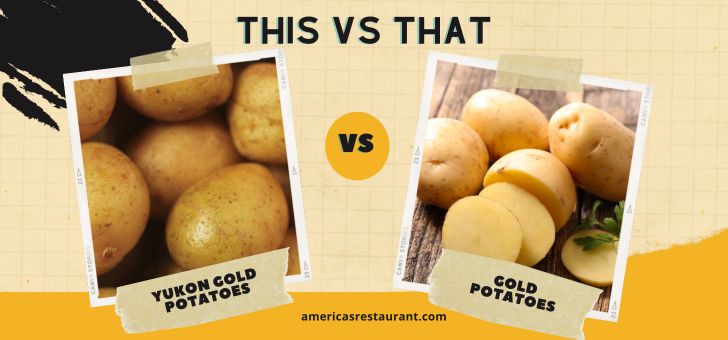
What are Yukon Gold Potatoes?

Yukon Gold potatoes are a type of potato that is native to Canada and was first introduced in the 1960s.
They are a cultivar of the Solanum Tuberosum, or white potato, and are known for their golden yellow flesh and thin, smooth skin.
These potatoes are favored by many chefs because of their creamy texture and buttery flavor, lending themselves well to dishes like mashed potatoes, au gratin, or roasted potatoes.
Also, Yukon Gold potatoes are particularly good at holding their shape when cooked and do not become mealy like some other types of potatoes can when boiled or fried.
This makes them an excellent choice for dishes that require the potatoes to hold their shape while cooking.
In addition to this, Yukon Gold potatoes have higher levels of vitamin C than other varieties of white potatoes.
They also contain vitamin B6, potassium, and fiber.
These nutrients play important roles in supporting optimal health such as healthy blood pressure levels.
Overall, if you're looking for an all-purpose potato that will provide a rich flavor for any recipe while still being nutritious, Yukon Gold is an excellent choice.
So next time you're shopping for spuds at your grocery store or local market, consider picking up some Yukon Golds to improve your recipes with their unique taste and texture.
For a different look at golden produce, gold kiwi vs green kiwi comparison outlines how two similar-looking varieties can differ in texture and flavor.
What are Gold Potatoes?

Gold potatoes are a type of potato that, like other varieties, is native to South America.
They have a smooth texture and an irresistible buttery flavor.
These potatoes are also known for their distinctive yellowish flesh, which is due to the presence of carotenoids, natural pigments that offer numerous health benefits.
When cooked, gold potatoes are incredibly versatile and can be used in various dishes, including roasted or mashed versions.
They hold their shape well when boiled or baked and offer excellent nutritional value compared to other types of potatoes.
Also, they are also low in calories and high in dietary fiber.
For more on how gold varieties compare to others, gold vs red potatoes comparison highlights differences in texture and best cooking uses.
Differences Between Yukon Gold and Gold Potatoes

These two potato varieties are quite similar in appearance, yet they possess unique features that set them apart.
Both potatoes come under the category of waxy potatoes, but the Yukon gold has a buttery texture, whereas gold potatoes tend to be slightly firmer.
In terms of flavor, Yukon gold and gold potatoes vary as well.
The Yukon gold offers a rich and earthy taste with notes of sweetness, while the gold potato gives off a mild and nutty taste.
Also, when it comes to cooking techniques, the texture of Yukon gold makes it an ideal choice for recipes such as mashed potatoes or au gratin dishes.
On the other hand, golden potatoes hold their shape better during boiling or roasting.
If you plan on making a potato salad or curry dishes where chopped potato pieces are required, gold potatoes might be your best bet.
While if you want to create some smooth and creamy potato-based dishes, then Yukon Gold might be your go-to ingredient.
In summary, both types have features worth considering depending on their intended use in your recipe.
By understanding these subtle differences between Yukon Gold and Gold potatoes while creating your meal plan will improve the flavors of your dishes significantly.
When comparing similar-looking items, King Arthur vs Gold Medal flour comparison shows how small differences affect baking performance and recipe outcomes.
Appearance and Skin Texture
The physical appearance and skin texture of these two potato types differ slightly.
The Yukon Gold has golden brown skin with shallow eyes, while the gold potato is identifiable by its smooth, thin and light-colored skin.
The Yukon Gold's skin is thicker than that of the gold potato, hence it is easier to peel.
Both potatoes have a creamy yellow flesh, but the Yukon Gold has a more strong flavor and denser texture.
Meanwhile, the gold potato is known for being less starchy and softer than other potato varieties.
In terms of preparing mashed potatoes or baked potatoes, the Yukon Gold variety excels due to its unique buttery taste and firm structure.
On the other hand, gold potatoes are ideal for soups or stews because they easily break down during cooking, providing thickness to the dish without using additional thickeners or starch.
While there are subtle differences in appearance and texture between these two potato types, choosing one over the other ultimately depends on personal preference and intended use in different recipes.
Flavor and Taste
The sensory experience of consuming potatoes can differ dramatically between different varieties.
There are subtle differences in flavor and taste.
While Yukon Gold potatoes tend to have a buttery flavor with a slight sweetness, gold potatoes offer a mild, nutty flavor.
In terms of texture, both varieties possess a creamy mouthfeel when cooked.
Ultimately, the choice between the two will depend on personal preference and how they are being used in a particular dish.
To understand subtle sensory differences, extract vs flavor breakdown explains how concentration and form change perceived taste.
Texture and Cooking Properties
Potatoes differ in their properties, making them suitable for different purposes.
Understanding the texture and cooking properties of potatoes is key to cooking delicious meals.
Each type of potato has its unique texture, which affects how it cooks and tastes.
Yukon Gold potatoes are starchy potatoes that have a creamy texture, whereas Gold potatoes have a buttery texture and are waxy.
Due to their high starch content, Yukon Gold potatoes are best boiled, mashed or baked, while Gold potatoes hold shape better when boiled or roasted.
Therefore, for a creamy dish like mashed potatoes or potato salad where the texture is important, Yukon Gold is ideal over Gold Potatoes.
For a comparison of two similar pantry items that behave differently in cooking, white cooking wine vs white wine vinegar comparison outlines which one suits different techniques.
Versatility in Recipes
Potatoes are an essential ingredient in many dishes due to their versatility in incorporating them into recipes.
They offer a wide range of options for cooking techniques, including boiling, baking, frying, and mashing.
This diversity allows one to create several unique dishes with a single type of potato.
Both have their advantages based on the recipe's requirements.
Yukon Gold potatoes have a buttery and dense texture that retains its shape after being cooked, making them an ideal option for roasting or frying.
On the other hand, gold potatoes have a creamier texture that breaks down quickly when cooked; hence, they are excellent when used in mashed potatoes or soups.
The versatility aspect comes into play when you consider how both these types of potatoes work equally well as standalone dishes or as ingredients in more elaborate recipes.
For example, mashed Yukon Golds serve as an excellent base for shepherd's pie while roasted golds can add crunch and flavor to salads.
In addition to the cooking methods mentioned above, both Yukon Gold and gold potatoes are also useful when made into chips or fries.
Also, pairing both types with spices like garlic powder or paprika allows for additional variety in terms of flavor.
With all said and done, choosing between these two types of potatoes ultimately boils down to personal preference and what you intend to use them for.
While one may be better suited for baking purposes, the other flourishes under boiling conditions.
Nutritional Comparison of Yukon Gold and Gold Potatoes
When it comes to comparing the nutritional content of the Yukon Gold and Gold potatoes, one must consider a variety of factors.
Yukon golds are known for their creaminess and mildly sweet flavour, while gold potatoes have more earthy essence.
Both are great sources of vitamins and minerals like vitamin C, potassium, and dietary fibre.
Yet there are some differences to consider.
For instance, one medium-sized Yukon gold potato has around 110 calories with slightly lower carbohydrates, protein, fat content than a medium-sized gold potato.
However, gold potatoes contain more sodium than Yukon golds.
Also, both types of potatoes' nutrient composition varies based on several factors; however, the bottom line is they both offer different nutritional benefits that make them each worth trying.
For another side-by-side nutrient look, Russet vs Idaho potatoes comparison breaks down calorie and macronutrient differences between common potato types.
Similarities Between Yukon Gold and Gold Potatoes

Yukon Gold and Gold Potatoes have notable similarities in terms of physical appearance, texture, and nutritional content.
These two potato varieties are often used interchangeably in cooking due to their similar taste and texture.
Both are creamy and buttery with a yellow flesh color, making them ideal for roasting, boiling, or mashing.
They also share a nutrient profile containing potassium, vitamin C, dietary fiber, and other essential nutrients.
Despite the differences in the name, these potatoes are more alike than different.
There is not much else to cover that has not been mentioned already.
The only noticeable difference is their names which refer to the place of origin where they were first grown on earth.
Both potatoes can be used in any recipe that calls for white or yellow potatoes because they have a relatively similar flavor.
While Yukon Golds and Gold Potatoes share many common attributes, one must choose based on personal preference when deciding between the two types.
Admittedly, individual needs may vary depending on what recipe they intend to use them in or which season it is as some recipes work better with one type over the other for instance making roasted potatoes or homemade potato chips; However, it's hard to go wrong with either option.
To see how similar foods are used interchangeably, grits vs mashed potatoes comparison highlights cases where texture and tradition determine choice.
Best Uses and Recommended Cooking Methods for Each
The best uses and cooking methods differ according to their unique characteristics.
Yukon Gold potatoes have a rich buttery flavor that makes them perfect for mashed potatoes or roasting in the oven.
They also retain their shape when cooked, making them excellent for potato salad or gratin dishes.
On the other hand, Gold potatoes are ideal for grilling due to their firm texture and waxy skin.
They're also great for boiling as they hold their shape well and have a mild, sweet flavor.
For mashed potatoes, Yukon Golds are preferred as they improve the creaminess of the dish.
For a crispy roasted side dish, use this type of potato with its flesh that cooks up golden brown when baked.
For a delicious salad with soft boiled eggs and bacon bits, opt for Yukon Gold sans peeling before simmering.
To prepare grilled potato wedges, use convenient-to-cook gold potatoes cut into thick portions with olive oil drizzled on them; Season with salt pepper, paprika.
Finally, either variety goes well with microwave cooking techniques -- by poking deep holes all over before nuking them at high power until cooked through 20-30 min as from Recipe Archive's site or an estimation based on your device.
In summary, catering to different tastes bud emerged three methods: mashing-roasting-boiling when using Yukon; grilling-boiling-microwaving if you're inclining towards Golden Potatoes instead.
All in all both go well in salads.
For guidance on which application suits different tools, oil mister vs cooking spray comparison explains when each produces better results in roasting and pan-frying.
Availability and Cost Comparison
When comparing Yukon Gold and Gold potatoes, availability and cost are important factors to consider.
Both varieties are widely available at grocery stores and farmers' markets, but prices may vary depending on location and season.
Yukon Golds tend to be slightly more expensive due to their popularity among chefs and home cooks.
However, this price difference is usually negligible for most consumers.
In terms of availability, both potato varieties are grown throughout the United States, making them accessible year-round in most regions.
When considering these factors, it ultimately comes down to personal preference between the two varieties.
Yukon Gold vs Gold Potatoes: Key Differences
Comparing Yukon Gold and Gold Potatoes is a great way to determine which is a better option.
Both varieties have their unique advantages and differences that appeal to different group of people.
While Yukon Gold has a softer texture, the Gold Potato has more antioxidants and a denser composition, making it easier to store for longer periods.
However, what's ultimately best can depend on individual preferences.
When choosing between these two types of potatoes, keep in mind the recipe you want to make.
Each variety contributes unique properties or textures that can improve different dishes' flavors.
Potato Puree vs Mashed Potatoes: texture comparison and uses explores how fineness changes mouthfeel. 5 BEST Yukon Gold Potato Substitutes: swap suggestions for cooking lists practical alternatives for many recipes.
Frequently Asked Questions
This makes them an excellent choice for dishes that require the potatoes to hold their shape while cooking. They share some similarities but each has qualities that make it better suited for certain recipes.
Yukon Gold tends to produce more consistent results with basic kitchen equipment. Gold Potatoes may need specialized tools but can deliver standout results when done right.
Nutritional differences exist but are often minor in typical serving sizes. Neither is universally healthier - it depends on what specific nutrients or dietary goals you are focused on.
Once opened, one keeps better in the refrigerator with proper sealing. The other may oxidize or separate more quickly, so using it promptly or in smaller quantities works better.