
Ever mixed up cream of tartar and baking powder?
Both important in baking. One stabilizes egg whites, the other makes cakes rise.
Cream of tartar, a byproduct of wine making, keeps meringues perfect. Baking powder?
That's our rising star, literally.
Our kitchen mishaps taught us this. Not every white powder is interchangeable.
Grab your spoons. We're making sense of this mix-up.
What is Cream of Tartar?
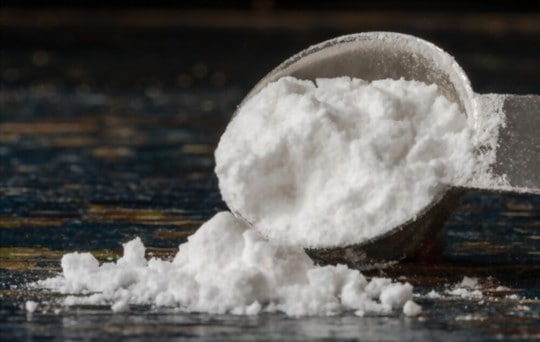
Cream of Tartar, also known as potassium bitartrate, is a white crystalline powder that is a byproduct of winemaking.
It is an acidic substance that is commonly used in baking and cooking.
Cream of Tartar helps cream vs milk comparison guide and meringues maintain their structure and keeps sugar from crystallizing.
It can also be used as a natural cleaning agent due to its acidic properties.
In addition to its culinary uses, cream of tartar has several medical benefits.
It can help alleviate indigestion, urinary tract infections, and even reduce high blood pressure.
However, it should be consumed in moderation as excessive consumption may lead to side effects such as nausea and diarrhea.
Overall, cream of tartar has diverse applications in the kitchen and beyond.
Its unique properties make it a flexible ingredient that should not be underestimated.
Whether you're whipping up some soft peaks or giving your bathroom tiles a scrub, this powdery substance will always come in handy.
What is Baking Powder?
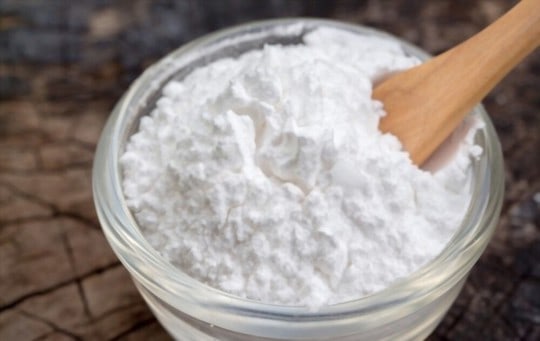
Baking powder is a leavening agent commonly used in baking to help dough and batter rise.
It is a mixture of baking soda, cream of tartar (or a similar acid), and sometimes cornstarch.
When baking powder is mixed with wet ingredients, such as milk or water, an acid-base reaction occurs, producing carbon dioxide gas bubbles.
These bubbles cause the dough or batter to expand and rise.
The amount of baking powder used in a recipe should be carefully measured since too much can result in an unpleasant taste and texture.
Baking powder also has a shelf life, and its effectiveness decreases over time.
It is recommended to replace open containers every six months.
Overall, baking powder is an essential ingredient for achieving light and fluffy baked goods without the need for yeast or other leavening agents.
Always check recipes carefully to ensure the correct amount of baking powder is used for optimal results.
For cupcake prep and presentation, consider how baking cups vs cupcake liners comparison affects baking results.
Composition and Ingredients of Cream of Tartar and Baking Powder
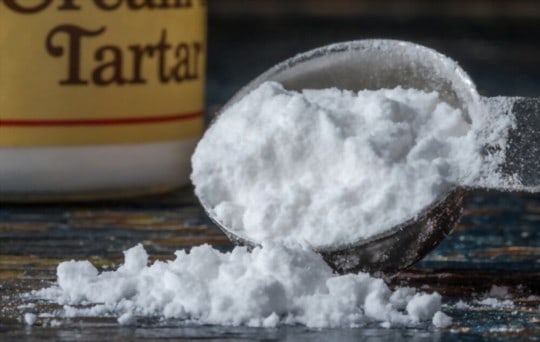
Cream of Tartar and Baking Powder differ in their composition and ingredients.
Cream of Tartar is a powder made from potassium hydrogen tartrate, a byproduct of wine making.
On the other hand, Baking Powder is a combination of sodium bicarbonate (baking soda) and cream of tartar or other acidic ingredient like monocalcium phosphate.
The two compounds are used to create a chemical reaction resulting in the production of carbon dioxide which helps dough rise while baking.
If choosing toppings matters, read the whipped topping vs whipped cream comparison to understand texture and stability trade-offs.
Role of Cream of Tartar and Baking Powder in Baking
Cream of Tartar and Baking Powder are two essential baking ingredients that serve a significant role in improving the texture and appearance of baked goods.
Cream of Tartar is a dry, powdery byproduct produced from grapes during winemaking and is usually used as a stabilizing agent for whipped egg whites or to prevent sugar crystals from forming in syrups and icings: buttercream vs cream cheese frosting comparison.
On the other hand, Baking Powder is a mix of an acidic component (cream of tartar or sodium aluminum sulfate) and an alkaline component (baking soda) - when it comes into contact with liquid - reacts and forms carbon dioxide gas bubbles, which help products rise evenly.
Another significant distinction between the two is that Cream of Tartar needs to be combined with an acid like lemon juice or vinegar to create a chemical reaction, while Baking Powder already contains acidic components, so you don't have to adjust accordingly.
Also, using these ingredients interchangeably could result in sub-par baked items as they both have different functions.
Using Cream of Tartar in place of Baking powder may not provide adequate rising action required in your recipe; similarly, exchanging Baking Powder with Cream of Tartar will not supply the necessary acidic tang needed to balance out sweetness.
In summary, both ingredients cannot serve as substitutes for each other.
When baking, it's important to comprehend the roles they play so you can use them appropriately based on your pastry objectives.
Differences Between Cream of Tartar and Baking Powder
Cream of Tartar and Baking Powder are two primary ingredients used in baking that have different uses and unique properties.
Cream of Tartar is an acidic derivative obtained during wine production, while Baking Powder is a mixture of baking soda and an acid.
Cream of Tartar is ideal for stabilizing egg whites, acting as a mild leavening agent, preventing sugar from crystallizing, and improving the taste of baked goods.
It can also be used as an alternative to cornstarch for thickening recipes.
On the other hand, Baking Powder has quick-acting agents and is primarily used for leavening purposes.
Using too much cream of tartar may result in a sour taste in baked goods, whereas too much Baking Powder can cause it to collapse or become bitter.
Understanding the differences between the two will help you determine which product will work best based on your recipe's needs.
For a comparison of similar hot cereals and how they behave in recipes, see farina vs cream of wheat comparison.
Source and Production
Cream of Tartar and Baking Powder are two common ingredients used in baking, but they differ in terms of their source and production.
Cream of Tartar is a by-product of wine-making, specifically from the sediment left after grape juice fermentation.
It is then purified into a fine powder that is an acid ingredient in baking recipes.
On the other hand, Baking Powder is a mixture of Cream of Tartar and Baking Soda, along with other components like cornstarch.
These ingredients are combined to create a leavening agent that helps baked goods rise.
Cream of Tartar is extracted by evaporating the sediment left after wine fermentation.
This residue is then collected and purified into a fine powder through a process called crystallization.
Meanwhile, Baking Powder's production involves combining the ingredients in precise proportions and altering the pH level through chemical reactions.
Not all baking recipes require both ingredients.
Some only require Cream of Tartar or Baking Powder, while others don't use either at all.
Understanding the differences between these two ingredients can help bakers adjust their recipes accordingly, resulting in better overall outcomes.
In summary, Cream of Tartar and Baking Powder differ in terms of their source and production methods.
While Cream of Tartar comes from winemaking residue and goes through crystallization for purification, Baking Powder is made by combining multiple ingredients in precise proportions while adjusting pH levels through chemical reactions.
Both play specific roles in baking but aren't always interchangeable.
Function in Baking
The contribution of Cream of Tartar and Baking Powder in baking is essential.
Without them, the outcome won't be a perfect product.
While both are leavening agents, they perform different roles in baking.
Cream of Tartar is an acid in recipes and is primarily used to stabilize egg whites or cream.
It also helps prevent sugar from crystallizing, which keeps baked goods smooth and evenly textured.
On the other hand, Baking Powder contains both an acid and a base (usually cream of tartar and baking soda vs yeast comparison) and releases carbon dioxide when activated with moisture.
This results in a rise during baking for items like cakes, cookies, muffins, etc.
Too much cream of tartar can result in a sour taste and cause off-notes to appear in your baked goods while excess use of baking powder will lead to a bitter/soapy taste in addition to an undesirable metallic flavor.
Chemical Composition
Cream of tartar and baking powder have different chemical compositions that make them unique from each other.
Cream of tartar is potassium bitartrate, an acidic salt that forms naturally as a byproduct of winemaking.
On the other hand, baking powder is a mixture of baking soda (sodium bicarbonate), cream of tartar (or any other acidic ingredient), and sometimes cornstarch.
The combination of these ingredients allows baking powder to act as both a leavening agent and stabilizer in baked goods.
Understanding the chemical composition of these ingredients can help in achieving the desired results while baking.
Taste and Flavor
The flavor and taste of baked goods are influenced by the ingredients used in the recipe.
Cream of tartar is acidic and tangy, which gives a slight tartness to baked goods.
In contrast, baking powder is a neutral ingredient that does not have any extract vs flavor comparison.
The use of cream of tartar in combination with other ingredients can impart a unique flavor.
On the other hand, baking powder provides a consistent rise to baked goods without affecting their taste.
Also, using too much cream of tartar can result in an overpowering flavor that may be unpleasant.
One must be careful while adding it to recipes and follow the recipe instructions carefully.
Conversely, using too much baking powder can result in a metallic aftertaste, making the baked goods unappetizing.
Adjusting the quantity according to the recipe's requirements is important for achieving optimal results.
In summary, both cream of tartar and baking powder play essential roles in baking by providing aeration and leavening agents, respectively.
However, their impact on taste and flavor is notably different.
Depending on the recipe's requirements and personal preferences, one may choose between these two ingredients or use them together for a desired outcome.
Similarities Between Cream of Tartar and Baking Powder
Cream of Tartar and Baking Powder share certain similarities.
Both are commonly used in baking and have similar chemical properties.
They both have acidic properties that help baked goods rise.
Also, Cream of Tartar can be used to stabilize whipped cream or egg whites just like Baking Powder can.
However, there are some differences between the two.
Cream of Tartar is a byproduct of winemaking and is otherwise known as tartaric acid.
On the other hand, Baking Powder is a mixture of Cream of Tartar and baking soda mixed with a starch.
It is also important to note that Baking Powder is double-acting, meaning it has two stages of reaction which produce gas bubbles and increase volume in baked goods.
Understanding the similarities and differences between Cream of Tartar and Baking Powder can improve your baking results.
By being familiar with their distinct characteristics, you can make better decisions when replacing one for the other in recipes.
When considering texture and stability in dairy-based components, the whipped cream cheese vs regular cream cheese comparison highlights key differences relevant to many recipes.
Substituting Cream of Tartar and Baking Powder
Cream of Tartar and Baking Powder are both used in baking, but what exactly is their difference? If you need to substitute one for the other, it's important to know their properties.
Cream of Tartar is an acidic and powdery ingredient extracted from tartaric acid crystals.
On the other hand, baking powder primarily involves cream of tartar as a key component, combined with baking soda and cornstarch.
It comes in either single-acting or double-acting versions, which differ in how they react upon contact with liquid.
When substituting one for the other, be sure to adjust the recipe accordingly since baking powder already has cream of tartar content.
For recipes requiring stiff peaks for meringues and frostings, using vinegar or lemon juice instead of cream of tartar helps achieve this.
Alternatively, substitute 1:1 by mixing two parts cream of tartar with one part baking soda as a homemade version of baking powder.
While they may have similar acidic properties, each ingredient has unique characteristics affecting its functionality in various recipes.
Know-how and proper measurement are essential when dealing with them interchangeably.
When to Use Cream of Tartar or Baking Powder
Cream of tartar and baking powder are two essential ingredients used in baking, but they are not interchangeable.
While cream of tartar is primarily an acidic byproduct of wine-making, baking powder is a combination of cream of tartar, bicarbonate soda, and sometimes cornstarch.
Both work well for stabilizing egg whites and act as leavening agents in recipes, but their uses differ slightly.
Therefore, it is important to have both items stocked in your pantry if you want your baked products to come out perfectly every time - use cream of tartar when stability is necessary; use the baking powder when lift is needed.
Creme-based toppings have different textures and uses. Creme Fraiche vs Whipped Cream: texture and use comparison compares those traits. Cottage Cheese vs Sour Cream: texture and flavor comparison explores how similar dairy items differ.
Frequently Asked Questions
Composition and Ingredients of Cream of Tartar and Baking Powder Cream of Tartar and Baking Powder differ in their composition and ingredients. They share some similarities but each has qualities that make it better suited for certain recipes.
Cream of Tartar tends to produce more consistent results with basic kitchen equipment. Baking Powder may need specialized tools but can deliver standout results when done right.
Nutritional differences exist but are often minor in typical serving sizes. Neither is universally healthier - it depends on what specific nutrients or dietary goals you are focused on.
Once opened, one keeps better in the refrigerator with proper sealing. The other may oxidize or separate more quickly, so using it promptly or in smaller quantities works better.