
In the spirited debate of cocktail vs. mixed drink, things can get fizzy. T4We're here to stir things up.
Confusion often bubbles up over what sets them apart.
" It's a common huddle at bars.
Some of us swear by strict cocktail rules. Others splash in whatever's handy.
Here's the scoop: a cocktail usually dances with at least three ingredients, showing off a balanced blend of flavors. A mixed drink?
Well, it's a bit more relaxed, often just mixing two buddies together like soda and spirit.
We've dug into history, anecdotes, and our own not-so-secret experiments to give you the lowdown.
What is a Cocktail?
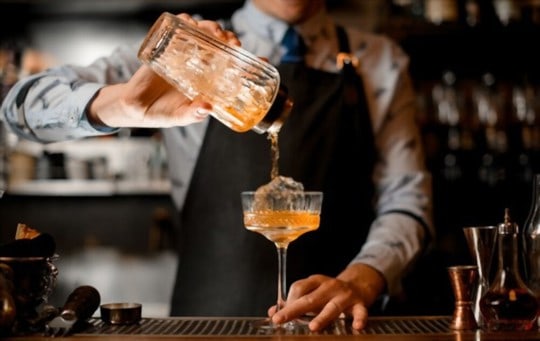
Cocktails are mixed drinks that are made using a combination of spirits, juices, and other mixers to create a balanced flavor.
These drinks often have distinct names and are made to order by skilled bartenders who follow specific recipes.
The use of fresh ingredients and the careful attention given to preparation distinguishes cocktails from other mixed drinks.
In addition to basic techniques like shaking and stirring, many different variations exist for classic cocktail recipes.
Some variations add additional flavors or swap out ingredients while others bring new techniques into play like barrel-aging or smoking.
These variations allow for further customization of classic cocktails and give bartenders the opportunity to show their creativity.
Lastly, understanding the difference between cocktails and mixed drinks is important for those looking to order or make specific drinks.
While all cocktails are mixed drinks, not all mixed drinks can be considered a cocktail.
For example, a vodka cranberry may technically be classified as a mixed drink but it lacks the complexity of taste and preparation that characterizes a true cocktail.
Citrus elements often balance sweetness in drinks; for inspiration on complementary flavors, see lemon pairing ideas for desserts that translate to cocktail garnishes.
What is a Mixed Drink?
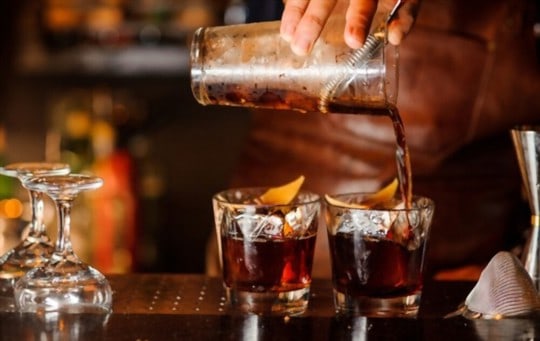
Mixed drinks are a popular beverage that consists of a blend of different ingredients, including liquor and fruit juices.
They may be served both with or without ice and can contain alcohol in various quantities.
Many types of mixed drinks exist, with each having a unique taste.
Unlike cocktails, which have specific recipes, mixed drinks don't necessarily follow a particular formula.
The appeal of mixed drinks lies in their versatility; bartenders can customize them to fit the customer's preferences.
For a look at how similar-sounding ingredients can affect flavor, see mixed spice vs allspice comparison for guidance on subtle taste differences.
Differences Between Cocktails and Mixed Drinks

Cocktails and mixed drinks both contain alcohol, but they have distinct attributes.
Mixed drinks are basic combinations of alcoholic liquor with soda, juice, or tonic water.
Cocktails are more artistic and also typically include other components like bitters, syrups, herbs, or muddled fruits to bring out varied flavors that blend in a subtle method.
In short, cocktails are more elaborate beverages created by skilled bartenders with a variety of flavors and techniques.
Service style can change how a drink is presented; compare rail vs well drinks comparison to see how ingredient placement and cost affect pours.
Definition and Classification
Cocktails and mixed drinks differ in their preparation methods and ingredients.
Cocktail is a specific type of mixed drink that follows a standardized recipe, typically containing spirits, bitters, sweeteners, and other garnishes.
On the other hand, mixed drinks are more flexible with ingredients and preparation techniques; they can be made with any combination of alcohol or non-alcohol beverages.
Classification of cocktails includes:
- traditional cocktails like Old Fashioned and Manhattan.
- modern classics such as Cosmopolitan and Mojito.
- signature cocktails created by bartenders.
- seasonal offerings like eggnog during Christmas and summery drinks made with fresh fruits.
Mixed drinks can be classified as alcoholic or non-alcoholic and served either straight up or over ice.
Finally, while the terms cocktail and mixed drink are used interchangeably sometimes, they have distinct differences.
So next time you order a mixed drink or cocktail at the bar, know the difference.
Ingredients and Preparation
Beverage Crafting Techniques.
Creating cocktails and mixed drinks involve different beverage crafting techniques.
Cocktails typically require at least three ingredients - a base spirit, a sweetening agent, and bitters.
These components are mixed or shaken together to create complex, balanced flavors.
On the other hand, mixed drinks can be made with just two or more ingredients, such as juices and sodas mixed with spirits over ice.
Relation to the Drinking Experience.
The type of drink you choose can also impact your drinking experience.
Cocktails tend to take longer to prepare because they require more ingredients and preparation time, but the result is a more subtle flavor that's often associated with upscale bars.
Meanwhile, mixed drinks are easy to order and typically served in simpler glassware in casual settings.
While cocktails usually have more detailed recipes compared to mixed drinks, preparation time plays an important role as well.
They require significant prep time due to complex recipes needing various techniques employed from muddling herbs to making syrups from scratch while mixed drinks come together quickly as pouring one or two pre-prepared ingredients into shaker cans filled with ice.
The art of mixology is continuously evolving as new techniques are discovered and flavors change throughout history.
Becoming familiar with these variations can help you appreciate each type of beverage creation thoroughly from a technical and sensory perspective without necessarily being aware of semantics within it all.
Presentation and Garnishing
The way a drink is presented and garnished can make it stand out from the rest.
Attention to detail in presentation and garnishing improves every sip of the experience.
Some mixologists employ techniques like muddling, layering, and flaming to enhance flavors while others use edible garnishes such as citrus peels or fresh herbs to go with the taste profile of the drink.
Presentation and garnishing styles vary based on the type of drink being served.
For instance, traditional cocktails have elaborate presentations with attention given to glassware and how it's filled.
Mixologists aim for aesthetically pleasing presentations by using elaborate fruits or herbs as garnish which also serve as flavor enhancers.
In contrast, mixed drinks tend to have more laid-back presentations - focusing on ease of preparation rather than aesthetics.
Glasses are usually simply filled with ice before pouring the mixed cocktail over it.
Minimalist garnishes like lime wedges or cherries may be used but are not always necessary.
Understanding how presentation and garnishing differ between cocktails and mixed drinks helps in improving guests' experience at events.
By paying attention to these details, hosts can offer an unforgettable drink experience for their guests.
Alcoholic Content
The difference in the strength of alcoholic content is a important element that distinguishes cocktails and mixed drinks.
Cocktails are typically stronger in alcohol content, containing one or more spirits mixed with juices, syrups or bitters while mixed drinks generally contain a smaller amount of alcohol and are made by mixing non-alcoholic beverages with spirits.
The high concentration of spirits in a cocktail also means it is usually served in smaller portions compared to the mixed drink.
Also, bartenders use various techniques like shaking and stirring to specifically blend ingredients in a cocktail for optimal flavor and presentation.
In contrast, mixed drinks tend to be simple and easier to make, requiring less skill in mixology techniques.
Another aspect worth noting when distinguishing between cocktails and mixed drinks is their origin.
Cocktails are well established with complex recipes dated back to the 1800s.
They have become an art form over time evolving to newer inventions while using popular traditional mixes.
Mixed drinks, on the other hand, seem to lack an origin but have become instead versions of popular branded alcoholic beverages.
When reducing alcohol in a recipe, alternatives matter - non-alcoholic red wine substitutes list offers options for maintaining flavor without the alcohol.
Similarities Between Cocktails and Mixed Drinks
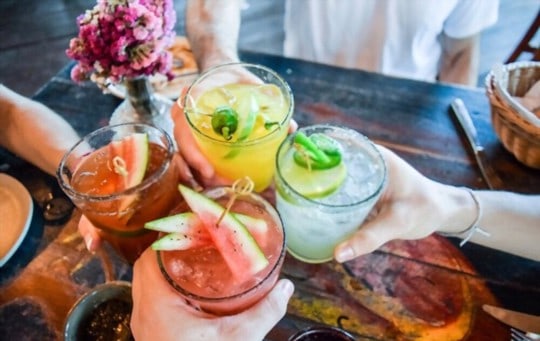
Cocktails and mixed drinks have several similarities.
Both use alcohol as a primary ingredient and contain non-alcoholic mixers.
In addition, they are often consumed in social settings such as bars or parties.
Due to their similar nature, the terms are sometimes interchanged, causing confusion.
However, there are differences between cocktails and mixed drinks that make them unique.
For instance, cocktails are typically made with specific recipes and require a skilled bartender to mix them correctly.
On the other hand, mixed drinks allow for more creative expression and can be made using various ingredients without needing much expertise.
If a recipe calls for rum but needs an alternative, explore rum substitutes for cocktails to keep similar flavor profiles.
Popular Cocktails and Mixed Drinks Examples
A list of well-known cocktails and mixed drinks is always a good conversation starter.
These drinks have become an integral part of the bar scene, with each one offering a unique taste experience.
From classic cocktails like Mojito and Margarita to mixed drinks like Long Island Iced Tea and Gin and Tonic, there's something for everyone.
Some other popular mixed drinks include Bloody Mary, Screwdriver, Cosmopolitan, and Pina Colada.
Each drink typically contains a combination of alcoholic beverages and mixers such as fruit juices or sodas.
However, when it comes to cocktails, the focus shifts towards the art of mixing spirits in creative ways.
Some famous cocktails include Martini, Manhattan, Whiskey Sour, Old Fashioned among many others.
While both mixed drinks and cocktails use similar ingredients (alcohol and mixers), the difference lies in the level of creativity that goes into making them.
Cocktails are known for their unique blend of flavors that set them apart from conventional mixed drinks.
Overall, whether you prefer something classic or contemporary, there's no shortage of options when it comes to these beloved libations.
Distinguishing Cocktails from Mixed Drinks
The fundamental difference between cocktail and mixed drink is the preparation method.
While a cocktail is made using a specific recipe and includes specific ingredients, a mixed drink can be made by combining various alcohols with fruit juices, sodas or other mixers.
Cocktails are generally associated with high-end bars that have skilled bartenders and extensive menus.
Whereas mixed drinks are commonly served at social events or parties where the focus is on convenience rather than craftsmanship.
Highball vs Cocktail: clear format differences outlines structural contrasts. Martini vs Cocktail: focused recipe distinctions explains how specific recipes define a drink.
Frequently Asked Questions
These drinks often have distinct names and are made to order by skilled bartenders who follow specific recipes. They share some similarities but each has qualities that make it better suited for certain recipes.
In many recipes, yes. Cocktail and Mixed Drink fill similar roles, though each brings its own character.
Try a small test batch before committing to a full swap.
Availability varies by region. One is usually a standard grocery store item while the other may require a specialty or international market depending on where you live.
Can a beginner tell the difference by taste?
In a side-by-side tasting, yes.
The difference becomes less obvious when mixed into a recipe with other ingredients.
Most people notice the distinction more clearly on its own.