
Ever plunged into the honey aisle and felt baffled by the choices? Clover honey vs wildflower honey is the showdown of the century in our kitchens.
Did you know that the type of honey depends on the flower source? That's right, bees are choosy with their flower dates.
We've all had that moment, standing there, trying to make a quick pick. Dare we say, it's almost like choosing between your favorite TV shows.
Here's a little secret between us: the difference isn't just in the taste. Clover honey is your smooth, sweet classic.
It's the go-to pal for tea and toast.
Wildflower honey? Oh, it's the wild card, with flavors that punch you in the palate in the best way.
Each jar is a surprise party from nature - no two batches are the same.
We're here to break it down for you. No fluff, just the sweet facts.
What is Clover Honey?

Clover honey is special. It's aromatic with hints of vanilla and floral notes.
Plus, it's light in color, ranging from pale amber to golden yellow.
The clear nectar from clover flowers is the source of this lighter-colored honey.
This sweet stuff has health perks too.
Its antioxidants cleanse the body from free radicals.
It also has antibacterial properties which can help with sore throats and coughs.
Clover honey is great for recipes - especially desserts where it pairs well with citrus; see lemon dessert pairings for baking.
It adds a subtle flavor to marinades, dressings, and baked goods.
And it's a natural sweetener, so you can reduce your sugar intake.
Plus, it has cultural significance.
Clover honey symbolizes luck and prosperity.
It is thought to bring importantity and abundance.
Clover honey is pleasant with many benefits.
Enjoy its flavor or use it therapeutically.
Either way, it will add to your cooking experiences and your wellness.
What is Wildflower Honey?
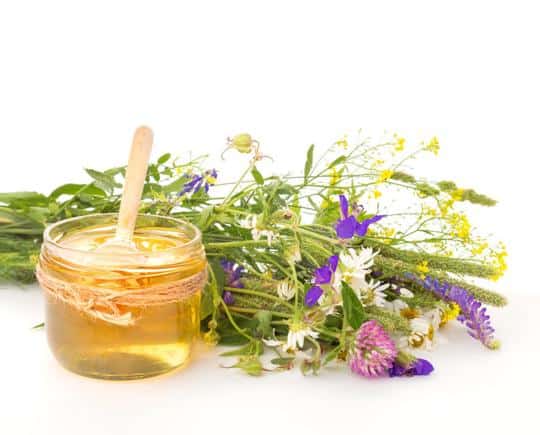
Wildflower honey: a golden elixir.
Collected from diverse wildflowers, not just one species.
So each batch has its own character.
Popular with honey enthusiasts due to its unique blend of flavors and aromas.
It's the variability that sets it apart.
Depending on location and time of year, it can taste very different.
Enchanting and captivating.
Both that, but this natural wonder offers potential health benefits.
Rich in antioxidants and enzymes.
Also antibacterial, so it may help with sore throats and colds.
Plus, it's thought to aid digestion, promote optimal immune function, and even help wounds heal.
Wildflower honey - an ever-changing sensory experience.
Wildflower honey's floral-sweet notes can complement savory dishes; for creative pairings, see what to eat with guacamole combos that mix sweet and savory.
Differences Between Clover Honey and Wildflower Honey
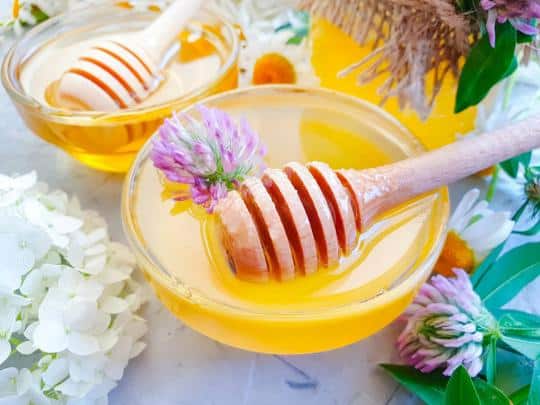
Clover honey and wildflower honey might seem similar, but they have different qualities - learn how fermented honey drinks differ in the honey wine vs mead comparison.
Source and Floral Origins
Where it comes from and the flower types are key for its flavor and personality.
Each type of honey has its own specific taste that comes from the flowers the bees used to get nectar from.
Clover honey, as you'd guess, is created by bees that get nectar from clover flowers.
This type is normally mild and sweet with some flowery notes.
It's very popular due to its versatility and accessibility.
Wildflower honey is made from various flowers.
Bees collect nectar from different wildflowers, giving a range of flavors and aromas.
The taste depends on the region and season it's made in.
For honey lovers, it's a thrilling and ever-changing experience.
The main difference between clover and wildflower honey is where they come from.
Clover honey is consistent and familiar, great for baking and drinks.
Wildflower honey is more adventurous, with changing flavors that capture nature's beauty.
flavor and Aroma
Flavor and aroma are the things that make clover honey and wildflower honey different - see an extract vs flavor comparison for how aroma and taste differ.
Clover honey has a mild flavor with a hint of vanilla and a floral smell.
Wildflower honey, however, has a stronger flavor and aroma.
It is a blend of different pollen sources and has an earthy smell that changes depending on the flowers used.
These qualities make both kinds of honey special and appeal to different tastes.
Color and Transparency
Honey is not just a tasty treat, but it can come in different colours and levels of transparency.
Its hue and clarity depend on the nectar source and processing methods used.
Clover honey usually has a light golden or amber colour, whereas wildflower honey is usually darker.
This is because bees that collect nectar from clover plants produce a lighter honey, and those that forage on a variety of wildflowers make a darker one.
Clover and wildflower honeys can range from clear to cloudy.
The level of transparency is affected by pollen grains and other impurities.
Generally, raw and unfiltered varieties will have more impurities and seem less transparent than filtered ones.
Some people may like their honey crystal clear, but others may like the natural cloudiness as a sign of its authenticity.
Both types of honey have their own unique flavour profiles, regardless of their appearance.
Texture and Consistency
Texture and consistency are the important elements to distinguish between clover and wildflower honey.
- Clover Honey: Clover honey has a velvety smooth and creamy texture, much like liquid gold. Its consistency is thick, but not too thick, making it easy to spoon out. When you use clover honey on desserts, toast or pancakes, you can feel its luxury.
- Wildflower Honey: Wildflower honey, on the contrary, has a coarse texture with a grainy and crystallized consistency. This gives it a thicker, chewier feeling compared to clover honey. It is also known for its unique blend of nectar from various wildflowers.
- Layers of Texture: In the same jar, you can experience multiple textures from clover and wildflower honey. You may get the smoothness of clover followed by the crystallized grains of wildflower honey, which adds complexity to the flavor.
- Spread or Stir: Both honeys have different uses. Clover honey's silkiness works great when spread on toast or drizzled over pancakes. Wildflower honey's grainy form is perfect for stirring into hot drinks or baking recipes.
- Natural Crystallization: The difference in texture is due to their natural crystallization. Clover honey stays liquid for longer and then crystallizes into a smoother texture. On the other hand, wildflower honey quickly crystallizes, producing its grainy consistency.
It's clear that texture and consistency are key when it comes to clover and wildflower honey.
Whether you're a fan of clover's smoothness or wildflower's grainy goodness, both offer unique flavors to enhance any great dish.
Clover Honey: Clover honey has a velvety smooth and creamy texture, much like liquid gold - similar creamy textures are featured in vegan hummus recipes for creamy texture.
Culinary Uses and Pairings
Clover and wildflower honey bring a unique sweetness to dishes.
Clover has a light, delicate flavor and is perfect for baking, like cakes and cookies.
It also goes great with fruits.
Wildflower is more strong and earthy, so it's ideal for savory marinades or glazes on meats and veggies.
Both can be used as natural sweeteners in drinks, and as a topping for pancakes and waffles.
They differ in their fructose and glucose content, which affects how quickly they crystallize.
When deciding which honey to use, think about the desired intensity of the dish.
Get creative and let these sweeteners take center stage.
Similarities Between Clover Honey and Wildflower Honey

Clover honey and wildflower honey share many features - for a related comparison of honeyed flavors, read the honey mango vs mango comparison.
Produced by bees from flower nectar, they boast sweet taste and golden color.
Plus, both are wonderful natural sweeteners.
They also have similar health benefits, such as antioxidants and potential allergy relief.
You can find them in most grocery stores or online.
While there may be some minor taste differences, the similarities between the two types of honey are more important.
How to Choose Between Clover Honey and Wildflower Honey?
Confused about picking between clover and wildflower honey? Here are 6 noteworthy points to ponder:
- Taste: Clover is mild and sweet. Wildflower has a more complex flavor.
- Origin: Clover from clover plants. Wildflower from various blossoms.
- Color: Clover is pale yellow to light amber. Wildflower is golden to dark amber.
- Consistency: Clover is smooth and creamy. Wildflower depends on the mix of flowers.
- Benefits: Both offer antioxidant properties and soothing effects. Wildflower may add immune-boosting advantages.
- Preference: It's all about personal preference. Some like clover's delicate sweetness, others enjoy wildflower's diverse flavors.
In the end, it is essential to understand your own taste and application.
This will guide you to find the perfect match among these great options.
For a deep dive into how one honey's unique flavor can shape choices, the complete Manuka honey flavor guide breaks down bold taste characteristics.
Choosing Between Clover and Wildflower Honey
Clover honey and wildflower honey are quite distinct.
Clover honey offers a delicate sweetness with floral undertones, while wildflower honey has a strong flavor from various nectar sources.
The flavor of clover honey comes from nectar of clover plants.
It is usually light in color and mild in taste, perfect for tea and desserts.
Wildflower honey, on the other hand, is dark and stronger.
It works best for baking or to add flavor to savory dishes.
Both types of honey offer health benefits, such as antioxidants and throat relief.
Nutritional profiles differ slightly, though.
Clover honey contains more B vitamins, while wildflower honey has more minerals like iron and zinc.
Frequently Asked Questions
Here's a little secret between us: the difference isn't just in the taste. They share some similarities but each has qualities that make it better suited for certain recipes.
They can stand in for each other in a pinch. Clover Honey and Wildflower Honey overlap in some uses, but the flavor or texture will shift.
Adjust quantities to taste.
Shelf life differs based on processing and packaging. One often keeps longer unopened, while the other may need refrigeration or faster use after opening.
Which one is more forgiving in recipes?
One tends to perform more consistently across a range of cooking methods, making it the safer choice when experimenting.
The other delivers stronger results in specific applications.
For more tasting notes, see mushrooms unveiled: honey mushroom taste guide. Buckwheat honey taste notes and profile covers a darker, richer honey variety.