
Summary of key points
The main difference between honey mango and regular mango is their appearance and taste. Honey mangoes, also known as Ataulfo or Champagne mangoes, are smaller and oval-shaped with a yellow skin when ripe.
They have a creamy texture and less fibrous flesh compared to regular mangoes which are larger and more round with a green or red skin when ripe.
In terms of taste, honey mangoes are typically sweeter and have a more intense flavor compared to regular mangoes. They also tend to have a smoother texture and are often preferred for snacking or making desserts.
Regular mangoes, on the other hand, are more versatile for both sweet and savory dishes.
Mangos. We all love them.
Honey Mango and the classic Mango are not twins. Far from it.
Ever bitten into a Honey Mango?
It's like a sweet, juicy secret wrapped in yellow skin.
Mangos are our summer crush. The Honey variety?
That's a whole new level of love. Soft, fragrant, and oh-so-sweet, it's like biting into pure sunshine.
Standing in the grocery aisle, puzzled. Which one to pick?
Our tip? Try both.
You'll see, they each sing their own tune.
And here's something personal - I once made the mistake of choosing just one. Never again.
Variety is the spice of life, right?
In our quest to demystify these fruity gems, we're here to share the juicy details. Grab a spoon, and let's dig in.
What is Honey Mango?
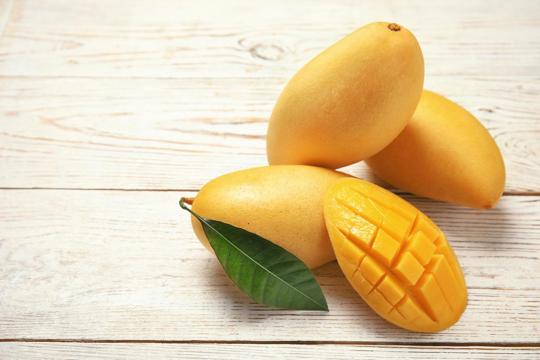
Honey mangoes are the "champagne" of mangoes, due to their extraordinary taste and quality - similar to how different honeys vary in nuance, see clover vs wildflower honey comparison.
They're smaller than other mango types, and have a bright yellow skin when ripe.
The flesh is golden and smooth, with a tropical and aromatic flavor - a hint of citrus and pineapple.
Originating from Mexico, these mangoes are now cultivated around the globe.
They stay firm even when ripe, making them easy to handle and enjoy.
Plus, their small size makes them ideal for snacking, salads and smoothies.
And, they taste great in desserts like fruit tarts and sorbets.
Honey mangoes are also very nutritious.
They're packed with vitamins, minerals, potassium and fiber.
Vitamin C strengthens the immune system.
Vitamin A promotes healthy eyesight.
Potassium maintains the heart. Fiber aids digestion.
When choosing honey mangoes, look for ones that are slightly soft.
There should be a sweet aroma coming from the stem end.
Slice lengthwise alongside the large seed in the center for the best experience.
What is Mango?

The mango, known as Mangifera indica, is a tropical fruit from South Asia.
Its colorful skin conceals juicy, aromatic flesh that comes in various hues of orange, yellow, and green.
Both delicious, mangoes have essential nutrients, making them popular worldwide.
Mangoes have a unique flavor.
Sweet and tangy, they tempt palate and leave you wanting more.
Their flesh is smooth and creamy, further improving the experience.
Mangoes are packed with vitamins A and C, boosting your immune system.
Plus, they have dietary fiber for digestion and antioxidants like beta-carotene and polyphenols, fighting free radicals.
Mangoes are versatile in cooking. Enjoy them fresh or as an ingredient in salads and salsas - and when using mango in sweets, consider classic citrus pairings like those in lemon dessert pairings list.
Blend them into smoothies or puree for desserts. Mangoes bring tropical goodness to any dish.
Differences Between Honey Mango and Mango
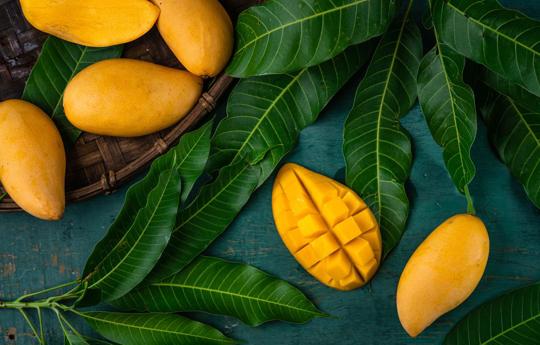
Honey mangoes? Ataulfo mangoes? They sound the same, but no.
They have major differences - much like the distinctions between fermented drinks, compare honey wine vs mead comparison for a similar contrast.
Origin and Varieties
The mango is well-known for its pleasant sweetness and juicy, tropical flavor.
It has been around for thousands of years, having originated in Southeast Asia.
Now, it is loved by people all over the world.
The honey mango, AKA Ataulfo or Champagne mango, is a popular variety originating from Mexico.
It stands out with its small size, smooth skin, and bright yellow color.
Its exceptional sweetness and creamy texture make it perfect for snacking or adding to desserts.
On the other hand, the standard mango includes several cultivars found in supermarkets.
These include Tommy Atkins, Kent, and Keitt mangoes.
They are usually larger than honey mangoes, with green, red, or orange colors when ripe.
They may differ in taste and texture, all standard mangoes have a similar, juicy, tropical flavor.
Also, honey mangoes have a shorter harvesting season compared to standard mangoes.
This means they are only available for a limited time each year, making them a much-coveted treat.
Physical Appearance
Honey mangoes and regular mangoes have differences when it comes to physical appearance.
Honey mangoes are small and oval-shaped, whilst regular mangoes are bigger and rounder.
Honey mangoes have a golden-yellow, smooth skin with wrinkles and small dots.
Regular mangoes have brighter, orange or greenish skin that is rough.
Honey mangoes have juicy, fibrous flesh with a sweet aroma.
Regular mangoes are larger and firmer, with a tangier taste.
It's the small details that set these two types of mangoes apart.
Flavor and Taste
Honey mangoes and regular mangoes both have their own unique flavor and taste.
The honey mango gives a sweet burst, with floral hints - a useful distinction when thinking about concentrated versus subtle profiles, see extract vs flavor comparison.
Regular mangoes are balanced between sweet and tangy.
Both options are loved by fruit lovers.
The texture of honey mangos is smooth and melts in the mouth.
Regular mangoes are firmer and juicier.
Enjoyment of each variety comes from these distinct traits.
So, if you want sweet and smooth or tangy and juicy, both honey and regular mangoes have something great.
Texture
The texture of a honey mango is unique.
It's smoother and creamier than a regular mango.
When you bite into one, it melts in your mouth.
Its flesh is tender and juicy. Plus, it has minimal fibers.
This adds to its silky texture and makes it smooth.
The texture of the honey mango opens up lots of culinary possibilities.
It blends easily into smoothies or purees - a silky result similar to dip bases, see creamy texture hummus recipes for examples of lush consistency.
Or you can use it as an ingredient in desserts like gelato or sorbet.
It creates a luscious base. The texture of a honey mango is special.
Its smooth and creamy nature gives a luxurious feel.
The next time you find one in the store, try it for yourself.
Similarities Between Honey Mango and Mango

Honey Mango and Mango have many things in common.
They come from the same family, Anacardiaceae.
Both have a sweet and tropical taste.
They also have similar vitamins, A and C - a nutritional overlap that appears in other tropical comparisons like papaya vs mango comparison.
They are both good for your health and can be used in different recipes.
But, there are some differences too.
Honey Mango tastes richer with a hint of citrus.
It's also yellower than regular Mango.
Both look like an oval, but Honey Mango stands out more.
Enjoy the unique flavor and color of Honey Mango.
Popular Uses and Culinary Applications
Mangoes and honey mangoes have different uses.
These tropical fruits are used in many dishes, from salads to desserts.
Both mangoes and honey mangoes can be eaten as a snack, or added to fruit salads for a sweet and tangy flavor.
They can be blended into smoothies or juices too.
Mangoes go with seafood, poultry, and pork.
Honey mangoes add sweetness to salsas and chutneys.
The honey mango, also called Ataulfo or champagne mango, is smaller and smoother than regular mangoes.
Its flesh is rich and tastes like coconut and pineapple.
It is great for making creamy sauces and dressings.
Regular mangoes come in various shapes and sizes.
They have a fibrous texture, and have a citrus and floral taste.
They are good grilled or roasted to enhance their sweetness.
How to Choose and Store Honey Mango and Mango?
Choosing and storing honey mangoes and regular mangoes needs special attention.
Pick ones with bright colors like golden yellow or red.
Gently squeeze them; they should be slightly soft but not mushy.
No bruising or wrinkles. Keep at room temp until ripe.
Then, put in fridge to extend shelf life. Handle with care; both types are delicate.
For extra details, remember honey mangoes have a sweet, tempting scent - for a deeper look at honey aromas and flavors, see Manuka honey flavor guide.
Enjoy them alone, in fruit salads, salsas, or smoothies.
Regular mangoes have more flavor varieties, from sweet to tangy.
They go well in savory and sweet dishes.
Taste and Texture: Honey Mango vs Regular Mango
In the end, we can conclude that when it comes to taste and texture, honey mangos and regular mangos present interesting distinctions for our tastebuds.
While regular mangos are soft, juicy and acidic, honey mangos bring out a hint of sweetness, an extra level of creaminess and a richer flavor.
No wonder they are loved around the world.
If nothing else, it's sure to be a delicious exploration.
Spicy profiles pair well with sweet honey notes. Spicy Delight: What Does Honey Chipotle Taste Like? explores one such combination. Mushrooms offer another honey-linked flavor route; Mushrooms Unveiled: What Do Honey Mushrooms Taste Like? examines that pairing.
Frequently Asked Questions
The main difference between honey mango and regular mango is their appearance and taste. They share some similarities but each has qualities that make it better suited for certain recipes.
In many recipes, yes. Honey Mango and Mango fill similar roles, though each brings its own character.
Try a small test batch before committing to a full swap.
Availability varies by region. One is usually a standard grocery store item while the other may require a specialty or international market depending on where you live.
Can a beginner tell the difference by taste?
In a side-by-side tasting, yes.
The difference becomes less obvious when mixed into a recipe with other ingredients.
Most people notice the distinction more clearly on its own.