
Piroshki and pierogi might sound similar. Both are delicious and hail from Eastern Europe.
Our grandmothers had their secret recipes, and nothing beats that homemade touch.
We've had battles over which one reigns supreme at family gatherings. Piroshki, the fluffy, fried buns filled with anything from meat to jam.
Pierogi, the doughy dumplings, are a comfort food dream, boiled or fried, stuffed with potato, cheese, or fruit.
It's like choosing between chocolate and vanilla. Both are amazing in their own right.
We're here to lay down the facts. You might end up loving both.
What are Piroshki?
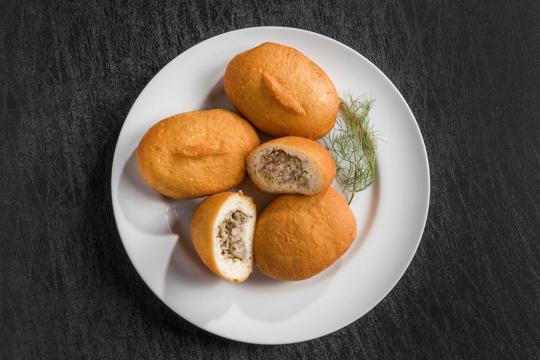
Piroshki - a classic Russian snack.
Small pastries filled with meat, cheese, or veggies.
Their fluffy dough and flavorful insides make them simply divine.
They're either baked or fried to perfection, with a crispy exterior complementing the savory filling.
For centuries, piroshki have been a beloved part of Russian cuisine, and still bring joy to those who indulge.
What makes piroshki unique? The fillings.
Traditional options like beef, cabbage, or potatoes, but modern variations offer other tasty choices.
Mushrooms, cheese, or even sweet fruit for desserts.
Plus, they come in different shapes and sizes - from handhelds to larger ones for sharing.
Piroshki differ from pierogi too.
While pierogi have unleavened dough shaped into half moons or rectangles, piroshki use yeast dough for a more delicate texture and allows for creative experimentation with fillings.
Both are delicious, but each offers its own distinct cooking experience.
For fruit-filled or citrus-forward piroshki desserts, consider flavor pairings - lemon dessert pairing ideas guide suggests compatible flavors and textures.
What are Pierogi?
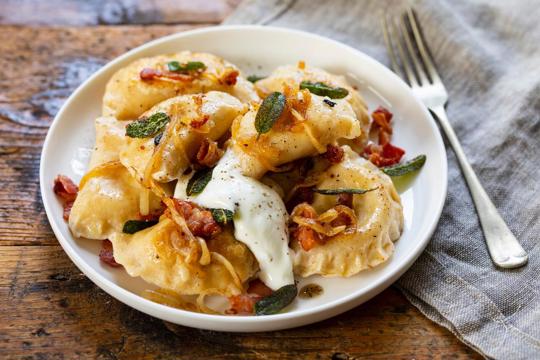
Pierogi, a dish beloved in Eastern Europe, are dumplings made with unleavened dough and filled with various ingredients.
These morsels of goodness can be stuffed with potatoes, cheese, sauerkraut, or meat.
Boil, fry, or bake them to perfection.
What makes pierogi stand out is their versatility.
Serve them as an appetizer, main course, or dessert.
Sweet or savory, there's a pierogi filling for everyone.
The dough is soft and delicate, making it the perfect vessel for flavorful fillings.
Traditionally, pierogi were crafted by hand.
This time-consuming process involved rolling out the dough and sealing each dumpling.
Nowadays, you can find pre-packaged pierogi in grocery stores.
Pierogi hold cultural significance too.
They're a staple in countries like Poland and Ukraine.
They're associated with family gatherings and celebrations.
Some regions even have their own pierogi festivals.
For savory pierogi served as starters, consider bold dips and sides - guacamole pairing ideas guide lists complementary snacks and sauces.
Differences Between Piroshki and Pierogi

Piroshki and pierogi look alike, but they differ - see a pierogi vs dumpling comparison guide for related distinctions.
Origin and Cultural Background
Piroshki and Pierogi have origins in Eastern Europe.
Both of these tasty dishes have been a part of traditional cuisines for many years.
Pierogi is popular in countries like Poland, Ukraine, Russia, and Belarus.
It is made by wrapping unleavened dough around fillings like potatoes, cheese, meat, fruit, or mushrooms.
The way it is cooked and the fillings used vary within each region.
Piroshki is from Russia and is enjoyed throughout Slavic cultures.
The buns are created with yeast-leavened dough.
This dough is filled with ingredients like meat, fish, cabbage, potatoes, or cheese, and then baked or fried.
The fillings can be savory or sweet.
Although Piroshki and Pierogi have similarities, their differences are seen in their flavors and fillings.
These usually reflect the local ingredients and culinary preferences of the region.
Dough
The dough is key in both piroshki and pierogi creation - consult a dough vs batter breakdown to understand how dough texture affects the final result.
It sets the base, giving these treats their special texture and flavor.
The dough is important for achieving perfect softness or crispiness, depending on cooking style.
Traditionally, piroshki dough is made with flour, yeast, milk, eggs, and butter.
This mix results in a tender, rich dough that goes well with various fillings like meat, veggies, or fruit.
Piroshki can be baked or fried to get different levels of crunchiness, while keeping a fluffy inside.
Pierogi dough is made of flour, water/milk, eggs, salt, and sometimes sour cream.
This mixture forms a slightly denser dough than piroshki.
It is rolled thin and filled with potatoes, cheese, mushrooms, or sauerkraut, then boiled or pan-fried.
Piroshki and pierogi share some dough ingredients, like flour and eggs, slight variations in their components create distinct characteristics.
The proportions of the ingredients influence the final texture and flavor of each.
Piroshki and pierogi have one essential ingredient in common, the dough, they differ in terms of richness and density.
Whether you like the fluffiness of piroshki or the heartiness of pierogi is up to you.
Both have won hearts worldwide with their unique flavors enclosed in their dough shells.
Filling
Piroshki and pierogi are two very different dishes.
Piroshki is Russian and often has savory fillings like meat, vegetables, or cheese.
Pierogi is Polish and usually includes potatoes, cheese, mushrooms, and fruit.
The ingredients depend on the region and culture.
These two treats offer a variety of flavors and textures.
So, if you want a savory piroshki or a sweet pierogi, both of them will satisfy your palate.
For sweet pierogi or dessert piroshki, note how purees differ from ready fillings - pumpkin puree vs pumpkin pie filling comparison explains how texture and sweetness change results.
Shape and Preparation Method
Piroshki and pierogi have distinct shapes and preparation methods.
Piroshki are from Russian cuisine and come in various shapes; round, square, or even oval.
Pierogi are Polish and are semicircular.
They are made by wrapping dough around fillings.
Piroshki may be creatively shaped for presentation.
Their preparation involves baking or frying until golden brown and crispy.
Pierogi are boiled until they float, then pan-fried.
These treats captivate palate worldwide with their differences.
Similarities Between Piroshki and Pierogi

Piroshki and pierogi have much in common.
These Eastern European dishes are encased in dough and full of flavor.
Piroshki are usually baked or fried.
Pierogi are boiled first, then pan-fried.
The dough for piroshki is yeast-based.
For pierogi, it's thin and pasta-like.
Fillings of meat, cheese, potatoes or veggies make them unique.
Despite their differences, piroshki and pierogi are both scrumptious dishs.
Popular Fillings for Piroshki and Pierogi
Piroshki and pierogi boast a wide variety of fillings.
From traditional to more unique options, there is something to please every palate.
Common piroshki fillings include ground meat and sautéed onions.
This savory mix can be spiced up with herbs and spices.
Another option is cabbage and mushroom for an earthy flavor.
For sweet tooths, piroshki can be filled with fruit preserves or sweetened cheese.
With pierogi, popular fillings are mashed potatoes with cheese or onions.
Another choice is cottage cheese blended with herbs, such as dill or chives.
Minced meat, garlic, and herbs make a tasty option for meat lovers.
For a unique twist, piroshki can be filled with smoked salmon or borscht.
Pierogi can also be filled with unconventional combinations such as spinach and feta cheese or dessert-inspired fillings like chocolate or fruit compote.
There are endless possibilities when it comes to creating exciting pierogi and piroshki fillings.
How to Serve Piroshki and Pierogi?
For the best piroshki and pierogi experience, follow these steps.
- Heat up: Gently warm piroshki or pierogi in the microwave or oven. Don't overdo it, or else the texture and taste will change.
- Present: Put the piroshki or pierogi on a platter. Make it look nice with herbs or powdered sugar.
- Accompany: Serve piroshki with sour cream, yogurt, or a tangy sauce. Pierogi goes great with melted butter, caramelized onions, or Greek yogurt.
Plus, give guests different fillings to try - like meat-filled piroshki and potato-and-cheese-filled pierogi.
This way, everyone can find their favorite flavor.
Follow these steps to make piroshki and pierogi look and taste amazing.
When presenting sweet single-serve piroshki or dessert pierogi, individual plating helps - see single-serve dessert ideas for portion and presentation tips.
Dough and Filling Differences: Piroshki vs Pierogi
Piroshki are Russian pastries filled with savory things, like meat or cabbage.
While pierogi come from Poland and are usually filled with potatoes, cheese, or fruit.
Both have special cultural meaning and differ by region.
Also, piroshki are usually baked or fried, and pierogi are boiled.
This creates different tastes and textures for each dish.
Frequently Asked Questions
Plus, they come in different shapes and sizes from handhelds to larger ones for sharing. They share some similarities but each has qualities that make it better suited for certain recipes.
Often, yes. The two share enough common ground that most palates won't notice a swap.
Piroshki is usually milder while Pierogi brings more intensity.
Nutritional differences exist but are often minor in typical serving sizes. Neither is universally healthier - it depends on what specific nutrients or dietary goals you are focused on.
Which stores better after opening?
Once opened, one keeps better in the refrigerator with proper sealing.
The other may oxidize or separate more quickly, so using it promptly or in smaller quantities works better.
Classification matters for texture and serving: pierogi vs dumpling comparison guide explains how pierogi relate to other dumplings. Understanding batter and dough helps predict results: dough vs batter breakdown clarifies those differences.