
Ever stood at the seafood counter, scratching your head over top shell and abalone? We've been there.
Both are snails, yes, sea snails. One's a bit more fancy, the other, well, not so much.
Abalone? That's the high-end stuff.
Top shell tends to hang out more on the "everyday menu" side of life. We learned this the hard way at a fancy dinner once.
T4Talk about a surprise.T5
They both taste like the ocean decided to high-five your palate. Yet, they're not twins.
Their vibes? Totally different.
We'll tell you all about it. Because, really, life's too short for seafood confusion.
What is Top Shell?

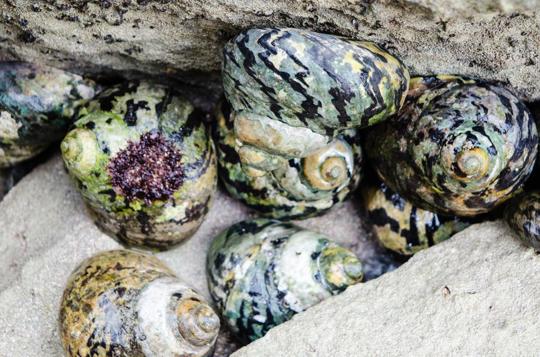
Top Shell is a type of marine snail.
It is from the family Trochidae.
It has a cone-shaped shell with colorful patterns.
Its muscular foot is strong.
It attaches firmly to rocks and can resist strong waves.
Its thick shell shields it from predators and harsh conditions.
It is usually seen in rocky shores and intertidal zones.
It eats algae and other tiny creatures.
Its distinct shape and bright colors make it popular with collectors and enthusiasts.
Plus, it helps balance marine systems by cycling nutrients.
For citrus pairing ideas that translate to seafood finishes, consult lemon dessert pairing ideas for complementary flavors.
What is Abalone?

The dazzling beauty of abalone has astounded many - what is it? Abalone is an edible sea snail belonging to the gastropod mollusk family.
Its shell is a thing of beauty, known for its bright colors and detailed patterns.
This marine creature can be found in oceans around the world, mostly in coastal areas.
The abalone shell is remarkable; it has a blend of vivid hues from pinks to blues and purples.
It has layers, such as periostracum, which gives it protection, and the shimmering nacre, or mother-of-pearl.
Both is it beautiful, abalone has cultural importance.
It is a sought-after delicacy, with its tender, flavorful meat used in many cuisines.
Its use in traditional medicine goes back centuries, with perceived health benefits.
Abalone looks like other shellfish, such as top shells, but there are distinct differences.
Top shells from the Trochidae family have a more conical shape and ridges along the surface.
Abalone, however, is flatter with a spiral pattern on its shell.
For snack and dip pairing inspiration that can inform texture contrasts, see guacamole pairing ideas for crunchy and creamy combinations.
Differences Between Top Shell and Abalone
Top Shell and Abalone are both shellfish, but there are differences - compare soft vs hard shell crab comparison for another shellfish contrast.
Shell Appearance and Size
The top shell and abalone shells differ in look and size.
The top shell has a cone-shape with eye-catching designs, while the abalone has a rounded shell with radiant hues.
Generally, the top shell is smaller than the abalone's.
These details make them captivating to observe.
Also, both the top shell and abalone have exceptional qualities aiding in their marine life - see a soft shell crab taste guide for another species' distinctive flavor notes.
For example, the top shell's cone shape guards against predators and the patterns act as camouflage.
Whereas, the abalone's rounded shape helps it swim fast and withstand currents.
Plus, its iridescent hues are used for mating or showing ownership of territory.
Habitat and Availability
Abalone and top shell are both mysterious ocean dwellers, but there are differences between them.
Abalone live in cold waters, usually near rocky coasts.
Top shell is usually found in warm waters.
So, abalone is rarer than top shell.
But, this makes them even more special.
Both species add to the richness of marine life worldwide.
Flavor and Texture
There are some key differences - read extract vs flavor comparison for subtle taste distinctions to better understand flavor terms.
Top shell has a sweet and briny taste, with a firm and chewy texture.
Abalone, however, is rich and buttery, and its texture is tender and slightly crunchy.
Top shell has a more intense flavor than abalone, making it a great option for those who prefer bold tastes.
It also has a unique texture that stands up in various cooking methods.
Abalone, on the other hand, is prized for its luxurious flavors and delicate texture.
It's considered a gourmet ingredient due to its scarcity and careful harvesting.
Abalone can be eaten raw or cooked using methods like steaming or braising to keep its texture.
Culinary Uses and Preparations
Top shell and abalone are two delicacies that have become popular among shellfish enthusiasts.
Both bring unique textures and flavors to the table.
Top shell, or dog whelk/turbo shells, is a common sight in coastal regions.
Its firm and chewy meat is great for many dishes, making it versatile.
You can use it to make soups, stir-fries and more.
Abalone, on the other hand, is prized for its tender flesh and delicate flavor.
It's considered a luxurious treat in many cuisines and is often served as sashimi or lightly grilled.
Both top shell and abalone require some effort to prepare.
Soak top shell in water to remove sand and grit before cooking.
Boil, braise or sauté according to preference.
Abalone needs to be pounded before being steamed or pan-fried.
Taste-wise, top shell has a slightly briny and savory flavor with hints of sweetness.
Abalone, on the other hand, is buttery and melts in your mouth.
Texture-wise, top shell is firmer while abalone is tender.
Explore these marvelous ingredients and enjoy their strongness or elegant flavors in your dishs.
Similarities Between Top Shell and Abalone

Shell and Abalone have many things in common.
Both are marine mollusks from the Gastropoda class - consult an abalone taste guide for flavor context when comparing edible traits.
They have a spiral-shaped shell for protection.
Plus, they both have a muscular foot to hold onto rocks and surfaces underwater.
They also both make a hard calcium carbonate outer layer for the shell's strength.
They have adapted to different water environments and are found in oceans all over the world.
Although they may look different and prefer different habitats, these similarities show their same evolutionary origin.
Nutritional Value and Health Benefits
Shellfish, such as top shell and abalone, are filled with vitamins, minerals, and protein.
Eating them can help boost immunity, improve heart health, and support brain development.
Plus, they are rich in omega-3 fatty acids.
These reduce inflammation and aid in better cognitive function.
Top shell and abalone also contain iron and zinc, which are important for healthy bodily functions.
Also, they have B vitamins, which impact energy metabolism.
So, when you enjoy a dish with top shell or abalone, you're not only pleasing your palate but also nourishing your body.
For a different umami-rich taste reference, check nutritional yeast flavor notes to compare savory profiles.
Where to Find Top Shell and Abalone?
Top Shells and Abalones are both mollusks that can be found in many places.
Top Shells usually cling to rocks in cool coastal waters all around Europe, North America, and Asia.
Abalones inhabit shallow coastal waters and intertidal zones.
These creatures can be seen in California, South Africa, Japan, and Australia.
Top Shells enjoy rugged coastal fields, while Abalones like shallow waters with plenty of hiding spots.
Both these critters are adapted to their surroundings and live in many places on the planet.
Top Shells have a cone-shaped shell with beautiful patterns and colors.
People often use the shells for decoration.
Abalones have a round shell with holes on one side.
The shell is often lined with iridescent mother-of-pearl.
This is used to make jewelry and art.
Although Top Shells and Abalones share similarities, they have unique features.
From their homes to their amazing shells, these mollusks continue to fascinate us with their individuality and adaptability in the ocean.
Taste and Texture: Top Shell vs Abalone
After reading through this comprehensive comparison between top shell and abalone, it's clear that there are distinctions between the two when it comes to their texture, flavor, nutritional content, cost and availability.
Although both types of mollusks have been sustainably consumed throughout history, informing oneself on the differences between them can lead to more informed decisions concerning the next seafood meal.
Also, it's important that people look for ways to be conscious of issues such as sustainability to preserve our oceans and marine life for generations to come.
Ultimately, these two species have established themselves a key role in culinary culture and there's more than enough evidence out there recognizing the fact that both top shell and abalone tastes fantastic.
Try them out sometime soon.
You won't regret it.
Frequently Asked Questions
Its distinct shape and bright colors make it popular with collectors and enthusiasts. They share some similarities but each has qualities that make it better suited for certain recipes.
Often, yes. The two share enough common ground that most palates won't notice a swap.
Top Shell is usually milder while Abalone brings more intensity.
Nutritional differences exist but are often minor in typical serving sizes. Neither is universally healthier - it depends on what specific nutrients or dietary goals you are focused on.
Which stores better after opening?
Once opened, one keeps better in the refrigerator with proper sealing.
The other may oxidize or separate more quickly, so using it promptly or in smaller quantities works better.
What to Serve with Soft Shell Crab? 7 BEST Side Dishes - soft shell crab side pairings offers complementary choices. 17 Stuffed Shell Pasta Bakes That Feed a Crowd - stuffed shell pasta bake ideas provides hearty pasta options for gatherings.