
Summary of key points
The main difference between Benedictine and Chartreuse is in the ingredients used. Benedictine is a herbal liqueur made from a secret recipe of 27 herbs and spices, while Chartreuse is made from over 130 different plants and flowers.
Both have a distinct green color, but Chartreuse tends to have a brighter hue. In terms of taste, Benedictine has a sweet and herbal flavor, while Chartreuse is known for its complex and bold taste with a strong herbal profile.
In addition to being enjoyed as a digestif or in cocktails, both liqueurs are also used in cooking and baking for added depth of flavor. Whether you prefer the subtle sweetness of Benedictine or the intense complexity of Chartreuse, both have a rich history and loyal following among liquor enthusiasts.
Benedictine and Chartreuse aren't just fancy words that sound like they belong in a medieval manuscript. T4They're spirits
. And oh, what spirits they are!
Both hail from the abbeys of France, a land that knows a thing or two about good drink.
We've had our battles trying to decide which one takes the crown in our home bar. It's a throwdown between herbal marvels.
Chartreuse, with its secret mix of 130 plants, wins on complexity. Everyone agrees it's like sipping on a botanical garden.
Benedictine doesn't lag, though. Its recipe?
A guarded secret since the 1500s. We've tried to guess the ingredients.
Failed every time.
Here's the scoop. If you want a drink steeped in mystery and history, you're in the right lane.
This is no ordinary taste test. It's a clash of titans.
We're here to guide you through it.
What is Benedictine?
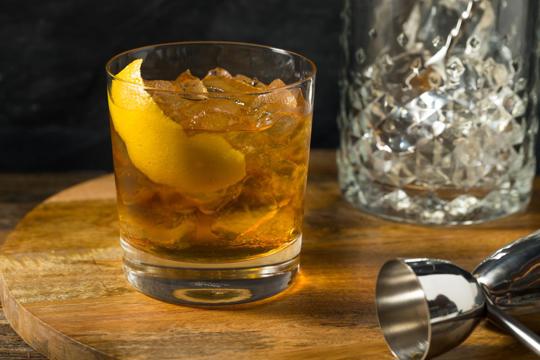
Benedictine is a famous liqueur from France.
It has a special flavor, making it a hit among cocktail lovers and connoisseurs.
27 herbs and spices are used in the secret recipe, producing a combination of sweet, herbal, and warming notes.
Benedictine has a golden color and a velvety texture.
The liqueur dates back to the 16th century.
It was created by Benedictine monks at the Abbey of Fécamp in Normandy.
The process includes infusing the botanicals with brandy and aging them in oak barrels for months.
This helps the flavors come together, making the taste excellent.
Benedictine is very adaptable for cocktails.
It can be used in classic drinks like Vieux Carré or in new recipes.
Its sweet yet strong flavor goes well with dark and light spirits.
This makes it a common choice in many bars.
The bottle shape of Benedictine honors the Mont Saint-Michel abbey in Normandy.
Over time the liqueur has gained respect for its appeal and quality.
Benedictine's honeyed citrus notes make it a natural partner for desserts; see lemon dessert pairings and ideas to match similar bright flavors.
What is Chartreuse?
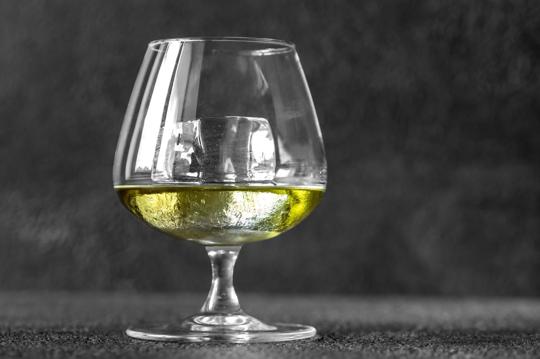
Chartreuse is a one-of-a-kind liqueur that has enchanted many with its bright green color and detailed flavors.
It was created by Carthusian monks in the 18th century and is made from 130 different plants, giving it a unique taste and scent.
It is famous for its blend of sweet, herbal, and spicy notes that make it a remarkable drinking experience.
The aging process of Chartreuse is notable.
After distilling, it is left to age in oak barrels for years, forming its rich and complex flavors.
This maturation process makes Chartreuse stand out from other spirits.
There are two variations: green and yellow.
The green version, known as "Green Chartreuse", has a strong herbal flavor with hints of mint, eucalyptus, anise, and other fragrant herbs.
The yellow variant, called "Yellow Chartreuse", is milder, with a sweet honey and saffron taste.
Chartreuse is a popular ingredient in drinks due to its versatility.
Its bold flavors can add depth to any cocktail while still letting the individual components shine.
Be it classic cocktails or new recipes, Chartreuse adds some mystery that pleases both bartenders and drinkers.
Chartreuse's herbal intensity can cut through rich, creamy bites; for snack pairing ideas try guacamole pairing suggestions and combos that balance bold flavors.
History and Origins of Benedictine and Chartreuse

Benedictine and Chartreuse are celebrated liqueurs with amazing tales.
Both have complex flavors, and unique stories behind their creations.
Famed Benedictine was crafted in 1510 by Benedictine monks at the Abbey of Fécamp in Normandy, France.
A monk named Dom Bernardo Vincelli supposedly discovered the recipe while researching ancient manuscripts.
A blend of 27 herbs and spices creates its aromatic taste.
This liqueur has kept its history and is crafted with precision.
Chartreuse has been around even longer - read a Chartreuse vs absinthe comparison to see how it differs from similar herbal spirits.
The iconic spirit started with a medicinal elixir made by Carthusian monks in 1605.
The recipe is a secret kept between two monks.
Made with 130 herbs, plants, and flowers, this green liqueur delights connoisseurs everywhere.
Both liqueurs come from monasteries, they have different flavors.
Benedictine has a warm, full-bodied taste with honey, citrus, and spices.
Chartreuse has a more herbal, complex flavor with mint, aniseed, and botanicals.
These liqueurs symbolize craftsmanship passed through generations.
They are products of centuries-old traditions, a tribute to the monks who crafted them.
Ingredients Used in Benedictine and Chartreuse
Benedictine and Chartreuse-two popular liqueurs.
Benedictine is made from 27 herbs and spices - consider Benedictine substitutes list and swaps if the original liqueur isn't available.
Chartreuse has a secret recipe of 130 medicinal herbs.
Each liqueur has its own unique flavors and aromas.
The combination of ingredients creates the signature taste and character.
It's interesting to explore the botanicals used in each.
From exotic flowers to rare roots.
This is what makes Benedictine and Chartreuse so special.
Taste Profile Comparison of Benedictine and Chartreuse
Comparing Benedictine and Chartreuse reveals their distinct differences.
Both have a history and complex tastes that delight those with sophisticated palates.
Benedictine is an herbal French liqueur made up of 27 herbs and spices.
It has a balanced sweetness from honey, citrus and warming spices like cloves and cinnamon.
These create a velvety texture that lingers on the tongue.
Chartreuse is created by Carthusian monks using a centuries-old recipe.
It's well-known for its bright green color and strong herbal flavor.
It has medicinal herbs like wormwood and cardamom, giving it a bitter taste that is balanced by sweetness.
These liqueurs have a shared heritage yet offer different experiences.
Benedictine has a delicate complexity with its balanced sweetness and mild spice.
Chartreuse resonates with its bold herbal flavor.
Benedictine and Chartreuse are two unique liqueurs that provide a special journey for those looking for traditional flavors.
For another nuanced flavor profile breakdown, see a concise acai berry flavor guide that reveals how fruity and tart notes present on the palate.
Color and Appearance Differences
Color and appearance are key for distinguishing between Benedictine and Chartreuse.
They may be similar, but their colors set them apart.
Benedictine has a deep amber hue - like liquid gold.
Whereas Chartreuse has a range of green shades, from pale to bright - inviting the eye and palate.
Benedictine has a luscious viscosity when swirled.
Its texture promises a rich flavor.
Chartreuse has a lighter consistency, cascading down the glass like a verdant waterfall.
Improving the drinking experience.
Benedictine has subtle red tones when viewed under certain light - making it even more captivating.
Chartreuse gets its color from an array of herbs and botanicals steeped in alcohol.
This process creates a feast for the senses.
Distinctive Aromas in Benedictine and Chartreuse
Benedictine and Chartreuse bring you unique aromas.
Yet, their scent profiles and ingredients are different.
Benedictine has an detailed blend; honey, citrus, and spices with herbal undertones - explore a full Benedictine taste profile guide for tasting notes and aroma breakdowns.
It's a rich and layered experience.
Chartreuse has a powerful herbal fragrance, with notes of anise, mint, and earthy essences.
These liqueurs have similar ingredients, yet keep their individual identities.
Benedictine has 27 plants and spices.
Chartreuse has over 130 herbs blended for its mesmerizing scent.
Culinary Uses and Pairings of Benedictine and Chartreuse
Benedictine and Chartreuse, centuries-old liqueurs, are great for cooking.
With complex flavors, these are great for cocktails, desserts, and savory dishes.
Benedictine is perfect for sweet treats.
Its honeyed notes and spices make it ideal for cakes, pies, and custards.
It's also a key ingredient in classic B-52 cocktails.
This liqueur adds a luxurious touch to roasted meats or fresh fruits.
Chartreuse's bold, herbal taste works well with savory dishes - if Green Chartreuse is hard to find, try Green Chartreuse substitute ideas that preserve herbal character.
Its green color looks great as a garnish or in sauces.
It pairs nicely with seafood, like scallops or prawns.
It can also make stews richer and roasted veggies earthier.
Blending Benedictine and Chartreuse together creates amazing creations.
The balance of sweetness, bitterness, and herbs works wonders in cocktails.
They also make chocolate desserts even more flavorful.
To sum up, Benedictine is great for desserts and savory dishes.
Chartreuse enriches seafood and hearty meals.
These liqueurs open up possibilities
Similarities Between Benedictine and Chartreuse
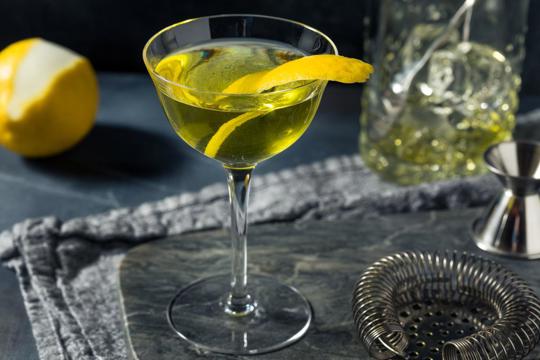
Benedictine and Chartreuse are two famous liqueurs.
Both have a long history, with mysterious recipes passed down through the ages.
They are well-known for their complex flavor, combining herbs and spices in harmony.
Both are also often drunk as digestifs, to aid digestion after dinner.
However, they have their own special recipes and production processes, creating different flavors and smells.
Benedictine has a sweet taste with honey and citrus notes, while Chartreuse is herbal and flowery - for a milder take try Yellow Chartreuse swap suggestions that soften the herbal edge.
To understand the skill behind these drinks, one must try both.
Distinct Characteristics of Benedictine and Chartreuse
Benedictine and Chartreuse: two famous liqueurs, each with its own unique appeal.
Benedictine has a 16th century history, Chartreuse tracing back to the 18th century.
Both have captivating stories.
Benedictine is crafted using 27 herbs and spices, resulting in a complex aroma.
Chartreuse stands out with its use of over 100 natural ingredients, creating a distinct herbal-sweet flavor.
Benedictine has a balance of sweetness and herbal notes, with hints of citrus.
Chartreuse has bold, intense flavor, with strong herbal undertones and subtle honeyed sweetness.
Both have dedicated fans, with differing qualities that set them apart.
Frequently Asked Questions
The main difference between Benedictine and Chartreuse is in the ingredients used. They share some similarities but each has qualities that make it better suited for certain recipes.
Sometimes. Benedictine works where Chartreuse is called for in certain dishes, but not all.
Check whether the recipe relies on a specific quality before substituting.
Cold preparations like salads and dressings often favor the option with a sharper, more defined flavor. Heat can mellow both, so the distinction matters more in uncooked dishes.
Do professional cooks prefer one over the other?
Professional preference depends heavily on the dish and cuisine style.
Each has its context where it outperforms the other, so most experienced cooks keep both on hand.
For gentler herbal notes, Yellow Chartreuse substitute options outlines milder swaps. For brighter, more pronounced alternatives, Green Chartreuse substitute ideas lists top replacements that preserve vivid herbal character.