
Summary of key points
The primary difference between Chartreuse and Absinthe is their ingredients, flavors, and historical backgrounds. Chartreuse is a French liqueur made by Carthusian monks since the 1740s, consisting of distilled alcohol aged with 130 herbal extracts.
Its taste is sweet, complex, and slightly spicy, available in green and yellow versions. Absinthe, also originating from France, is a highly alcoholic spirit made from wormwood, anise, and fennel, known for its strong anise flavor and historical associations with bohemian culture.
Absinthe is traditionally diluted with water, which turns the clear liquid into a milky opalescence, known as the "louche" effect.
Ever stood in front of the liquor aisle, scratching your head at the green bottles?
We have. It's like deciding between a superhero and their alter ego-Chartreuse versus Absinthe.
Both pack a punch, yet they're as different as night and day.
Remember the first time we tried absinthe? "Wow" is an understatement.
Chartreuse was no shy contender either, hitting us with its herbal charm.
These spirits aren't just drinks; they're experiences wrapped in glass. We're here to share our tales, the good sips and the.less good ones.
We did. And we figured it out-mostly by trial, error, and a few unforgettable nights.
What is Chartreuse?
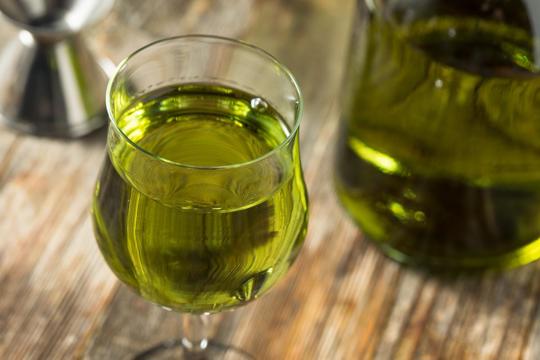
Chartreuse is a unique liquor that dates back to the 18th century.
Blended from 130 plants and herbs, it has a complex flavor and a bright green color.
First, maceration and distillation of the plants and herbs.
Then, aging in oak barrels for several years.
The aging period depends on the Chartreuse type - either green or yellow.
Green Chartreuse is stronger, with higher alcohol content.
Perfect for sipping or mixing into cocktails.
Yellow Chartreuse is milder and sweeter, used as a digestif or for improving desserts.
The Carthusian monks are responsible for developing and perfecting the Chartreuse recipe.
They still oversee the production process from their monastery in Voiron, France.
Because Yellow Chartreuse works well with sweet and citrus notes, consult lemon dessert pairing ideas for complementary flavors.
What is Absinthe?
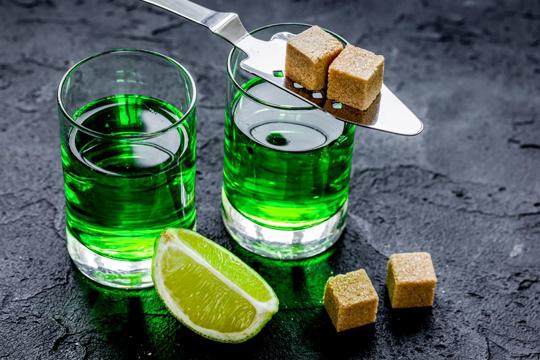
Absinthe is legendary. It captivates minds with its mysterious aura.
It's not just a drink - it's an experience that combines the senses.
This green elixir is traced back to 18th-century Switzerland.
It's well-known for its unique taste and rituals.
Crafted with wormwood, anise, and fennel, absinthe has an intense flavor.
Its herbal notes are mixed with a hint of sweetness.
There's a subtle bitterness that lingers on the palate.
It inspires writers, artists, and bohemians.
It's often called the "Green Fairy" due to its connection with creativity and enlightenment.
Famous people like Hemingway and van Gogh sought inspiration from this emerald elixir.
Absinthe has a bright green hue.
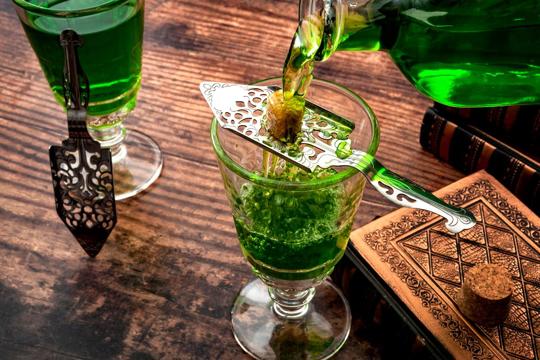
It's served in traditional glasses, adorned with slotted spoons and sugar cubes.
This ritualistic preparation enhances the drinking experience.
The myths around thujone content and hallucinogenic effects have been debunked.
Today's absinthe follows strict regulations, making sure it's safe to consume.
For casual snack pairings that stand up to bold herbaceous spirits, consider guacamole pairing suggestions to match strong flavors.
Differences Between Chartreuse and Absinthe
Chartreuse and absinthe are two herb-based alcoholic beverages with distinct differences - and for a closer look at a related spirit comparison, see Benedictine vs Chartreuse comparison.
Origin and History
Chartreuse and Absinthe are two iconic liqueurs with fascinating histories.
Both originate in the 16th century, yet have distinct journeys.
Chartreuse was first crafted by Carthusian monks in a French monastery.
The secret recipe was known only to a few.
The liqueur's name comes from the order of monks who guarded it.
Absinthe became popular in Europe during the late 18th century.
It was referred to as "la fée verte" or "the green fairy".
Controversy surrounded this elixir due to its high alcohol content and alleged hallucinogenic properties.
Bohemian artists and writers were drawn to its mystique.
Absinthe faced scrutiny and was banned in many countries due to health concerns related to thujone, a compound found in wormwood.
Despite their diverging paths, both liqueurs survived and made remarkable comebacks.
Today, people savor Chartreuse and Absinthe for their unique flavors and enigmatic histories.
They shape the ever-evolving field of mixology.
Ingredients Used
Chartreuse and absinthe are two distinct drinks. They both have herbs, but the ingredients vary.
Chartreuse is made with a secret recipe. It has 130 plants and flowers in it.
It has a complex flavor with sweet, spicy, and herbal notes.
Absinthe has anise, fennel, and wormwood.
This gives it a licorice-like taste, plus a subtle bitterness.
Even though both are liqueurs, their ingredients make them unique in flavor and aroma.
Flavor and Taste
Chartreuse and Absinthe are distinct. Chartreuse is sweet and bitter.
Absinthe? Anise flavor that lingers.
Made by monks since the 18th century, Chartreuse is a complex blend of 130 herbs and spices.
Sweet and bitter combine for a versatile cocktail - similar to how concentrates affect profiles, read extract vs flavor comparison to unpack those differences.
Absinthe? Switzerland gave it to us. Popular in France in the 19th century.
Strong anise aroma and intense licorice-like taste. Wormwood gives it bitterness.
'The green fairy' captivates with bold flavors.
Best enjoyed with water and sugar, or Sazerac.
Chartreuse is sweet and bitter.
Absinthe? Rich anise experience with bitterness.
Your choice depends on personal preference.
What kind of drink do you wish to indulge in?
Production Process
Chartreuse and absinthe have distinct production processes that give them their unique characteristics.
To craft chartreuse, 130 herbs are steeped in alcohol and aged in oak barrels.
This process gives the bright green liqueur its complex herbal flavors.
To make absinthe, a mixture of herbs, including wormwood, anise, and fennel, is macerated in high-proof alcohol.
This is then distilled to create a concentrated spirit.
Water is added to dilute it, and additional botanicals may be added for more flavor.
The maturation processes of these two spirits are different.
Chartreuse ages in oak barrels for years, while absinthe is usually bottled after production or allowed to rest briefly.
The ingredients in chartreuse and absinthe also differ.
Chartreuse has many botanicals blended together for a rich flavor.
Absinthe relies only on three herbs - wormwood, anise, and fennel - for its licorice-like taste.
Chartreuse and absinthe have distinct production processes and ingredient combinations, resulting in their unique flavors.
Chartreuse steeps many herbs and ages in oak barrels, while absinthe is distilled and diluted with water after macerating only a few herbs.
Similarities Between Chartreuse and Absinthe
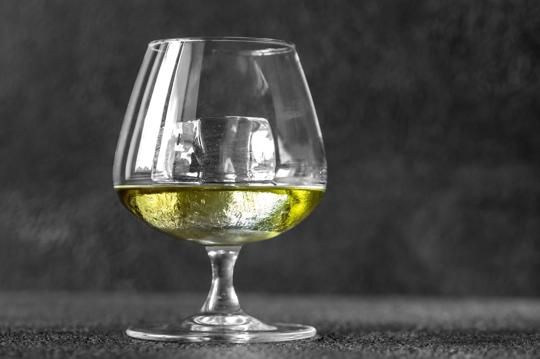
Chartreuse and absinthe may appear alike, but they possess individual qualities that distinguish them.
Both are alcoholic drinks from Europe, well-known for their bright green color and detailed flavor.
Herbs and botanicals form a shared component of both chartreuse and absinthe.
Chartreuse is brewed with 130 secret herbs, while absinthe generally includes anise, fennel and wormwood - if a recipe calls specifically for Chartreuse, Green Chartreuse substitutes list suggests suitable swaps.
History has played a big part in these beverages.
Chartreuse has a long saga, beginning in the 16th century when it was created by Carthusian monks.
Also, absinthe became fashionable in the late 19th century, particularly in France and other European countries.
In spite of similarities, chartreuse and absinthe have some distinct features.
Production is one way they differentiate.
Chartreuse is distilled from a neutral alcohol base, while absinthe is usually macerated or infused with its botanicals before being distilled.
Also, absinthe has a higher alcoholic content compared to chartreuse.
Absinthe is usually 45-74% ABV, while chartreuse is at 55% ABV.
Also, there are different methods of consuming these drinks.
Typically, absinthe is drunk by laying a sugar cube on an absinthe spoon above a neat glass of absinthe.
Ice-cold water is then poured over the sugar cube to weaken the drink and release its aromatics.
Chartreuse, on the other hand, can be taken straight or included as an ingredient in cocktails.
How to Enjoy Chartreuse and Absinthe
To truly savor Chartreuse and Absinthe, keep these five steps in mind:
- Start with the right glass. Choose a traditional tulip-shaped glass to concentrate the aromas and maximize your experience.
- Measure and pour your preferred spirit into the glass. Enjoy it neat or diluted to your liking.
- Gradually add chilled water to release the herbs' essences. Watch for the louche effect when pouring - that's how you know you got the perfect dilution.
- Appreciate their bright hues - from emerald green to amber. This adds some enchantment to your experience.
- Take it slow and savor each sip. Discover the complex flavors of Chartreuse or the anise-forward notes of Absinthe.
These spirits have deep-rooted histories and their own fascinating stories.
Chartreuse was passed down by Carthusian monks for centuries, while Absinthe earned its reputation as "The Green Fairy" from its rumored psychoactive properties.
By following these steps and immersing yourself in their captivating tales, you can unlock the full potential of Chartreuse and Absinthe.
If a cocktail or dessert benefits from a milder profile, consult Yellow Chartreuse substitute ideas for suitable alternatives.
Flavor Notes in Chartreuse vs Absinthe
Ultimately, making a clear distinction between Chartreuse and Absinthe can be tough.
Both drinks are rich in herbal flavor, have an intense alcohol concentration, use a secret formula, and represent European production techniques, culture, and history.
Whether one prefers the herbal aroma and strongness of Chartreuse or the subtle lemon flavor of Absinthe is ultimately up to you.
Yet it's been determined that both beverages are far from one-dimensional - they can appeal to a wide variety of palates.
Experiencing each different taste may prove to be an enlightening exercise.
All told, regardless if it's Chartreuse or Absinthe - it surely won't disappoint.
Explore deeper tasting notes with absinthe flavor exploration, and compare alternative options via green Chartreuse substitute options.
Frequently Asked Questions
The primary difference between Chartreuse and Absinthe is their ingredients, flavors, and historical backgrounds. They share some similarities but each has qualities that make it better suited for certain recipes.
In many recipes, yes. Chartreuse and Absinthe fill similar roles, though each brings its own character.
Try a small test batch before committing to a full swap.
Availability varies by region. One is usually a standard grocery store item while the other may require a specialty or international market depending on where you live.
Can a beginner tell the difference by taste?
In a side-by-side tasting, yes.
The difference becomes less obvious when mixed into a recipe with other ingredients.
Most people notice the distinction more clearly on its own.