
Ever faced the kitchen shelf dilemma, skillet in each hand, wondering which one to choose for your epic meal prep? Wrought iron and cast iron skillets.
They may look tough and similar, right?
We've all been there. You, me, and everyone else who's ever decided to whip up a storm in the kitchen.
Our saga with these pans is real.
One's a heavyweight champ; the other, a lean, mean cooking machine. One gives your arm a workout, and both promise to turn up the heat on your culinary skills.
By now, we're curious. What makes them tick differently?
This isn't just about tossing veggies or searing steak. It's the tale of two metals.
Grab your oven mitts. We're digging in.
What is Wrought Iron Skillet?
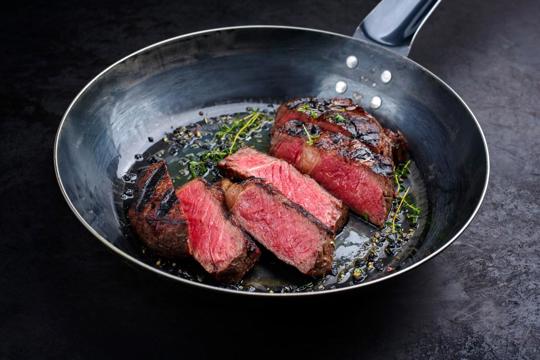
Wrought iron skillets are cooking pans made from wrought iron.
They are well-known for their strength and heat-retaining properties, making them perfect for cooking.
Plus, their composition ensures even heat distribution.
The crafting of a wrought iron skillet is a work of art.
Expert artisans shape the iron into a skillet using traditional blacksmithing methods.
This provides a beautiful cooking utensil that is functional and elegant.
Wrought iron skillets are also known for their long lifespan.
With proper care, these skillets can be treasured family heirlooms.
A wrought iron skillet is more than just a kitchen tool; it's a work of art that boosts your cooking experience.
Its durability, heat retention capabilities, and smooth non-stick surface make it essential in every kitchen.
So why settle for less when you can have a timeless, functional wrought iron skillet?
For a look at two popular cuts often used for quick skillet sears, see flat vs flank steak comparison for skillet cooking.
What is Cast Iron?

Cast iron cookware is centuries old and famous for its great heat retention and even distribution.
It's made from melted iron plus carbon, giving it special properties.
Cast iron is known for its strength and heat-resistance, making it perfect for frying, baking, or searing.
Its rough surface creates a non-stick coating with time, good for cooking sensitive foods like eggs or pancakes without much oil or butter - see cast iron vs non-stick comparison for care and use.
To stay rust-free, cast iron needs care and regular seasoning.
It can last for generations.
Differences Between Wrought Iron Skillet and Cast Iron
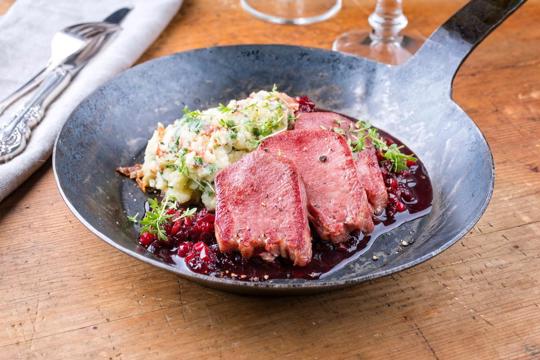
Wrought iron skillet and cast iron may seem similar.
But, there are subtle differences between them.
Wrought iron is known for its malleability and durability.
It's great for detailed designs.
Cast iron is well-known for its heat retention and even cooking - compare that to flat metal cooking surfaces in a comal vs cast iron skillet comparison for high-heat uses.
Both materials are durable, but each has unique properties for different cooking needs.
1 - Manufacturing Process
Manufacturing Process:
Cast iron and wrought iron skillets have different manufacturing processes.
Cast iron is made by melting iron and pouring it into a mold.
Then it cools and solidifies.
Wrought iron is formed by heating and hammering malleable iron.
Each type of skillet is made differently.
Cast iron is simply cast.
But, skilled blacksmiths craft wrought iron skillets by manipulating the metal through heat and hammering.
To understand the difference between cast iron and wrought iron skillets, you need to know the manufacturing process.
The casting process makes cast iron strong.
The labor-intensive forging technique used to make wrought iron results in its durability and flexibility.
2 - Composition and Properties
Wrought iron skillets contain more carbon, making them more durable and heat-resistant.
Cast iron has less carbon, but silicon for excellent heat retention.
This difference in composition results in distinct properties.
For instance, wrought iron has a smoother finish and is less prone to sticking.
It heats up quickly and evenly.
Cast iron is more likely to stick, but it maintains a steady temperature.
Both types of skillets are great at heat distribution due to their iron composition.
Food cooks evenly without hot spots or cold areas.
They also have high thermal conductivity for quick adjustments in temperature.
Understand the composition and properties of both types of skillets before making a decision.
Knowing the variation in carbon content and elements will help you choose the right cookware for your kitchen.
You can find the right quality and functionality for your cooking needs and preferences.
3 - Weight and Heat Distribution
Wrought iron skillets are usually lighter than cast iron.
So, they are easier to handle and move around in the kitchen.
Both types of skillets evenly spread heat across the cooking surface.
However, cast iron has a slight edge when it comes to heat retention and radiation.
These details help you decide which type of skillet is best for your culinary needs.
4 - Maintenance and Seasoning
Maintenance and seasoning are essential for both wrought iron skillets and cast iron pans.
Regular upkeep will help keep them in excellent condition and prolong their life.
After every use, it is essential to clean them properly.
Avoid using soap or abrasive cleaners; they can strip away the seasoning.
Instead, rinse with hot water and scrub lightly with a brush or sponge.
Dry it completely to stop rusting.
Seasoning is the process of making a non-stick surface on the skillet - learn how this differs from flavor rubs in rub vs seasoning differences for cookware and flavor.
Do this by covering the pan in a thin layer of oil or fat, and heating it until it smokes.
Repeat this several times to create a good seasoning.
Cast iron pans have the special ability to evenly retain heat.
This makes them great for tasks such as searing meat or frying foods.
Wrought iron skillets are similar, but may need different maintenance techniques.
Similarities Between Wrought Iron Skillet and Cast Iron
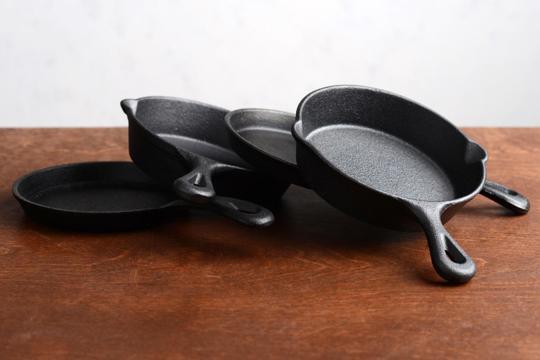
Wrought iron and cast iron skillets may look similar, but they are truly distinct.
Both are reliable and long-lasting cooking options that can take high heat.
They also require the same care, such as proper seasoning and hand washing.
Yet, there are unique features to consider.
Wrought iron skillets are made from flexible iron that has been repeatedly heated.
This makes them tougher, yet not as brittle as cast iron skillets.
On the other hand, cast iron skillets are created by pouring molten iron into molds.
This forms a more rigid and strong structure.
Another difference is the finish of the cooking surface.
Wrought iron skillets have smoother surfaces, so food releases easily and sticks less.
Cast iron skillets start rougher, but become more non-stick as the seasoning builds up.
Finally, weight is another factor.
Wrought iron skillets tend to be lighter than cast iron ones.
This makes them simpler to move around, which is especially useful for those who prefer more delicate movements while cooking.
For alternative high-heat surfaces that also deliver crisp crusts, see pizza stone vs cast iron comparison for baking results.
Pros and Cons of Wrought Iron Skillet and Cast Iron
Wrought iron skillets and cast iron pans are both popular cooking picks.
Each has their own perks, making them distinct.
They both have a rep for being strong and evenly heating.
Wrought iron skillets, however, are usually lighter and quickly respond to temperature changes.
This makes them great for exact cooking like sautéing or stir-frying.
Cast iron pans are the pros at keeping heat longer.
They're great for slow-cooking dishes or searing meats at high temps.
Plus, their seasoning process creates a non-stick surface that gets better with use.
Wrought iron skillets stand out because of their versatility.
They're lighter, easier to move around the kitchen, and work on various heat sources, including induction cooktops.
Cast iron pans take more care and seasoning to stay non-stick and rust-free.
They're not suitable for induction cooktops unless designed for it.
It all comes down to personal cooking preferences and needs.
Whether you want responsiveness or heat retention, both options can make yummy meals.
If weight and handling matter in the kitchen, compare material choices like a tortilla press wood vs cast iron comparison for weight and use.
1 - Wrought Iron Skillet
The Wrought Iron Skillet is special.
It's not like other cooking utensils -
- Durability: Hand-forging is used in its making, meaning it's strong and can take high heat and heavy use.
- Heat Distribution: This skillet distributes heat evenly, no hotspots. Your food will cook perfectly.
- Efficiency: The skillet retains heat well, which saves energy and produces great results.
- Versatility: From steaks to baking, it can do it all - and even move from stovetop to oven.
Plus, it develops a non-stick surface with use, so it's a great pick for healthy cooking.
And it's comfy to use, with an ergonomic handle.
Versatility: From steaks to baking, it can do it all - and even move from stovetop to oven - for how skillet-seared steaks compare to grilled ones, see grill vs cast iron steak comparison for flavor.
2 - Cast Iron
Cast iron cookware has been around for centuries.
It's made by melting iron, pouring it into molds and giving it shape.
This process creates a durable material with great heat retention.
Cast iron distributes heat evenly.
Perfect for searing steaks or baking cornbread.
Its thick walls also help retain heat, so food cooks consistently.
Plus, you can use cast iron on stovetops or in ovens.
Fry, sauté, roast or bake - it can handle it all.
But remember: to keep it in good condition, never wash it with soap or soak it in water.
Use a hot water and brush to clean it instead.
Dry it properly after washing - this prevents rust.
For a look at appliances versus cast metal cooking surfaces, read waffle maker vs waffle iron comparison for batter-based cooking.
How to Choose Between a Wrought Iron Skillet and Cast Iron?
Deciding between a wrought iron or cast iron skillet can be tricky.
Each has their own unique qualities that make them desirable in the kitchen.
Here are a few factors to consider:
- What will the skillet be used for? If fish or eggs are on the menu, then a wrought iron skillet is ideal. It has excellent heat distribution and retention properties, perfect for even cooking.
- But, if you prefer to sear meats or bake cornbread, a cast iron skillet is best. It is known for its even heat distribution, great for achieving the perfect caramelization on steaks and crispy edges on cornbread.
- Maintenance is also important. Wrought iron needs regular seasoning to keep its non-stick surface and prevent rusting. But, cast iron is naturally non-stick and only needs occasional re-seasoning.
- Lastly, think about your personal preferences when it comes to weight and handling. Wrought iron skillets tend to be lighter, making them easier to maneuver. Cast iron skillets are sturdier and heavier, but some people prefer this feeling of durability.
Tips for Using and Caring for Wrought Iron Skillet and Cast Iron
Wrought iron skillets and cast iron need extra attention.
Here's how to look after them:
- Oil up your skillet often, to get a natural non-stick surface.
- Before cooking, preheat the skillet.
- Don't use metal utensils - use wooden or silicone instead.
- Clean with hot water and a stiff brush. No soaking.
- Dry the skillet thoroughly afterwards, to avoid rusting.
Store in a dry place, for long-term protection.
Notice the differences between wrought iron and cast iron.
Wrought iron skillets have smoother surfaces and heat faster.
Whereas cast iron retains heat better. Keep this in mind when cooking.
For tasty meals and lasting cookware, just follow these tips.
Cooking Benefits: Wrought Iron vs Cast Iron Skillets
After considering both types of skillets, it's easy to see why cast iron is the preferred choice.
The surface of a cast iron skillet is incredibly hard and non-porous, making it ideal for retaining and distributing heat evenly, as well as preventing food from sticking to the surface.
Also, cast iron requires minimal maintenance because of its properties - such as its natural non-stick properties - and because it is pre-seasoned with vegetable oil.
However, wrought iron may be more favorable given its lighter weight and the fact that it can be heated up more quickly than cast iron.
Explore differences in pan design and use with grill pan vs skillet comparison for searing and marks and compare shapes and cooking styles in a French skillet vs fry pan comparison for technique.
Frequently Asked Questions
What makes them tick differently? They share some similarities but each has qualities that make it better suited for certain recipes.
Consider what result you are after. Wrought Iron Skillet and Cast Iron each have strengths that suit different situations.
Neither is universally better - context decides.
Pricing varies by brand and region, but one is typically more accessible at everyday price points. The other may cost more due to specialization or limited supply.
Is there a best time to use each one?
One shines in applications requiring subtlety and background support.
The other is better when it is meant to be a center.
Matching the right one to its role makes a noticeable difference.