
Ever stared at a menu, puzzled by the choice between blackened and grilled fish? We've all been there.
Blackening fish involves coating it in a mix of spices and searing it in a super-hot pan. Grilling, on the other hand, is cooking it over direct heat.
I once burned my grilled fish to a crisp, thinking I'd "blackened" it. Spoiler: not the same thing.
Each method gives the fish a distinct taste and texture. Blackened fish gets a spicy, crispy crust.
Grilled fish shows its natural flavors, with a slight smokiness.
Next time you're facing this dilemma, remember our blunder. Happy eating!
What is Blackened Fish?
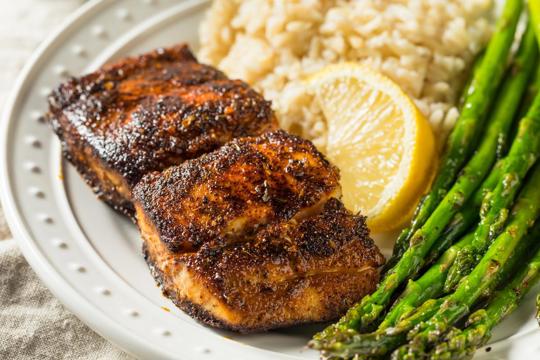
Blackened fish is a unique cooking technique.
A special spice blend is used to season the fish before searing it in a hot cast-iron skillet.
This creates a flavorful crust on the outside, while keeping the inside tender and moist.
The spice mix includes paprika, cayenne pepper, garlic powder and thyme.
This gives the fish its characteristic black appearance.
To begin, the skillet is preheated until it's smoking hot.
Then the fish is added and seared for a short time on each side.
This locks in the moisture and gives the fish a smoky flavor.
Blackening uses intense heat from the skillet and not open flame or grill grate, like grilling.
This results in a unique combination of flavors that can't be replicated using other cooking methods.
Blackened fish is very versatile.
You can use salmon, catfish, tilapia or red snapper.
And the spices can be adjusted according to personal preference, making it suitable for different palates.
Overall, blackened fish is an interesting alternative to the traditional grilled dishes.
Its bold flavors and attractive appearance make it an appealing choice for seafood lovers who appreciate culinary creativity.
What is Grilled Fish?
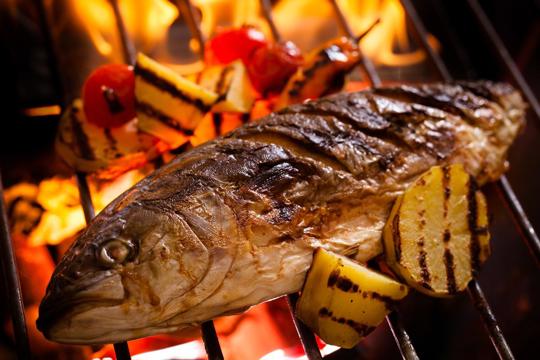
Grilled fish is a delicious meal.
Cooked with direct heat, usually on a grill or BBQ.
Place the fish directly on the grates at high temperatures for smoky flavor and a charred outside.
This method enhances natural flavor and creates a crispy texture.
For perfect grilled fish, choose a type that holds up well on the grill, like salmon, halibut, or swordfish.
Marinate or add herbs, spices, or sauces for extra flavor.
Oil lightly to prevent sticking and ensure even cooking.
Grilled fish is healthy - it needs minimal added fats or oils.
High heat seals in moisture and creates beautiful grill marks.
Plus, grilling allows for customization with different flavors and marinades.
Grilled fish is a yummy way to bring out the natural flavors.
Select the right fish and seasonings for a versatile, healthy dish.
For a contrasting take on a similarly named sandwich debate, see cheese toastie vs grilled cheese comparison for how slight technique changes alter results.
Differences Between Blackened Fish and Grilled Fish
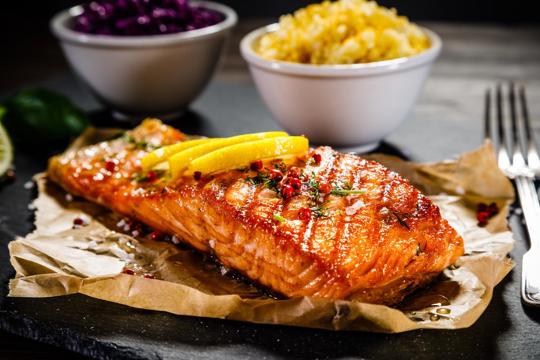
Blackened fish and grilled fish look similar, but have distinct differences.
Blackened fish has a blend of spices for a flavorful crust.
Grilled fish is cooked over an open flame.
These methods create unique textures and flavours.
To see how cooking method shifts transform proteins, compare baked vs grilled chicken comparison for a similar look at texture and flavor changes.
Cooking Technique
Fish can be cooked many ways.
Two popular ones are blackening and grilling.
These techniques offer different flavors and textures.
Blackening has the fish seasoned with herbs and spices.
Then, it's seared in a hot skillet or grill pan.
This creates a tasty crust while keeping the middle moist and tender.
Grilling means cooking the fish over an open flame or on a grill grate.
This results in a smoky flavor with a slightly charred outside.
Both methods make delicious food.
So, if you want bold and spicy or a subtly grilled taste, blackened and grilled fish are worth trying.
If using liquids in marinades or pan sauces, learn how they differ in acidity and flavor at white cooking wine vs white wine vinegar comparison.
Seasonings and Flavorings
Seasonings and flavorings are key for distinguishing blackened from grilled fish.
Both give different tastes that suit various preferences.
Spices and herbs make blackened fish smoky and juicy, while grilled fish has a more natural, charred flavor.
The seasonings not only influence the taste, but also make the dining experience more interesting.
For blackened fish, Cajun-style spices work great.
Grilled fish can be marinated for a simple flavor.
Seasonings bring out unique tastes that please lots of people.
Texture and Appearance
Texture and appearance are essential in telling blackened fish apart from grilled fish.
Both methods offer distinct experiences that can strongly affect your dining experience.
Blackened fish is known for its dark, flavor-filled crust and smoky aroma.
This cooking technique uses high heat to create a charred outside and preserve the juicy flesh inside.
You get a special texture contrast between the crunchy exterior and the soft interior.
It looks very impressive, with its burnt surface contrasting the bright colors of the fish.
Grilled fish has a more delicate texture and appearance.
Grilling gives off a faint smokiness that doesn't overpower the natural taste.
The gentle heat cooks the fish evenly, keeping it moist and tender.
When you bite into it, you get a slightly firm yet tender texture that's pleasing for your palate and senses.
It's also got grill marks, from being cooked over an open flame or on a grill pan.
In addition to the main differences in texture and appearance, there are nuances to explore.
For example, blackened fish usually has bolder flavors due to the seasoning or spices.
Meanwhile, grilled fish can be enjoyed with various marinades or sauces to add more flavor.
Venturing into these small variations can improve your cooking experiences.
Similarities Between Blackened Fish and Grilled Fish
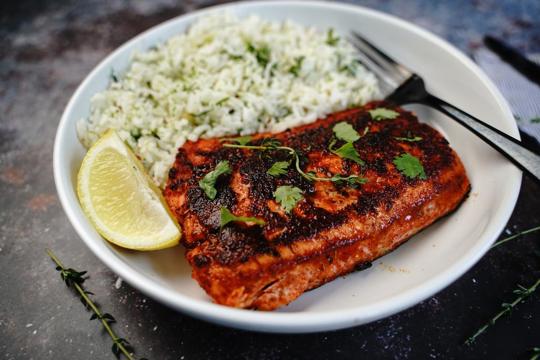
Blackened and grilled fish share some traits.
Cooking them over direct heat creates a flavourful meal.
The natural taste of the fish comes through, plus a smoky flavour that's enjoyed by many.
Both blackened and grilled fish use high heat.
This helps to keep the moisture in and make a crispy exterior.
Choose either and you'll get tenderness and smokiness.
These methods are versatile when it comes to seasoning.
Blackening uses spices like paprika, cayenne, garlic powder, and thyme.
Grilling offers marinades and seasonings.
You can customise the flavour to your tastes.
Plus, both are healthy choices.
With no excess oil or butter, there's less fat and calories.
Omega-3 fatty acids in fish provide health benefits too.
For another protein-focused comparison of high-heat techniques, see grilled vs fried chicken comparison to understand how method affects texture and moisture.
Best Types of Fish for Blackening and Grilling
There is a perfect fish for everyone.
Popular choices are salmon, trout, tilapia, mahi-mahi, and swordfish.
These fish have a firm texture that withstands the heat.
Plus, they each offer unique taste profiles.
You can find them at most seafood markets.
Enjoy the rich, fatty flavor of salmon or the mild sweetness of tilapia.
Experiment with a diverse range of flavors.
To explore another high-heat approach, read broiling vs grilling comparison guide to pick the best method for each fish type.
Tips for Achieving the Best Results with Blackened Fish and Grilled Fish
For the best blackened and grilled fish, there are several essential tips and techniques:
- Pick fresh, high-quality fish like salmon, swordfish, or mahi-mahi.
- Create a flavorful spice blend for blackening, and marinades work great for grilling.
- When cooking, maintain a high heat level.
- Ensure precise timing; overcooking can dry out the fish, and undercooking can leave it raw.
- Experiment with different flavors and ingredients to further improve your cooking experience.
With these tips, you'll be able to make delicious dishes with perfect taste and texture.
Technique matters across dishes - for an example of small technique tweaks changing results, see grilled cheese vs melt cheese comparison.
Health Considerations and Nutritional Value
There are health implications and nourishment to consider.
Grilled fish is a favorite for those interested in health, as it has less fat and fewer calories.
The high heat helps keep the natural flavor, plus adds a smoky aroma.
Blackened fish is bold and flavorful due to the spices and searing in a hot skillet - but, usually contains more fat due to butter or oil.
Nutritionally, both are great sources of protein and omega-3 fatty acids, which are essential for good health, brain function, and reducing inflammation.
Grilled fish's nutrients are retained better, but blackened fish still provides many benefits with a balanced diet.
Plus, both methods offer different experiences.
Grilled fish is juicy and tender with charred flavor.
Blackened fish has a crispy coating with moist interior, and an array of flavors.
Ultimately, choosing between these two depends on personal preference, diet, and desired cooking experience.
If seeking savory, dairy-free seasonings, read about flavor profiles at nutritional yeast taste guide to see how it complements fish dishes.
Cooking Methods: Blackened vs Grilled Fish
Despite having some similarities, grilling and blackening are two distinctly different methods for cooking fish.
Grilling involves cooking the fish directly over a high heat for a short period of time while blackening involves coating the fish with seasonings, placing it in a hot cast-iron pan, and then cooking until the coating is seared onto to the surface.
Both methods result in delicious flavors that can bring any dish to life.
Whether you use one or the other may depend on what type of fish you choose and your own personal taste preferences.
Ultimately, however, by experimenting with both blackened and grilled fish recipes you can discover what style works best for you.
So start honing in on your culinary skills today and give your meals a little extra flair.
For simple swaps when a recipe calls for sole, see Fishy Business: sole substitutes list. For a different seafood texture and taste, read reveal the flavor: fish cake taste guide.
Frequently Asked Questions
Each method gives the fish a distinct taste and texture. They share some similarities but each has qualities that make it better suited for certain recipes.
Beginners often find Blackened more forgiving. Grilled Fish requires a bit more attention but rewards you with distinctive results once you get the hang of it.
Shelf life differs based on processing and packaging. One often keeps longer unopened, while the other may need refrigeration or faster use after opening.
One tends to perform more consistently across a range of cooking methods, making it the safer choice when experimenting. The other delivers stronger results in specific applications.