
Good replacements for Swiss Chard include Mustard Greens, Mature Spinach, Collard Greens, Rhubarb, and Beet Greens.
Mustard Greens is the closest match - it has a similar flavor and works at a 1:1 ratio in most recipes.
For cooking, Mature Spinach also works well - adjust the amount to taste since it may be slightly stronger or milder.
Finding a good substitute for Swiss chard isn't always straightforward.
Spinach often comes to mind first; it's like Swiss chard's more available cousin and slides right into most recipes.
Kale's another great option, giving dishes that hearty texture with a nutrient-packed punch.
And don't overlook beet greens - they're not just for the compost bin; they bring a similar flavor and color to the table.
Using these alternatives can actually add a twist to your meals, making dinner time anything but boring.
It's all about getting creative and not letting a missing ingredient throw you off your game.
Trust us, with these substitutes, your dish might just taste better than the original.
5 Swiss Chard Alternatives for Cooking
Swiss chard is a leafy green vegetable known for its bright colors and nutritional value.
However, if you're looking for substitutes or want to try different options, there are several alternatives available.
Here is a closer look at each option:
| Substitute | Key Characteristics | Proper Ratio |
|---|---|---|
| Mustard Greens | Peppery and bold flavor; tender and slightly crispy texture; dark green leaves | Use an equal amount of mustard greens as a substitute for Swiss chard |
| Mature Spinach | Mild and slightly bitter flavor; tender and smooth texture; bright green leaves | Use an equal amount of mature spinach as a substitute for Swiss chard |
| Collard Greens | Earthy and slightly bitter flavor; firm and chewy texture; large, dark green leaves | Use an equal amount of collard greens as a substitute for Swiss chard |
| Rhubarb | Tart and tangy flavor; crisp and fibrous texture; red or green stalks | Use an equal amount of rhubarb stalks as a substitute for Swiss chard stems |
| Beet Greens | Earthy and slightly sweet flavor; tender and leafy texture; bright green leaves | Use an equal amount of beet greens as a substitute for Swiss chard leaves |
1. Mustard Greens
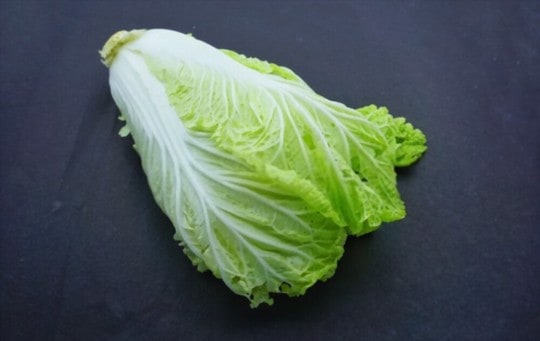
For many people, the word "mustard" conjures up hot dogs and yellow stains images.
Mustard greens are a type of leafy green vegetable that is often used in Asian cuisine.
The leaves are typically dark green and have a spicy, peppery flavor.
Mustard greens can be eaten raw or cooked, and they are a good source of vitamins A, C, and K.
When substituting mustard greens for Swiss chard, it is important to remember that the flavor will be quite different.
Mustard greens are much more aromatic and spicy than Swiss chard, so you may want to use less of them in a recipe.
Also, the texture of mustard greens is slightly tougher than Swiss chard, so they may not be suitable for all dishes.
- Key Characteristics: Mustard greens offer a peppery and bold flavor with tender and slightly crispy texture. They have dark green leaves, similar to Swiss chard.
- Proper Ratio: Use an equal amount of mustard greens as a substitute for Swiss chard. Adjust the quantity based on personal preference and desired taste.
2. Mature Spinach
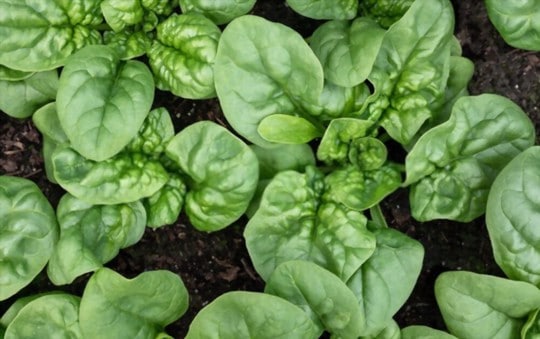
Mature spinach is one of the most versatile leafy greens you can grow in your garden.
Whether you want to use it in salads, sauté it as a side dish, or add it to smoothies and soups, mature spinach is a delicious and nutritious option.
But what exactly is mature spinach, and how do you know when it's ready to harvest?
The spinach is simply spinach that has reached its full growth potential.
Depending on the variety of spinach you're growing, this can take 40 to 60 days.
Once your spinach reaches maturity, it will have deep green leaves and a thick stalk.
Mature spinach is slightly more bitter than young spinach when it comes to flavor.
But the bitterness disappears when you cook it.
So if you're looking to add some flavor to your dishes or substitute for Swiss chard, mature spinach is a great option.
- Key Characteristics: Mature spinach has a mild and slightly bitter flavor with a tender and smooth texture. Its bright green leaves make it a suitable substitute for Swiss chard in various dishes.
- Proper Ratio: Use an equal amount of mature spinach as a substitute for Swiss chard. Consider adjusting the cooking time, as spinach may require less cooking compared to Swiss chard.
3. Collard Greens
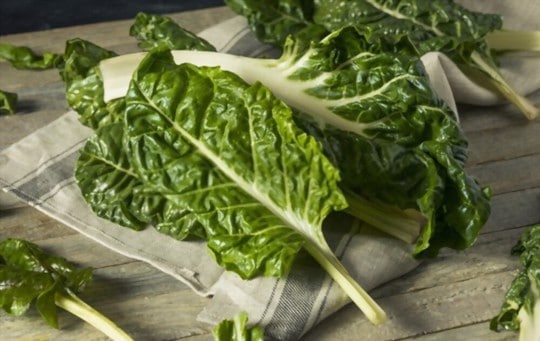
Any Southerner will tell you that collard greens are a staple of the traditional Southern diet.
These hearty greens are packed with nutrients, and they can be eaten cooked or raw.
Collard greens are especially popular in the winter months when they provide a welcome counter to the heavy stews and casseroles' common comfort foods.
While collard greens are traditionally served with vinegar or bacon, they can also be enjoyed with various other toppings, such as hot sauce or diced onion.
They have a slightly bitter flavor that some people find to be more palatable than the bitterness of Swiss chard.
When cooked, collard greens will retain their green color, unlike Swiss chard, which will turn red or orange.
Collard greens can be substituted for Swiss chard in most recipes, although you may want to add a bit more of another green vegetable to balance out the bitterness.
If you are serving collard greens as a side dish, consider pairing them with sweet fruit or vegetable, such as apples or carrots, to offset the bitterness.
- Key Characteristics: Collard greens have an earthy and slightly bitter flavor with a firm and chewy texture. They are known for their large, dark green leaves and can be used as a substitute for Swiss chard in cooked dishes.
- Proper Ratio: Use an equal amount of collard greens as a substitute for Swiss chard. Keep in mind that collard greens may require longer cooking times to soften.
4. Rhubarb
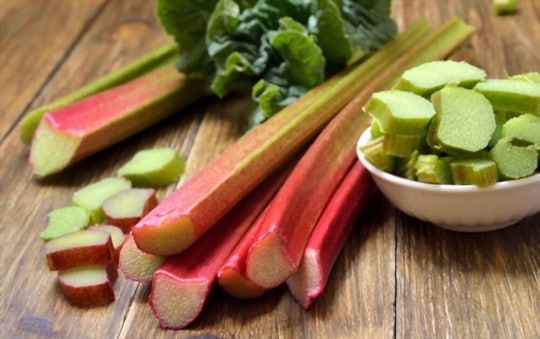
Rhubarb is a funny-looking vegetable that is often mistaken for a fruit.
It has long, green stalks and large, triangular leaves.
The stalks are the only part of the edible plant, and they have a tart, tangy flavor.
Rhubarb is most commonly used in pies and jams, but it can also be used in savory dishes.
When cooked, the stalks turn bright red, adding a splash of color to any dish.
There are a few things to consider when substituting rhubarb for Swiss chard.
First, the flavor is much more tart than Swiss chard, so you may want to add a sweetener if you are using it in a savory dish.
Second, the texture is quite different; rhubarb is crisp and crunchy, while Swiss chard is tender and leafy.
Most importantly, rhubarb contains oxalic acid, which can be poisonous in large quantities.
So, if you are substituting it for Swiss chard in a dish that will be cooked for a long time, make sure to use less rhubarb than you would Swiss chard.
- Key Characteristics: Rhubarb offers a tart and tangy flavor with a crisp and fibrous texture. While not a direct replacement for Swiss chard, rhubarb stalks can be used as substitutes for Swiss chard stems in certain recipes.
- Proper Ratio: Use an equal amount of rhubarb stalks as a substitute for Swiss chard stems. Note that rhubarb is tart, so adjust the other flavors in your dish accordingly.
5. Beet Greens
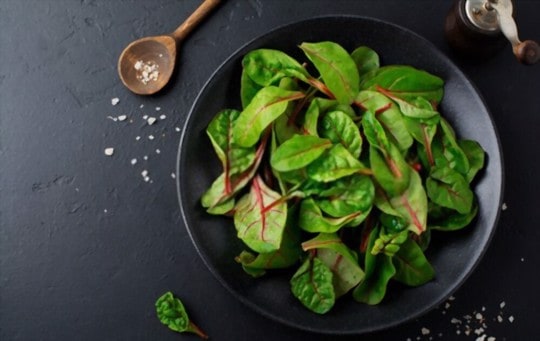
Beet greens are the leafy tops of beets that are often discarded.
However, these greens are very healthy and can be used in various dishes.
Beet greens are a good source of vitamins A, C, and K and minerals like iron and potassium.
They can be eaten raw in salads or cooked and used as a side dish.
When cooking beet greens, it is best to blanch them first to help preserve their color and nutrients.
These greens have a slightly bitter flavor, similar to Swiss chard.
They are also slightly sweet and earthy.
The texture of beet greens is similar to other leafy greens, such as spinach or kale.
These greens are more delicate than Swiss chard and can become mushy if overcooked.
If you are using beet greens in a recipe that calls for them to be sautéed, it is best to add them towards the end of cooking.
This will help ensure that they retain their texture and flavor.
- Key Characteristics: Beet greens have an earthy and slightly sweet flavor with a tender and leafy texture. They share similarities with Swiss chard, making them a viable substitute in many recipes.
- Proper Ratio: Use an equal amount of beet greens as a substitute for Swiss chard leaves. Adjust the cooking time as needed, as beet greens may require less time to wilt.
Frequently Asked Questions
Mustard Greens is the best substitute for Swiss Chard because it shares a similar flavor and texture. Use it at a 1:1 ratio in any recipe that calls for Swiss Chard.
In most cases, yes. Try Mustard Greens first since the flavor is closest.
Mature Spinach handles heat and texture differently, so test in small batches.
It can, especially with ingredients that have distinct colors or pigments. The difference is usually minor in mixed dishes but may be more visible in lighter sauces or batters.
How do you adjust seasoning when using a substitute?
Taste as you go.
Substitutes can be saltier, milder, or sweeter than the original.
Add seasoning gradually and adjust at the end rather than matching the original recipe amounts exactly.