
Summary of key points
The main difference between white mushrooms and baby bella mushrooms is their maturity level. White mushrooms are picked at an earlier stage, while baby bella mushrooms are allowed to mature and grow larger before harvesting.
This results in different textures and flavors - white mushrooms have a mild taste and a firm texture, while baby bella mushrooms have a deeper, earthier flavor with a slightly meatier texture.
White mushrooms are often used in dishes where they will be cooked, such as stir-fries or soups, while baby bella mushrooms can be enjoyed raw in salads or sautéed and served as a side dish. Both types of mushrooms are low in calories and high in nutrients, making them a healthy addition to any diet.
Mushrooms. You see them everywhere. Grocery aisles. Menus.
Yet, here we are, scratching our heads over White Mushrooms and Baby Bellas.
What's the big deal, right? They're just fungi.
Well, we decided to dig a bit deeper.
Turns out, there's more than meets the eye.
Our evenings spent in the kitchen say a lot about our curious minds.
Picking out mushrooms for that special dish.
Spoiler: It might just be the mushroom type.
Grab your forks. This is where it gets interesting.
What are White Mushrooms?

White mushrooms, also known as button mushrooms, are a popular variety that belong to the Agaricus bisporus species.
These small fungi have a mild flavor and firm texture, making them very versatile.
They're pale in color, ranging from creamy white to light brown.
These mushrooms have a round shape with a slightly domed cap and short stem.
The caps range in size from tiny buttons to larger ones, which can be sliced or stuffed.
White mushrooms are great in salads, soups, stir-fries, and pasta dishes.
They add subtle flavor that complements other ingredients.
Raw or cooked, they have a tender texture when sautéed or roasted.
Nutritionally, white mushrooms are low in calories and fat but high in essential nutrients.
They are a great source of B vitamins, minerals like selenium and potassium, and dietary fiber.
Plus, they contain antioxidants that boost the immune system and protect against cell damage from free radicals.
Copper and phosphorus also help maintain healthy bones.
To sum it up, white mushrooms are delicious and healthy.
They can be added raw or cooked to enhance any dish.
Interested in a drink to enjoy alongside mushroom dishes? White Russian vs Mudslide comparison helps pick a creamy cocktail that complements savory flavors.
What are Baby Bella Mushrooms?

Baby Bella mushrooms, otherwise known as crimini, are a one-of-a-kind type of fungi.
They come from the Agaricus bisporus species and are dark brown with a firmer texture than white mushrooms.
These mushrooms are picked earlier, giving them a milder taste than Portobello mushrooms.
Baby Bellas are used in a variety of dishes around the world.
They can be sautéed, grilled, stuffed, or put in salads raw.
Their earthy flavor makes risottos, pasta sauces, and stir-fries more delicious.
Plus, they are great for health.
They contain vitamins B and D, minerals like potassium and selenium, and antioxidants to fight oxidative stress and inflammation.
On top of that, they are a low-calorie, low-carb, cholesterol-free choice for those watching their diet.
For salads that highlight baby bellas, consider leaf choices that match their texture and flavor - arugula vs baby arugula comparison shows which green pairs best.
Physical Appearance and Characteristics of White Mushrooms and Baby Bella Mushrooms
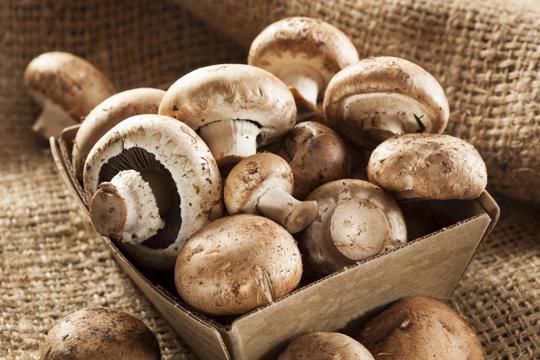
White mushrooms are known for their immaculate white caps and delicate stems.
Meanwhile, baby bella mushrooms, or cremini mushrooms, have a light brown cap with a firmer texture and a sturdier stem.
Flavor-wise, white mushrooms have a mild taste with notes of sweetness and earthiness, while baby bella mushrooms have a bolder, umami-rich flavor.
These mushrooms offer contrasting qualities and cater to different preferences.
White mushrooms are ideal for salads, soups, and stir-fries, while baby bella mushrooms are great for dishes that need a stronger mushroom flavor, such as stews and pasta sauces.
Both white mushrooms and baby bella mushrooms are essential ingredients for mushroom lovers everywhere, as they add depth to various recipes.
The choice between the two ultimately depends on the dish you wish to prepare.
When comparing subtle color differences in produce or fungi, visual cues matter - yellow peach vs white peach comparison offers a similar look at how hue affects use.
Taste and Flavor Comparison between White Mushrooms and Baby Bella Mushrooms
White mushrooms, sometimes called button mushrooms, have a mild flavor.
It's nutty and slightly sweet.
Great for many dishes, they can be sautéed, grilled, or used raw in salads.
Baby Bella mushrooms, however, have more boldness to their flavor.
They're mature cremini mushrooms with a deeper color and stronger taste.
Cooking them won't take away their flavor, and they release an earthy aroma when cooked.
Perfect for stews, risottos, and pasta dishes.
These two varieties may be similar in texture but they have different flavors.
White mushrooms go well with light recipes like omelets and stir-fries.
Baby Bella mushrooms are great for heartier dishes like soups and roasted vegetable medleys.
Nutritionally, these two mushrooms are similar.
They're low in calories but full of essential vitamins and minerals.
Both white and baby Bella mushrooms have their own unique flavors.
Which you prefer depends on the dish you're making and your personal preference.
To understand the distinction between an ingredient's concentrated profile and its overall contribution, see extract vs flavor comparison for a clear explanation.
Nutritional Differences between White Mushrooms and Baby Bella Mushrooms
White mushrooms, also known as button mushrooms, are milder in flavor and smaller than baby Bella mushrooms.
They are packed with vitamins B and D, potassium, and antioxidants.
These nutrients help with immunity, bone health, and fighting free radicals.
Baby Bella mushrooms, also named cremini or crimini mushrooms, are slightly larger and have a stronger flavor.
They have higher levels of niacin and riboflavin, which are important for metabolism and energy.
White mushrooms are lower in calories and carbs, but higher in protein than baby Bellas.
Thus, they are great for low-calorie or low-carb diets.
Baby Bellas have more fiber per serving, which helps digestion and blood sugar regulation.
Both types of mushrooms are low in fat and provide benefits such as aiding heart health and aiding weight management.
By combining white mushrooms and baby Bella mushrooms into your diet, you can get diverse nutrients and delicious flavors.
Enjoy them in many ways: sautéed, added to soups or stir-fries.
This way, you can enjoy the fungi while taking care of your overall well-being.
When adjusting recipes for nutrition, ingredient swaps can change calories and acidity - white cooking wine vs white wine vinegar comparison explains such differences.
Culinary Uses and Recipes for White Mushrooms and Baby Bella Mushrooms

White and baby bella mushrooms are ideal for cooking.
They work in soups, stir-fries and sauces.
Their flavors make dishes even tastier.
Plus, they can be stuffed and cooked for scrumptious appetizers or sides.
These mushrooms are great for meat-free meals because of their umami flavor.
They have an earthy taste that's perfect for salads, pizzas and omelets, adding depth of flavor.
For side-vegetable pairings that balance mushrooms' earthiness, consider root options - white carrot vs parsnip comparison helps decide texture and sweetness fits.
Availability and Price Comparison
White mushrooms and baby Bella mushrooms bring distinct availability and price comparisons.
White mushrooms are easy to find in most stores, while baby Bella mushrooms may be harder to come by.
White mushrooms are harvested earlier, so they are more accessible.
This can make them cheaper than baby Bella mushrooms.
White mushrooms offer convenience and affordability, while baby Bella mushrooms provide a tastier experience - for those willing to spend a bit more.
Cooking with White Mushrooms vs Baby Bellas
White mushrooms, known as button mushrooms, are small and have a mild flavor.
They're often used in salads, soups, and stir-fries.
Baby bella mushrooms, also called cremini or brown mushrooms, are firmer and have a richer flavor.
They enhance dishes like burgers, stews, and pasta sauces.
Also, baby bella mushrooms take longer to grow.
This extra time lets them form a unique taste and earthy aroma.
Both mushrooms can be enjoyed raw or cooked, yet white mushrooms usually are eaten raw due to their mild taste.
In the end, it's up to you.
Consider the differences between white and baby bella mushrooms when you're at the grocery store.
Let your palate take you to culinary greatness.
White chocolate can pair with savory elements in creative dishes. White Chocolate vs Milk Chocolate: comparison of uses shows where white chocolate works best. For seafood-centered menus, known textural differences matter - White Bass vs Striped Bass: texture and flavor differences explains the contrasts.
Frequently Asked Questions
The main difference between white mushrooms and baby bella mushrooms is their maturity level. They share some similarities but each has qualities that make it better suited for certain recipes.
In many recipes, yes. White Mushroom and Baby Bella fill similar roles, though each brings its own character.
Try a small test batch before committing to a full swap.
Availability varies by region. One is usually a standard grocery store item while the other may require a specialty or international market depending on where you live.
Can a beginner tell the difference by taste?
In a side-by-side tasting, yes.
The difference becomes less obvious when mixed into a recipe with other ingredients.
Most people notice the distinction more clearly on its own.