
Summary of key points
The main difference between a cleaver and a chef knife is in their design and intended use. A cleaver has a large, rectangular-shaped blade that is thick and heavy, making it ideal for chopping through tough meat and bone.
It is commonly used in Chinese cuisine for tasks such as slicing through poultry or breaking down larger cuts of meat. On the other hand, a chef knife has a thinner and more tapered blade, allowing for precision and versatility in tasks such as slicing, dicing, and mincing.
It is a staple tool in many kitchens and can be used for a wide range of cooking techniques.
Both cleavers and chef knives have their specific uses and it ultimately depends on the type of cooking being done. A cleaver may be necessary for certain cuts of meat, while a chef knife is essential for everyday cooking tasks.
It's always important to make sure both knives are kept sharp and in good condition for efficient and safe use in the kitchen. Sustainability is also important when choosing knives, so it's recommended to look for options made from sustainable materials and sources.
Every kitchen has its stars, and today, we're zoning in on two biggies: the cleaver and the chef knife. These aren't your average cutlery.
First off, size matters. The cleaver has a hefty frame, perfect for hacking through bone.
Chef knives? They're the versatile buddies, slicing through veggies and meats with finesse.
With these tools in hand, dinner prep turns from a chore to a scene out of a top-tier cooking show. Our meals have never looked better.
What is a Cleaver?
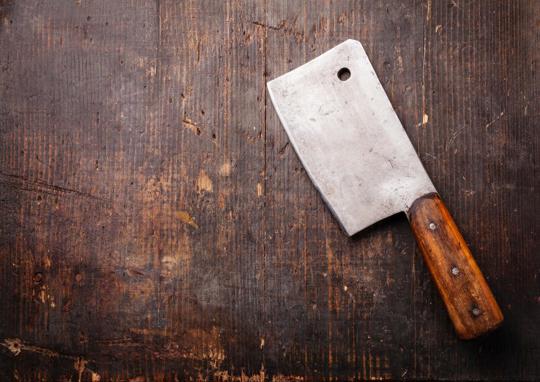
The cleaver stands out in the knife world.
Its wide, heavy-duty stainless steel blade makes it different from other knives.
It has a weighty build, which means it can crush bones and cut tough meat easily.
It also transfers force efficiently, making it a must-have in pro kitchens.
The broad blade not only cuts dense materials, but also has lots of surface area, so you can quickly transfer chopped veg or diced meat into a pot or pan.
It needs just one swift motion for precise cuts, unlike smaller knives that need multiple passes.
The sturdy design is great for smashing garlic and ginger too.
The cleaver's thick, heavy blade is perfect for crushing and turning small food items, like nuts or seeds, into paste or powder.
Plus, its spine has a blunt edge, so you can use it as an extension of your hand when you need more force while chopping or mincing.
In short, the cleaver is not your typical kitchen knife-it's a powerhouse.
Its solid build, wider blade, and great versatility make it great for various cutting techniques and tough cooking tasks.
Whether you're mashing garlic or cutting a whole chicken, the cleaver will handle the job with strength and precision.
What is a Chef Knife?
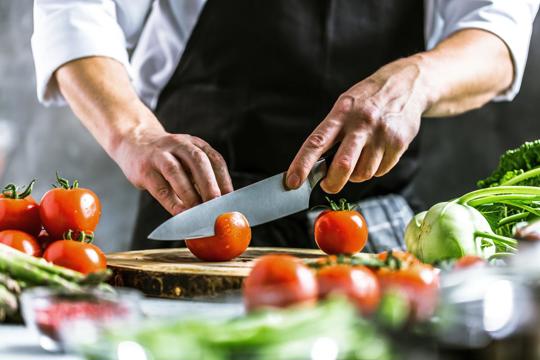
A chef knife is a must-have for professional cooks.
It's a multi-purpose tool they use to make great dishs.
Its sharp blade and ergonomic design give cooks control and precision.
The curved blade lets them rock it smoothly while chopping herbs or veggies.
The weight provides enough force for tough cuts of meat or dense veggies.
Plus, it's usually crafted from durable stainless steel.
In short, a chef knife is an essential tool for serious cooks.
An investment worth considering for those wanting to improve their cooking.
Differences Between Cleaver and Chef Knife

Cleaver and chef knife are tools with different purposes.
It depends on your cooking needs and preferences which one to choose.
1 - Blade Shape and Design
Blade shape and design make cleavers and chef knives unique.
Cleavers have flat, rectangular blades while chef knives have curved or tapered blades.
This design affects their function.
Cleavers can chop through bones since they have more force.
Chef knives are great for precision slicing, dicing, and chopping of fruits, veggies, and herbs.
Weight distribution also differs between the two.
Cleavers have more weight concentrated in the front due to their thick blades.
This provides extra oomph.
Chef knives have balanced weight throughout the blade.
This makes it agile and good for precision cutting.
Selecting the right knife for the job is key.
You need to pick if you want strength or finesse.
The right choice'll make your cooking experience even better.
2 - Primary Uses and Functions
Cleavers and chef knives have different kitchen purposes.
A cleaver has a broad, heavy blade for cutting through bones and tough meats with ease.
It's great for chopping and splitting tasks.
The chef knife is more versatile and is used for slicing veg, mincing herbs etc.
Both knives are important for chefs or cooking fans who want to master their craft.
Cleavers are ideal for tasks that need force.
Their thick blades can easily power through meat joints and cartilage.
They have a wide surface area for transferring ingredients.
Chef knives have a slender blade for delicate maneuvers.
It's sharp so it can make clean slices of fruit, vegetables, or fish.
The curved edge is good for chopping herbs or mincing garlic.
The tip is great for peeling and trimming.
Cleavers are also great for smashing spices or crushing garlic cloves.
In summary, each knife has its own strengths.
Cleavers are great for heavy-duty tasks, while chef knives offer precision.
Knowing the differences helps chefs choose the right tool for each need.
3 - Weight and Balance
Chefs often debate the difference between a cleaver and a chef knife.
Weight and balance are key factors in their performance.
A chef knife is usually well-balanced and great for delicate slicing and chopping.
A cleaver, however, is heavier with more weight at the cutting edge.
This enables it to tackle tougher ingredients like bones or thick cuts of meat.
Balance usually refers to the equilibrium point near the bolster.
A well-balanced chef knife lets you handle it with ease.
A cleaver's balance is usually towards the front, allowing for powerful strikes without extra force.
Ultimately, the choice of knife depends on your cooking needs.
Knowing the weight and balance of each can improve your cooking experience.
Next time you reach for a knife, consider how it can shape your cooking.
4 - Cutting Techniques
Cutting techniques are must-haves for pro chefs and home cooks.
These techniques change the presentation and texture of ingredients in a dish.
Knowing the difference between the various cutting techniques can make your cooking experience better.
Chopping is one of these techniques. It involves cutting ingredients into small, equal pieces.
This is generally used for fruits, herbs, and vegetables in recipes.
You need a steady hand and sharp knife for precise cuts.
Slicing is another technique. This means cutting ingredients into thin, similar pieces.
This is often used for meats and vegetables that should look good and cook evenly.
Controlled movements and a sharp knife are needed for consistent results.
Dicing is a third technique.
This means cutting ingredients into small cubes of equal size.
Generally used for onions, peppers, and other vegetables when you want them to cook quickly and evenly.
Precision and a knife with good maneuverability are required.
Julienning is a specialized technique to create thin strips of vegetables or fruits.
These strips are usually used as garnish or in stir-fry dishes.
Julienning needs gentle handling and a sharp knife with control.
Each cutting technique has its own purpose.
Mastering them will help you create tasty and attractive dishes.
Similarities Between Cleaver and Chef Knife
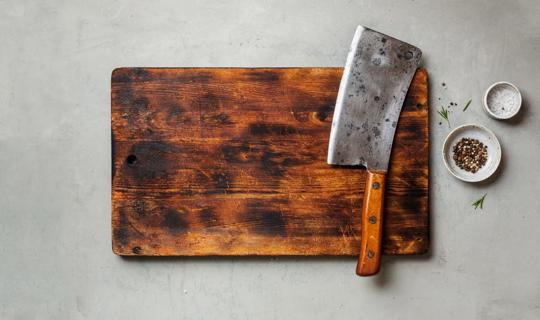
Cleaver and chef knives may appear distinct. But, they do have things in common.
Both are essential tools in the kitchen. Chefs and home cooks use them.
Handle and blade are similar, though designs differ.
Cleavers and chef knives are versatile.
They can chop, slice, dice, and mince ingredients. They provide precision and control while cutting.
Thus, cooks can get desired results.
Also, proper care and maintenance are needed to ensure longevity.
In a nutshell, though distinct, cleavers and chef knives share similarities in function and importance in cooking.
Choosing the Right Knife for Specific Tasks
Choosing the right knife is a must for chefs and home cooks.
The difference between a cleaver and a chef knife? Design and purpose.
A cleaver is thicker and heavier- ideal for chopping bones and tougher ingredients.
A chef knife has a thin, agile blade, perfect for slicing, dicing, and mincing with precision.
Knowing which one to use is key to culinary perfection.
Cleavers are great for hard tasks like breaking down poultry or cutting through thick meats.
The thick, sturdy blade provides power.
Plus, you can smash garlic and ginger with the flat side.
A chef knife is best for delicate tasks. Its narrow blade allows for precise control.
The curved shape also enables rocking for mincing herbs and vegetables.
Use it for finely dicing onions or slicing fresh herbs to add flavor to your dish.
Caring for Cleavers and Chef Knives
Cleavers and chef knives, though different, need similar care.
Cleaning, storing and sharpening them is essential.
Rinse with warm soapy water after each use. Concentrate on the handle and blade.
Dry knives to prevent rust and bacteria. Store separately from other utensils.
Use a knife block or magnetic strip. Sharpening is important with honing steels and whetstones.
Also, be careful when using them. Hard surfaces like ceramic or glass can dull the blade.
Use wooden or plastic boards instead.
Choosing Between Cleaver and Chef Knife
A cleaver is ideal for heavier items, like carving large pieces of meat or cutting through bones, while a chef knife can offer more precise cuts with its curved blade.
Depending on the food you are cooking, you may find either one more useful than the other.
Choose the knife that best fits your needs and cuisine preferences.
Although the distinctions between a cleaver and a chef knife might be hard to spot, it's important to remember that each have their own strengths and weaknesses.
With any luck, this blog post helped shed some light on the differences between these two beloved kitchen tools.
Frequently Asked Questions
The main difference between a cleaver and a chef knife is in their design and intended use. They share some similarities but each has qualities that make it better suited for certain recipes.
Sometimes. Cleaver works where Chef Knife is called for in certain dishes, but not all.
Check whether the recipe relies on a specific quality before substituting.
Cold preparations like salads and dressings often favor the option with a sharper, more defined flavor. Heat can mellow both, so the distinction matters more in uncooked dishes.
Do professional cooks prefer one over the other?
Professional preference depends heavily on the dish and cuisine style.
Each has its context where it outperforms the other, so most experienced cooks keep both on hand.