
The closest alternatives to Cannellini Beans are Great Northern Beans, Navy Beans, Butterbeans, Kidney Beans, and Garbanzo Beans.
Great Northern Beans is the closest match - it has a similar flavor and works at a 1:1 ratio in most recipes.
For cooking, Navy Beans also works well - adjust the amount to taste since it may be slightly stronger or milder.
Beans again? Yup, and we're not just talking any beans.
We're zoning in on cannellini beans - those smooth, creamy wonders that make your favorite dishes pop. Can't find 'em?
From soups to salads, we're here to ensure your cooking game stays strong, even when cannellini beans are off the table. Ready to keep your taste on its toes?
Let's dive in.
5 Best Bean Substitutes for Cannellini Beans
Cannellini beans, also known as white kidney beans, are a popular ingredient in many dishes.
However, if you find yourself without cannellini beans or want to explore alternative options, there are several substitutes available.
| Substitute | Key Characteristics | Proper Ratio |
|---|---|---|
| Great Northern Beans | Creamy texture; mild flavor; similar appearance to cannellini beans | Use an equal amount of great northern beans as a substitute for cannellini beans |
| Navy Beans | Small and tender beans; smooth texture; slightly nutty flavor | Use an equal amount of navy beans as a substitute for cannellini beans |
| Butterbeans | Creamy and buttery texture; delicate flavor; larger size than cannellini beans | Use an equal amount of butterbeans as a substitute for cannellini beans |
| Kidney Beans | Strong flavor; firm texture; slightly larger and darker than cannellini beans | Use an equal amount of kidney beans as a substitute for cannellini beans |
| Garbanzo Beans | Nutty flavor; firm and grainy texture; commonly used in Mediterranean cuisine | Use an equal amount of garbanzo beans as a substitute for cannellini beans |
Here is a closer look at each option:
1. Great Northern Beans
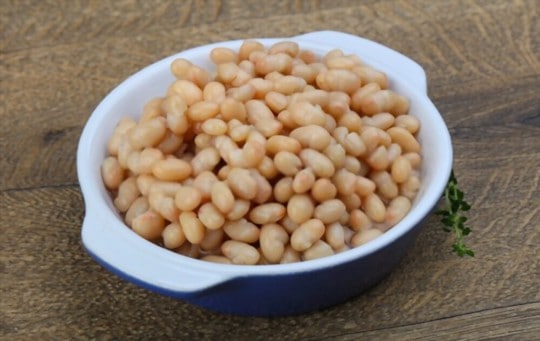
Great Northern Beans are a popular bean often used in soups, stews, and casseroles.
They are named after the region where they were first grown - the Great Northern Plains of the United States.
Great Northern Beans are large white beans with a mild flavor and a firm texture.
Because of their size and flavor have often been used as a "base" ingredient in many recipes.
In addition to their culinary use, Great Northern Beans are also used as animal feed.
They are a good source of protein and fiber, and they are low in fat and calories.
For these reasons, Great Northern Beans are a healthy and versatile food that can be enjoyed by people and animals alike.
Great Northern Beans are a delicious and nutritious addition to any meal.
There are several ways to cook Great Northern Beans.
They can be boiled, baked, or fried.
Boiling is the most common method of cooking beans, as it is quick and easy.
Baking beans take longer, but it gives them a richer flavor.
- Key Characteristics: Great northern beans offer a creamy texture and a mild flavor. They have a similar appearance to cannellini beans, making them an excellent substitute in various recipes.
- Proper Ratio: Use an equal amount of great northern beans as a substitute for cannellini beans. Adjust the cooking time if necessary, as great northern beans may require slightly longer to cook.
2. Navy Beans
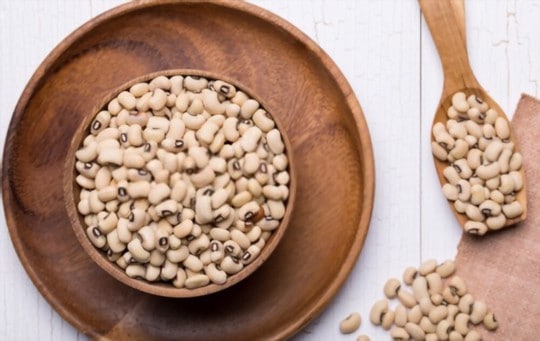
Navy beans are a flexible ingredient that can be used in various dishes.
They have a mild, slightly sweet flavor and a firm texture that works well in cooking.
Navy beans are a good source of fiber and protein, and they also contain iron, potassium, and magnesium.
One of the best things about navy beans is that they are very inexpensive, making them a great option for budget-minded cooks.
When shopping for navy beans, look for ones that are uniform in size and have a smooth, shiny appearance.
Avoid beans that are discolored or have any sign of mold.
Navy beans should be stored in a cool, dry place, and they will keep for up to 12 months.
Whether you're looking for a healthy and affordable option for your next meal or simply looking to add a new ingredient to your cooking repertoire, navy beans are a great choice.
- Key Characteristics: Navy beans are small and tender, with a smooth texture and a slightly nutty flavor. They work well as a substitute for cannellini beans in soups, stews, and other dishes.
- Proper Ratio: Use an equal amount of navy beans as a substitute for cannellini beans. Keep in mind that navy beans may cook more quickly than cannellini beans, so adjust the cooking time accordingly.
3. Butterbeans
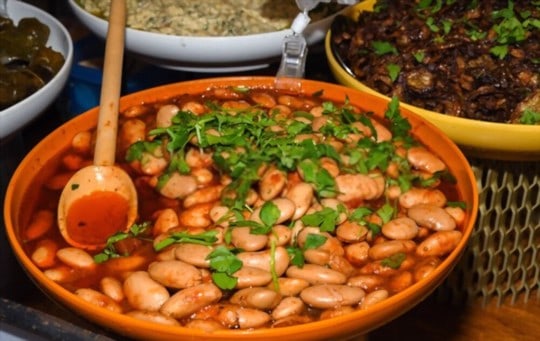
Butterbeans, also known as lima beans, are a type of bean that is native to South America.
They are named for their creamy, buttery texture and their delicate flavor.
Butterbeans are a popular ingredient in many dishes, from soups and stews to salads and pasta.
They are also a common side dish in many cultures.
Butterbeans are high in fiber and protein, and they are a good source of vitamins and minerals.
They can be cooked in various ways, including boiling, baking, and frying.
Butterbeans can be found in most supermarkets, and they will keep for up to 12 months when stored in a cool, dry place.
When substituting butterbeans for cannellini beans, it is important to remember that they have a much milder flavor.
You may want to add additional seasoning to your dish if you use butterbeans as a substitute.
Butterbeans also have a softer texture, so they may not hold up as well in dishes that require a lot of cooking.
- Key Characteristics: Butterbeans have a creamy and buttery texture with a delicate flavor. They are larger in size compared to cannellini beans and can be used in various recipes where a creamy texture is desired.
- Proper Ratio: Use an equal amount of butterbeans as a substitute for cannellini beans. Adjust the cooking time as needed, as butterbeans may require a bit longer to cook through.
4. Kidney Beans
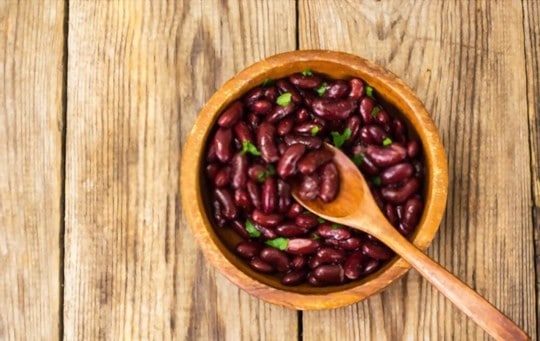
Kidney beans are common bean that gets their name from their kidney-shaped seed.
Kidney beans are native to Central and South America, but they are now grown worldwide.
The plant grows best in warm climates with plenty of rain.
Kidney beans are a popular ingredient in many dishes, such as chili, red beans, and rice.
They are also often used as a source of protein in vegetarian dishes.
Kidney beans are a good source of fiber and vitamins, and they contain very little fat.
However, they contain a substance called lectin, which can cause digestive problems if the beans are not cooked properly.
Therefore, it is important to ensure that kidney beans are thoroughly cooked before eating them.
Kidney beans can be substituted for Cannellini beans in most recipes.
It is important to consider the different flavors of the two types of beans when doing so.
Kidney beans have a stronger flavor than Cannellini beans, so they may not suit all dishes.
Also, kidney beans are a bit firmer than Cannellini beans, so they may not work as well in dishes that require a softer bean.
Overall, kidney beans are a good substitute for Cannellini beans and can be used in most recipes with few adjustments.
- Key Characteristics: Kidney beans have a strong flavor and a firm texture. They are slightly larger and darker in color compared to cannellini beans, making them a suitable substitute in dishes that require a heartier bean.
- Proper Ratio: Use an equal amount of kidney beans as a substitute for cannellini beans. Note that kidney beans may have a longer cooking time, so adjust accordingly.
5. Garbanzo Beans
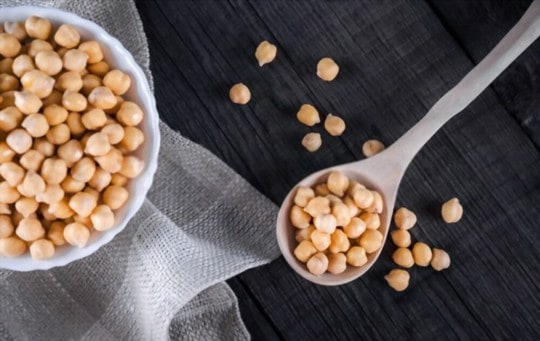
Garbanzo beans, also known as chickpeas, are a type of legume popular in many cuisines around the world.
These nutty-flavored beans can be used in various dishes, from soups and stews to salads and side dishes.
Garbanzo beans are a good source of fiber and protein, making them a healthy addition to any diet.
They are also relatively low in calories, making them a great choice for people watching their weight.
In addition to being nutritious, garbanzo beans are also very versatile.
They can be cooked in various ways, including being boiled, baked, or roasted.
Garbanzo beans can also be used in several recipes, such as hummus or falafel.
While Cannellini beans are white, Garbanzo beans are more beige.
They have a nutty flavor which some say is reminiscent of chestnuts.
In terms of texture, they are slightly firmer than Cannellini beans.
When used as a replacement in recipes, you may need to increase the cooking time slightly as they take longer to soften than Cannellini beans.
- Key Characteristics: Garbanzo beans, also known as chickpeas, have a nutty flavor and a firm and grainy texture. While different from cannellini beans, they can add depth and richness to a variety of dishes.
- Proper Ratio: Use an equal amount of garbanzo beans as a substitute for cannellini beans. Consider adjusting the other flavors in your recipe to go with the nutty taste of garbanzo beans.
You might also want to know how cannellini beans compares.
Frequently Asked Questions
Great Northern Beans is the best substitute for Cannellini Beans because it shares a similar flavor and texture. Use it at a 1:1 ratio in any recipe that calls for Cannellini Beans.
Yes, and the results are often hard to tell apart. Great Northern Beans is the go-to replacement.
For variety, Navy Beans adds its own twist to the dish.
Sometimes. Blending two partial substitutes - one for flavor and one for texture - gets closer to the original.
This works best when neither alone fully replicates what you need.
Not always. Some substitutes are processed or have a strong raw flavor that disappears with heat.
Check whether the original is typically used raw before assuming the substitute will work the same way.