
Summary of key points
The main difference between Anjou pears and Bartlett pears is in their appearance and flavor. Anjou pears have a rounder shape with a short neck, while Bartlett pears are more elongated with a longer neck.
In terms of taste, Anjou pears tend to have a slightly sweeter and juicier flavor compared to the slightly tart and tangy taste of Bartlett pears. Also, Anjou pears hold their shape well when cooked, making them ideal for baking or poaching, while Bartlett pears can become soft and mushy.
Pears are a staple in fruit bowls around the globe. Anjou and Bartlett pears stand out, each with its unique flair.
What sets them apart?
Anjou pears, we call them the winter wonders. They're juicy, slightly sweet.
Bartlett pears? Summer's gift.
Perfectly soft, with that trademark juiciness. We've all had that moment, biting into a Bartlett and thinking, "This is summer."
Our kitchens have seen many a pear debate. Is Anjou better for baking?
Why do Bartlett pears make the perfect snack?
Or should we say, slice the pears? Get ready for a crunchy, juicy showdown.
What are Anjou Pears?
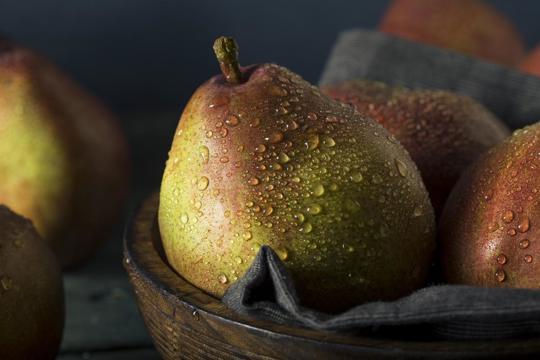
Anjou Pears, also known as French pears, are of the Pyrus communis species.
They have a round shape, with a bulbous bottom and a neck.
They are green in color, which turns yellow as they ripen.
Their texture is smooth and buttery, making them great for eating fresh or for recipes.
They have a sweet taste, juicy and refreshing.
Unlike some other varieties, Anjou pears do not change much when cooked - so they are good for baking or poaching.
Anjou pears come in two types: green and red.
Green is most common, red has a sweeter taste.
Both can be used in recipes, depending on personal preference.
Anjou pears are versatile, with a mild sweet flavor and smooth texture.
Whether fresh or cooked, these pears offer a nice addition to various dishs.
What are Bartlett Pears?
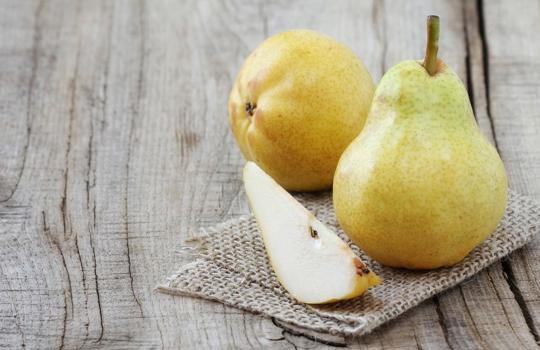
Bartlett pears, also known as Williams pears, are a popular variety.
They have a bell-shaped look, and a smooth red or green skin when ripe.
These pears are known for their sweetness and juicy flavor.
You can enjoy them fresh, poached, canned, or even make jams and jellies.
What makes Bartlett pears special is their texture and taste.
When ripe, they are soft and buttery with a subtle tanginess.
This makes them great to snack on and use in recipes.
Unlike Anjou pears which are firmer, Bartlett pears are more delicate and tender.
This is why they are perfect for desserts like tarts and pies.
And their high juice content makes them great for juicing or blending into smoothies.
Bartlett pears are also famous for their ability to ripen.
They are usually picked while green but firm, allowing them to ripen off the tree.
This brings out their sweetness and aroma.
To sum up, Bartlett pears are great for their shape, sweet and tangy flavor, soft texture, and versatility.
Whether fresh or cooked, they always add deliciousness to any dish.
Differences Between Anjou Pears and Bartlett Pears

Anjou pears have a smoother texture.
They keep their firmness when ripe.
Bartlett pears are juicier and soften when ripe.
Anjou pears are sweeter.
Bartlett pears are more tart.
Both pears are great for different uses in the kitchen.
Origin and History
Anjou pears and Bartlett pears may look similar, but their origins and history are different.
Anjou pears come from the Loire Valley of France and were brought to North America by French colonists in the 19th century.
Bartlett pears, on the other hand, have roots in England.
They were discovered by a schoolmaster named Mr.
Williams in Berkshire, England in the 18th century and introduced to the US by Enoch Bartlett.
Anjou pears are known for their versatility - they can be eaten raw or cooked and still have a sweet, slightly tangy flavor.
When ripe, their green skin turns yellow - easy to spot.
Bartlett pears have a smooth skin with a bright red blush that covers most of its surface when ripe.
This variety is said to be juicier and sweeter than Anjou pears.
So, even though both Anjou and Bartlett pears have been popular fruit choices worldwide, they offer unique characteristics.
Whether you prefer the versatility of Anjou or the juicy sweetness of Bartlett - these pears are still cherished ingredients in many dishes around the globe.
Physical Appearance and Color
Anjou pears and Bartlett pears are strikingly dissimilar in looks and hue.
Anjou pears have a faint green color which goes yellow when ripe.
Bartlett pears have a vivid green or yellow skin, with a red blush.
Anjou pears are more rounded, with a shorter neck, compared to the elongated and tapered Bartlett pears.
The Anjou pears have smoother skin and a softer feel.
Bartlett pears have a slightly rough skin.
Anjou pears are sweet and juicy, great for cooking and eating raw.
Bartlett pears have a more intense sweetness and slight tartness.
Perfect for desserts or by themselves.
Anjou pears come in red and green varieties.
Red Anjous have a sweet berry taste, and green Anjous have a crisp texture and refreshing taste.
Anjou and Bartlett pears have similarities - they're both tasty and flexible.
But they differ in look, flavor, and texture.
Whether you like the subtle beauty of Anjou or the boldness of a Bartlett pear, they bring a special something to any dish.
Texture and Ripeness
Anjou pears and Bartlett pears display distinct textures and ripeness.
Anjou pears have a smooth, firm flesh.
Whereas, Bartlett pears have a softer, juicier texture when ripe.
This impacts the taste and eating experience.
Anjou pears should be harvested when still firm and under-ripe.
As they ripen, their texture gets softer.
The flesh of an Anjou pear retains its shape even when it's at peak ripeness.
This makes it great for baking or cooking.
Bartlett pears have a delicate texture which becomes velvety-soft when fully ripe.
They're juicy and tender to the bite.
This makes them perfect for eating fresh or in salads.
To experience optimal flavor, it's important to know the ripeness of each pear variety.
Anjou pears are best eaten slightly under-ripe or just ripe.
While Bartlett pears are tastiest when fully ripe and yield to gentle pressure.
Flavor and Taste
The Anjou and Bartlett pears have distinct tastes.
Anjou has a sweet, gentle citrus zing.
Whilst the Bartlett is known for being juicy and full of flavor.
They both provide something special for different cravings.
So, if you're after a subtle taste or a punch of sweetness, these pears will hit the spot.
Best Uses and Culinary Applications
Anjou pears and Bartlett pears may look similar, but they have distinct qualities in the cooking world.
They each offer unique flavors and textures to improve recipes.
Anjou pears are sweet and juicy, with a grainy texture that makes them great for baking.
Use them in tarts, pies, cakes, salads, or simply raw.
Bartlett pears have a buttery, smooth texture.
Poach them for flavor, or use them in jams, jellies, chutneys, and cheese boards.
Green Anjou is the most common, but there's also red Anjou - which adds a crimson hue to dishes.
Both Anjou and Bartlett pears bring a touch of elegance to recipes.
Taste and discover their pleasant flavors.
Similarities Between Anjou Pears and Bartlett Pears
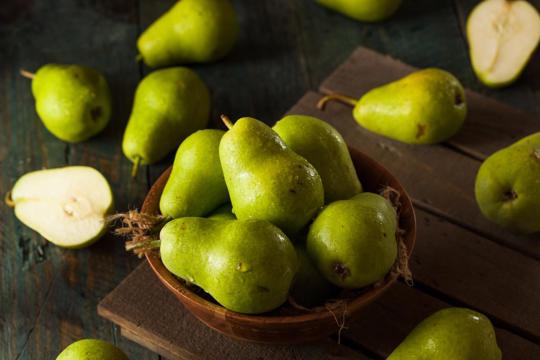
Anjou pears and Bartlett pears are popular among fruit fans.
Both have a crisp texture and sweet taste.
They are also versatile and can be used in salads or pies.
The two pear types look similar.
Anjou skins turn yellow when ripe, while Bartlett have yellow skin with red blushes.
Their flesh is smooth and buttery, and juicy.
The flavor of both is sweet, with Anjou being milder.
Anjou pears are great for cooking or baking due to their shape retention.
Bartlett pears are popular for their juiciness and aroma when eaten fresh.
Nutritional Value and Health Benefits
Anjou & Bartlett pears are packed with vitamins, minerals & dietary fiber.
Anjou pears have vitamins C & E to protect cells.
Plus, potassium for blood pressure & healthy heart function.
They also provide dietary fiber for digestion.
Bartlett pears offer vitamin C & copper.
Vitamin C boosts immunity & collagen production for skin.
Copper helps with energy & brain function.
Plus, they're low in calories & high in water for weight management.
Both Anjou & Bartlett pears promote good health.
They enhance cardiovascular health with potassium.
Plus, they aid digestion with dietary fiber.
Popular Varieties and Availability
Anjou Pears and Bartlett Pears are popular varieties of pears widely available.
They have distinct features that set them apart.
Anjou Pears have a smooth and green skin, and are sweet and juicy.
They come in red and green.
Bartlett Pears have a yellowish-green skin which turns bright yellow when ripe.
They have a sweet and tart taste.
Texture also varies.
Anjou Pears have firm yet tender flesh, great for eating fresh or using in recipes.
Bartlett Pears have a softer flesh that gets buttery when ripe.
These pears are available throughout the year due to different growing regions.
Bartlett Pears are more common during late summer when they reach peak ripeness.
So you can enjoy the crispness of Anjou Pears or the smoothness of Bartlett Pears.
Next time you shop, don't forget to pick up these popular pear varieties.
Choosing Between Anjou and Bartlett Pears
It's clear that Anjou pears and Bartlett pears have many differences that set them apart.
From their size and color to taste and texture, these two types of pears are truly different fruits in many respects.
But aside from all the physical attributes, it is their flavor that really sets them apart.
Anjou packs a sweet punch, while Bartletts boast a tart flavor.
However, both are incredibly delicious options for salads and desserts alike.
Next time you're at the grocery store seeking a pear, remember the differences between Anjou and Bartlett so you know which one to choose for your meal.
Frequently Asked Questions
The main difference between Anjou pears and Bartlett pears is in their appearance and flavor. They share some similarities but each has qualities that make it better suited for certain recipes.
In many recipes, yes. Anjou Pear and Bartlett fill similar roles, though each brings its own character.
Try a small test batch before committing to a full swap.
Availability varies by region. One is usually a standard grocery store item while the other may require a specialty or international market depending on where you live.
Can a beginner tell the difference by taste?
In a side-by-side tasting, yes.
The difference becomes less obvious when mixed into a recipe with other ingredients.
Most people notice the distinction more clearly on its own.