
Summary of key points
The primary difference between brisket and corned beef is the curing process. Brisket is a cut of beef, while corned beef is brisket that has been cured in a brine solution made with salt, sugar, and spices like coriander and cloves.
This process gives corned beef its signature pink color and distinct flavor. While both can be cooked using similar methods, such as smoking or braising, corned beef will have a saltier taste due to the brining process.
Ultimately, the choice between brisket and corned beef depends on personal preference and desired flavor for a dish. Both are delicious options for meals like sandwiches, stews, and more.
It's like they're from different planets, yet here we are, trying to decide which one will grace our dinner table.
One's a barbecue staple that has us drooling as it slow cooks to perfection. The other?
A St. Patrick's Day must-have, soaked in brine and seasoned until it's full of flavor.
And yet, somehow, they both start from the same place. Mind-blowing, right?
We're here to break it down, separating fact from fiction, and leading us all to become more knowledgeable at the grocery store.
What is Brisket?

Brisket - it's a famous meat cut that meat lovers adore.
It's a part of beef from the cow's lower chest area.
It's flavorful and tender, and can be cooked in many ways - like smoking, braising or roasting.
Slow and low cooking is the secret to perfect brisket.
It takes time to break down the tough connective tissues, making it so tender and juicy.
Spices are often added to make it even tastier.
Plus, it absorbs smoky flavors really well, which is why it's great for barbecuing.
Now, here's something not everyone knows: brisket has two main cuts - the flat cut and the point cut.
The flat cut is leaner and good for slicing.
The point cut has more marbling and fat, making it great for dishes like burnt ends or chopped brisket.
What is Corned Beef?
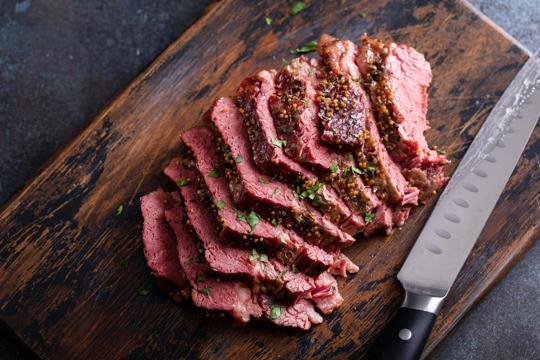
Corned beef is a type of beef that has been cured with salt.
It is made from brisket or round cuts, soaked in a mixture of water, salt, sugar, and spices.
The name "corned beef" comes from the salt grains called "corns".
This curing process enhances the flavor and helps preserve the meat.
It also gives it a pink color from the nitrites added during the curing process.
This type of beef is popular around the world.
For instance, it is associated with traditional Irish cuisine where it is served with cabbage and potatoes on St.Patrick's Day.
In Jewish delis, it is part of a classic Reuben sandwich. Corned beef is flavorful and versatile.
It has a unique taste which makes it perfect for various dishes.
Whether enjoyed on its own or incorporated into recipes, corned beef offers an enjoyable experience for meat lovers.
Differences Between Brisket and Corned Beef
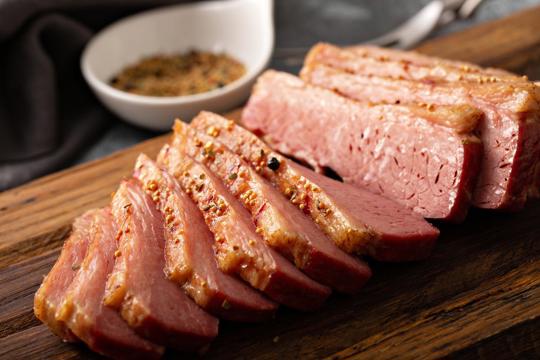
Brisket and corned beef? They look alike, but they're different.
1 - Preparation Process
The prepping of brisket and corned beef is essential.
It involves special ingredients and techniques that provide their unique tastes and textures.
Brisket starts with quality cuts from the chest or breast area of the cow.
Then, the meat is spiced up with salt, pepper and paprika to boost flavor.
To make it juicy and tender, it's slow cooked at low temperatures for hours.
This long cook time allows connective tissues to break down and make the meat melt in your mouth.
Corned beef, on the other hand, goes through a different process.
The name "corned" comes from the salt curing used.
Before cooking, the beef is cured in a brine solution with big grains of salt (similar to corn) and spices such as coriander and mustard seeds.
This curing adds flavor and preserves the meat.
After curing for several days, it's simmered or boiled until tender.
One special part of corned beef preparation is the use of pink curing salt or Prague powder #1.
This curing agent gives corned beef its pink color and stops bacteria growth when stored.
To sum up, even though brisket and corned beef are both delicious beef dishes, their prep methods make them distinct.
Brisket needs slow cooking to be tender.
But, corned beef undergoes curing in brine and pink curing salt for flavoring and preservation.
Each process produces differently flavored meats that can be enjoyed in many dishes.
2 - Flavor and Texture
Brisket: Rich, meaty flavor. Can be juicy or slightly chewy.
Corned Beef: Unique, savory taste. Tender and flaky when cooked.
Both provide a range of flavors and textures.
It's all about personal taste and how it's prepared and enjoyed.
3 - Cooking Methods
Cooking brisket and corned beef need two distinct approaches.
Slow-cooking or smoking can be done for both. Preparing and seasoning is the key.
Smoking low and slow is how brisket is typically cooked.
This method allows the collagen to break down slowly, giving it a melt-in-your-mouth texture.
It also develops a rich smoky flavor. Simmering or boiling is the go-to for corned beef.
Submerging the beef in water or broth plus spices such as coriander, peppercorns, and bay leaves infuse the meat with flavor while keeping it tender.
Both dishes can also be cooked in an oven or a slow cooker. However, they differ in seasoning.
Corned beef gets its unique tangy taste from curing it with salt and spices before cooking.
Brisket relies more on its natural flavors with smoke or seasoning rubs.
Similarities Between Brisket and Corned Beef
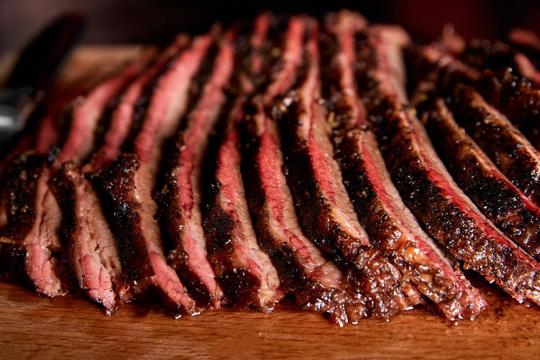
Brisket and corned beef differ in taste and preparation, yet share some things in common.
Both come from the cow's chest region, making them have a similar texture and tenderness when cooked correctly.
Slow cooking is ideal for both meats to get a melt-in-your-mouth experience.
That's why these two are popular for meals and dishes.
The cooking techniques between them may overlap.
Many recipes call for brining or marinating in water, salt, spices, and other ingredients.
Then, they can be roasted or braised.
Both have similarities, they have unique qualities.
Brisket has rich flavor and is good for various cuisines.
It can be smoked or slow-cooked with sauces for a tender result.
Meanwhile, corned beef stands out with its salty flavor from rock salt or "corns" of salt.
Culinary Uses of Brisket and Corned Beef
Brisket and corned beef are two tasty meats.
Brisket is known for its rich flavor and tenderness.
It's great for BBQs, stews, and sandwiches.
Corned beef is made with curing, spices, and salt.
Enjoy it in a Reuben or corned beef hash. Both cuts are good for slow cooking.
The flavor develops and the meat gets tender.
Brisket can also be thinly sliced for sandwiches or diced for soups and chili.
With its salty flavor, corned beef goes well with sautéed cabbage or mashed potatoes.
Both brisket and corned beef make a delicious cooking experience.
Popular Dishes Made with Brisket and Corned Beef
Delicious dishes featuring brisket and corned beef include classic favorites like brisket tacos, corned beef hash, pastrami sandwiches, and smoked beef brisket.
These tasty creations promise a range of flavors and textures that are sure to tempt any meat lover.
Brisket, a cut of beef well-known for its smoky flavor, is often slow-cooked or smoked.
One popular dish made with brisket is the brisket taco.
This scrumptious meal combines tender slices of smoky brisket with a variety of toppings, such as salsa, avocado, and cilantro.
The mix of flavorful meat and fresh toppings provides an unforgettable cooking experience.
Corned beef hash is another much-loved dish.
It consists of diced corned beef mixed with potatoes, onions, and bell peppers.
The mixture is then cooked until golden and served alongside eggs or toast.
The combination of savory corned beef and earthy potatoes makes for a comforting and filling breakfast.
Pastrami sandwiches are an additional favorite when it comes to using brisket or corned beef.
Pastrami is created from brined and seasoned brisket then smoked to enhance its flavor.
Thinly sliced pastrami is usually piled high on rye bread with mustard, Russian dressing, sauerkraut, or pickles.
The result is a sandwich bursting with bold flavor and contrasting textures that can't be resisted.
Finally, smoked beef brisket itself is a remarkable dish that shows the superb qualities of this cut of meat.
Brisket is typically rubbed with spices or marinated before being slow-smoked for hours until it becomes tender.
Each bite delivers a juicy taste as the flavorful seasonings permeate the meat, leaving behind a smoky essence.
How to Cook Brisket and Corned Beef
Cooking Brisket and Corned Beef? It requires precision and skill.
Follow these steps to get the perfect result.
- Preparation: Select a high-quality piece of meat. For brisket, get a marbled cut from the chest. For corned beef, choose the brisket cut cured with salt and seasonings. Then rinse off any extra brine.
- Seasoning: Spice up brisket and corned beef with your own rub. Mix salt, pepper, garlic powder, onion powder, paprika, and brown sugar. Rub the seasoning onto the meat, making sure it covers all sides.
- Cooking Method: Two popular methods for cooking brisket and corned beef are smoking and braising.
- Smoking: Preheat the smoker to 225-250°F (107-121°C).
Place the seasoned meat on the rack and slowly smoke for several hours until it reaches an internal temperature of 195-205°F (90-96°C).
- Braising: Sear the meat in hot oil to get a nice crust.
Put it in an ovenproof pot or slow cooker with veggies and flavorful liquids like broth or beer.
Cover tightly and braise at 300°F (149°C) until fork-tender.
Remember to rest the cooked meat before slicing. Wrap it in foil for 30 minutes.
This makes the meat juicier and more flavorful.
Now you can confidently cook both brisket and corned beef to perfection.
Cooking Methods for Brisket and Corned Beef
After sifting through all the facts and minor details, it's clear that both of these scrumptious delights - brisket and corned beef - have their own unique sets of flavors and origins.
While they differ in a number of ways, they share many authentic characteristics as well.
Which one you serve for dinner comes down to personal preference and how you're going to prepare it.
Consider marinating the brisket with spicy sauces or curing the brisket until it turns into an aromatic corned beef.
Ultimately, each type of meat provides plenty of exciting opportunities for creativity while cooking.
There is no right or wrong way when it comes to comparison all about exploring flavors and applying different techniques so go ahead, fire up that grill, roast that slow cooker - because there's no better time than now to start making your favorite dishes.
Frequently Asked Questions
The primary difference between brisket and corned beef is the curing process. They share some similarities but each has qualities that make it better suited for certain recipes.
It depends on the dish. Brisket and Corned Beef share some overlap, but each shines in different preparations.
Swapping works best in forgiving recipes like soups or stews.
Pricing varies by brand and region, but one is typically more accessible at everyday price points. The other may cost more due to specialization or limited supply.
Is there a best time to use each one?
One shines in applications requiring subtlety and background support.
The other is better when it is meant to be a center.
Matching the right one to its role makes a noticeable difference.