
Have you ever been to the local pub and seen a difference between Brown Ale and Stout? For many, this may be confusing.
You simply need to know what makes them unique from one another by looking closely at their ingredients, brewing methods, colors, aromas, and flavors.
On this journey of discovery into the world of beer brewing science, we'll explore the specific details that make both Brown Ale and Stout such belovedly unique brews.
From examining how each style is made using different malts to exploring which ingredients give each style its individual character of aroma and flavor -come along as we break down every detail on what sets these dark-colored ales apart.
To see how ingredient form alters aroma and taste, extract vs flavor comparison shows which form delivers more intense notes.
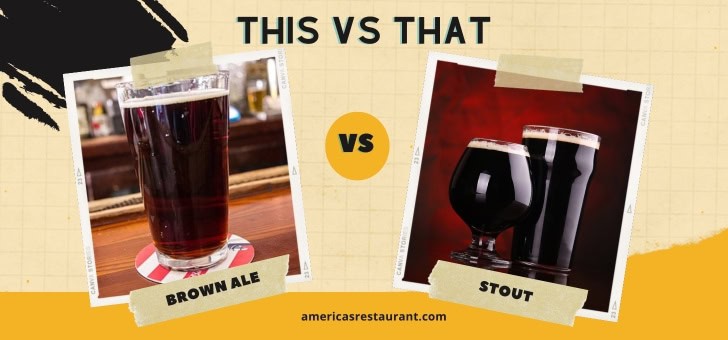
What is Brown Ale?
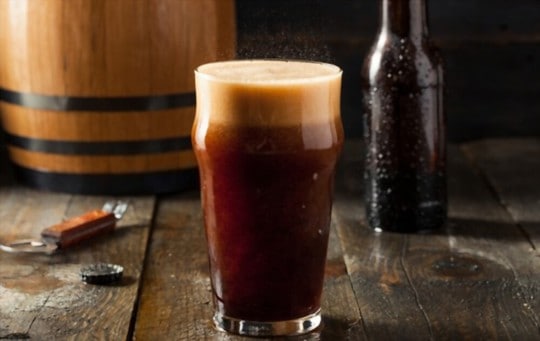
Brown Ale is a type of beer that is often misunderstood and easily overlooked.
It's a dark, malty brew with a distinct caramel or nutty flavor that is less bitter than traditional ales.
While some may believe that brown ales lack the complexity of a hoppy IPA or the richness of a stout, they are often surprised by the depth and complexity present in a well-crafted brown ale.
A rich brown color, medium body, and smooth finish make it a versatile beer that pairs well with a variety of foods.
Brown ales have a long history dating back to early British brewing traditions and have evolved over time into many variations.
Whether you're a seasoned beer drinker or new to the craft scene, brown ale is definitely a style worth exploring.
For a different take on what "brown" can mean in flavor, coconut sugar vs brown sugar comparison explains sweet and caramel notes that echo beer descriptors.
What is Stout?
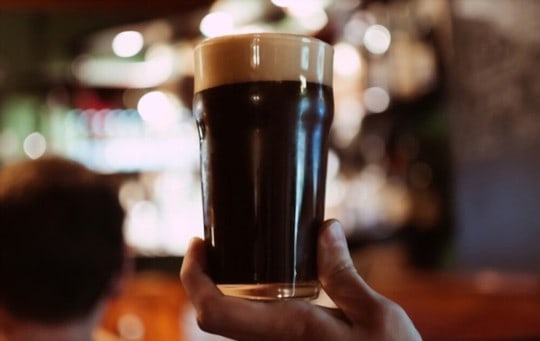
Stout, a type of beer that originated in the United Kingdom, is known for its dark color and strong flavor.
Unlike other beers, stouts use roasted malted barley during the brewing process, which gives it that signature rich taste.
While stouts are often associated with Guinness, the most popular brand of stout, there are many different variations of this beer.
Some stouts are brewed with added ingredients such as chocolate, coffee, or even oysters.
The high alcohol content of stouts, which can range from 5-10%, also adds to their powerful flavor.
Despite their bold taste, stouts are a versatile beer that can be enjoyed on their own or paired with a variety of foods, from burgers to chocolate cake.
Whether you're a beer connoisseur or new to the world of stouts, this type of beer is sure to make a strong impression.
For pairing ideas that contrast stout richness with bright flavors, what goes well with lemon in desserts lists complementary bright matches that can cut through roasted notes.
Differences Between Brown Ale and Stout
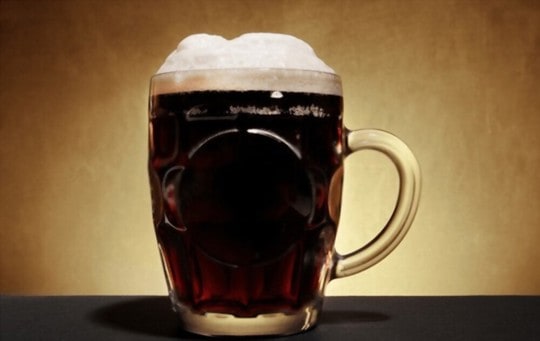
There are several key differences to consider before making a decision.
These two types of beer have their unique characteristics, and each offers a distinct flavor that appeals to different palates.
While both contain roasted malt as the primary ingredient, the brewing process, hops used and yeast strains differ between them, resulting in pronounced differences in taste.
If the distinction between subtle and robust flavors interests you, piloncillo vs brown sugar breakdown highlights how darker sweeteners change taste in cooking and tasting.
Origin and History
The history and origins of Brown Ale and Stout trace back to the UK in the 18th century.
These two beer styles were prevalent among dockworkers and later became widely popular in pubs across the country due to their unique taste.
Both Brown Ale and Stout were brewed using roasted malt, which gives them their distinct aroma, flavor, and color.
Brown Ale is a traditional English beer that originated from Newcastle upon Tyne.
It's malty, nutty, and slightly sweet with a low ABV (alcohol by volume) compared to other beer styles.
On the other hand, Stout was invented in Ireland during the early 1700s.
Originally known as 'Stout Porter', it was brewed with dark-roasted malt, which gave it its thick texture and bold flavor.
Today, Brown Ale and Stout have become global sensations with many variations available for consumers worldwide.
Many breweries experiment with different flavors such as chocolate or coffee notes to add an extra dimension to these classic beers.
Ingredients Used
The brewing process involves a variety of ingredients for both brown ale and stout.
These include water, malted barley, hops and yeast.
However, the proportion and type of malted barley used vary between the two types of beer.
Brown ale typically uses roasted malts with lighter malts to produce a nutty flavor while stout uses darker roasted malts that add complexity to its taste.
Also, the hops play an essential role in adding bitterness to the beer's flavor during the brewing process.
Brown ale uses low hop bittering to create a mild taste, whereas stout uses higher hop levels to balance out the richness from the dark roasted malts.
Also, yeast selection is important in determining the beer's final character.
For instance, brown ale typically ferments with top-fermenting yeast that creates fruity esters contributing to its sweetness.
Stout commonly employs bottom-fermenting yeast that produces clean taste.
Color and Appearance
The appearance and hue of beer are important elements that can make or break a good drinking experience.
The color of a brew ranges from light, amber to dark brown and can affect the overall sensory experience.
Each variety of beer has its unique coffee, chocolate, caramel, or roasted malt colors.
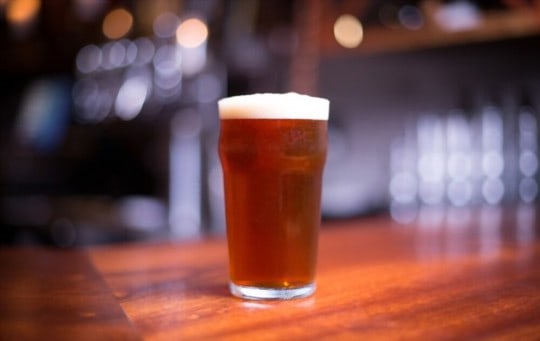
When considering Brown Ale vs Stout, Brown Ale usually shows lighter hues, ranging from amber to chestnut-colored.
They possess a smooth and creamy texture with moderate carbonation levels.
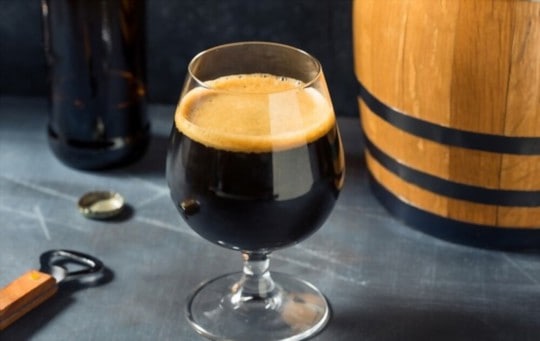
On the other hand, Stouts typically have darker colors due to their darker grains or malts' roasting process.
They tend to look black, dense, and opaque with distinctive creamy heads that linger.
Also, the foam formation differs between the two styles with Brown Ales generally having a thin head while stouts having foam bubbles lingering on top for an extended period.
The bubbly coating generates more flavor as it adds a velvety element to the character-building ritual.
It's essential to understand how important color and appearance are when choosing between Brown Ale vs Stout since they impact not only taste but also drinkers' olfactory senses and expectations.
flavor
Crafting beer is an art, and flavors are important in attracting customers.
Both Brown Ale and Stout have unique and complex flavors that capture the interest of beer enthusiasts.
The flavor of both beers mainly depends on their ingredients, brewing process, and age.
Brown Ale has a sweet caramel, nutty taste, with malty undertones.
It also has a slight bitterness that blends well with its sweetness.
The flavor of Brown Ale is medium-bodied, has low carbonation, and alcohol content.
On the other hand, Stout has a more roasted character than brown ale and tastes like coffee or dark chocolate.
A Stout is also thicker compared to brown ale due to the presence of unmalted roasted barley.
Its flavor is also full-bodied with higher alcohol content.
Unique to Brown Ale is its mild fruity sweetness that complements its malty undertones, setting it apart from the heavier flavors of stout.
Meanwhile, Stout offers diverse tastes due to various subcategories such as Milk Stout or Imperial Stout.
Alcohol Content
When choosing between a brown ale and stout, the alcohol content is an essential factor to consider.
The ABV percentage varies between different brands and styles of beer.
However, in general, stouts tend to have a higher alcohol by volume (ABV) than brown ales.
Stouts typically have an ABV ranging from 5% to 10%, with some even having up to 15%.
On the other hand, brown ales usually have an ABV between 4% and 8%.
This makes stouts a better option for those looking for a stronger buzz or a higher alcohol concentration in their beverage.
Alcohol content should not be the only deciding factor when it comes to choosing between these two popular types of beer.
Other factors such as taste, aroma, and appearance should also be considered.
Ultimately, the best beer for you is subjective and depends on personal preference.
For more on how production affects ethanol strength, grain alcohol vs vodka comparison explains concentration differences that mirror spirit classifications.
Similarities Between Brown Ale and Stout
Brown Ale and Stout are two popular beer styles that share some interesting similarities.
Both beers belong to the ale family, are dark in color, and have a rich flavor characterized by notes of coffee, chocolate, and roasted malts.
Also, they are commonly served at room temperature or slightly chilled.
Apart from these shared features, there are still some distinguishing factors between Brown Ale and Stout.
While Brown Ales tend to be malt-forward with a balanced bitterness, Stouts tend to emphasize the roasted malts that give them their characteristic flavors.
Also, Stouts are typically more full-bodied than Brown Ales.
When comparing close-but-distinct varieties, black vs brown mustard seeds comparison highlights subtle flavor contrasts similar to those between these beer styles.
Food Pairings with Brown Ale and Stout
Brown ale and stout are two popular options that can accompany a variety of meals.
Brown ale pairs well with dishes such as roasted meats, vegetables, hearty stews, and nutty cheeses.
Stout, on the other hand, goes well with desserts like chocolate cakes or truffles, oysters, grilled food or BBQ dishes.
Both beers comprise complex flavor notes that match with different types of cuisine.
For instance, brown ale has hints of caramel and dark fruit which complement foods cooked in a savory sauce.
While darker stouts have bitterness that cuts through rich flavors in BBQ or grilled meats.
In summary, when choosing between brown ale and stout for your meal pairing, consider the intensity of flavors you currently desire from your dish and select the one that fits your taste profile best.
For prep techniques that affect texture in pairing dishes, food mill vs ricer comparison shows which tool yields smoother sides for hearty beers.
Flavor Characteristics of Brown Ale and Stout
Sometimes lumped together, brown ales have a light to medium body, smooth texture, and malty sweetness with complex nutty flavors.
Meanwhile, stouts have bold coffee or cocoa bean tastes that can be accompanied by notes of dried fruits such as dates or raisin.
By understanding the difference between these two beers we can better enjoy their unique qualities and appreciate both of them for what they bring to the table.
However you decide to explore them, with great care should be taken to identify which beer is more suitable for any setting - whether that's within a cozy pub on a cold winter's night, or outside in the summer breeze.
In any case, there's no denying that these two beers can be enjoyed in equal measure.
Frequently Asked Questions
Have you ever been to the local pub and seen a difference between Brown Ale and Stout? They share some similarities but each has qualities that make it better suited for certain recipes.
Sometimes. Brown Ale works where Stout is called for in certain dishes, but not all.
Check whether the recipe relies on a specific quality before substituting.
Cold preparations like salads and dressings often favor the option with a sharper, more defined flavor. Heat can mellow both, so the distinction matters more in uncooked dishes.
Do professional cooks prefer one over the other?
Professional preference depends heavily on the dish and cuisine style.
Each has its context where it outperforms the other, so most experienced cooks keep both on hand.
Brown Gravy vs White Gravy: flavor and use comparison shows how sauce choices change a meal. Brown Sugar vs Cane Sugar: sweetness and texture comparison explains how different sugars alter recipes.