
Summary of key points
The main difference between Ceylon and Saigon cinnamon is in the type of tree used for harvesting. Ceylon cinnamon comes from a small evergreen tree native to Sri Lanka, while Saigon cinnamon comes from a larger tree found in Vietnam.
In terms of taste, Ceylon cinnamon has a milder and sweeter flavor, making it popular for use in desserts and baked goods. Saigon cinnamon has a stronger and spicier taste, often used in savory dishes and as a seasoning.
Both varieties of cinnamon have anti-inflammatory and antioxidant properties. However, Ceylon cinnamon contains lower levels of coumarin, a compound that can be harmful in high doses.
Whether you prefer the subtle sweetness of Ceylon or the bold spiciness of Saigon, both types of cinnamon can add a delicious flavor boost to your meals and provide potential health benefits as well.
Ceylon versus Saigon cinnamon might sound like a battle from history books. Yet, here we are, sorting spices in our kitchen.
First up, Ceylon cinnamon. We call it the "true cinnamon." Its taste?
Sweet, delicate. Folks favor it for desserts.
Then there's Saigon cinnamon. The heavy hitter.
This one packs a spicy punch. Ideal for bold dishes.
We've had our share of cinnamon mishaps. Ever bite into a cinnamon roll expecting sweetness and get a spice explosion instead?
Yep, that's Saigon's surprise.
Navigating these spices has been quite the trip. We've learned loads, and our dishes?
Way more interesting.
What is Ceylon Cinnamon?
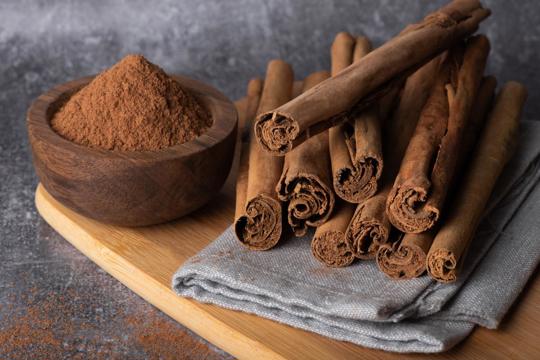
Ceylon cinnamon, also known as "true cinnamon", is a sweet and aromatic spice.
It comes from the bark of the Cinnamomum verum tree.
It is mainly grown in Sri Lanka and has a delicate flavor compared to other types of cinnamon.
It is easy to grind into a fine powder, great for cooking.
Used for centuries in Ayurvedic medicine, Ceylon cinnamon offers many health benefits.
It has antioxidants, which may reduce inflammation and decrease the risk of diseases like heart disease and diabetes.
Studies show it can even help with blood sugar control and insulin sensitivity.
Ceylon cinnamon is perfect for desserts and beverages - try lemon dessert pairings that complement cinnamon for bright, balanced sweets.
It adds a mild and sweet taste.
It is great in apple pies, custards, hot chocolate, and over oatmeal.
Try Ceylon cinnamon next time you cook.
You'll love how this unique spice transforms your dishes.
What is Saigon Cinnamon?
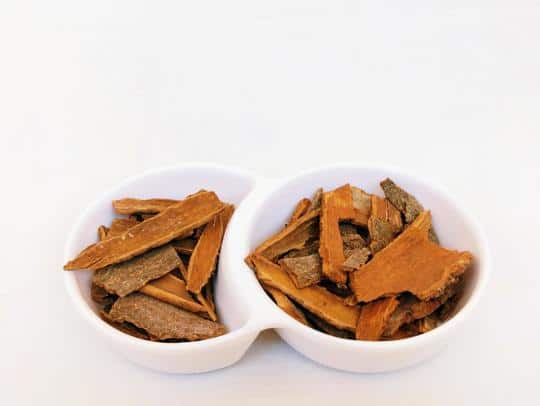
Saigon Cinnamon, also known as Vietnamese cinnamon, is a spice derived from the bark of trees native to Vietnam.
It has an incredibly sweet and spicy flavor, plus an impressive aroma.
Plus, it has higher essential oil content than other cinnamons.
It's a good addition to sweet and savory dishes.
Plus, it offers various health benefits.
These include anti-inflammatory antioxidants, improved digestion, and better blood sugar regulation.
It's a popular choice for baking.
You can use it to make apple pie, cinnamon rolls, and cookies.
A little bit of this cinnamon goes a long way, since its flavor is so strong.
It also pairs well with savory dishes like curries, stews, and marinades.
Saigon Cinnamon looks similar to Ceylon cinnamon, but its flavor is bolder.
If you're looking for a more strong cinnamon experience, this is the perfect choice.
Saigon's bold, spicy-sweet profile pairs well with rich, savory condiments - guacamole pairing ideas for bold flavors offers combos that stand up to assertive spices.
Differences Between Ceylon Cinnamon and Saigon Cinnamon
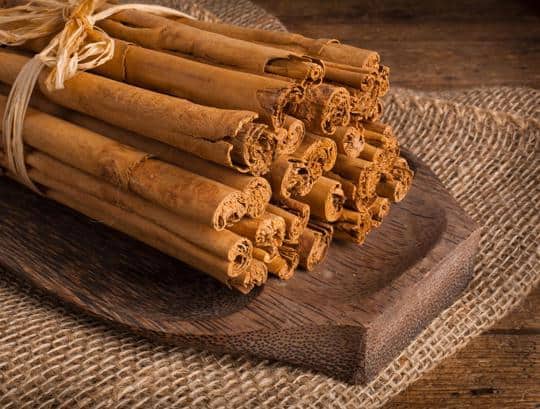
These differences make each type suitable for different culinary uses - see a cinnamon cassia vs bark comparison guide to understand how bark type affects uses.
1 - Source and Origin
Ceylon and Saigon cinnamon have different origins.
Ceylon cinnamon is from the bark of the Cinnamomum verum tree, native to Sri Lanka.
Saigon cinnamon comes from the bark of Cinnamomum loureiroi, grown mainly in Vietnam.
Ceylon cinnamon has a mild, sweet flavor and aroma.
Saigon cinnamon has a bolder, more pungent taste with spicy warmth.
These two cinnamon varieties also look different.
Ceylon cinnamon sticks are thin and light brown, while Saigon cinnamon is thicker and darker.
When ground into powder, they have a similar texture.
Both offer health benefits, including anti-inflammatory properties and blood sugar regulation.
But each type has different levels of chemical compounds that give it its unique flavor and aroma.
2 - Appearance and Texture
Ceylon and Saigon cinnamon differ in appearance and texture.
Ceylon has a light color, is delicate and crumbly.
Saigon has a darker shade and coarser texture.
Ceylon is often called "true" or "real" cinnamon due to its special qualities.
Its bark breaks into many layers like quills. It adds a nice touch to dishes.
Saigon has a reddish-brown bark, stronger aroma and more intense flavor when ground or crushed.
It's great for adding a kick to recipes. Both offer advantages in culinary applications.
Ceylon's delicate nature makes it perfect for garnishing.
Saigon's bold flavor and coarse texture make it great for rich desserts.
For contrasting textures in dishes, pair crumbly or coarse cinnamon with creamy elements - vegan hummus recipes for creamy texture demonstrate how creaminess complements firmer spices.
3 - flavor
They have different flavors - for a closer look at how flavor is described, read an extract vs flavor comparison explained to nail down tasting terms.
Ceylon has a light, citrusy aroma and sweet clove hints, perfect for desserts and baking.
Saigon is more intense, with a heat and spiciness, and a touch of sweetness and pepper.
You can use it for savory dishes like curries or stews.
Both offer unique flavor experiences to take your cooking to another level.
4 - Coumarin Content
Ceylon and Saigon cinnamon - commonly compared.
But what sets them apart? Their coumarin content.
Coumarin is a natural compound found in cinnamon.
Too much of it can be harmful. Ceylon cinnamon has lower levels of coumarin.
This makes it a safer choice for those who consume large amounts of the spice regularly.
Plus, it's sweeter and more delicate than Saigon cinnamon's stronger and bolder taste.
Consider the coumarin content and make an informed decision when choosing between these two popular spices.
Similarities Between Ceylon Cinnamon and Saigon Cinnamon
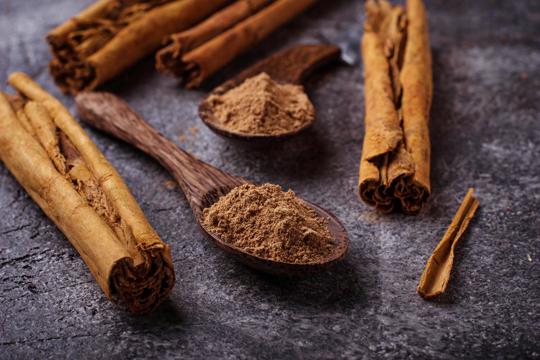
Ceylon and Saigon cinnamon may look alike, but they have distinct differences.
They both come from tree bark.
Both have a sweet and spicy taste, so they are often used in cooking and drinks - see ground cinnamon substitutes list for alternate options that preserve that profile.
They also have health benefits, like antioxidants and anti-inflammatory properties.
So, if you want flavor and potential health advantages, these two types of cinnamon are a great choice.
Still, each one is unique.
Culinary Uses of Ceylon and Saigon Cinnamon
Ceylon and Saigon cinnamon have different uses in the kitchen.
Ceylon cinnamon, also known as "true" cinnamon, is often used for sweet dishes such as desserts and baked goods.
It adds a gentle warmth to these treats.
Saigon cinnamon, or Vietnamese cinnamon, has a spicy flavor.
It is great for savory dishes like stews, curries, and soups.
Ceylon cinnamon blends easily with other ingredients and doesn't overpower them - consult a cinnamon taste guide for pairing to match it with complementary flavors.
It can enhance both sweet and savory recipes.
Saigon cinnamon has a strong flavor and is great for dishes that need a stronger spice.
Ceylon cinnamon has a delicate aroma that adds a nice scent to dishes.
It lingers lightly on the palate.
Saigon cinnamon has a bolder scent that fills the room quickly.
Overall, these two types of cinnamon can be used interchangeably.
Experimenting with them can bring unique nuances to your cooking.
Ceylon and Saigon cinnamon give different options for flavoring dishes.
Whether you want a subtle touch or a fiery burst of flavor, they are sure to impress.
So why not try them out and find which type of cinnamon is best for you?
Flavor and Origin Differences in Cinnamon
Ceylon cinnamon is delicate and sweet, perfect for desserts and beverages.
Saigon cinnamon is bolder, with higher oil levels, making it great for savory dishes and spices.
Both have their own unique qualities and uses.
It all depends on personal preference and what you're cooking.
Next time you reach for the jar of cinnamon, think about the flavors you want, and choose accordingly to take your cooking to new heights.
Good side pairings help build a full cinnamon-forward spread. cinnamon rolls side dish ideas lists complementary sides. cinnamon shelf life guide explains how long different cinnamons stay fresh.
Frequently Asked Questions
The main difference between Ceylon and Saigon cinnamon is in the type of tree used for harvesting. They share some similarities but each has qualities that make it better suited for certain recipes.
In many recipes, yes. Ceylon and Saigon Cinnamon fill similar roles, though each brings its own character.
Try a small test batch before committing to a full swap.
Availability varies by region. One is usually a standard grocery store item while the other may require a specialty or international market depending on where you live.
Can a beginner tell the difference by taste?
In a side-by-side tasting, yes.
The difference becomes less obvious when mixed into a recipe with other ingredients.
Most people notice the distinction more clearly on its own.