
Chop Suey and Chow Mein grace the menus of nearly every Chinese restaurant we've ambled into.
What makes them stand out?
Believe it; these dishes carry stories beyond their plates.
Rooted in Chinese cuisine, they've traveled worlds to adjust to our local favorites.
We've all had that moment at a table, debating which to order.
And, oh, how we've debated! Our go-to has always been Chop Suey for its saucy allure.
Yet, Chow Mein holds a special place with its crunchy noodles.
In this showdown, we're digging deep. No holds barred.
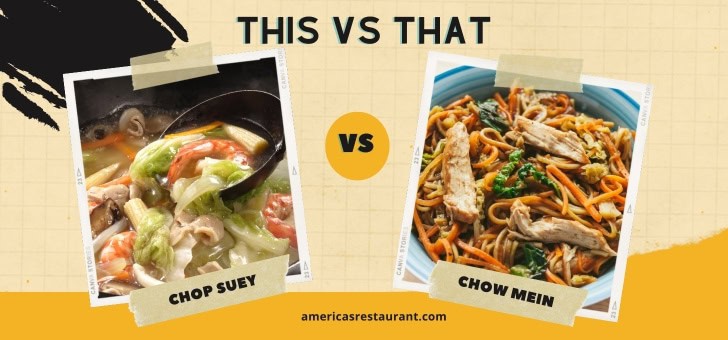
What is Chop Suey?
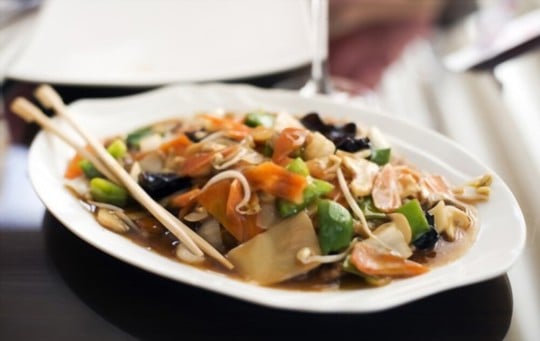
Chop Suey, a dish that originated in America, is a fusion of Chinese cooking techniques and ingredients.
It comprises stir-fried vegetables like celery, onions, and bean sprouts garnished with meat and served with rice.
Chop Suey is typically prepared by sautéing the vegetables and then adding meat or tofu.
The mixture is further cooked with mushrooms and soy sauce to infuse flavor and aroma.
Once cooked to perfection, this tasty meal is served with rice for a filling meal.
Chop suey is loaded with important nutrients such as protein, dietary fiber, vitamins, antioxidants, and minerals that help boost our immune system and promote overall wellbeing.
It helps regulate blood sugar levels as it contains a low glycemic index.
In contrast to Chow Mein that requires deep-frying noodles which adds oil content making it less healthy, Chop Suey makes the perfect guilt-free option for those who prefer healthier meal alternatives.
When choosing a meat for chop suey, options like pork have nuances - pork cutlet vs pork chop comparison for cooking explains which works best in different preparations.
What is Chow Mein?

Chow Mein is a popular Chinese dish that originated from the northern provinces of China.
It comprises stir-fried noodles, vegetables such as celery, bok choy, and cabbage, meat or seafood, and spices such as ginger and garlic.
This dish features thin noodles that are boiled beforehand and then stir-fried until they turn crispy.
The noodles are then mixed with vegetables and meat or seafood that's been sautéed with different spices.
The end result is a flavorful dish with contrasting textures.
Chow Mein is well-known around the world for its versatility and ability to adapt to different flavors, making it a sought-after dish at Chinese restaurants.
Some variations of Chow Mein include chicken chow mein, beef chow mein, shrimp chow mein or a vegetarian variant made with tofu.
In addition to its taste profile, Chow Mein provides nutritional benefits too.
It's high in protein content due to the usage of meat or seafood as primary ingredients.
Consuming Chow Mein regularly can help provide energy needed throughout the day while also providing essential vitamins and minerals from the vegetables used in preparation.
Overall, Chow Mein offers a tasty recipe filled with umami flavors along with being nutritious - a perfect combination for those consumers who would like to enjoy a filling meal without compromising their health goals.
If deciding between noodle styles, noodle thickness and texture matter - Chow Mei Fun vs Lo Mein comparison of noodle textures breaks down the differences.
Differences Between Chop Suey and Chow Mein
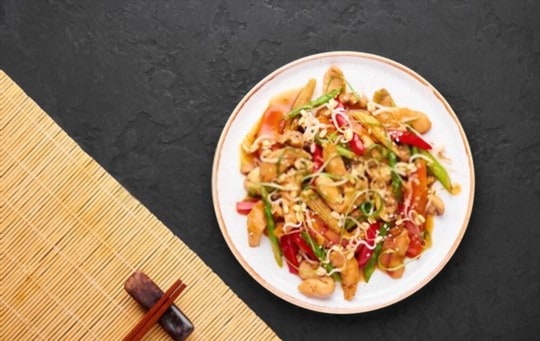
Chow Mein and Chop Suey are two of the most popular Chinese dishes.
While they may look similar, they have fundamental differences that sets them apart.
- Chow Mein is a noodle-based dish while Chop Suey is vegetable-based with meat added in.
- The preparation method for both dishes also varies. Chow Mein is stir-fried, while Chop Suey can be boiled or steamed.
Also, there are regional variations within each dish, so the specific ingredients used may themselves differ.
Some versions of Chow Mein can be crispy or soft noodles depending on where you go.
Alternatively, some versions of Chop Suey might use a gravy-like sauce versus others without any sauce at all.
Overall, when placing an order, it's important to understand what you're getting in terms of dish and flavor preferences as these two entrees offer different eating experiences altogether.
Perhaps trying both would allow for a better understanding of these distinctions making your future choices easier to make.
Differences in cut and preparation change a dish's character - lamb shank vs lamb chop: difference in cuts offers a useful analogy for how ingredients alter outcomes.
Ingredients Used
The types of ingredients used in Chop Suey and Chow Mein vary greatly.
Both dishes include vegetables such as bean sprouts, cabbage, carrots, onions and celery.
However, meat used in Chop Suey can range from chicken to beef while Chow Mein primarily uses noodles as its main ingredient.
Various sauces and flavours such as soy sauce and oyster sauce are used in both dishes to improve the taste.
Overall, the ingredients in Chop Suey and Chow Mein differ mostly when it comes to the type of protein used.
Preparation Method
To explore the details of preparing Chinese cuisine, let's unfold how these dishes are prepared.
- First, start by selecting your ingredients for the recipe. The required ingredients differ in different styles due to their disparities in sauce and flavors.
- Heat a wok or pan over high heat with oil to get ready for frying.
- Cut vegetables into small pieces that are uniform in size so they cook evenly.
- Use a high-heat cooking method and quickly stir-fry vegetables, followed by meat, seafood, tofu, or other proteins if used.
- Then add sauces and spices to bring out the flavor fully.
- Cook until everything is well combined enjoy.
Some unique information about preparation methods can help you do the magic; however, it depends on individual preference like preferring noodle dishes over rice-based dishes such as fried rice because that involves more ingredients to maintain texture while keeping flavors lively throughout the dish.
Flavor and Texture
The taste and texture of Chop Suey and Chow Mein are distinct in their own way.
While both dishes comprise noodles, Chop Suey is made with vegetables, meat, and a thick sauce that gives it a rich flavor.
In contrast, Chow Mein has a drier texture as it is stir-fried with veggies and meat, without the added gravy.
This difference in texture leads to varying tastes - Chop Suey being juicier while Chow Mein has a crispier feel.
Also, Chop Suey comprises cooked ingredients which enhance its taste profile compared to Chow Mein that mostly uses raw veggies like cabbage and carrots for crunchiness.
No doubt, both dishes are flavorful; however, it depends on personal preference between an indulgent saucy meal or a lighter yet fulfilling one.
It is essential to understand that the sauces used in Chop Suey have a significant impact on its taste profile.
Some variants use fiery sauces whereas others use sweet ones which offer an element of surprise when eating the dish for the first time.
Overall, both Chop Suey and Chow Mein have unique flavors - depending on the occasion or mood; either could be opted as a better option than the other.
Understanding what drives taste helps clarify differences - extract vs flavor explanation for taste outlines how concentrated components influence dish profiles.
Serving Style
The presentation style of Chop Suey and Chow Mein dishes greatly differ.
While Chop Suey is typically served as a stew-like dish with various meats, vegetables, and sauces mixed together, Chow Mein is served as a crispy noodle-based stir fry dish.
It truly depends on one's preference when it comes to the serving style of these two popular Chinese-American dishes.
When ordering Chop Suey, the ingredients are chopped up into small pieces and simmered in a thick sauce before being poured over rice or noodles.
In contrast, Chow Mein is a dish that features pan-fried noodles combined with meat and vegetables.
Both styles offer a unique experience in terms of texture and taste.
Also, Chop Suey has its roots in traditional Chinese cuisine while Chow Mein is an American creation that originated from the Cantonese community living in California.
While both dishes have become staples in Chinese-American cuisine, their origins explain their distinct serving styles.
In summary, the decision between Chop Suey and Chow Mein ultimately comes down to personal taste preference.
Whether you enjoy a savory stew or crisp noodles in your meal, both options have something unique to offer.
Presentation changes the eating experience - Detroit Style Pizza vs Chicago Style Pizza serving comparison shows how format reshapes perception of similar ingredients.
Similarities Between Chop Suey and Chow Mein
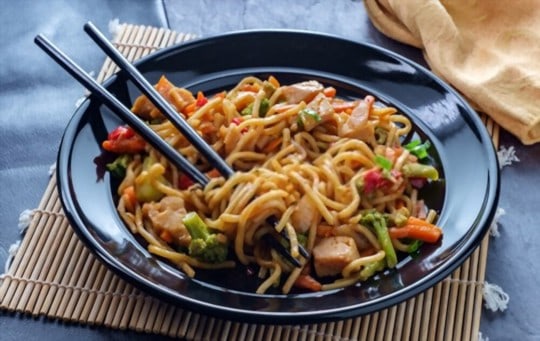
Both Chop Suey and Chow Mein are traditional Chinese dishes that have been popularized all over the world.
These two meals share a lot in common.
They both contain meat, vegetables and noodles as their main ingredients.
The vegetables used in the dishes are typically onions, bean sprouts, cabbage, carrots and celery.
The meat options usually include chicken, shrimp or beef.
To add more savory flavors to the dish, soy sauce is used as a primary seasoning agent.
Overall, both these dishes are made with stir-fried vegetables and some protein options along with the noodles to form a nice meal.
What sets these two dishes apart from each other is the texture of their noodles and cooking methods which bring differences in taste and composition.
The texture of chow mein's crispy fried egg noodles differs from chop suey's soft rice noodles giving it a distinctive flavor.
Also, chow mein seems to be predominantly noodle-based while chop suey has equal amounts of protein and vegetables as well as the noodles added together into one dish.
Consequently, while some prefer chop suey because of its fluffy rice noodle base with equal volumes of meat and veggies altogether; others relish chow mein for its crunchy golden-brown fried egg noodle base.
Ultimately, it all depends on personal preference when it comes to deciding which dish - Chop Suey or Chow Mein- would make your palate happy.
When comparing noodle dishes, overlap in ingredients often masks technique differences - Lo Mein vs Pad Thai comparison of noodle dishes highlights how similar components yield distinct results.
Popular Variations of Chop Suey and Chow Mein
The world of Chinese cuisine is filled with an array of delicious dishes, but two that often confuse diners are chop suey and chow mein.
These two dishes may seem similar at first glance, but they do have some differences.
Chop suey is a popular variation of Chinese-American cuisine that typically includes a mix of vegetables and meat in a slightly thickened sauce.
On the other hand, Chow Mein is a dish consisting of stir-fried noodles along with vegetables and meat, served either crispy or soft.
What's unique about these dishes is how they're cooked and served.
Chop Suey usually has ingredients cut into small cubes, while Chow Mein uses long, thin noodles to complement its flavourful sauce.
In summary, both Chop Suey and Chow Mein are delicious dishes in their own right; however, the key difference lies in their ingredients and cooking style.
It all comes down to your personal preference - choose according to your palate.
Swapping noodles changes texture and cook time - noodle varieties and substitutes for lo mein lists good alternatives for different styles.
Which is a Better Option: Chop Suey or Chow Mein?
Which one should you go for? The answer lies in several factors such as your personal preference, dietary restrictions, and nutritional value.
Here is a look at the world of Chinese cuisine to explore which dish has a better appeal.
Chop Suey is a traditional Chinese dish made with meat or seafood, vegetables and gravy served over rice.
It usually has a slightly thicker consistency than other Chinese dishes.
On the other hand, Chow Mein is a stir-fried noodle-based dish that contains crunchy vegetables, protein and sometimes seafood mixed with boiled noodles.
If you want something light yet flavourful in taste with more veggies then go for Chow Mein.
In contrast, if you prefer thicker sauces or gravies and if you are restricted from eating wheat-based products, then Chop Suey might be the better option for you.
Both dishes contain ingredients that are necessary for maintaining good health because Chinese cooking tends to use fresh vegetables rich in micronutrients like vitamins and minerals.
However, keep in mind that some variations of these dishes may include high levels of sodium, fats & calories due to the type of meat used or sauces added during preparation.
All things considered there isn't necessarily one "better" between these two options as both dishes have unique qualities depending on one's preferences.
Always consider your taste preference - whether savory or spicy when making this choice - and choose wisely accordingly.
Considerations for Choosing Between Chop Suey and Chow Mein
When deciding between Chop Suey and Chow Mein, there are various aspects to consider.
- Determine your preference for the type of dish - a stir-fry (Chop Suey) or a noodle dish (Chow Mein)?
- If you're looking for a more protein-filled meal, Chop Suey may be the way to go.
- On the other hand, if you're interested in a lighter option with more veggies, go with Chow Mein.
- Nutrition-wise, both dishes are low in calories but beware of added sodium levels.
- Also, if food allergens are a concern, ensure that each ingredient is checked before making your choice.
Key Differences Between Chop Suey and Chow Mein
After comparing the flavor and nutritional content of Chop Suey and Chow Mein, one cannot declare a clear winner in terms of better option.
Both dishes offer unique tastes and nutrient values.
However, considering personal preferences, dietary restrictions or health goals, one may choose one over the other.
Both dishes are relatively healthy options as they include plenty of fresh vegetables.
However, depending on the preparation method and ingredients used, the calorie count may vary from dish to dish.
Therefore, individuals might opt for either Chop Suey or Chow Mein based on the caloric intake that meets their dietary needs.
Frequently Asked Questions
The noodles are then mixed with vegetables and meat or seafood that's been sautéed with different spices. They share some similarities but each has qualities that make it better suited for certain recipes.
Sometimes. Chop Suey works where Chow Mein is called for in certain dishes, but not all.
Check whether the recipe relies on a specific quality before substituting.
Cold preparations like salads and dressings often favor the option with a sharper, more defined flavor. Heat can mellow both, so the distinction matters more in uncooked dishes.
Do professional cooks prefer one over the other?
Professional preference depends heavily on the dish and cuisine style.
Each has its context where it outperforms the other, so most experienced cooks keep both on hand.
22 Pork Chop Dinners That Are Anything but Boring - pork chop dinners collection for variety. 13 Keto-Friendly Pork Chop Recipes for Low-Carb Dinners - keto-friendly pork chop recipes for low-carb meals.