
Or maybe even been presented with both dishes in a buffet setting, unsure which one to try first?
What types of noodles do they each use? How are they prepared differently?
Most importantly - how will each dish taste when it arrives on your plate or in your take-out box?
Get ready to explore all that chow mei fun and lo mein have to offer.
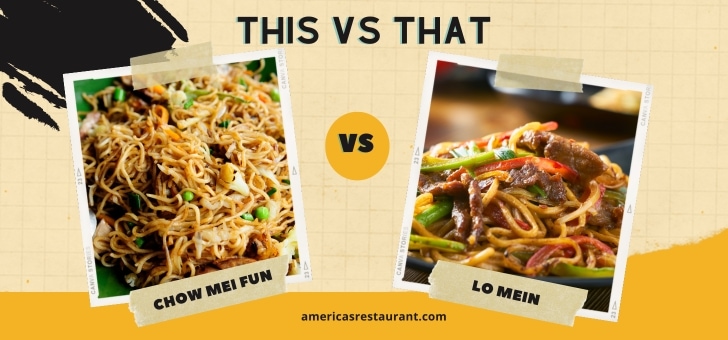
What is Chow Mei Fun?

Chow Mei Fun may not be a household name in the Western world, but it holds a special place in the hearts of many Asian cuisine connoisseurs.
Also known as rice noodles, Chow Mei Fun is a staple in many Chinese and Southeast Asian recipes - see Chop Suey vs Chow Mein comparison for related noodle distinctions.
Made from rice flour and water, these thin noodles are free of gluten, cholesterol, and fat.
The texture is delightfully soft and gooey, making it perfect for soaking up all the flavors of a rich broth or sauce.
What sets Chow Mei Fun apart from other types of noodles is its versatility.
You can stir-fry it with vegetables and protein, toss it in a flavorful broth, or use it as a base for a cold noodle salad.
With its mild taste and lightness, it plays well with other flavors and textures, making it perfect for experimentation in the kitchen.
But don't be fooled by its simplicity.
The secret to making the perfect Chow Mei Fun lies in the art of cooking and pairing it with the right ingredients.
Here is a look at the details of this beloved Asian delicacy and discover why it's worth your culinary attention.
What is Lo Mein?

Lo Mein is a Chinese dish known for its savory flavor and tasty noodles.
In many American Chinese restaurants, it is a popular staple item on the menu, often ordered alongside other classics like General Tso's chicken and egg rolls.
This savory dish can be served with a variety of meats, vegetables, and sauces, making it a versatile option for any palate.
The dish itself consists of noodles that are typically made with wheat flour, egg, and water, then boiled until tender before being mixed with a variety of flavorful ingredients.
From the crispy texture of fried noodles to the softness of boiled ones, Lo Mein's consistency can vary depending on the cooking method.
Whether you're new to Asian cuisine or a seasoned fan, Lo Mein is undoubtedly a dish worth trying at least once.
Citrus pairings can change perceived savory balance; see what goes well with lemon in desserts? 9 best options for common citrus matches and contrasts.
Differences Between Chow Mei Fun and Lo Mein
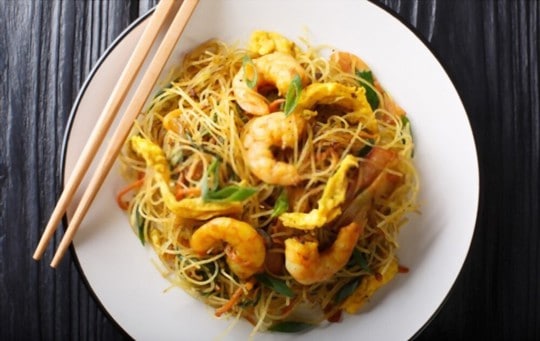
Chow Mei Fun and Lo Mein are two popular dishes in Chinese cuisine.
Both have subtle differences that set them apart from each other.
Chow Mei Fun is a lighter dish compared to Lo Mein, as it is made with thin rice noodles, while Lo Mein is made with egg noodles which gives it a chewier texture - compare Lo Mein vs Pad Thai comparison for noodle contrasts.
Origin
Chow Mei Fun and Lo Mein are two popular Chinese noodle dishes that have gained worldwide fame.
Chow Mei Fun, also known as rice noodles, originated from Southern China, while Lo Mein hails from Northern China.
Both dishes have different preparations and varying ingredients, giving them distinct flavors and textures.
Chow Mei Fun is made of thin rice noodles stir-fried with meat and vegetables in a light sauce or broth.
On the other hand, Lo Mein comprises thicker wheat-based noodles mixed with meat, vegetables, and a heavy sauce.
While both dishes are equally delicious, Chow Mei Fun is lighter on the palate due to its minimal use of sauces and oils.
In contrast, the sauce-laden Lo Mein has a more strong taste that might be too overwhelming for some.
It's worth trying both these dishes to savor their unique flavors.
Or better yet, you can experiment by mixing both noodles to create your fusion dish that combines the best of both worlds.
Ultimately, whether you prefer Chow Mei Fun or Lo Mein comes down to personal preference based on your palate' preferences.
Ingredients Used
The ingredients used in Chow Mei Fun and Lo Mein differ depending on the recipe's origin.
Chow Mei Fun usually consists of thin rice noodles, vegetables like bean sprouts, carrots, and green onions, protein sources like chicken, shrimp or pork and soy sauce.
Lo Mein is made with wheat flour noodles, vegetables such as bok choy or cabbage, protein sources of beef or pork and often mixed in a savory sauce.
Both dishes pack flavor and nutrition.
In terms of health consciousness, Chow Mei Fun has lesser calories but higher sodium content compared to Lo Mein.
This is because the soy sauce used to flavor Chow Mei Fun is typically saltier than the sauce used in Lo Mein recipes.
However, both dishes can be made healthier by using low-sodium sauces or including more veggies instead of meat.
While both dishes may appear similar in appearance and taste palatable, understanding their differences can impact one's decision when ordering Chinese food or cooking at home.
It ultimately boils down to personal preference for texture, taste profile and nutritional needs.
Preparation Method
Chow Mei Fun and Lo Mein are two popular Chinese dishes that are often confused with each other.
While both dishes use thin noodles, they differ in several aspects, including their preparation method.
Here's how to prepare Chow Mei Fun or Lo Mein like a pro.
- Boil Water: Bring a pot of water to boil.
- Add Noodles: Once the water is boiling, add the noodle to the pot.
- Cook Time: Cook for 4-6 minutes until it's tender or al dente.
- Strain Noodles: Strain the noodles using a colander or strainer.
- Rinse Noodles (Optional): Rinse with cold water to prevent further cooking and sticking together.
- Ready to Serve: The noodle is now ready to serve either in Chow Mei Fun or Lo Mein recipes.
It's essential to note that you can season your noodles using different sauces and spices depending on your preference.
There's a variation in the type of noodles used.
Chow Mei fun is made from rice or cornstarch, while Lo Mein is made from wheat flour.
Also, Chow Mei Fun is commonly stir-fried while Lo Mein is usually sauced and served as a soup-based dish.
Preparing either dish requires boiling the noodles first before proceeding with the recipe's next steps without overcooking them as this results in soggy or mushy noodles.
Texture and Mouthfeel
The mouthfeel and texture of noodles is a important factor that determines the overall experience of eating them.
Both have distinct differences in texture and mouthfeel.
Chow Mei Fun is thinner and more delicate than Lo Mein, which provides a lighter but chewier mouthfeel.
On the other hand, Lo Mein has thicker noodles with a denser bite and less slippery texture.
Also, the texture of Chow Mei Fun complements its delicate flavor which results in a light dish.
However, it may not be able to withstand heavily laden sauces as they tend to overpower the details of this dish's flavors.
In contrast, Lo Mein's dense mouthfeel adds a savory backdrop to bold flavors due to its thick noodles, making it an excellent option for saucy dishes that require stronger flavors.
To further differentiate between these two dishes, one must consider that Chow Mei Fun is made with rice flour rather than wheat flour used in making Lo Mein.
Rice flour imparts a unique sweetness and lightness into the dish compared to wheat flour, which adds more weightiness.
In summary, when choosing between Chow Mei Fun and Lo Mein, consider whether you prefer lighter or denser noodles based on your overall taste preference for different kinds of dishes.
Both options offer their unique textures and mouthfeels suited for different occasions and food pairings.
For techniques that achieve a notably smooth mouthfeel in plant-based dishes, consult 13 vegan hummus recipes for creamy texture.
Flavor and Taste
The taste and flavor of Chow Mei Fun and Lo Mein differ quite significantly - see an extract vs flavor breakdown to understand how subtle differences are described.
Chow Mei Fun has a more delicate and distinct flavor, with a slightly sweet taste that goes with the savory ingredients well.
On the other hand, Lo Mein has a stronger and more savory flavor, with a slightly salty taste that is enhanced by the sauces and seasonings used in the dish.
The unique blend of flavors in both dishes creates a different experience for each one.
In terms of texture, Chow Mei Fun is thinner and smoother than Lo Mein noodles.
This allows it to be better suited for light stir-fries or dishes with minimal sauces, letting the natural flavors take center stage.
In contrast, Lo Mein noodles are thicker and springier, making them ideal for heavier dishes that require more sauce or seasoning.
Individuals may choose either Chow Mei Fun or Lo Mein based on their tastes and dietary choices.
While both dishes can be healthy choices when made at home with fresh ingredients and reduced amounts of oil, Chow Mei Fun may be a better option for those who are watching their calorie intake as it contains fewer calories than Lo Mein.
Ultimately, both dishes have their unique strengths and are delicious in their own right.
They are versatile enough to be customized with various vegetables, meats or seafood to create an enjoyable meal that meets your preferences.
Similarities Between Chow Mei Fun and Lo Mein
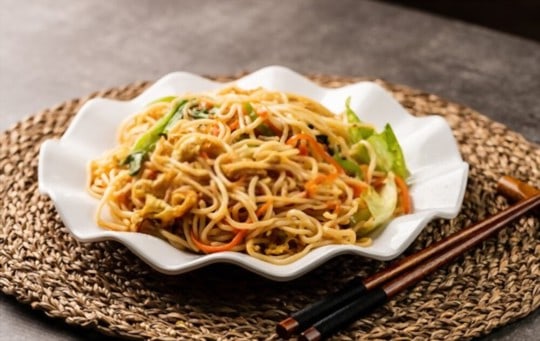
Chow Mei Fun and Lo Mein are two popular dishes in the Chinese cuisine.
They have a lot of similarities, both have noodles as their main ingredient, and are usually served with vegetables, meats or seafood - see noodle varieties and substitute ideas for swap options.
In terms of cooking method, both Chow Mei Fun and Lo Mein are stir-fried with oil or sauce, creating a savory taste that is loved by many.
Also, they can be customized to one's liking by adding different spices and seasonings.
Although these dishes have similarities, there exist certain differences between them that set them apart.
For instance, while Chow Mei Fun is made from rice noodles, Lo Mein is made from wheat flour noodles; hence the texture varies between them based on the ingredients used.
How to Cook Chow Mei Fun and Lo Mein?

Preparing Chow Mei Fun and Lo Mein requires different cooking methods to get the perfect texture.
However, both dishes are popular Chinese noodle dishes and can be easily made at home.
- For preparing Chow Mei Fun, cook the rice noodles as per the package instructions.
- Take a pan and heat oil in it. Saute vegetables like carrots, bell peppers, mushrooms and beansprouts along with garlic paste.
- Add in some soy sauce, salt and pepper for seasoning.
- Add the cooked noodles to the pan with vegetables mix it well till everything is perfectly blended. Your Chow Mei Fun is ready to serve.
- To make Lo Mein: Boil the noodles per package instructions or preference.
- Take another pan, add oil in it.
- Sauté vegetables like onions, carrots, bell peppers along with garlic paste.
- Add some soy sauce, salt and pepper for seasoning.
- Add your boiled noodles into this mix and toss thoroughly so that everything blends perfectly together.
Your Chow Mei Fun can be served as a light healthy meal when you want something refreshing while Lo Mein would suffice if you want something wholesome.
For detailed timing and heat-control tips that apply to quick-cook proteins and pans, see how to cook chicken livers? detailed guide.
Chow Mei Fun vs Lo Mein Texture and Taste
After comparing the differences between Chows Mei Fun and Lo Mein, it's easy to see why they're both popular.
Chow Mei Fun is loved for its unique texture while Lo Mein provides a more traditional Asian flavor with plenty of vegetables, meat, and brown sauce in each bite.
Plus, there are so many creative variations out there that you can make your own version of this dish easily.
It all comes down to preference, whether you want something soft and chewy or something crunchy and flavorful - the choice is yours.
Keep in mind though, these two dishes may look similar but offer very different experiences.
Experimenting with both is a great way to discover which one suits your palate best.
We hope you found our comparison overview helpful.
Frequently Asked Questions
Have you ever gone to an Chinese restaurant, looked at the menu and wondered what differences were between Chow Mei Fun and Lo Mein? They share some similarities but each has qualities that make it better suited for certain recipes.
Sometimes. Chow Mei Fun works where Lo Mein is called for in certain dishes, but not all.
Check whether the recipe relies on a specific quality before substituting.
Cold preparations like salads and dressings often favor the option with a sharper, more defined flavor. Heat can mellow both, so the distinction matters more in uncooked dishes.
Do professional cooks prefer one over the other?
Professional preference depends heavily on the dish and cuisine style.
Each has its context where it outperforms the other, so most experienced cooks keep both on hand.
What to Serve with Chow Mein? 7 best side dishes for chow mein lists classic companions. What to Serve with Lo Mein? 7 best side dishes for lo mein suggests complementary plates.