In the grand scheme of dinner, two steaks stand out. Chuck Eye and Rib Eye.
We've got the scoop.
These cuts slice through the noise, each with its own fan club. Yet, which one steals the spotlight?
First, facts.
Rib Eye? Known for being juicy and flavorful.
It's the Beyoncé of steaks. Then there's Chuck Eye, the less known sibling, offering a tender bite at a friendlier price.
We've tried both. On countless BBQs, the debate rages.
Rib Eye brings the wow, Chuck Eye, the wallet smiles.
So, we're dishing out the deets. Ready to pick a side?

What is Chuck Eye?
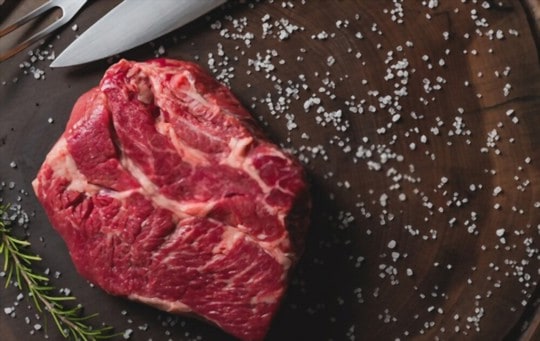
Chuck Eye is a cut of beef that comes from the shoulder region of the cow.
It is a cheaper alternative to Rib Eye and has similar texture and flavor - see Chuck Eye vs Chuck Steak comparison to decide which is the better option.
Chuck Eye contains less fat than Rib Eye which gives it a leaner taste and can be cooked in various ways such as grilling, roasting or searing.
What is Rib Eye?

The Rib Eye is a type of steak that comes from the cow's rib section.
This cut is known for its marbling, juiciness and tenderness.
It is also one of the most popular cuts due to its rich flavor and texture.
When properly prepared, it can be tender enough to melt in your mouth.
Many chefs consider it to be the king of steaks, and therefore, it is usually on the pricier side compared to other cuts - find prime rib substitutes for feasts when a more economical option is needed.
However, its delicious taste makes it worth every penny spent.
It can be cooked in various ways and suits well with different seasonings and sauces.
Understanding Chuck Eye and Rib Eye Cuts

Chuck Eye and Rib Eye are two popular choices to consider.
Both cuts are tender and flavorful, but they differ in their texture, marbling, and price.
While rib eye is often considered a premium cut due to its high fat content and rich taste, chuck eye is a more affordable alternative that can be just as delicious if prepared correctly.
One significant difference between these two cuts is their location on the cow.
Rib Eye comes from the upper part of the back near the spine, while Chuck Eye comes from the shoulder area.
As a result, rib eye tends to have more marbling throughout the meat, which contributes to its buttery texture and distinctive taste.
In contrast, chuck eye has less fat and requires extra attention when cooking to avoid becoming tough or dry.
Another factor to consider when choosing between these two cuts is their versatility in different cooking methods.
Rib Eye is best cooked quickly over high heat on a grill or broiler for maximum flavor, while chuck eye benefits from slow roasting or braising methods that allow it to break down slowly and become tender.
Ultimately, both Chuck Eye and Rib Eye can be excellent options depending on your preferences and cooking style.
When selecting your meat, look for quality cuts with even marbling throughout the meat for optimal tenderness and flavor.
Whether you're grilling up a feast for friends or creating a comforting pot roast dinner at home, both Chuck Eye and Rib Eye provide great options for an unforgettable meal experience.
For a closer look at how different chuck cuts compare, chuck roast vs chuck tender comparison explains which roast suits specific recipes.
Flavor and Tenderness Comparison
For meat lovers, flavor and tenderness are two essential factors when it comes to selecting the perfect cut.
So, which one is the better option: Chuck Eye or Rib Eye? Both are popular cuts, but they have some significant differences that can affect your final result.
Chuck Eye is a budget-friendly option that has a rich beefy flavor with some fat running through it.
It needs to be handled correctly as it can become tough if not cooked appropriately.
In contrast, Rib Eye stands out for its exceptional marbling and tenderness, making it an ideal candidate for grilling and barbequing.
However, one key aspect that sets Rib Eye apart from Chuck Eye is its intense beefy flavor - read extract vs flavor difference explained to understand how flavor components change perception.
Its marbled fats add an extra depth of taste that makes it an excellent choice for food enthusiasts who seek intense flavors.
On the other hand, Chuck Eye offers a more modest but still tasty profile and can be an excellent fit for those looking for a more affordable alternative.
Both cuts come from different areas of the cow; thus, they require distinctive cooking methods due to their unique muscle structures.
Nonetheless, when correctly prepared, both options offer great flavor and tenderness that will satisfy even the most demanding palates.
Cooking Methods for Chuck Eye and Rib Eye

Chuck Eye and Rib Eye steaks are both delicious and versatile cuts of beef that can be cooked in a variety of ways.
It's important to consider their differences in texture and fat content.
For the Chuck Eye, a slow-cooking method like braising or roasting would work best, as it is a tougher cut with more marbling.
On the other hand, the Rib Eye is known for its tenderness and rich flavor, making it perfect for grilling or pan-searing.
While both cuts can be prepared using similar methods such as seasoning with salt and pepper, the key to a perfectly cooked steak lies in understanding their unique characteristics.
For instance, the Chuck Eye requires more time to break down the collagen fibers and become tender.
When choosing marinades or pan sauces, consider which acid or deglazer to use - white cooking wine vs white wine vinegar uses outlines how each affects flavor.
Cost Comparison
Cost is a significant factor to consider.
Both cuts of meat are delicious, yet one cannot help but wonder which option is more budget-friendly.
The cost of chuck eye and rib eye varies based on multiple factors such as quality, size, and location.
On average, you will find chuck eye to be less expensive than rib eye, making it a better option for those on a budget.
While chuck eye may be less expensive than rib eye, both cuts are incredibly versatile and delicious in their way.
Although steaks made from rib-eye are more popular among meat lovers due to the high marbling level that contributes significantly to its flavor.
In contrast, Chuck Eye is relatively tender with minimal marbling but makes up for it with an excellent beefy flavor that many people enjoy.
To determine which cut of meat is best suited for your needs depends on what you're looking for; if you're searching for an affordable cut with a good beefy taste or grilling your favorite steak recipes, then Chuck Eye may be the perfect choice for you.
However, if you desire high marbling content and can afford the premium price associated with flavorful Rib Eye steaks, then go ahead and indulge yourself - either way, both options would satisfy your cravings without draining your pockets.
Availability and Accessibility
Availability of Chuck Eye and Rib Eye cuts may vary based on the location and season.
While both cuts are commonly found in butcher shops and grocery stores, Rib Eye is often priced higher due to its popularity.
Also, some specialty meat markets or online retailers may offer a wider range of options for both cuts, including different grades and aging methods.
Overall, the accessibility of these cuts depends on consumer demand and regional supply chains.
Flavor and Tenderness: Chuck Eye vs Rib Eye
Chuck eye and rib eye steaks are both great options but differ in texture, tenderness, and flavor.
While rib eye is more expensive and popular for good reason, chuck eye can be a budget-friendly alternative that still delivers a delicious taste.
Ultimately, it comes down to personal preference and desired outcome.
Regarding the cooking process, rib eye's higher fat content allows it to cook evenly without drying out.
On the other hand, less marbling in chuck eye requires careful attention to prevent toughness.
Despite this, chuck eye offers a rich beefy taste that's well worth experimenting with.
For decisions between similar chuck cuts, Chuck Roll vs Chuck Roast comparison clarifies which choice fits different recipes. Sirloin vs Chuck comparison guide explains trade-offs when choosing leaner vs fattier steaks.
Frequently Asked Questions
Many chefs consider it to be the king of steaks, and therefore, it is usually on the pricier side compared to other cuts. They share some similarities but each has qualities that make it better suited for certain recipes.
It depends on the dish. Chuck Eye and Rib Eye share some overlap, but each shines in different preparations.
Swapping works best in forgiving recipes like soups or stews.
Pricing varies by brand and region, but one is typically more accessible at everyday price points. The other may cost more due to specialization or limited supply.
Is there a best time to use each one?
One shines in applications requiring subtlety and background support.
The other is better when it is meant to be a center.
Matching the right one to its role makes a noticeable difference.