
Cod loins and fillets are on the menu tonight. Bold choice, right?
We're here to dish out the scoop.
First off, cod loins. Thick, juicy, and often seen as the prime cut.
They're the fillet mignon of the sea. Now, fillets.
Slightly leaner, but no less delicious. They're versatile and friendly on the wallet.
We've had our fair share of kitchen misadventures with both. Ever tried whipping up a fancy dinner and ending up with something that looks like it swam back to the sea?
Yep, us too.
What's on your plate matters. We're breaking it down, no fluff, no filler.
Just the straight goods.

What is Cod Loin?

Cod Loin is a premium cut of cod that comes from the fish's back, which provides firm and meaty flesh.
It is thicker than the standard fillet and is often sold in a loin form.
Cod Loin makes an excellent choice for those who want to add variety to their diet without compromising on nutrition as it is dense in high-quality protein, low in fat, and packed with essential vitamins and minerals.
Its versatility makes it an ideal option for grilling, frying, or baking.
For a side-by-side look at similar white-fleshed fishes, see rockfish vs cod comparison guide for differences in texture and flavor.
What is Cod Fillet?

Cod fillet is a popular seafood item, appreciated for its mild flavor and versatile use.
The fillet refers to the meaty parts of the fish that are removed from the bone.
It comes in different shapes and sizes but usually has a thickness of around 1 inch.
The skin is usually removed before cooking, and it can be baked, fried, poached or grilled.
Cod fillet is a great source of protein and omega-3 fatty acids.
If you're looking for a healthy choice of seafood that's easy to cook and versatile in application, choosing cod fillet over other types of cod may be your best option.
Whether you're frying up some fish tacos or baking an elegant filet dish for dinner guests, this type of seafood provides plenty of options for any palate.
To compare flaky cod to richer options, read sablefish vs black cod comparison notes on how texture and oiliness differ.
Differences Between Cod Loin and Cod Fillet
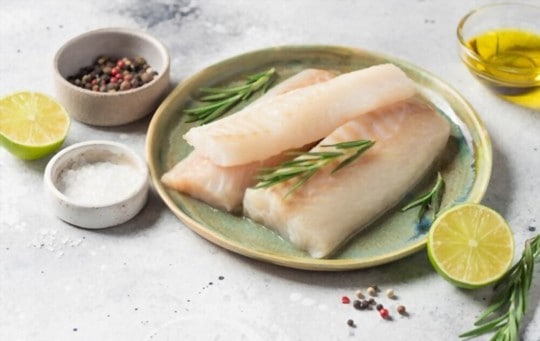
Cod Loin and Cod Fillet, both are popular sea-food options with different properties.
Cod Loin is thick and wide, while Fillets are long and narrow.
The Loin is boneless, more substantial, and chewier than the delicate fillet.
However, fillets have a sweeter taste when compared to the loin.
Also, the texture of Loin is firmer than the tender Fillet.
This subtle difference can change depending on how they are cooked.
For instance, grilling or frying can make the Loin crispy on its edges while keeping its juicy texture in the center.
Overall, choosing between these two depends on your preference for taste, texture, and thickness.
So if you are looking for something light in texture and sweet in taste - go for Cod Fillet.
And if you prefer something chewy with a little bit of crunch - choose Cod Loin.
For a broader view of how cod compares to other common white fish, check cod vs tilapia comparison breakdown for differences in texture, flavor, and cooking uses.
Texture and Structure
The cod loin and fillet have distinct differences in texture and structure, making one option better suited for certain dishes than the other.
The cod fillet is more delicate and flaky, while the cod loin is firmer and meatier.
The structures of the two options are also different, with the loin being thicker and more dense than the fillet.
These differences in texture and structure can impact how they are prepared and cooked.
For example, because fillets are more delicate, they may fall apart when grilled or sautéed, whereas loins hold up well under high heat.
Also, because of its thicker structure, a cod loin can be sliced into medallions or portions for presentation purposes.
Another consideration when choosing between a cod loin and fillet is their flavor.
While both options have a mild taste that is often described as sweet and buttery, some chefs believe that loins has a stronger fish flavor compared to fillets.
This may make them a better choice for recipes that call for bold seasonings or sauces.
Ultimately, selecting between cod loin vs fillet will depend on the recipe you're preparing and your personal taste preferences.
However, knowing these key differences in texture and structure can help inform your decision and lead to an optimal dining experience.
Flavor and Taste
The options of loin and fillet are both delicious choices.
The loin has a more strong flavor and firmer texture due to its higher fat content, making it perfect for dishes that require a stronger taste.
On the other hand, fillets tend to be flakier and have a milder flavor, suitable for those who prefer a subtle taste.
Another factor that affects the taste is how you prepare them.
Both loins and fillets would benefit from being cooked with herbs such as parsley, thyme or even dill.
Adding some of these herbs during cooking is sure to do the trick.
It's essential to consider what recipe you're using when deciding which option is best suited for you.
Loin is ideal for recipes that require larger pieces as it holds together better when cooking than fillets do.
However, if versatility is what you need in your fish dishes, then fillets are an excellent choice.
To better understand how subtle taste compounds affect perception, see extract vs flavor taste explanation for why herbs and fats change seafood flavor.
Cooking Versatility
Cod is a popular fish well-known for its mild flavour and tender texture.
The choice between Cod Loin and Fillet can be challenging.
Both cuts offer exceptional cooking versatility and can be used in various dishes such as soups, stews, batter-fried, grilled, roasted or even eaten raw in sushi.
The fillets tend to hold together better than loins when cooked or battered and offer a melt-in-your-mouth experience.
On the other hand, loins are ideal for larger portions due to their thickness and are perfect for grilling or pan-searing without falling apart.
Ultimately, whether you choose Cod Loin or Fillet depends on personal preferences and the recipe requirements.
For guidance on when to use wine versus vinegar in seafood recipes, consult white cooking wine vs white wine vinegar comparison for pairing suggestions.
Thickness and Portion Size
Thickness and portion size are important factors to consider.
The thickness of the cut determines how long it will take to cook and can affect the texture of the fish.
Portion size also varies depending on the cut, with fillets being smaller and easier to serve individually.
However, cod loin is a thicker cut, making it ideal for dishes that require a heartier fish flavor or for larger groups.
Another consideration is the presentation of the dish.
Cod fillets are often used in recipes that call for breaded or battered fish as they hold their shape well during frying or baking.
On the other hand, cod loins are better suited for dishes that require flakier texture like stews or casseroles.
While both cuts come from the same fish, they do differ slightly in flavor and texture.
Cod loins tend to be meatier with a firmer texture while fillets are more delicate and mild in taste.
In summary, thickness and portion size play a important role in choosing between cod loin and fillet.
Depending on your recipe requirements, either cut can provide delicious results; but it's best to consider cooking technique as well as flavor preferences before deciding which one to use.
Similarities Between Cod Loin and Cod Fillet
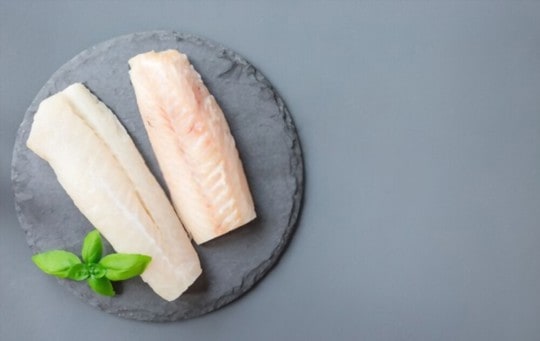
It is difficult to differentiate between the two as both come from the same fish, cod.
However, there are some similarities that are worth mentioning.
Both have a mild flavor and a firm texture.
They are also low in calories and high in protein, making them an excellent option for health-conscious individuals.
Both types of cod require similar techniques and time.
They can be poached, baked, fried or grilled.
The cooking time varies depending on the thickness of the cut.
While they may appear alike, there are some differences between cod loin and fillet that should not go unnoticed.
Cod fillets are thin and narrow cuts that run along the sides of the fish.
On the other hand, loins are broad cuts taken from below the head of the fish.
The texture of cod loin is meatier than fillet due to its thickness.
It is perfect for dishes where you want a flaky texture with a more strong flavor.
In contrast, fillets work well when you want something delicate with a subtle taste.
For a primer on how cuts from the same animal can differ in use, see pork loin vs butt comparison lessons that apply to seafood cut choices too.
Nutritional Comparison
It's important to consider the nutritional value of both options.
Cod loin has a higher fat content than fillet, but also contains more protein and fewer calories per serving.
Also, cod loin is rich in vitamin B12 and selenium, which are essential for proper nerve function and thyroid health.
On the other hand, fillets are a good source of omega-3 fatty acids that play an important role in heart health and brain development.
It ultimately depends on personal preferences and dietary goals when deciding between the two.
To explore how flavor profiles relate to nutrition, read yeasty wonders taste guide for insight into savory, nutrient-dense ingredients.
Which is a Better Option: Cod Loin or Cod Fillet?
Cod is a popular fish that can be used in various dishes, but choosing between cod loin and fillet can be a tough decision.
The differences between these two options are significant, making them suitable for different cooking techniques and recipe requirements.
Cod loin is the cylindrical flesh from the upper-middle part of the fish, while fillet is the boneless meat sliced from the sides of the fish.
Cod loin has a meatier texture and usually thicker than fillets, which makes it a better choice for grilling or roasting.
On the other hand, cod fillets have a soft texture and tend to flake easily, making them great for frying or baking.
Cod loins are generally more expensive than fillets due to their size and thickness.
However, if you're looking for a more substantial meal that requires less preparation time, investing in cod loins could be worth it.
Cod fillets are an excellent choice for quick meals because they cook faster than loins.
If cod isn't available or a different texture is desired, review cod fish substitutes list for alternative fishes that match cooking methods and flavor.
Factors to Consider When Choosing Between Cod Loin and Cod Fillet
Choosing the ideal cod option can be a challenge, but considering several factors can help you make an informed decision.
Cod loin and fillet are similar in appearance and taste, but they have distinct differences that should be taken into account before choosing either.
Cod loins tend to be thicker and more juicy than fillets, making them perfect for grilling or baking.
They also offer more value per pound since they do not contain bones or skin.
On the other hand, cod fillets are thinner and lighter than loins, hence easy to prepare and flexible for different cooking methods.
They contain skin and bones that add extra flavor when cooked correctly.
Another important aspect to keep in mind is the cost of each option.
Prices vary depending on your location, seasonality as well as availability.
Generally, cod loin is usually pricier than fillet due to its premium quality.
By factoring in considerations like your preferred cooking method, budgetary constraints, boneless preference, thickness, flavor intensity among others; you can choose either cod loin or cod fillet without regrets.
Cod Loin vs Fillet Summary
Comparing cod loin and fillet for consumption, it can be concluded that both offer distinct taste and texture.
Cod loin is a thicker and meatier portion of the fish, whereas cod fillet is boneless with a milder flavor.
What sets them apart further is their nutritional value - cod loin has more protein content than fillets but also higher fat content.
On the other hand, cod fillets have lower calories and saturated fat levels but lack the Omega-3 fatty acids present in the loin.
Hence, it is important to consider these factors while deciding which variety to consume.
Frequently Asked Questions
It is thicker than the standard fillet and is often sold in a loin form. They share some similarities but each has qualities that make it better suited for certain recipes.
Sometimes. Cod Loin works where Fillet is called for in certain dishes, but not all.
Check whether the recipe relies on a specific quality before substituting.
Cold preparations like salads and dressings often favor the option with a sharper, more defined flavor. Heat can mellow both, so the distinction matters more in uncooked dishes.
Do professional cooks prefer one over the other?
Professional preference depends heavily on the dish and cuisine style.
Each has its context where it outperforms the other, so most experienced cooks keep both on hand.
For a curiosity about taste, see dive into flavor: cod liver oil taste. For serving ideas with a rich, glazed fish, consult miso cod side dish recommendations.