
Sablefish and black cod. These two fish swim in the same sea, yet they're not the same critter.
We're here to set the record straight.
It might just be because it's actually sablefish.
Yep, you heard us.
Our love for seafood got us digging into this mix-up. It turns out, they're often confused but aren't identical twins in the fish world.
A revelation, right? We were just as shocked.
One's a deep-sea phantom, the other, a shadow in cold waters. Both are tasty.
But knowing the difference? That's the real catch.
What is Sablefish?

Sablefish, otherwise called black cod or butterfish, is a kind of deep-sea fish.
It is found in the North Pacific Ocean.
It is known for its buttery flavor and delicate texture.
Recently, sablefish has become more popular due to its special taste and cooking versatility.
It contains a lot of healthy fatty acids, making it an excellent source of omega-3s.
No matter how you cook it, grilled, roasted, or smoked, sablefish is sure to please even the pickiest of palates.
What is Black Cod?
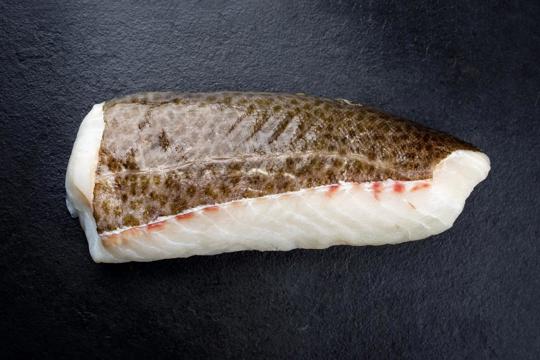
Black cod, also known as sablefish, dwells deep in the North Pacific Ocean.
It has a rich, buttery texture and its meat is delicate yet flavorful.
This fish looks much like black seabass, which can lead to confusion.
Chefs around the world prize black cod for its versatility and taste.
You can smoke it, grill it, poach it, or bake it.
Plus, it's high in oil and omega-3 fatty acids, making it a great source of nutrition.
The thing that sets sablefish apart is its moisture-retaining ability.
This lets you prepare it easily and prevents overcooking - which would make it dry.
Chilean sea bass has similar qualities, but due to unsustainable fishing practices, many restaurants now offer sablefish instead.
For a quick palate contrast, consider a black vs green olive comparison guide to see how briny accompaniments change seafood pairings.
Different Names for Sablefish and Black Cod
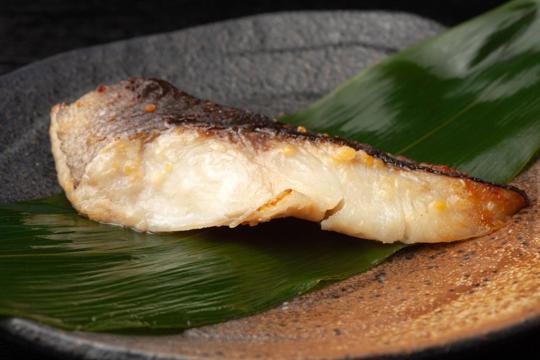
Sablefish and Black Cod are the same fish.
But the name changes depending on where you are.
In the US, it's known as Sablefish.
In Canada and Japan, it's referred to as Black Cod.
This deep-water fish has a high oil content and a rich flavor.
But, the names confuse buyers.
If thinking about regional naming and pantry staples, a black vs brown mustard seeds comparison explains how spice choices vary by cuisine.
Physical Appearance and Characteristics
Sablefish and Black Cod are used like twins, but there are some minor variations in between.
- Sablefish has a dark grey/black color with silver on its belly. Whereas, Black Cod has a green-black hue with white spots.
- They share a related body shape: big heads, wide tails, and slender bodies.
- Sablefish is firmer than Black Cod since it has lower fat levels.
- Black Cod has a more subtle taste due to its high fat content, leading to a velvety consistency when cooked.
Surprisingly, Sablefish is also known as butterfish or black cod.
Although, it's not linked to the true cod.
Also, it's full of Omega-3 fatty acids, making it an ideal food for health-conscious people.
No matter what you call it, Sablefish or Black Cod, both have a unique taste and texture that attracts seafood eaters around the globe.
Now that we know their small differences,
flavor and Taste Differences
Sablefish and black cod are two seafood favorites.
Their flavors make them stand out.
Sablefish has a smooth, creamy texture and melts in your mouth.
Black cod is denser with flakes.
The two have rich, buttery flavors.
They can be enhanced with herbs and seasonings.
People say sablefish has a milder flavor with sweetness and smoke.
Black cod is richer with a nutty taste.
Also, the fat content of both fish differs.
Sablefish has more unsaturated fat, making it healthier.
However, both are delicious.
For cooking, they need different techniques.
Sablefish should be grilled or baked at a low heat.
Black cod is best broiled or pan-seared on high heat for a short time.
For a primer on how concentrated ingredients influence taste, read the extract vs flavor comparison guide to match seasonings to these fishes.
Cooking and Culinary Uses
Sablefish and black cod? Same fish, different names.
Sablefish has a rich, buttery flavor, great for miso-glazed dishes or simple herbs and lemon.
Black cod is versatile- pan-seared, deep-fried, sashimi, ceviche.
Both are high in omega-3 fatty acids and nutrition.
Season well and cook low to keep flavors.
For cooking and culinary uses, sablefish and black cod bring unique flavors and textures.
Sablefish has a richer taste so pair it with stronger flavors like miso.
Black cod is mild so it takes different spices and seasonings.
When preparing meals, both sablefish and black cod don't do well with high heat.
Better to poach or steam than sauté or grill.
When choosing acidic components for sauces, the white cooking wine vs white wine vinegar comparison clarifies which works best with buttery fish.
1 - Sablefish in Asian Cuisine
Sablefish, also known as black cod, is a popular fish in Asian cuisine.
Its texture is silky and its flavor is rich, making it a great match for different spices and sauces.
In Japanese cuisine, it's often used in miso soup and sushi rolls.
Chinese cooks like to steam or braise it with vegetables and soy sauce.
Koreans grill or pan-fry it with spicy pepper flakes or fermented bean paste.
One cool thing about this fish is: it has a high oil content.
This makes the flesh moist and buttery when cooked.
Plus, it's perfect for smoking and curing.
Lastly, it's a sustainable choice due to its abundant population along the West Coast of North America.
So, if you're looking for a tasty and responsible meal, give sablefish a try.
For a deeper look at flavor specifics, see the sablefish taste guide and tasting notes to pair it with Asian sauces and condiments.
2 - Black Cod in Western Cuisine
Black cod is a much-loved fish in Western cuisine.
It has a creamy, buttery flavor that goes well with all kinds of seasonings.
Miso-glazed black cod, grilled black cod, or smoked black cod dip are some popular dishes.
It's considered a delicacy and is pricier than other types of fish.
Black cod is normally from Alaska and the Pacific Northwest.
Chefs and home cooks alike enjoy this fish for its texture and taste.
It's like halibut and salmon.
Plus, it has a high oil content and a firm flesh which can carry strong flavors like garlic, ginger, and sesame.
It also doesn't have a "fishy" taste.
When buying or ordering black cod, remember to consider the sustainability of the species.
Monterey Bay Aquarium Seafood Watch lists some sources of black cod as "Best Choice" and some as "Avoid.
" So, make wise decisions when purchasing this pleasant fish.
To explore warming spice pairings, consult the black cardamom pods vs green comparison for ideas that complement rich fish.
Nutritional Comparison
Sablefish and black cod are the exact same fish species.
Found in North Pacific waters, both names are used interchangeably.
They are a great source of protein, omega-3 fatty acids, vitamins B12 and D, and selenium.
Sablefish has a buttery and flaky texture with up to 1.
5 grams of omega-3s per 100 grams of fish.
Black cod has a firmer texture and provides up to 0.
85 grams of omega-3s per 100 grams of fish.
Both have low levels of mercury and are safe to consume regularly.
Sablefish is milder tasting than black cod which has a more intense flavor.
It's also worth noting that cooking methods affect the flavors; sablefish can take on delicate sauces while black cod pairs well with bold ingredients like miso or soy sauce.
Both fish are nutritional and tasty options for seafood lovers.
It's up to you to decide which one you prefer - depending on your taste and the recipe.
To understand how savory, nutrient-dense ingredients influence dishes, consult the nutritional yeast taste guide for seasoning ideas that boost umami.
Sustainability and Availability
Sablefish and black cod have been beloved seafood for years.
Sablefish come from the Pacific Northwest coast, while black cod is from Alaska and California.
But sustainability is a major issue.
As the world gets more conscious of overfishing, understanding sustainable fish species to eat is important.
Sustainability is very important in the fishing industry.
To prevent overfishing, NOAA Fisheries regulate sablefish and black cod.
Seafood Watch program by Monterey Bay Aquarium gives sablefish a high rating.
Black cod also gets good ratings with some limits.
Consumers should pick seafood caught using sustainable methods to save aquatic life.
Availability affects buying decisions for seafood.
Is that both sablefish and black cod are available year-round in North American stores, markets and restaurants.
Chefs like sablefish for its rich flavor and oily texture, great for smoking or grilling.
On the other hand, black cod has a mild and buttery taste without being too fishy.
Identifying Sablefish vs Black Cod
The difference between sablefish and black cod is certainly a perplexing one.
Although they both have the same rich flavor, texture, and adaptability as proteins - this doesn't mean that they are one in the same.
Sablefish has a mildest taste amongst all fatty fishes while black cod has an oilier texture and richer flavor.
For that reason, sablefish is more versatile if you're looking for fish options to cook with different accompaniments or sauces.
It's also high in healthy omega-3 fatty acids, making it a great alternative to other types of American white fish.
Ultimately, there are pros and cons of choosing either type of fish but doing your research ahead of time can save you costly mistakes in the long run.
All that being said, make sure you do your due diligence when attempting to decipher between sablefish vs black cod.
Frequently Asked Questions
Different Names for Sablefish and Black Cod Sablefish and Black Cod are the same fish. They share some similarities but each has qualities that make it better suited for certain recipes.
Often, yes. The two share enough common ground that most palates won't notice a swap.
Sablefish is usually milder while Black Cod brings more intensity.
Nutritional differences exist but are often minor in typical serving sizes. Neither is universally healthier - it depends on what specific nutrients or dietary goals you are focused on.
Which stores better after opening?
Once opened, one keeps better in the refrigerator with proper sealing.
The other may oxidize or separate more quickly, so using it promptly or in smaller quantities works better.
Black turtle beans pair well with hearty mains. Black turtle beans comparison guide explains texture and flavor differences. Stone fruits complement seafood menus; see red vs black plum comparison notes for when to choose each variety.