
Summary of key points
The primary difference between cream cheese and creme fraiche revolves around texture, fat content, and culinary uses. Cream cheese is a soft, mild-tasting fresh cheese with a high fat content, making it ideal for spreads, dips, and cheesecakes.
Creme fraiche, with a similar fat content, offers a tangier flavor and a looser, more velvety texture, suitable for enriching sauces and soups or topping desserts. While both dairy products can add richness to dishes, cream cheese provides a firmer texture for baking, whereas creme fraiche is preferred for its smoothness and slight acidity in cooking and finishing dishes.
Cream cheese or creme fraiche? That's the question, folks.
You're planning to whip up something scrumptious, and then bam, you hit this dairy dilemma.
First things first, they're not twins. Far from it.
One's tangy, and the other's creamy; it's like comparing apples to, well, creamier apples.
We've got stories. Used creme fraiche by mistake.
Spoiler alert: it was a hit.
Accidental genius?
That's us. Making culinary missteps so you don't have to.
Get ready for a deep dive. We're here to lay it all out.
Cream cheese and creme fraiche. You'll know them inside out.
What is Cream Cheese?

Cream cheese is a smooth, creamy dairy spread made with milk and cream - see cream vs milk comparison guide for how those ingredients differ.
Its mild, tangy flavor makes it a fantastic ingredient in many sweet and savory dishes.
From dips to frosting, cream cheese adds richness and creaminess.
Its thick texture makes it perfect for spreading on bagels or crackers.
Making cream cheese involves culturing milk with bacteria, then straining away the extra moisture.
This results in a dense, smooth texture and subtle taste.
What makes cream cheese special? Its mild flavor blends well with other ingredients, making it an ideal base for sauces and fillings.
And it doesn't need to age like other cheeses.
After being chilled for a short time, it's ready to eat.
Cream cheese adds a luxurious touch to any dish.
From cheesecakes to bagels, its unique characteristics improve the flavor of everything it touches.
What is Creme Fraiche?
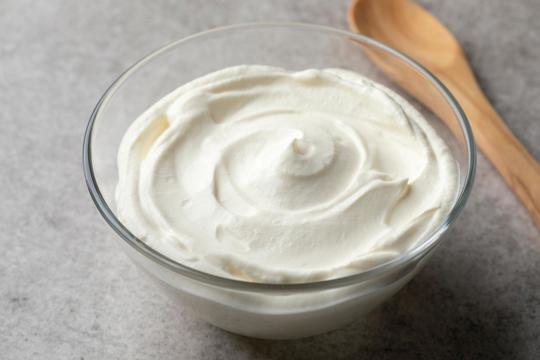
Creme fraiche is a luxurious, velvety dairy product.
It's made by fermenting cream with lactic acid bacteria, giving it a tangy flavor.
Unlike cream cheese, creme fraiche has more fat and less acidity.
This makes it smoother and silkier. Perfect for both sweet and savory recipes.
Creme fraiche is unique. You can use it as a topping for fruit tarts or spoon it over fresh berries.
Its tanginess also goes great with soups and roasted vegetables.
It won't curdle when cooked, so it's excellent for sauces and gratins.
Creme fraiche enhances flavors without overwhelming them.
Its subtle tanginess balances out rich dishes, improving the taste profile.
It blends easily, creating a balanced fusion of flavors. Plus, creme fraiche is good for you.
It contains lactic acid bacteria that support gut health and aid digestion.
This helps maintain overall well-being.
Creme fraiche is a versatile dairy product that adds richness and tanginess to dishes.
Its texture and temperature tolerance make it popular among chefs and home cooks.
Enjoy its creamy goodness and potential health benefits.
A comparison of two similar-sounding liqueurs - peppermint schnapps vs creme de menthe comparison - helps clarify how names can mask very different flavors.
Differences Between Cream Cheese and Creme Fraiche

Cream cheese and creme fraiche look similar, but have clear differences - compare that to whipped topping vs whipped cream comparison of textures for another look at similar-but-different dairy products.
Ingredients and Production
Cream cheese is made from cow's milk, by acidifying it with lactic acid bacteria.
This causes the milk to coagulate.
Curds are then separated from the whey and strained to remove moisture.
This gives cream cheese its thick, creamy texture and tang.
Creme fraiche is created differently.
It is fermented with lactic acid bacteria instead of just acidified.
This gives it a higher fat content and richer, smoother consistency.
Plus, it has a nutty flavor and tanginess.
These two cultured dairy products are used differently in cooking and baking.
Cream cheese is spread on bagels, pastries, and cheesecakes due to its mild flavor and creamy texture.
Creme fraiche is a topping and ingredient in sauces, soups, and desserts because of its rich flavor.
Cream cheese and creme fraiche are unique.
Knowing their differences allows for proper use in culinary applications.
Texture and Consistency
Cream cheese and creme fraiche possess distinct textures and consistencies.
Cream cheese is known for its creamy, solid texture and thick consistency, perfect for spreading or baking.
Creme fraiche, on the other hand, offers a velvety texture and thin consistency, perfect for sauces and as a topping.
Cream cheese's thickness makes it ideal for mixing and baking into recipes.
Enjoy it on a piece of toast or in a traditional cheesecake for a rich and indulgent experience.
Creme fraiche, however, blends smoothly into sauces and adds luxurious depth to dishes.
Its smoothness pairs well with sweet treats like berries or pies.
Both cream cheese and creme fraiche have their own unique uses.
Whether you choose one over the other depends on the desired dish and taste experience.
Flavor and Tanginess
But their tang and flavor set them apart - similar to an extract vs flavor differences explained look at how subtle taste elements change a recipe.
Cream cheese has a creamy flavor and mild tang.
Whereas, the flavor of creme fraiche is more complex with hints of nuttiness and a tangy bite.
Making them special for cooking. Cream cheese has a smooth and creamy taste.
Perfect for spreading on bagels or for desserts like cheesecake.
Its slight tanginess adds depth. People use it in both sweet and savory dishes.
In comparison, creme fraiche has a richness and a subtle nutty flavor.
It's French cultured cream has a velvety texture and more tang than cream cheese.
So, it's great for soups, sauces, and dips. Plus, it stays stable in high heat.
It's important to remember that cream cheese and creme fraiche are not the same.
Each have their own unique characteristics.
Understanding these nuances can make your cooking even better.
Similarities Between Cream Cheese and Creme Fraiche
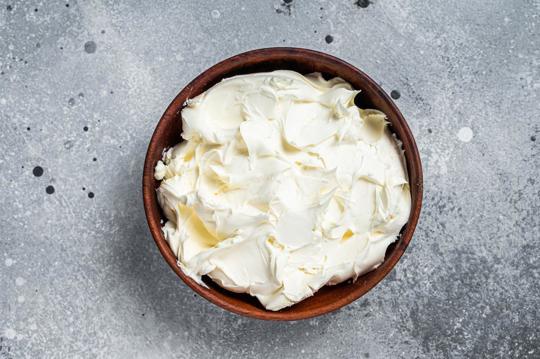
Cream cheese and creme fraiche may seem alike, yet they have differences that set them apart - see buttercream vs cream cheese frosting comparison for another take on how textures and tang change outcomes.
Whereas cream cheese is made from cream and milk, creme fraiche comes from heavy cream.
The two also vary in taste and texture; cream cheese is smooth and creamy, and creme fraiche has a tangy flavor and velvety texture.
In spite of these distinctions, they share some similarities.
They are both popular ingredients in a multitude of recipes.
They can be used as spreads, toppings, or included in savory dishes.
Also, both can be whipped for a lighter texture, or added to soups.
Also, they are both versatile when it comes to cooking and baking.
Cream cheese and creme fraiche can be mixed with other ingredients for tasty creations.
They add richness and flavor without overpowering the other tastes.
In addition, they are similar in regards to storage.
Both should be stored in the refrigerator to stay fresh.
Cream cheese has a longer shelf life due to its preservatives, while creme fraiche should be eaten within a week of opening.
In short, although cream cheese and creme fraiche differ in ingredients, taste, texture, and storage requirements, they are still comparable in terms of their usefulness in cooking and baking.
Whether you choose cream cheese or creme fraiche is up to your personal preference and the recipe you are making.
Culinary Uses of Cream Cheese and Creme Fraiche
Cream cheese and creme fraiche have many uses in the kitchen.
Cream cheese is great for desserts such as cheesecakes and frostings.
It has a creamy texture and tangy flavor.
Savory dishes such as dips, spreads, and pasta sauces can also benefit from cream cheese's richness.
Creme fraiche, on the other hand, is perfect for thickening warm dishes.
It adds a velvety texture and a hint of tartness.
Plus, creme fraiche is great for topping desserts or as a substitute for sour cream.
The difference between cream cheese and creme fraiche opens up a world of culinary possibilities.
Chefs can experiment with different flavors and textures.
Blending cream cheese and creme fraiche can create unique flavors and textures.
This makes for great fillings in pastries and bases for dips.
So, don't be afraid to get creative.
Both cream cheese and creme fraiche offer lots of possibilities in the kitchen.
For a focused look at leavening and stability in baking, cream of tartar vs baking powder comparison of uses explains when each ingredient performs best.
Nutritional Differences and Applications
Cream cheese and creme fraiche have big nutritional differences.
Cream cheese is higher in fat and calories, thus it's great for spreading on bagels or baking cheesecakes.
Creme fraiche has less fat and a tangy flavor, making it excellent for soups and sauces.
Cream cheese tends to have more sodium than creme fraiche, so those with dietary restrictions should consider this.
It also has a denser texture and is more stable when heated.
Creme fraiche stands out with its versatility as a topping.
It can be drizzled on fruits or used for desserts like pies and tarts.
Its slightly sour taste adds flavor to sweet dishes.
So, both cream cheese and creme fraiche have their own culinary uses.
Knowing the differences between them will help you choose the best ingredient for your recipes.
For a deeper dive into fermented flavors and how they taste, check nutritional yeast taste guide for a description of yeasty, savory notes.
Culinary Uses for Cream Cheese vs Creme Fraiche
So overall, the difference between cream cheese and crème fraiche is pretty broad.
Crème fraiche has a higher fat content and flavor than cream cheese, which makes it ideal for baking and savory dishes.
Its characteristic tartness adds specific notes to any ingredients it's paired with.
Cream cheese, on the other hand, has a much lower fat content while still maintaining a great deal of flavor-perfect for making cheesecakes, frostings and spreads.
Knowing the difference between these two luxurious ingredients allow you to cook with more subtle flavors and textures.
Armed with this information, you can now impress your family and friends by cooking up some unique dishes that will have everyone asking what's the secret ingredient?
Compare textures with whipped vs regular cream cheese comparison. For a look at similar light creams, see creme fraiche vs whipped cream difference.
Frequently Asked Questions
Unlike cream cheese, creme fraiche has more fat and less acidity. They share some similarities but each has qualities that make it better suited for certain recipes.
In many recipes, yes. Cream Cheese and Creme Fraiche fill similar roles, though each brings its own character.
Try a small test batch before committing to a full swap.
Availability varies by region. One is usually a standard grocery store item while the other may require a specialty or international market depending on where you live.
Can a beginner tell the difference by taste?
In a side-by-side tasting, yes.
The difference becomes less obvious when mixed into a recipe with other ingredients.
Most people notice the distinction more clearly on its own.