Serve dal makhani with butter naan or tandoori roti to scoop and raita or kachumber to cut the butter.
- One bread and one cold side make a complete plate, and jeera rice is an optional extra.
- Skip a second cream gravy like paneer butter masala, which makes the meal too rich.
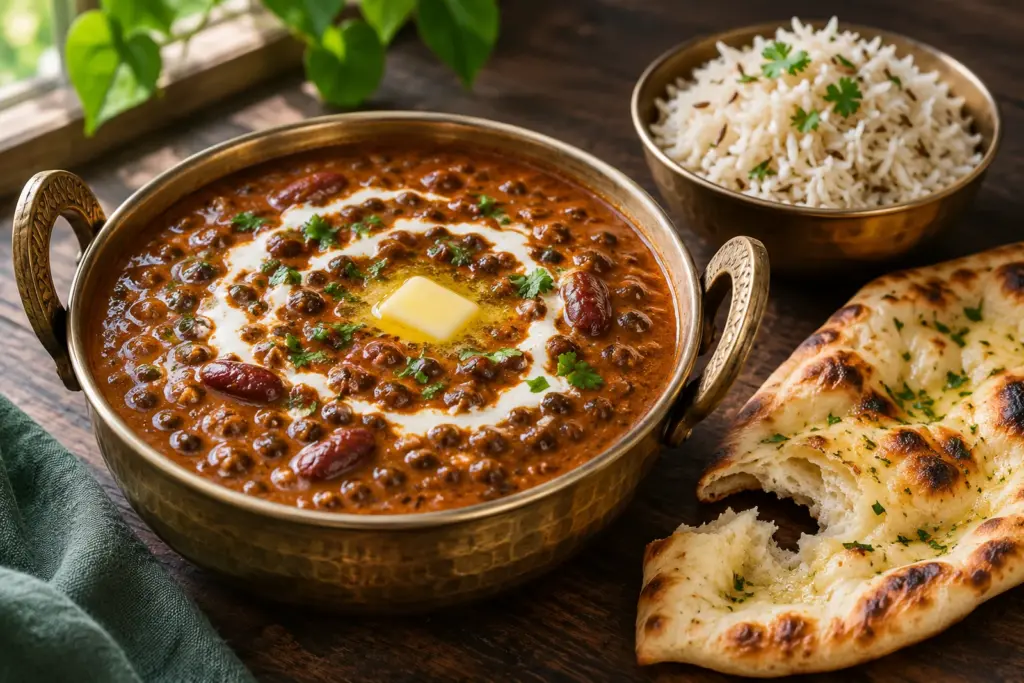
Dal makhani is a Punjabi dish of whole black urad dal and red kidney beans simmered with butter and cream until it turns thick and rich. Because the dal already brings so much fat and softness, the side dishes you pick have three jobs: something to scoop with, something to soak up the sauce, and something cold and sharp to cut the richness.
What Goes Well with Dal Makhani?
The dal and beans soak for at least 8 hours and simmer for at least 90 minutes. That long cook leaves a velvety, almost sauce-like body with no crunch and nothing sharp, so the best sides add what the bowl lacks.
| Job on the Plate | Sides That Do It | What It Does |
|---|---|---|
| Scoop | Naan, roti, kulcha | Torn pieces pick up thick dal |
| Soak up | Jeera rice, pulao | Rice spreads the sauce |
| Cut richness | Raita, kachumber | Cold, sharp, fresh |
| Add a vegetable | Aloo gobi | A dry vegetable, no second sauce |
Take one scoop and one cold side for a complete plate, and add jeera rice or pulao if you want a second starch. That is also how a Punjabi meal is built, because in northern India wheat flatbreads anchor most meals and rice such as jeera rice or pulao sits beside them as a second starch you can add or skip.
8 Best Side Dishes for Dal Makhani
1. Butter Naan
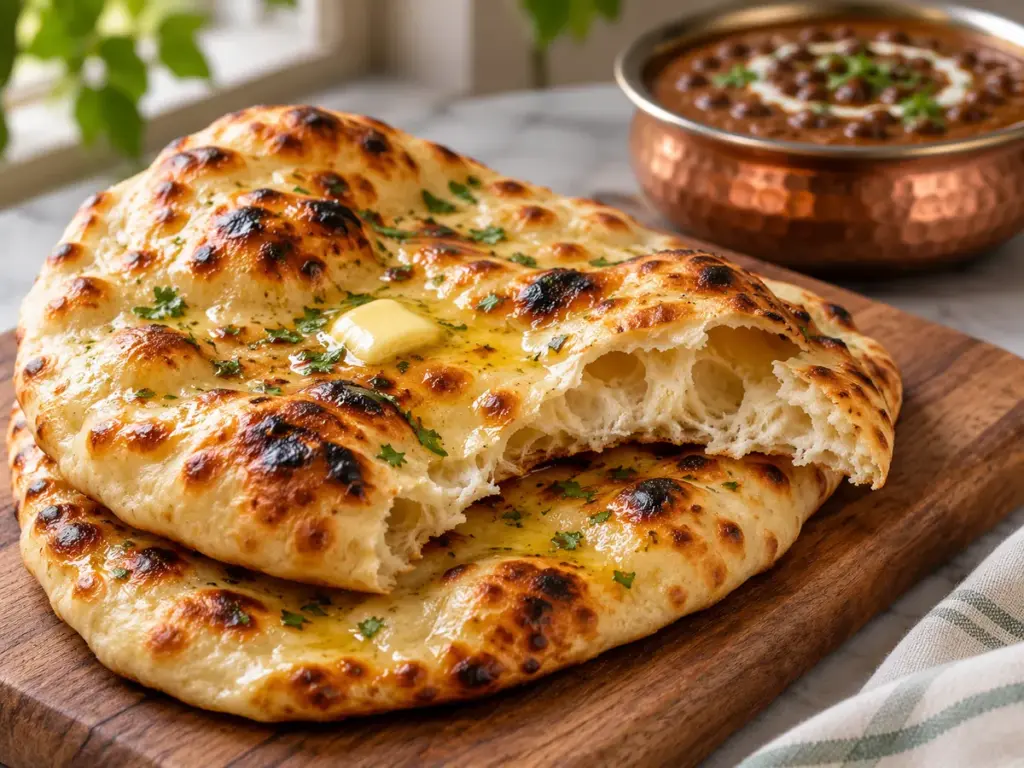
Naan is the default scooping bread because its soft, thick crumb tears into pieces that hold the sauce instead of letting it run. Restaurants bake it on the wall of a tandoor, and at home a very hot cast-iron skillet with a lid gets you most of the blistered top.
The dough uses refined white flour and often yogurt, so naan is softer and richer than roti. Brush it with butter the moment it leaves the pan. Garlic naan doubles up on the ginger-garlic paste already in the dal, so plain butter naan is the better match.
2. Tandoori Roti
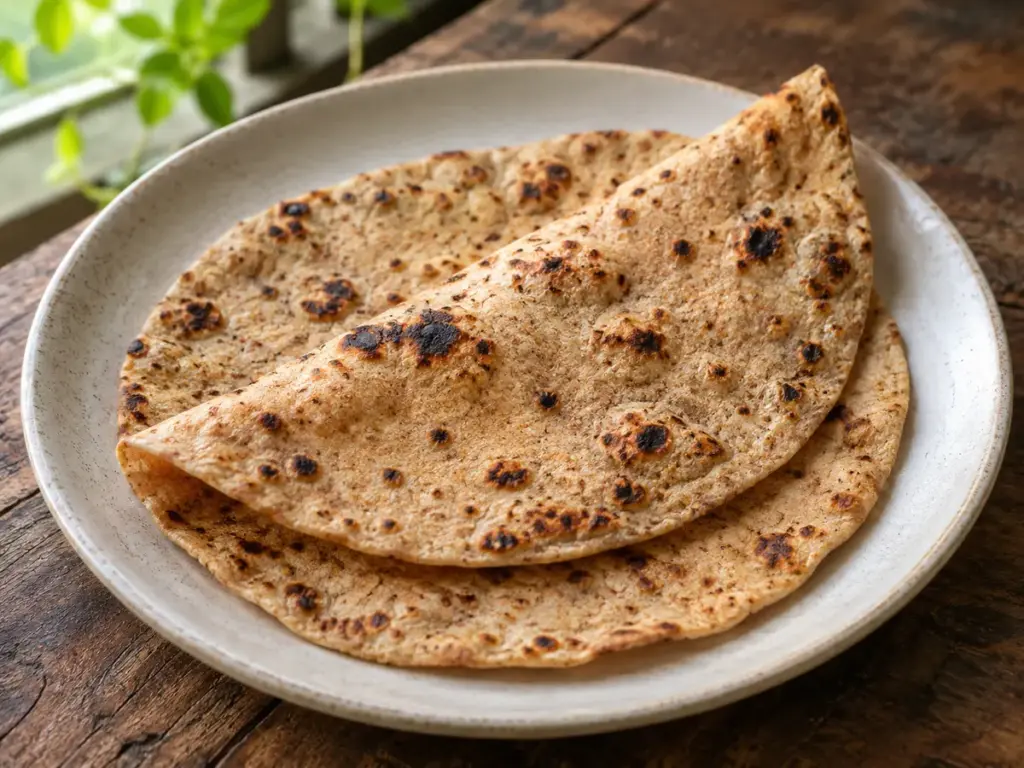
Tandoori roti is plain whole wheat (atta) dough, rolled thin and baked in a tandoor until it chars in spots. Wikipedia describes naan as the richer bread, made with ingredients such as yeast and milk, so roti is chewier and plainer, and you taste the dal first and the bread second.
You do not need a tandoor. Cook it on a hot tawa or cast-iron skillet, and butter it only if you like, because the dal already carries plenty of fat.
3. Kulcha
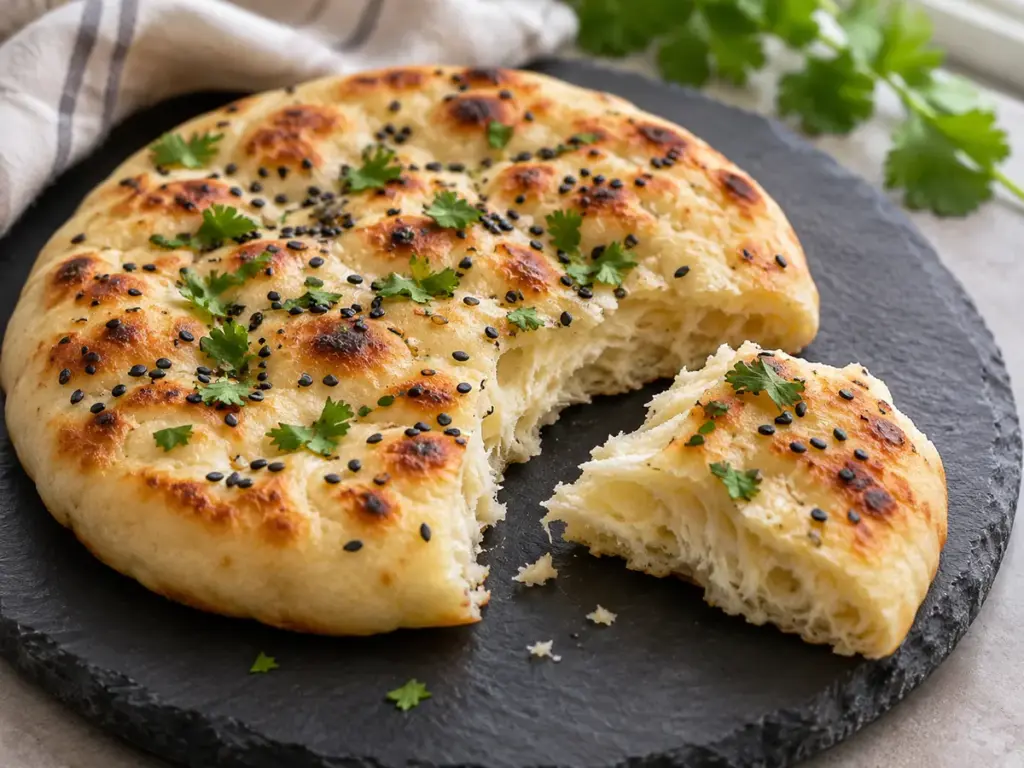
Kulcha is a mildly leavened flatbread from Punjab, the same region as dal makhani, made from refined wheat flour and baked in a tandoor. It bakes thicker and breadier than roti, so its crumb carries a heavy scoop of dal.
Press black sesame seeds and chopped cilantro into the dough before the last roll so they bake in instead of falling off. Wikipedia pictures kulcha served with chole, a chickpea curry, so a thick legume gravy is a familiar partner for it.
4. Jeera Rice
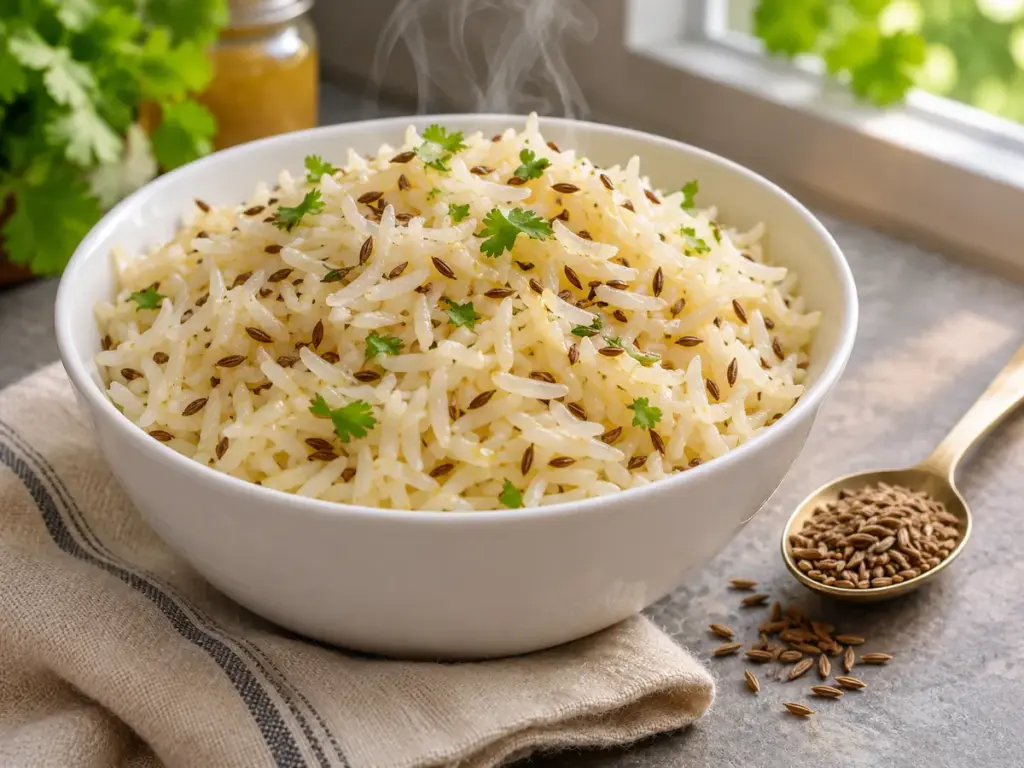
Jeera rice is basmati cooked with cumin seeds sizzled in ghee, and Wikipedia lists it, with naan, as the usual way to serve dal makhani. Toasted cumin tastes warm, earthy and slightly nutty, so it flavors the rice without competing with the dal.
- Rinse and soak. Rinse aged basmati three times and soak it for 20 minutes.
- Sizzle the cumin. Fry it in ghee on low heat for about 2 minutes.
- Simmer covered. Cook 1 cup of rice in 2 cups of water for 15 to 17 minutes.
- Rest and fluff. Leave the lid on for 10 minutes off the heat.
With no ghee, butter or vegetable oil fries the cumin, and with no basmati, long-grain white rice is the cheapest stand-in. Plain steamed basmati suits a plate where the dal is the only seasoning.
5. Vegetable Pulao
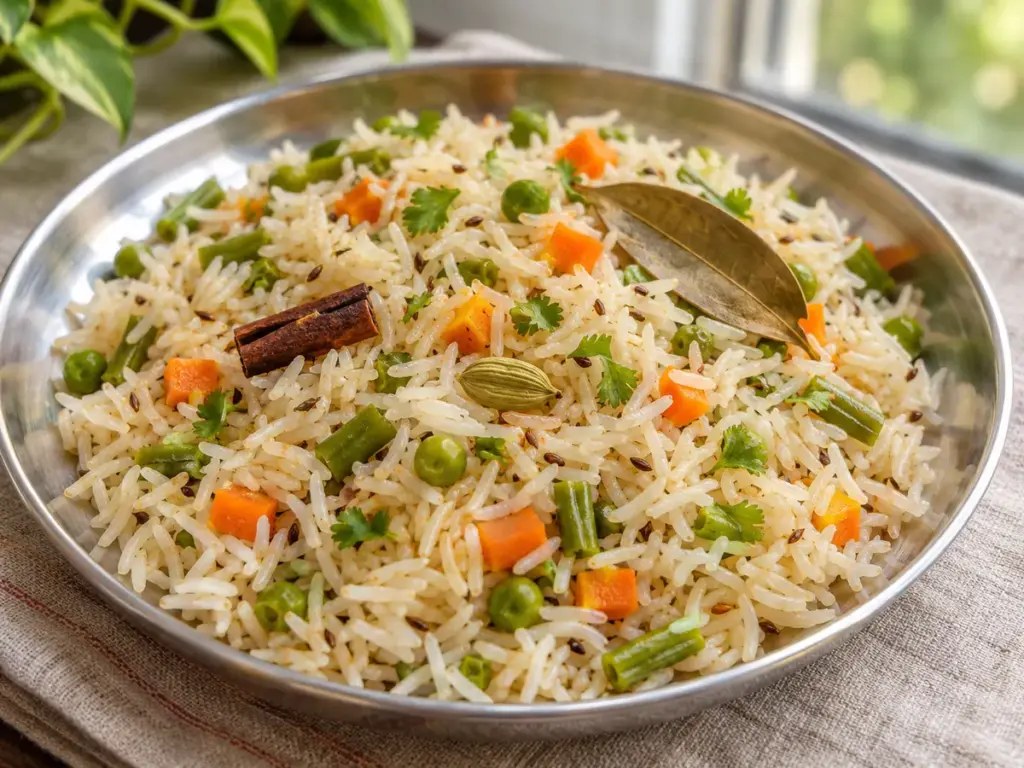
Vegetable pulao is rice and vegetables cooked together in one pot with whole spices such as bay leaf, cardamom and cinnamon. It tastes more seasoned than jeera rice, so choose it when you want the rice to be a dish of its own.
Keep the vegetables small and mild, for example carrots, peas and green beans. Skip the paneer or tofu you will see in many pulao recipes, because dal makhani already supplies the cream and protein.
6. Cucumber Raita
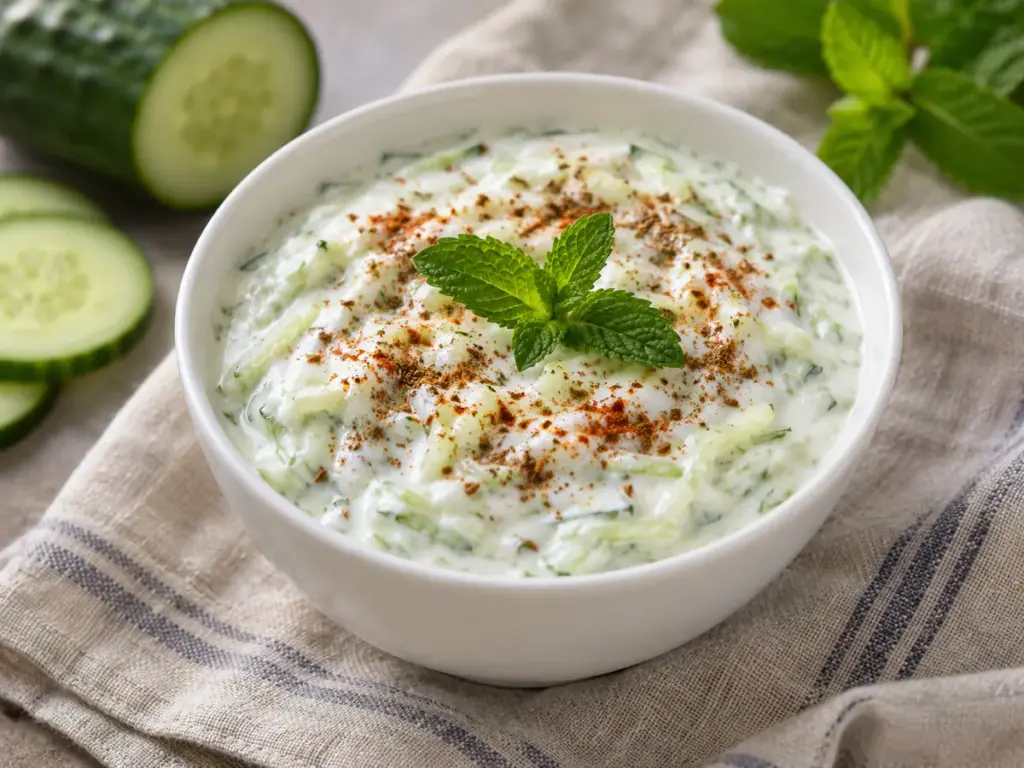
Raita is plain yogurt stirred with grated cucumber and a pinch of roasted cumin. A spoonful between bites gives you cold, tangy yogurt against the butter and cream, so the last bite of dal tastes as lively as the first.
Squeeze the grated cucumber in a clean towel before you fold it in, or it releases water and thins the raita within minutes. Full-fat yogurt keeps it thick, and about 1 cup of yogurt to ½ cup of cucumber is a good starting point.
7. Kachumber Salad
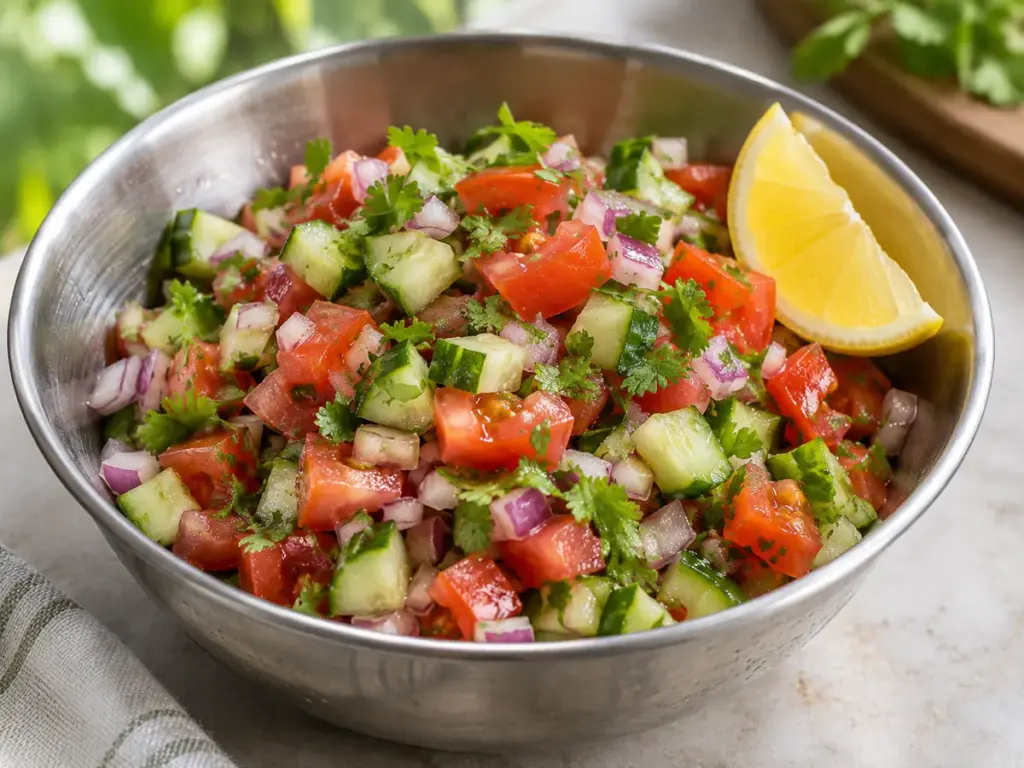
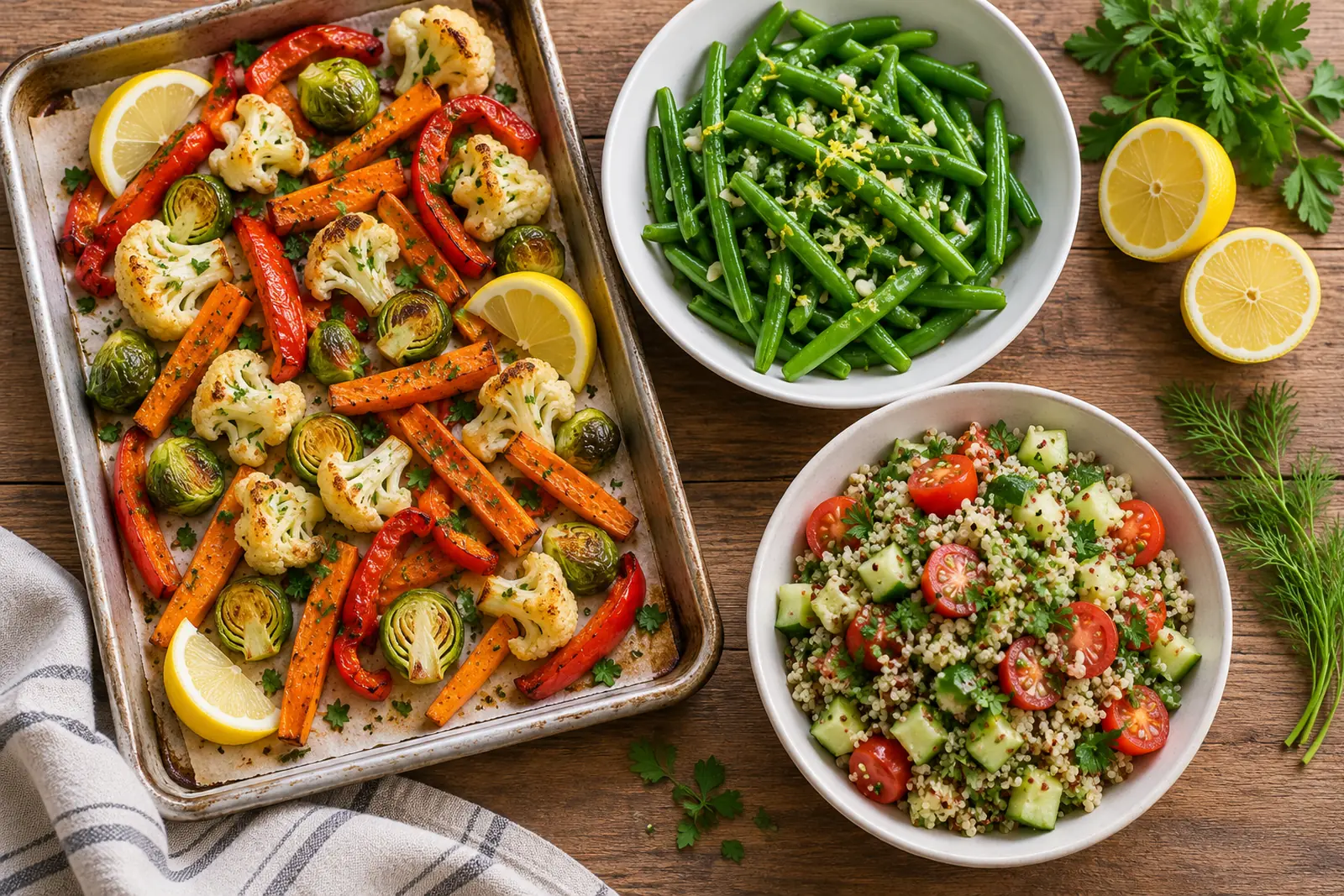
Kachumber is a chopped salad of cucumber, tomato and red onion with lemon juice, salt and cilantro. It gives you the crunch and sharp acid that soft dal cannot, and the raw onion adds a bite the long-cooked dal has lost.
Cut everything to the same small dice and dress it just before serving. Salt pulls water out of tomato and cucumber within minutes, and a salad that sits leaves a puddle in the bottom of the bowl.
8. Aloo Gobi (Dry Sabzi)
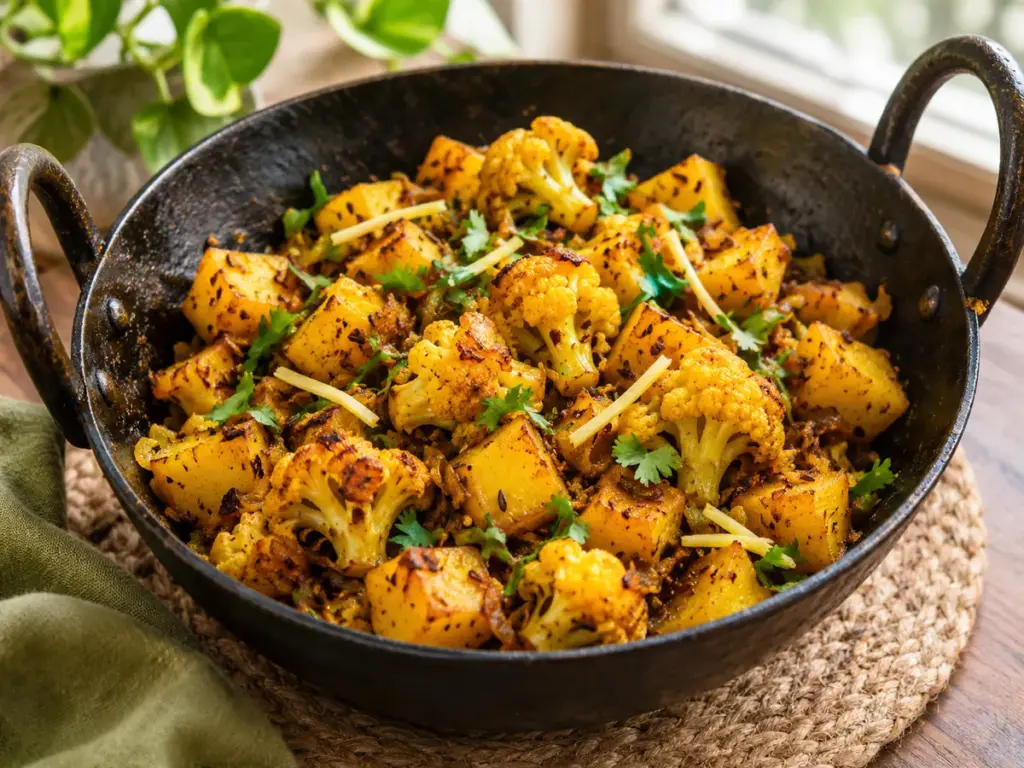
Sabzi simply means a vegetable dish, and aloo gobi is potato and cauliflower cooked dry with turmeric, cumin and coriander. Dal makhani is already a gravy, so a dry sabzi gives you vegetables with some bite instead of a second sauce, and another dry vegetable dish, such as okra, can do the same job.
Cut the potato into ½-inch cubes so it finishes with the cauliflower, and let the florets brown at the edges before you add the spices.
What Should You Skip with Dal Makhani?
- One bread, such as naan, roti or kulcha
- One cold side, raita or kachumber
- Jeera rice as an optional second starch
- A dry vegetable such as aloo gobi
- A second cream gravy like paneer butter masala
- Jeera rice and pulao together, which makes two rice dishes
- Garlic naan on top of a dal that already has ginger and garlic
If you also cook butter chicken, one set of sides can serve both dishes, since butter chicken's sides are naan, raita and seasoned rice too. Make one raita and one rice for the whole table and you save yourself a second round of cooking.
A thinner everyday dal has less butter and cream than dal makhani, so it takes sharper partners, like the ones in these dal side dishes.
Sources
- Dal makhani, Wikipedia: ingredients and the usual servings (jeera rice or naan)
- Kulcha, Wikipedia: Punjab origin, refined wheat flour, tandoor, served with chole
- Tandoori roti, Wikipedia: atta flatbread baked in a clay tandoor, naan as the richer yeast-and-milk bread
- Dal Makhani Recipe, Indian Healthy Recipes: soak, simmer, sides, reheating
- Jeera Rice Recipe, Indian Healthy Recipes: soak, water ratio, cooking and rest times
Frequently Asked Questions
Is Dal Makhani Vegetarian or Vegan?
The traditional recipe is vegetarian but not vegan, because it is made with butter and cream. A vegan table also needs a plant-based yogurt for the raita.
Can You Make Dal Makhani Ahead and Add the Sides on the Day?
Yes. The recipe source says to add the cream, butter and kasuri methi when you reheat a batch made ahead. The dal thickens a lot in the fridge, so heat it first and add water once it loosens. Naan and rice taste best fresh, so cook them while the dal warms.

Food writer at GustoMeadow. Writes ingredient substitutes, food comparisons, taste guides and storage guides for home cooks.
Storage and food-safety numbers follow USDA, FDA and university extension guidance.