
Espolòn and Casamigos are both 100% Blue Weber agave tequilas bottled at 40% alcohol, so they differ in maker, aging and taste.
- Espolòn (Campari Group) lists pepper, citrus and tropical fruit, so you can mix it into margaritas and palomas.
- Casamigos (George Clooney, sold to Diageo in 2017) lists vanilla, caramel and a softer style, so you can sip it neat.
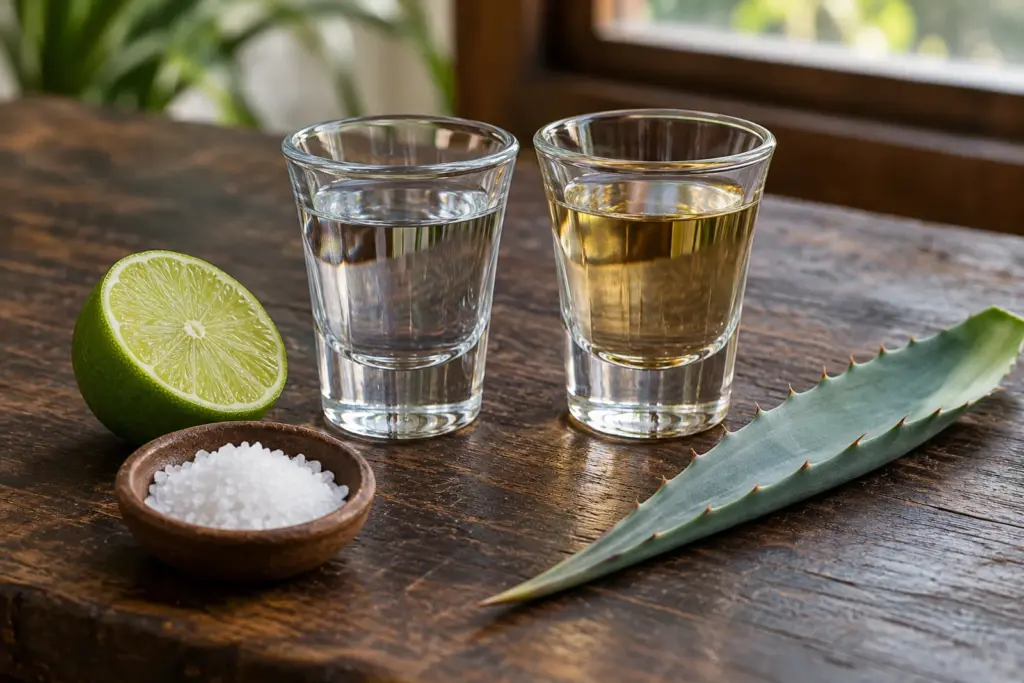
As in many food and drink matchups, the better bottle depends on what you plan to do with it, since a pitcher of margaritas and a glass sipped neat ask different things of a tequila.
The two brands split on ownership, aging and flavor, while their agave, region and strength match.
1. What Is the Difference Between Espolòn and Casamigos?
Both brands make their tequila from 100% Blue Weber agave grown in Jalisco, and both bottle it at 40% alcohol (80 proof), so you will not find a strength or agave difference on the shelf.
| Trait | Espolòn | Casamigos |
|---|---|---|
| Owner | Campari Group | Diageo (since 2017) |
| Made at | Casa San Nicolás (NOM 1440), Los Altos de Jalisco | Jalisco, NOM 1609 (per Tequila Matchmaker) |
| Cooking | Stainless-steel autoclaves | Brick ovens, per the brand |
| Distilling | Pot and column stills | Twice, still type not listed |
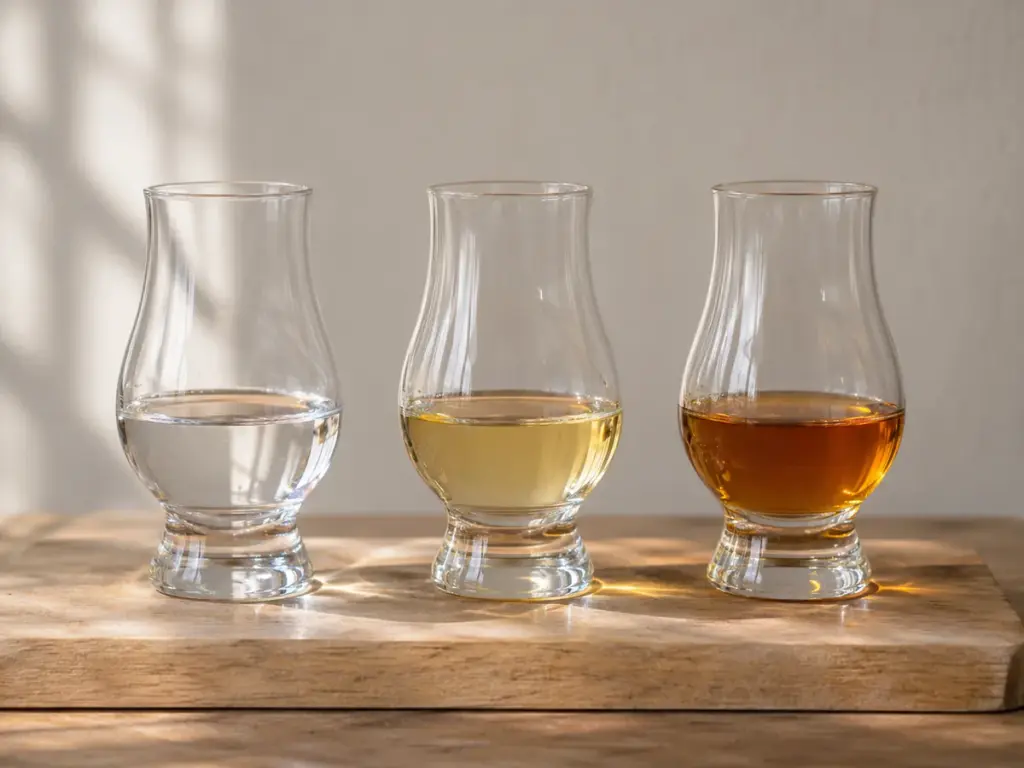
A blanco looks clear, a reposado picks up a pale gold from months in oak, and an añejo turns amber after a year or more, so the color in your glass tells you roughly how long the tequila sat in oak.
2. How Are Espolòn and Casamigos Alike?
When you see "100% agave" on a label, it means every sugar in the fermentation comes from Blue Weber agave, and the tequila is bottled at the producer's plant in Mexico's tequila region.
A mixto "Tequila" without that wording can take up to 49% of its sugars from other sources, so with either brand you start from the better tier.
- Same agave and state: Blue Weber from Jalisco.
- Same strength: 40% alcohol, 80 proof.
- Same core range: blanco, reposado, añejo and a charcoal-filtered cristalino.
With those three traits equal, you are choosing on aging, flavor and price.
3. Who Makes Each Tequila, and How?
Espolòn comes from Casa San Nicolás, a distillery in the highlands, about 2,000 meters above sea level, that the brand's founder, Cirilo Oropeza, began building in 1996. Campari Group bought the San Nicolás distillery in 2009 and the Espolòn brand in 2010, according to Difford's Guide.
On the label you will see a rooster named Ramon, drawn in the style of the Mexican printmaker José Guadalupe Posada, and the name Espolòn is Spanish for "spur".
Casamigos began as a tequila that George Clooney and Rande Gerber made for themselves, and the company launched in 2013 with Mike Meldman as the third founder. Diageo bought it in 2017 for $700 million up front and up to $300 million more, depending on how the brand sold afterward.
Each brand describes its process on its own site, and the two descriptions differ in the steps that shape flavor:
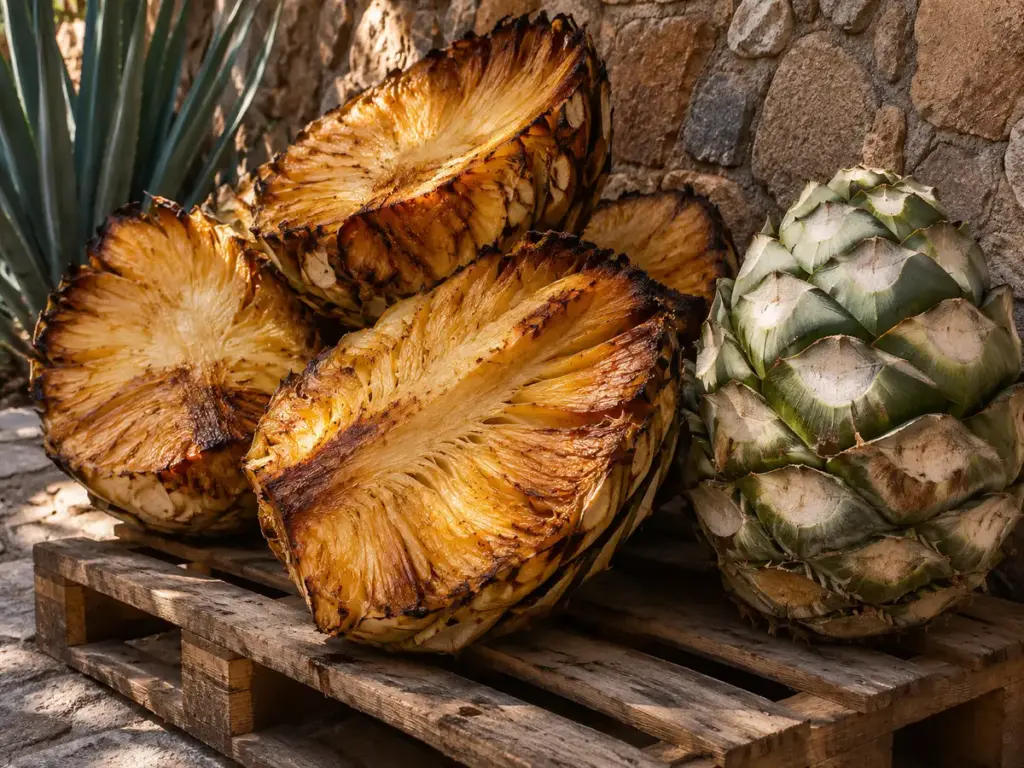
- The agave is steam-cooked in stainless-steel autoclaves.
- Classical music plays to the yeast during fermentation, the brand says.
- The tequila runs through both pot and column stills.
- The agave roasts in a process that includes brick ovens.
- It is distilled twice, in stills the brand does not name.
- The blanco rests in steel, and the aged bottles go into American white oak.
Espolòn says its custom autoclaves give a "delicate extraction" with sweet, earthy and caramelized notes, while Casamigos describes its brick ovens as the traditional way. Both methods make legal 100% agave tequila, and the front label does not tell you which one a bottle went through.
Espolòn's farmers hand-harvest the piñas once the agave matures and cut the leaves low in the field to remove oils the brand does not want in the tequila.
Once the piñas are cooked, Espolòn runs them through roller mills to press out the juice, and the leftover agave fiber, called bagasse, is turned into fertilizer, with some of it going to local farmers, the brand says.
The brand uses water from about 250 meters beneath the Highlands of Jalisco, and its process page says it uses no diffusers, the machines that pull sugar from raw agave with hot water.
Casamigos says its piñas are roasted in a process that includes brick ovens and that the tequila is distilled twice. Its pages do not list a fermentation time or a diffuser statement, so those two answers have to come from the brand itself.
4. How Long Is Each Tequila Aged?
Mexico's tequila standard sets only floors: a reposado spends at least two months in oak, and an añejo spends at least one year in oak containers of 600 liters or less.
The brands' own pages list these aging times, so you can compare them with the floors above:
| Type | Espolòn | Casamigos |
|---|---|---|
| Blanco | Unaged | Unaged, rested in steel |
| Reposado | At least 2 months, American oak | At least 6 months, American white oak |
| Añejo | 10 months, then 2+ in used bourbon barrels | At least 12 months, American white oak |
Casamigos sets its reposado minimum at three times Espolòn's, so by the brands' own numbers you get a reposado with more time in oak.
Espolòn's añejo totals about a year, because it spends 10 months in American oak and then at least two more months finishing in a used bourbon barrel.
Espolòn ages its reposado and añejo in American oak barrels. Casamigos rests its blanco in stainless steel before bottling, which the brand says opens the tequila and levels out impurities.
Casamigos's FAQ describes the classes more broadly, with reposado aging 2 to 12 months and añejo 12 to 36 months in oak, so the 6 and 12 months on its product pages are minimums.
5. What Is Cristalino, and How Do the Two Brands Make It?
A cristalino is an aged tequila that is charcoal-filtered until it turns clear, so you cannot tell it from a blanco by color even though it has spent time in oak. Both brands sell one, and the two are built differently:
- It blends añejo with a little extra añejo.
- Charcoal filtering strips out the color.
- The brand lists caramelized agave, honey and a fruity, oaky finish.
- It starts as a reposado aged at least 6 months.
- The twice-distilled tequila is then charcoal-filtered.
- The brand lists oaky vanilla, dried fig and raisin.
Espolòn suggests you drink its cristalino neat or chilled, while Casamigos suggests mixing a Casamigos & Soda from Blanco or Cristalino, club soda and a citrus garnish.
6. How Do Espolòn and Casamigos Taste?
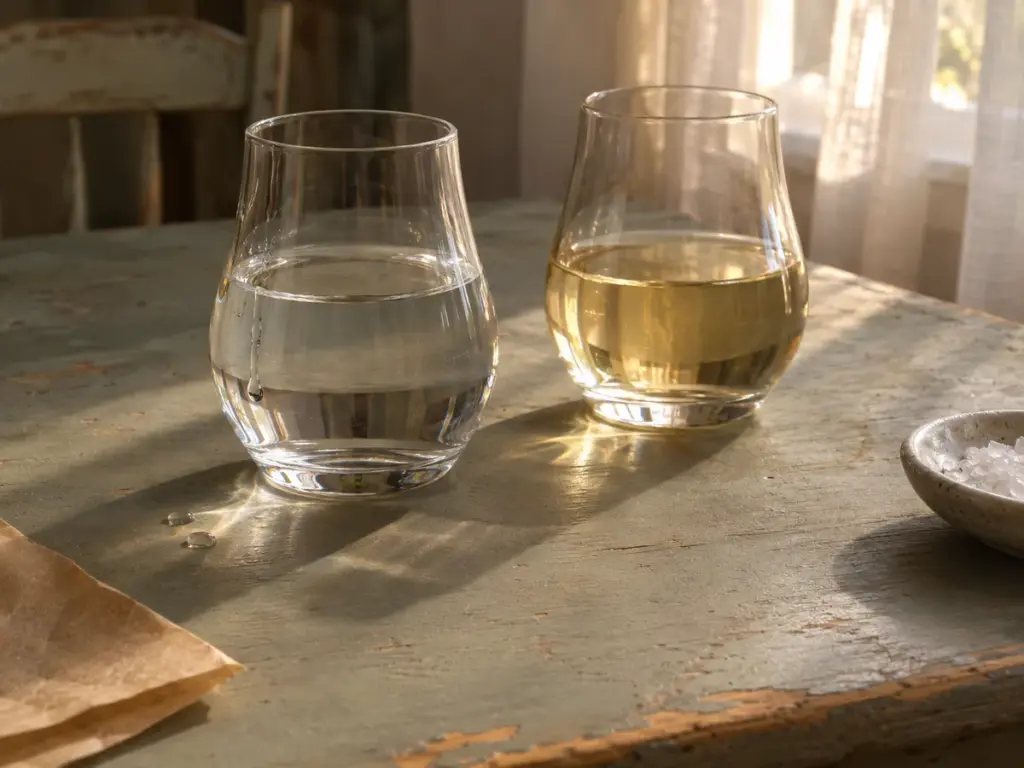
Every note below comes from the brand's own website, so you are reading how each maker describes its tequila, with no neutral tasting behind it.
The unaged blanco comes first, since both brands' paloma, margarita and ranch water recipes start from it:
- Espolòn lists sweet agave, tropical fruit and lemon zest.
- You may also pick up a hint of pepper.
- Vanilla bean and grilled pineapple come on the finish.
- Casamigos puts fresh citrus first.
- Sweet agave follows it.
- Its finish is soft vanilla.
With months of oak added, both reposado lists turn toward caramel:
- Its aroma is spicy caramel fudge.
- Roasted agave and tropical fruit come next.
- On the finish you get vanilla and warming spices.
- Soft, lightly woody notes come first.
- Caramel fills the middle.
- At the end, Casamigos lists cocoa.
In the añejo lists, the two brands overlap the most:
- Caramel, vanilla and dried fruit lead.
- Behind them comes chocolate.
- Espolòn calls the mouthfeel velvety.
- Deep caramel and vanilla lead.
- Under the oak you still taste agave sweetness.
- It finishes with a little spice and oak.
Both añejo descriptions name caramel and vanilla, which puts the aged bottles closer together than the blancos.
When you compare the lists, Espolòn leans peppery, spicy and fruity, while Casamigos leans vanilla, caramel and cocoa.
Both still land inside tequila's flavor range of cooked agave, citrus and pepper, and oak adds vanilla to the aged bottles.
Espolòn's pages suggest you serve the blanco neat, shaken over ice or in cocktails, the reposado neat, on the rocks or mixed, and the añejo neat or with one ice cube.
Casamigos says it set out to make a tequila smooth enough to drink without salt or lime, so if you plan to sip it neat or over ice, its description fits that goal best.
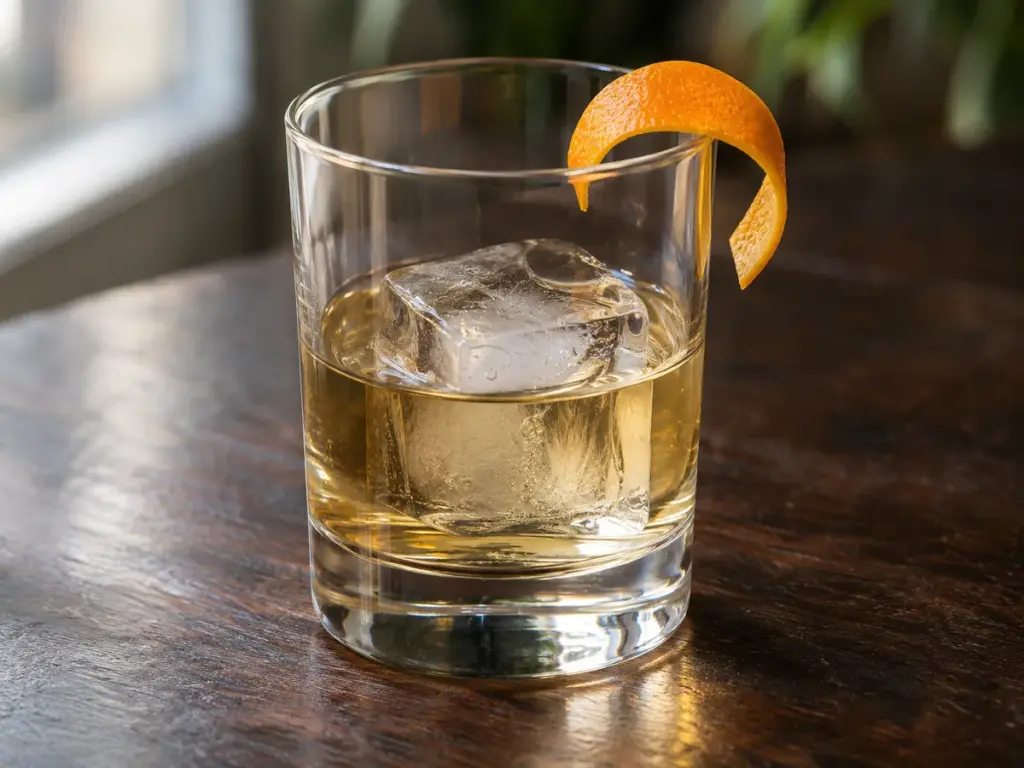
7. Can You Swap Espolòn and Casamigos in Cocktails?
You can swap them one for one, because both are 40% Blue Weber agave tequilas and a blanco takes the place of a blanco without changing the recipe's balance.
The recipes each brand publishes show how much the two overlap:
Espolòn's paloma uses Espolòn Blanco with grapefruit juice, lime juice, agave syrup and soda water.
Casamigos's margarita recipe calls for 1.5 ounces of Blanco or Reposado with fresh lime juice, fresh orange juice and agave nectar.
For ranch water, Casamigos suggests tequila with fresh lime juice, club soda and a lime wedge, and you can pour Espolòn Blanco the same way.
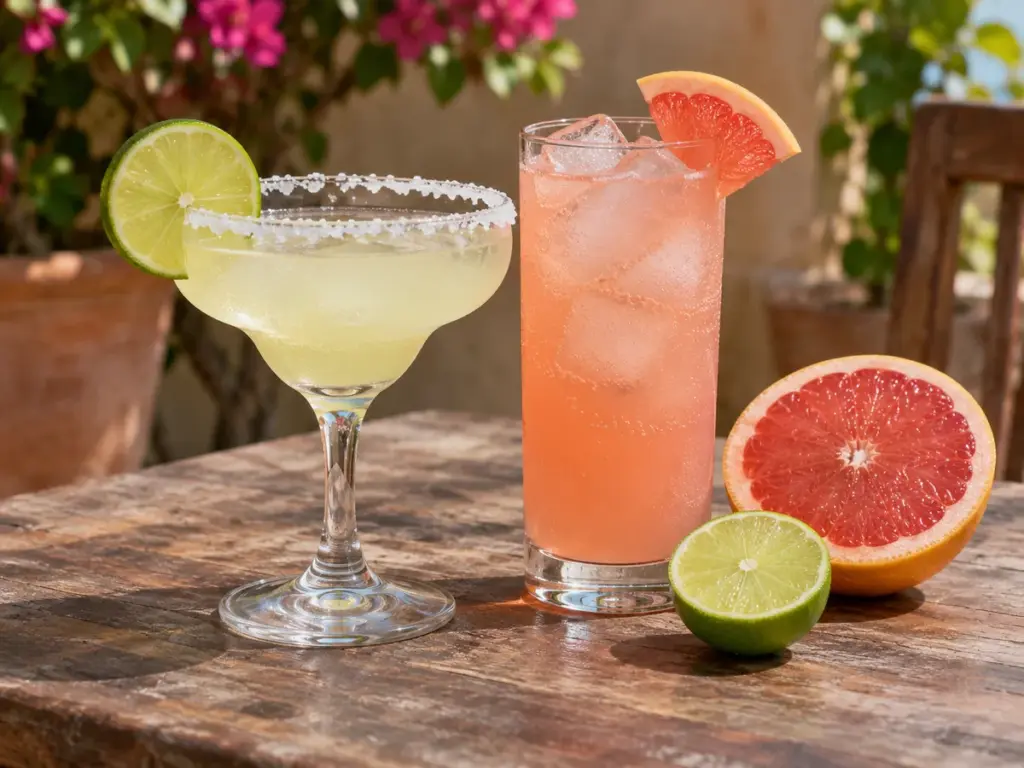
Lime, grapefruit and soda are strong flavors, so in a paloma or ranch water we'd spend the effort on the juice before the bottle, which makes freshly squeezed lime juice worth the effort.
For those drinks you can pour whichever bottle costs less at your store and save the other for sipping.
Aged bottles suit stronger drinks, and Espolòn publishes two recipes you can start from:
- Spicy Margarita: Espolòn Reposado with Ancho Reyes Original Chile Liqueur.
- Old Fashioned: Espolòn Añejo, agave syrup and two dashes of bitters, a tequila take on the Old Fashioned.
What Casamigos Is Closest to Espolòn?
If you like Espolòn Blanco, Casamigos Blanco is the nearest stand-in, since both are 40% and both lists name sweet agave and citrus. Between the aged bottles, the reposados share caramel, and the añejos share caramel and vanilla.
A reposado swaps in too, though you will taste more oak and vanilla than with a blanco, the same gap you find between a light and a dark tequila.
8. What Do They Cost, and What Else Sells Under the Name?
Price changes by state, store and bottle size, so this page gives no number. You get the fairest comparison from the same expression in the same 750 mL size at the same store, since a blanco priced against an añejo compares two different products.
Casamigos also sells drinks that are weaker than its 40% tequila, plus a mezcal, and the label tells you which one you picked up:
- Casamigos Margarita cans: 10% alcohol and 135 calories per can.
- Crafted Margaritas: pre-mixed in 750 mL bottles at 20.5% alcohol.
- Mezcal Joven: this separate spirit is made from 100% Espadín agave cooked 4 to 6 days in earthen pits.
9. Which One Should You Buy?
- You mix margaritas, palomas or ranch water
- You like a peppery, fruity blanco
- You want a brand that names its own distillery (Casa San Nicolás, NOM 1440)
- You sip neat or on the rocks and want vanilla and caramel
- You want a widely recognized gift with a Clooney connection
- You prefer a soft reposado or añejo with caramel and cocoa
Whichever bottle you pick, you can confirm four things on its label before you pay:
- The sugar wording: "100% agave" or "100% puro agave" rules out other sugars.
- The aging word: blanco, reposado, añejo or cristalino.
- The NOM number: it names the distillery, such as 1440 for Espolòn, so you can confirm it on your own bottle.
- Size and strength: 750 mL at 40% for both brands' tequila.
With either blanco, we'd serve bright, salty food like Mexican ceviche, fish tacos and grilled chicken with lime, since lime and salt sit well beside the citrus and pepper both brands list.
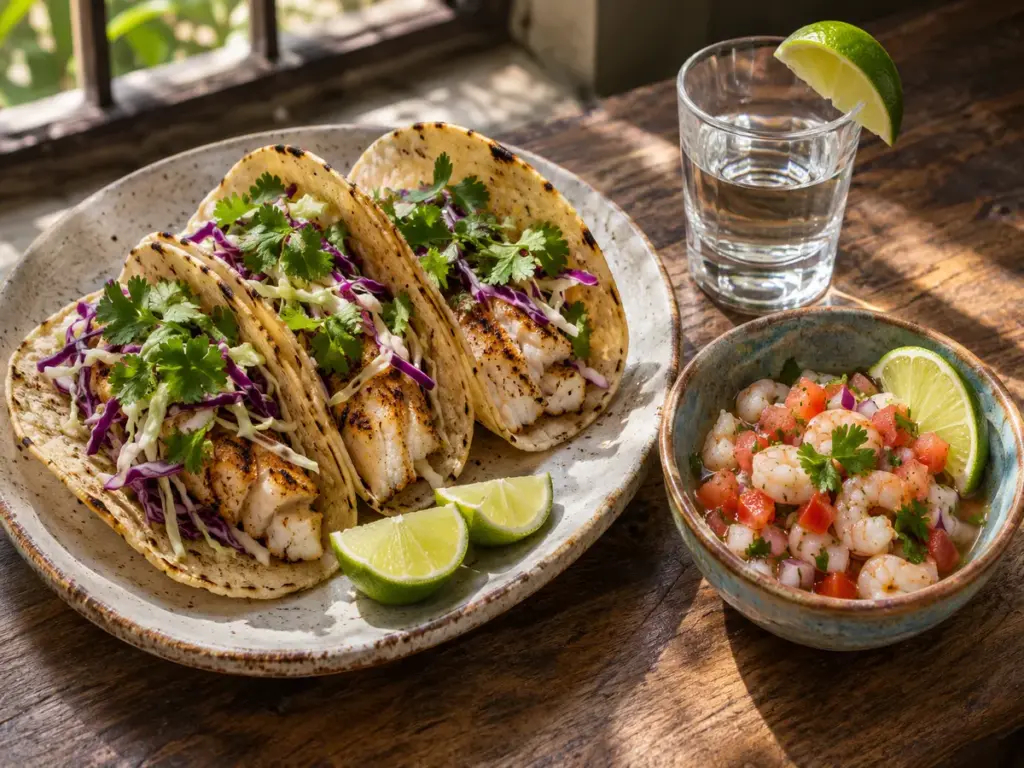
Espolòn's own pages steer you toward heavier food with the aged bottles:
- Reposado: barbecue ribs, roast beef, chicken fajitas and surf 'n' turf.
- Añejo: desserts, chocolate and truffles with orange peel.
- Cristalino: fish in golden butter and pozole rojo.
Sources
- Espolòn, Our Craft (autoclave cooking, roller mills, bagasse, fermentation, pot and column stills)
- Espolòn, Our Story (Cirilo Oropeza, Casa San Nicolás, NOM 1440, the name and the rooster)
- Espolòn Blanco, Reposado, Añejo and Cristalino product pages (tasting notes, aging, serving, recipes)
- Difford's Guide, Espolòn Blanco (Campari ownership dates, 40% ABV)
- Casamigos, Our Tequilas, Our Process, Our Story and FAQ (agave, brick ovens, aging, cristalino, tasting notes, recipes, canned and pre-mixed margaritas, mezcal)
- Wikipedia, Casamigos and The Drinks Business, Diageo completes purchase (founders, 2013 launch, 2017 sale terms)
- Tequila Matchmaker, Casamigos Añejo (NOM 1609)
- Tequila.net, tequila regulations (NOM-006 aging classes, 100% agave rule)
- Casamigos Blanco retailer listing (750 mL, 40% ABV; the Casamigos FAQ gives no ABV for the tequila)
Frequently Asked Questions
How Many Margaritas Does a 750 mL Bottle Make?
A 750 mL bottle holds about 25.4 fluid ounces, so at the 1.5 ounces of tequila in Casamigos's margarita recipe you get about 16 full drinks, with a little left over.
Is Casamigos Gluten-Free?
Casamigos's FAQ answers yes: "Casamigos Tequila is Gluten Free." The Espolòn pages listed in Sources do not state it, so if you need it in writing for Espolòn, the brand itself has to answer.

Food writer at GustoMeadow. Writes ingredient substitutes, food comparisons, taste guides and storage guides for home cooks.
Storage and food-safety numbers follow USDA, FDA and university extension guidance.



