Match the age of the tequila to the weight of the food.
- Blanco (aged under 2 months) goes with light, citrusy dishes like ceviche, fish tacos and guacamole.
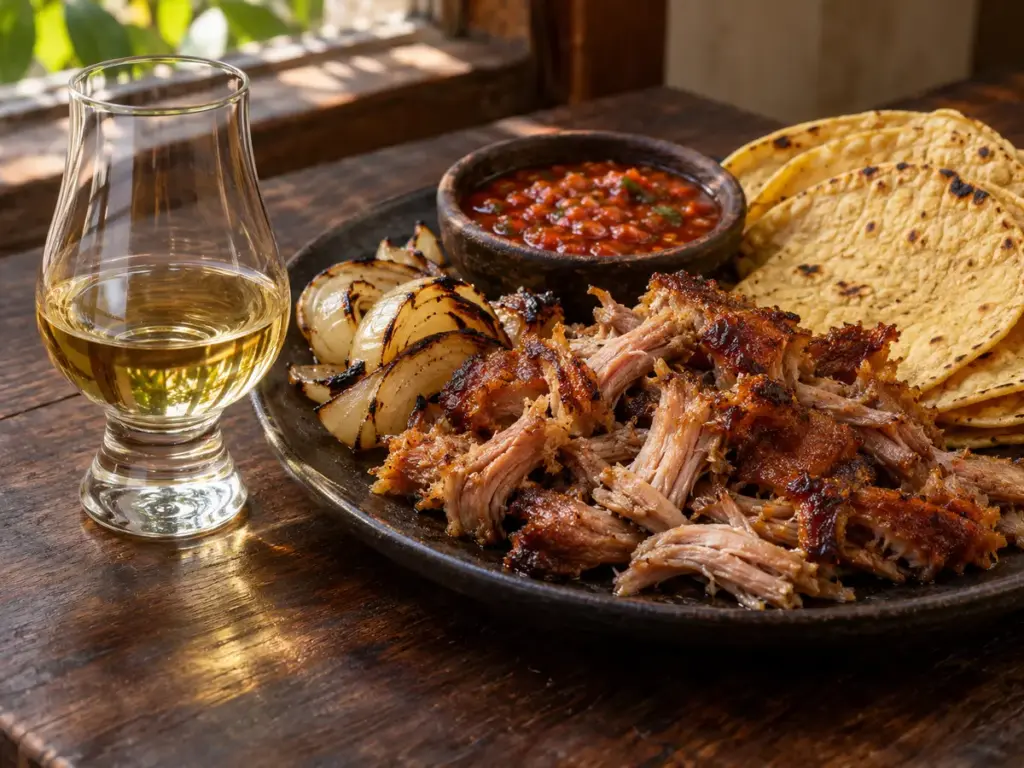
- Reposado (2 to 11 months in oak) suits grilled meat and red chili sauces.
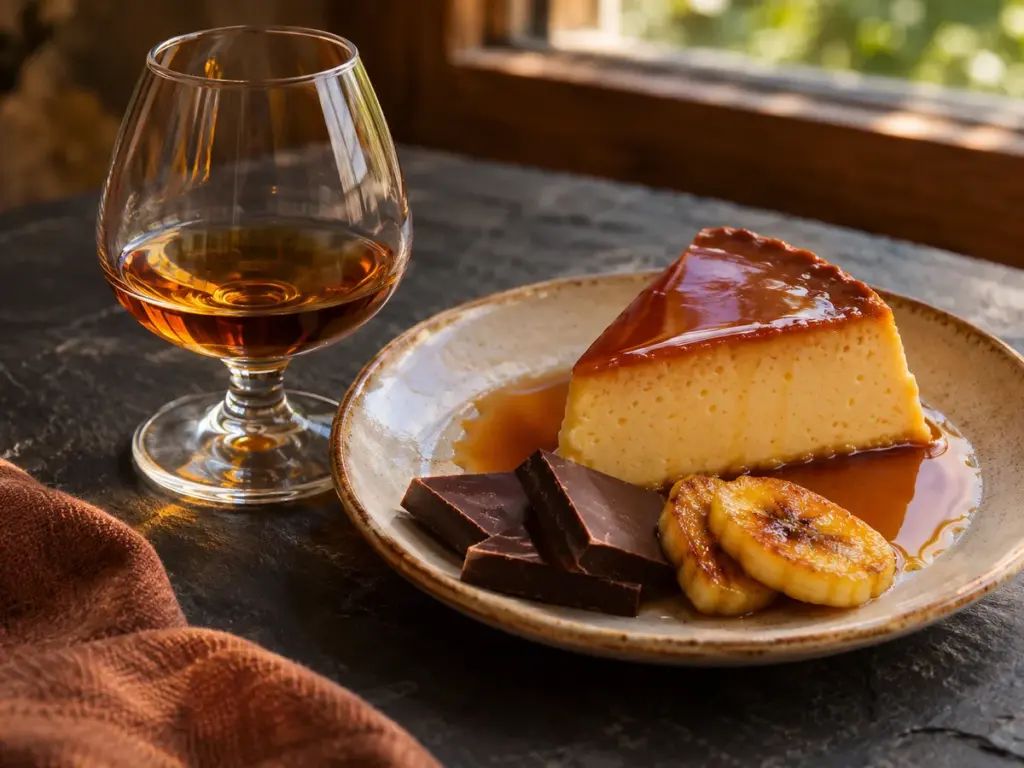
- Añejo (1 to 3 years) suits dark chocolate, flan and slow-cooked meat.
- Margaritas are sour and salty, so they handle salty, fried and rich food.
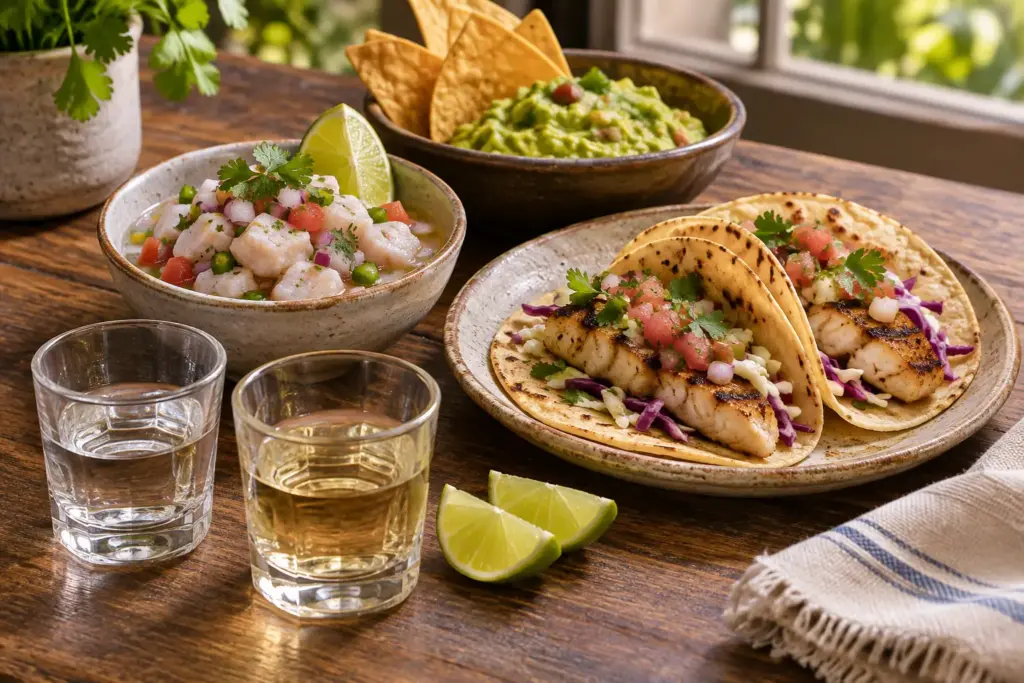
Unlike most dishes in our side dish pairing guides, the drink is the fixed point here, and you are choosing the food around it. That is easier once you know that a clear blanco and an amber añejo behave almost like two different drinks. The sections below start with a style-by-style table, then explain why each match works, then cover margaritas and a party plan.
1. Which Foods Go With Blanco, Reposado and Añejo?
Age is the quickest way to sort tequila, because time in oak adds sweetness and weight. Difford's Guide lists blanco as 0 to 59 days, reposado as at least 60 days in oak, and añejo as at least a year in oak barrels of 600 liters or less.
| Style | Aged | Tastes like |
|---|---|---|
| Blanco | Up to 59 days | Agave, citrus, black pepper |
| Reposado | 60 to 364 days | Softer agave, oak, vanilla |
| Añejo | 1 to under 3 years | Caramel, oak, toffee, peppery agave |
- Blanco: ceviche, shrimp cocktail, fish tacos, guacamole, fresh cheese
- Reposado: grilled steak, ribs, carnitas, enchiladas in red chili sauce
- Añejo: flan, dark chocolate, caramelized bananas, slow-cooked meat
- Blanco: mole, braised beef, chocolate
- Reposado: delicate raw fish
- Añejo: lime-heavy salads and ceviche
The flavor notes come from VinePair's aging guide, and the food matches follow the style of Patrón's pairing guide, which puts blanco with ceviche and guacamole, reposado with steak and spicy enchiladas, and añejo with chocolate lava cake and flan. The older the tequila, the heavier and sweeter the food it can stand next to. A blanco beside a slow-cooked mole gets buried, and an añejo beside a squeeze-of-lime ceviche loses its oak to the acid.
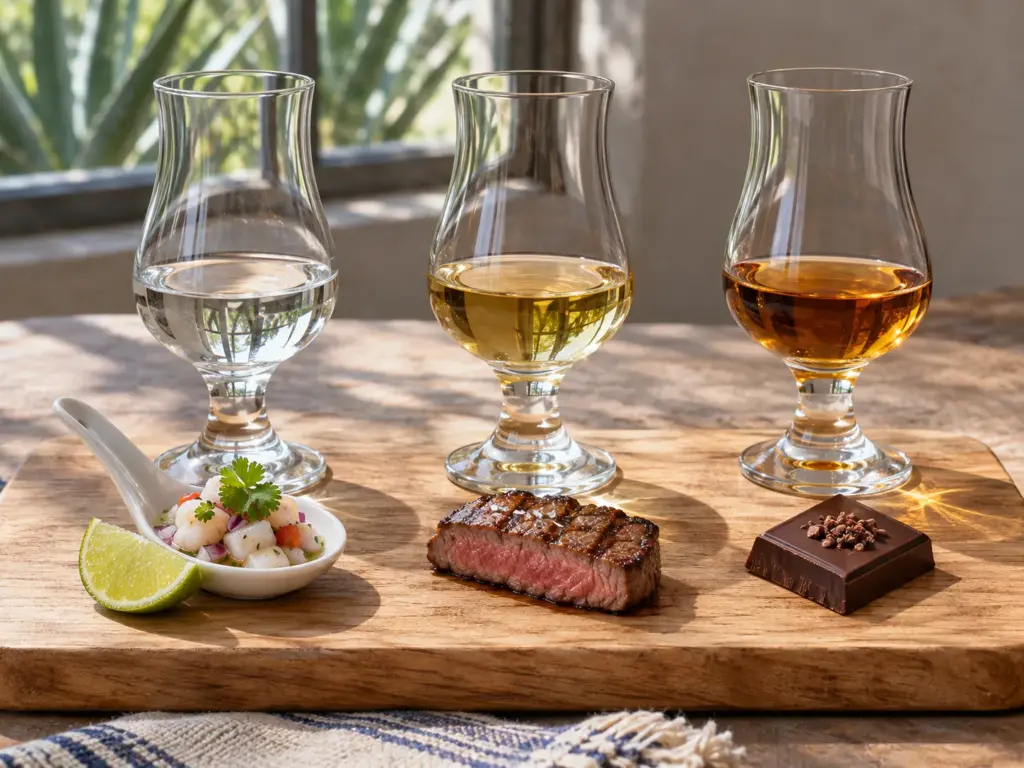
Color alone can mislead you. Difford's Guide notes that gold (joven) tequila often gets its color and flavor from caramel and additives instead of aging, so read the label for the word reposado or añejo.
Labels that say "100% agave" mean the sugar came only from agave, while any bottle without that phrase is a mixto that may be up to 49% other sugars, according to the same guide. For sipping, the 100% agave bottles are the ones worth pairing with food.
Side by side, the three styles taste different: blanco is peppery and citrusy, reposado is softer with oak and vanilla, and añejo leans toward caramel and toffee, so tequila flavor changes with time in oak. Bottles aged three years or longer are called extra añejo. Difford's Guide compares them to fine cognac, and most people sip them alone or beside a square of dark chocolate.
2. Why Do These Pairings Work?
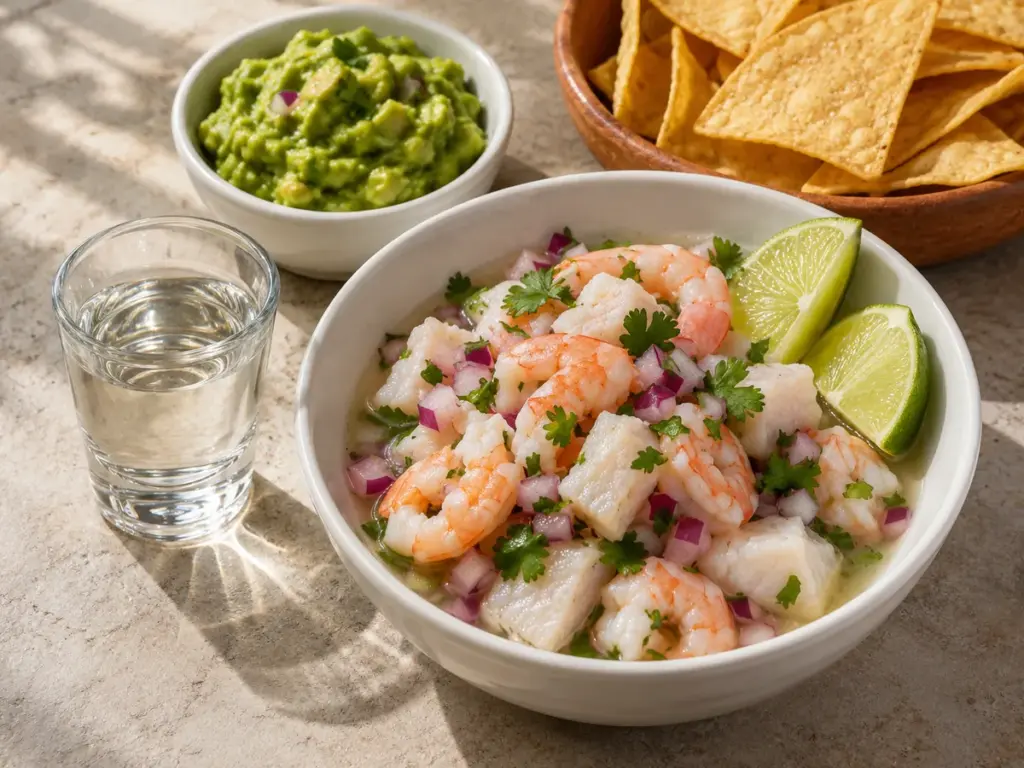
Five things in your food decide whether a tequila tastes better or worse next to it, and each one lines up with a style:
- Acid: lime and vinegar in ceviche, pico de gallo and fish tacos echo the citrus and pepper in blanco, so the two taste like one bright flavor instead of competing.
- Fat: avocado, cheese and slow-cooked pork coat your mouth and soften the alcohol bite, which is why guacamole and carnitas feel gentle next to a 40% pour.
- Salt: chips, salted rims and cured meats give a sweet-and-sour drink something to push against, which is the whole logic of the margarita.
- Smoke and char: grilled meat and charred vegetables match the faint smoky oak of reposado, as Patrón's guide puts it.
- Sweetness: caramel and chocolate in desserts meet the caramel and toffee notes of an añejo, so neither one tastes sugary.
Chili heat sits across all five, and we would treat it as a dial. In our judgment, a mild jalapeño salsa works with almost any style, while a salsa made with habanero runs hotter than jalapeño. Sweeter, oakier reposado holds up to that kind of heat better than a delicate blanco does.
3. What Goes With Margaritas and Other Tequila Cocktails?
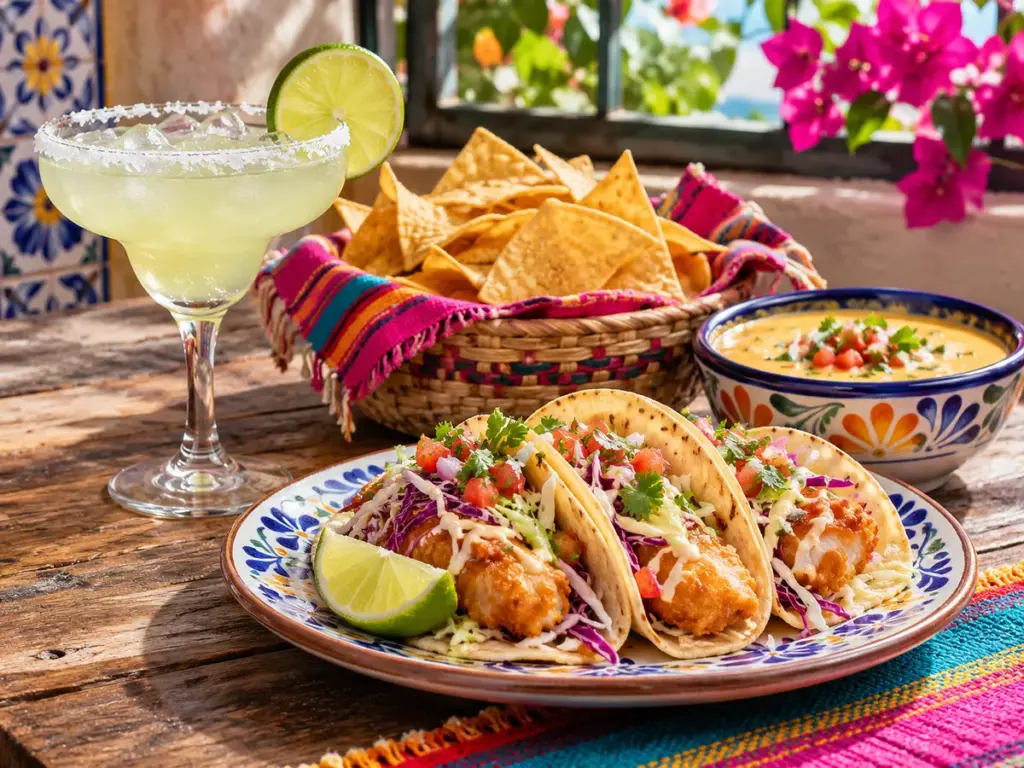
A margarita brings its own acid and salt, so you pair the glass more than the tequila inside it. VinePair recommends blanco for margaritas and other light citrus drinks, and says reposado also works when you want vanilla notes in the glass. Either way, the food that works is salty, crunchy or creamy: chips with guacamole, tacos, quesadillas and fried shrimp.
- Match food to age: light for blanco, grilled for reposado, sweet for añejo
- Keep sauces mild so the tequila's flavor stays clear
- Serve a small pour with water
- Go salty, fried or creamy: chips, tacos, queso, fried fish
- Spicy food works with a cold, tart drink
- Skip very sweet desserts, since the drink is already sweet and sour
Chips, queso, tacos and fried fish are the classic sides for margaritas. How tart the glass is also changes what it can handle, and it depends partly on whether the drink uses fresh or bottled lime juice. In general, the tarter the margarita, the better it cuts through rich food like cheese and fried pork.
4. How Do You Plan a Tequila Dinner or Party?
Serve the tequilas in the same order as the weight of the food, light to heavy, so each course starts with a clean palate:
- Start with blanco or margaritas. Set out chips, guacamole and a cold shrimp or fish starter while people arrive.
- Serve the main with a matching style. Fish tacos stay with blanco, and grilled steak or pork goes with reposado.
- Finish with añejo. Pour a small amount beside flan, dark chocolate or caramelized bananas.
- Keep water and food on the table the whole time. Guests who eat as they sip pace themselves better.
For the main course, fish tacos and carnitas are the two most popular choices. Match fish tacos to blanco and carnitas to reposado, since the pork's fat and char suit the softer oak. The same split applies to the plate: light sides for fish tacos go with the fish, and richer sides for carnitas go with the pork.
5. Does the Brand Change What You Should Serve?
Two bottles in the same style can taste different, so taste yours plain before you plan the menu. If you are stuck between brands, such as Espolòn vs Casamigos, pour a little of each and ask whether it tastes more peppery and dry or more sweet and vanilla. A dry, peppery bottle follows the blanco column of the table, and a sweeter one will be happier beside grilled meat or dessert.
Sources
- Difford's Guide: Tequila classifications
- VinePair: Blanco, reposado and añejo tequila explained
- Patrón: Tequila dinner pairings
- NIAAA: What is a standard drink?
- Duke University: How alcohol is absorbed into the body
Frequently Asked Questions
A lime wedge and a pinch of salt is the bar custom, but a bite of food does the same job better. Chips with guacamole or a few shrimp work well, because the salt and fat make a strong pour easier to take.
In our judgment, mild, salty fresh cheeses like queso fresco and panela suit blanco, while aged, nutty cheeses suit reposado.
Partly. Rum is made from sugarcane and tequila from blue agave, so the flavors start in different places. The age rule still holds: light rum suits light food and dark, aged rum suits dessert and grilled meat.

Andrew Gray is the founder of Gusto Meadow, a food site for home cooks. He writes ingredient substitutes, food comparisons, taste guides, storage guides and dinner ideas, with numbers drawn from sources such as USDA, FDA and university extension services.
At Gusto Meadow, Andrew focuses on fresh, seasonal ingredients and simple methods that anyone can follow. His goal is to make cooking feel fun, doable, and rewarding — whether you’re preparing a quick weeknight dinner or exploring something new.
Storage and food-safety numbers follow USDA, FDA and university extension guidance.