
Ever tangled with the dilemma of fava beans versus broad beans? Literally.
Both pack a punch in nutrition. Yet, they're not twins.
In our kitchens, we've laughed, cried, and maybe even burned a dish or two figuring this out.
Fava beans demand patience with their tougher skin. Broad beans?
A bit more forgiving.
We'll guide you through. With stories from our bean escapades, of course.
Every scoop tells a story. Yours is next.

What are Fava Beans?
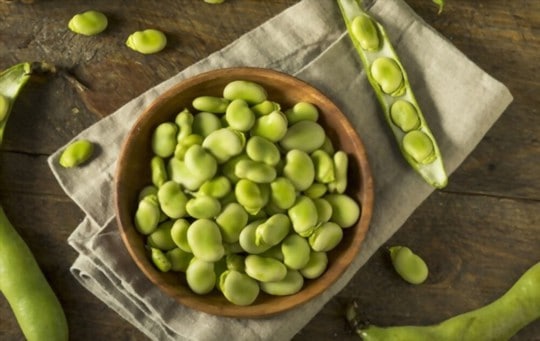
Fava Beans, also known as broad beans, are a type of legume native to North Africa and Southwest Asia - compare fava beans vs chickpeas comparison to see how they differ nutritionally and in use.
They have a smooth texture and are larger than most beans.
Fava beans have been cultivated for thousands of years and are used in a variety of cuisines worldwide due to their high nutritional value.
They are an excellent source of protein, fiber, iron, and other essential nutrients.
When cooked properly, Fava Beans have a creamy texture that blends well with herbs and spices in many dishes such as soups, stews, salads, dips, and spreads.
They can be boiled, roasted or sautéed with garlic or onions to enhance their flavors.
Apart from their culinary uses, Fava beans are also grown for animal feed and used as green manure for enriching soil fertility.
Not all types of Broad Beans taste like Fava Beans because there are many varieties available around the world.
For example: Horse Beans (large white beans), Lima Beans (small pale green beans), Aquadulce (white-skinned large beans), Windsor (brownish-red mottled beans).
Each variety offers its unique set of nutritional benefits and flavors when cooked.
Fava Beans vs Broad Beans comparison has been long debated for their flavors and size differences but both contain an array of health benefits that make them worth incorporating into your diet regularly.
What are Broad Beans?
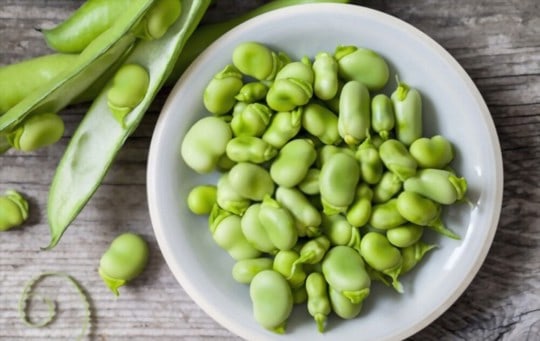
Broad beans are a type of legume characterized by their flat and broad shape.
They possess a mild, nutty flavor and offer impressive amounts of protein, dietary fiber, vitamins, and minerals.
Broad beans are also known as fava beans in some regions and can grow up to 4 feet tall in the right conditions.
With their creamy texture and versatility in different cuisines, they have become a popular ingredient worldwide.
As an excellent source of folate, iron, and potassium, broad beans offer essential nutrients that benefit the body in various ways.
The high protein content of this legume makes it a fantastic meat substitute for vegetarians as it provides all the necessary amino acids.
Broad beans are easy to prepare by blanching or roasting and work well in various savory dishes like soups, stews, salads or as a side dish with roasted meat.
While broad beans remain highly beneficial, allergic reactions to them could cause adverse effects on some people's health.
Allergic reactions to broad beans may alter the digestive system functions of patients with G6PD deficiency condition that affects red blood cells' lifespan.
Thus, these individuals should avoid consuming them.
Differences Between Fava Beans and Broad Beans
Fava beans and Broad beans are similar but have unique qualities.
They differ in their color, size, and taste.
Fava beans are larger and creamier than broad beans, which are smaller and nuttier.
Cooking methods also vary for each; fava beans need to be cooked longer than broad beans to avoid a bitter taste.
Both varieties of beans have numerous nutritional benefits such as high fiber content, vitamins B1 & B6 and iron.
However, they also differ in terms of their regions of origin; fava beans originate from North Africa while broad beans were first cultivated in Eastern Asia.
These differences make it important to understand the right usage of each bean in dishes or recipes - similar side-by-side detail appears in Italian green beans vs green beans comparison for quick cooking guidance.
While fava beans work well with Mediterranean flavors like garlic and tomato sauce, broad beans shine when used in Middle Eastern dishes with spices like cumin and coriander.
In summary, understanding the unique differences between fava beans and broad beans can improve your culinary insights in plant-based nutrition approaches.
Therefore, knowing these distinctions is important for creating delicious meals that are both nutritious and appealing to your personal flavor preferences.
Origin and Naming
The etymology and terminology of these legumes is an interesting topic to explore.
Both Fava beans and Broad beans belong to the Vicia faba species but are known with different names in different regions.
Fava, according to some sources, might have originated from the Arabic word for "bean", while "Broad" refers to its broad pods.
In other parts of the world, Fava beans are referred to as Horse Beans or Field Beans.
Broad beans, on the other hand, have several regional names such as Windsor Bean or English Bean.
These terms reflect the spread and cultural significance both in cuisine and agriculture along with their diverse consumption habits across the globe.
In regards to their botanical identification and classification, it's essential to highlight that despite having similar names and origin, they are distinct species that differ from each other in taste, texture, nutritional value, growing conditions etc.
While Fava beans tend to be sweeter and buttery accompanied by a soft texture, Broad Beans have a stronger flavor along with firmer consistency.
Also, as per various nutritional studies available online Broad beans contain higher protein content than fava beans which makes them an ideal replacement for meat in vegan and vegetarian dishes.
It's also important to note their varying roles in regional culinary traditions such as Ukranian Kachanivka Salad made with young broad beans or Falafel - a middle eastern staple made from fava bean flour or paste alongside chickpeas.
To conclude, exploring each attribute of these legumes adds depth into our understanding of our cultures' relationship with food while allowing individuals who choose plant-based diets an opportunity for diversity in flavors and textures.
Appearance and Size
The physical attributes of both fava beans and broad beans are quite similar, including their shape, size and colour.
The main distinguishing factor is the thickness of their skin.
While broad beans have a thin outer skin that can be eaten once cooked, fava beans have a thicker skin which needs to be removed prior to consumption.
Both beans can range from small to medium and are available in different shades of green.
Flavor and Texture
The sensory experience of legume consumption depends on their Flavors and Textures, which play an essential role in taste perception - see extract vs flavor explanation for how subtle differences influence recipes.
Fava beans and Broad Beans are closely related and have similar tastes and textures, but there are notable differences between the two.
Fava beans have a nutty flavor with a slightly creamy texture, while broad beans are earthy with a firmer texture.
Fava Beans can be pureed for dips or hummus or added to stews for some extra thickness.
Due to its creamy texture, fava beans can be made into soups or salads to boost volume while adding subtle flavors.
On the other hand, Broad Beans need to be peeled before consumption.
Roasted Broad Beans can serve as an excellent snack substitute, whereas boiled Broad Beans compliments pasta dishes brilliantly.
While both may seem interchangeable at first glance and nutritionally equivalent, another important parameter worth considering is one's palette preference.
It all comes down to personal palate when it comes to deciding between Fava vs Broad Beans cuisines.
Culinary Uses and Recipes
Fava beans and Broad beans are two legumes that have been popular in many cultures over time.
They offer a variety of culinary uses and recipes that can be enjoyed by anyone.
These legumes are known for being rich in protein, fiber, vitamins, and minerals that make them a healthy addition to any meal.
Some common ways of using these legumes include salads, soups, side dishes, stews, dips, patties, and even desserts - try ideas from vegan sandwich recipes with big flavor that put mashed beans to tasty use.
One of the most common culinary uses for these beans is to include them in salads as they add a unique texture and flavor to the dish.
Another popular use includes pureeing them into dips or spreads like hummus or Baba Ganoush.
Besides this, there are numerous ways to cook them such as roasting or boiling until tender.
It's important to note that while similar in many ways, fava beans and broad beans do have some differences when it comes to their taste and texture.
For example, Fava beans tend to be smaller than broad beans but they also have a nuttier flavor whereas Broad Beans have a creamy texture which makes them ideal for risotto recipes.
Nutritional Comparison of Fava Beans and Broad Beans
The nutritional content of fava beans and broad beans shows unique differences.
Fava beans contain vitamin K, iron, and fiber while broad beans contain more protein and thiamin.
Both can be considered a good source of dietary fiber and have various health benefits such as promoting heart health, reducing inflammation, and improving digestive health.
Note that for individuals with G6PD deficiency, fava beans should be avoided due to the risk of hemolysis.
Understanding the nuances of each bean's nutrient profile can help in making informed decisions about incorporating them into meals - for another close look at bean nutrition, review black turtle beans vs black beans comparison.
Cooking and Preparation Differences
There are a few differences to keep in mind:
- Both beans need to be shelled before cooking. However, fava beans require an additional step of peeling each individual bean once it's been boiled or steamed. This can be time-consuming but results in a softer texture. Broad beans, on the other hand, do not require this extra step.
- Another difference is their cooking time. Fava beans take longer to cook than broad beans as they have a tougher skin and require more time to soften. When boiling fava beans, it is recommended to add bicarbonate soda to help loosen the skin and speed up the process. Alternatively, broad beans only need a few minutes to boil or steam until tender.
One thing that sets them apart is the flavor.
While both have a slightly nutty taste, fava beans are generally sweeter with notes of fresh herbs.
Broad beans tend to have a slightly bitter aftertaste that can be balanced out with lemon juice or garlic.
For complementary pantry swaps that change a dish's acidity or depth, see white cooking wine vs white wine vinegar comparison to choose the right option for bean preparations.
Factors to Consider in Choosing Between Fava Beans and Broad Beans
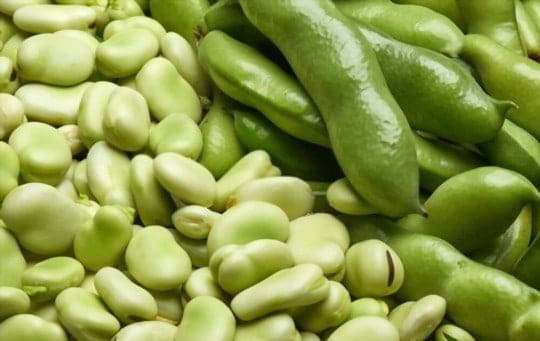
Fava Beans or Broad Beans? Which is a better choice?
Let's dig into some key deciding factors.
These two beans can be used interchangeably in many recipes, but there are some differences to consider - compare similar tradeoffs in black eyed peas vs pinto beans comparison when choosing substitutes.
Fava beans have a slightly sweeter taste than Broad beans.
On the other hand, Broad beans have an earthier and nuttier taste.
In terms of texture, Fava beans tend to be creamier and smoother, while Broad beans are firmer and meatier.
Another factor to consider is nutritional value.
Fava beans are higher in protein and fiber, while Broad beans contain more folate and iron.
Nutritional Comparison of Fava and Broad Beans
Comparing Fava Beans vs Broad Beans, there is no clear winner as they both have their unique benefits.
Both beans are high in protein and fiber, making them a great choice for vegetarians and vegans.
Fava beans are higher in iron, while broad beans are richer in folate.
In terms of taste and texture, it comes down to personal preference.
Both beans require soaking and peeling before use.
Fava beans are commonly used in Italian cuisine, while broad beans can be found in Mediterranean and Middle Eastern dishes.
They can be used in a variety of recipes such as soups, stews, salads or simply roasted with spices.
Ultimately, the choice between Fava Beans vs Broad Beans depends on the individual's nutritional needs and taste preferences.
Including either of these beans regularly in your diet can provide numerous health benefits such as improved digestion, lower cholesterol levels, and better energy levels throughout the day.
Frequently Asked Questions
With their creamy texture and versatility in different cuisines, they have become a popular ingredient worldwide. They share some similarities but each has qualities that make it better suited for certain recipes.
Sometimes. Fava Beans works where Broad Beans is called for in certain dishes, but not all.
Check whether the recipe relies on a specific quality before substituting.
Cold preparations like salads and dressings often favor the option with a sharper, more defined flavor. Heat can mellow both, so the distinction matters more in uncooked dishes.
Do professional cooks prefer one over the other?
Professional preference depends heavily on the dish and cuisine style.
Each has its context where it outperforms the other, so most experienced cooks keep both on hand.
Seasonal bean pairings vary by dish. chili beans vs pinto beans comparison examines texture and sauce compatibility. navy beans vs pinto beans comparison highlights when a milder bean suits a recipe better.