
Summary of key points
The main difference between fettuccine and spaghetti is in the shape of the pasta. Fettuccine is a flat, wide noodle while spaghetti is long and thin.
This distinction also affects the way these pastas are enjoyed with different types of sauces. Fettuccine pairs well with creamy or meat-based sauces, as its wider surface area can hold onto the sauce.
Spaghetti, on the other hand, is often paired with lighter tomato or olive oil-based sauces.
In terms of texture, fettuccine is usually thicker and heartier compared to spaghetti. For a more filling and substantial meal, fettuccine is the way to go.
In the epic throwdown between fettuccine and spaghetti, things get twisty. Pasta isn't just food; it's a lifestyle.
We all stand in the pasta aisle, scratching our heads. Fettuccine, those broad and hearty strips, promise a hug in a bowl.
Spaghetti? It's the classic, slender twirl we've loved since childhood.
Each has its own sauce-bestie. Fettuccine loves creamy Alfredo.
Spaghetti swings with bright marinara.
We've had debates at dinner. I once saw my friend attempt a spaghetti-slurping contest.
Spoiler: it didn't end well. Meanwhile, fettuccine demands respect and a fork-and-spoon technique.
Each pasta tells a story. Ours includes an unforgettable fettuccine cook-off.
Picture flour everywhere.
These are the tales we gather around the table to share.
What is Fettuccine?
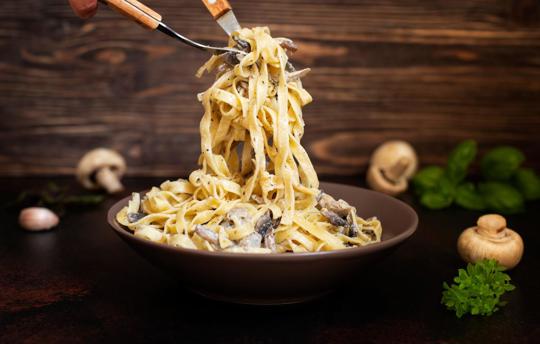
Fettuccine is a type of pasta from Italy. It has flat, thick noodles made from egg and flour.
Its name comes from 'fettuccia', meaning 'small ribbon'.
The noodles are wide and silky, and hold sauces well.
Traditionally served with Alfredo sauce: butter, Parmesan cheese and garlic.
But it can be paired with other sauces and ingredients, like tomato-based sauces or seafood.
Its wide shape traps chunky ingredients like vegetables or meats.
Fettuccine is great as it's firm to the bite, yet still soft.
This balance adds to the overall enjoyment.
It can be bought fresh or dried in stores. Fresh offers a more delicate texture.
When cooking, follow the instructions to get the optimal cooking time.
It should be al dente - firm to the bite but not too chewy.
Overcooking will result in limp noodles, losing their texture.
For flavor pairing inspiration beyond savory dishes, what goes well with lemon in desserts ideas suggests complementary tastes to try after a pasta meal.
What is Spaghetti?
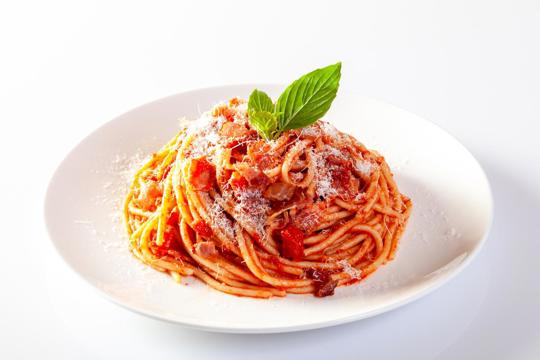
Spaghetti has long been a household favorite in many parts of the world, and it's easy to see why.
This flexible and delicious food is made from wheat, water, and salt, and can be served in countless different ways.
Whether you prefer yours topped with a thick and hearty meat sauce, a tangy tomato-based sauce, or just a sprinkle of Parmesan cheese, there's no denying the appeal of a plate of piping hot spaghetti.
And with so many variations on the traditional recipe, there's always something new to try when it comes to this beloved and iconic dish.
So whether you're a lifelong fan or a curious newcomer, one thing is for sure: spaghetti is one meal that never disappoints.
For unexpected pairing ideas, what to eat with guacamole pairing ideas offers combos that work for casual pasta nights and gatherings.
Differences Between Fettuccine and Spaghetti
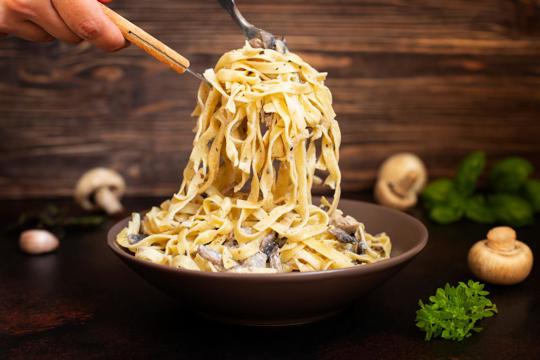
Fettuccine and spaghetti are both pasta, but differ in shape and texture - see spaghetti vs linguini comparison guide.
This affects the sauce clinging to each type, making distinct flavors.
Origin and History
Fettuccine and spaghetti have captivating histories that span centuries.
These pasta types have their own distinct beginnings, which adds to their uniqueness.
Fettuccine originated in Italy during the 15th century.
It's named after the Italian word "fettuccia" which means "small ribbons". Crafted with eggs and flour, it became popular for creamy sauces due to its flat, wide shape.
Spaghetti is from southern Italy. It dates back to Sicily and Naples.
Its name comes from the Italian word for "thin string". Made with durum wheat semolina and water, its cylindrical shape makes it great for holding different sauces.
The histories of these two pasta types offer interesting differences.
Fettuccine is connected to Roman cuisine, while spaghetti symbolizes simplicity.
Fettuccine offers a luxurious dining experience, while spaghetti has an al dente bite.
Fettuccine is popular around the world, especially because of dishes like Fettuccine Alfredo.
Spaghetti is well-loved for its universal appeal, and dishes like Spaghetti Bolognese or Spaghetti Carbonara.
Width and Shape
Fettuccine and spaghetti differ in width and shape. Fettuccine is wider and flat.
Spaghetti, on the other hand, is thin and round. This affects the way they cook and the sauces they go with.
Fettuccine's broad shape grabs thicker, chunkier sauces.
Plus, it absorbs flavors more effectively, creating a tasty mix with each bite.
It's also thicker, making it great for heartier dishes.
Spaghetti's slender shape cooks quickly and evenly.
Its round structure ensures even heat distribution, for al dente perfection.
And its delicate nature works with lighter sauces, like oil-based or seafood.
The size difference affects portion control.
Fettuccine looks bigger on the plate than spaghetti.
So consider this when planning meals or presentation.
Fettuccine and spaghetti offer different cooking experiences.
Knowing their variations can help your pasta-cooking skills reach new heights.
Ingredients Used
Fettuccine and spaghetti have key differences that make them unique.
Both are made with flour, water and sometimes eggs.
Fettuccine usually has a higher egg to flour ratio, giving it a richer flavor and softer texture.
Fettuccine often uses all-purpose flour while spaghetti is made with durum wheat semolina.
This can affect the taste and texture.
Fettuccine is typically more delicate and tender, while spaghetti is firmer and chewier.
Fettuccine also has a wider shape compared to spaghetti.
The broad noodles allow for more sauce to be held, making it ideal for creamy or heavy sauces.
On the other hand, spaghetti's thin shape pairs best with lighter sauces like marinara or aglio e olio.
Sauce Pairings
Pasta and sauce - an important pairing.
Each type of pasta has its own texture and shape that goes great with certain sauces.
The right sauce can bring out the best flavors and make your dining experience even better.
Fettuccine, wide and flat, goes well with creamy sauces like alfredo or carbonara.
These sauces cling to the noodles and create an amazing flavor harmony.
On the other hand, spaghetti - long and round - is great with thinner sauces.
Marinara and aglio e olio let the spaghetti's flavor shine.
Plus, the sauces add just the right amount of tanginess or spiciness.
Don't limit yourself to the classics. Fettuccine goes great with refreshing tomato-based sauces.
Spaghetti can also be enjoyed with cream-based sauces for a creative Italian twist.
For another take on how sauce types change a dish's flavor, red vs green enchilada sauce comparison for flavor contrasts two very different sauce profiles.
Similarities Between Fettuccine and Spaghetti
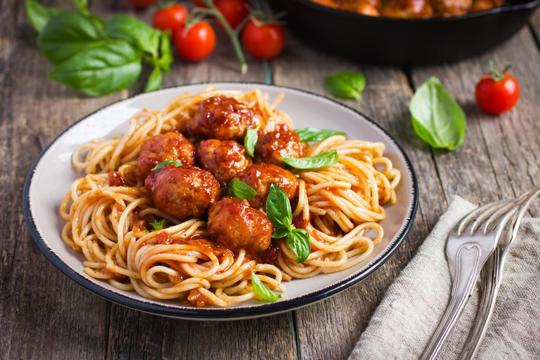
Fettuccine and spaghetti are two famous pasta types, with long and slim shapes.
Despite variations in width and texture, they have some common features that make them yummy and adaptable for Italian cuisine.
Ingredients for both fettuccine and spaghetti are the same: durum wheat flour and water.
This gives them similar basic flavors that go well with many sauces.
Plus, usually they are cooked until al dente, which means still a bit crunchy when you bite into them.
The cooking process for both fettuccine and spaghetti is quite the same.
Boil them in salted water until the desired tenderness.
Afterwards, serve with sauce or use in dishes such as pasta salads or soups.
Although these two pastas look alike, there are details that set them apart.
Fettuccine's width is 6-8mm, much wider than spaghetti's 2mm.
Therefore, their texture and feel in the mouth are different.
Also, the way they grip sauces is distinctive.
Fettuccine's wide surface area allows it to hold more sauce, perfect for creamy or meaty sauces that can stick to its wide noodles.
On the other hand, spaghetti's thin shape works best with lighter sauces like olive oil or tomato-based options.
If comparing sauces, pizza sauce vs spaghetti sauce comparison for use cases explains how two tomato-based sauces differ in texture and purpose.
Cooking and Serving Differences
Fettuccine and spaghetti are unique in their cooking and serving.
Fettuccine is thick and flat. Spaghetti is thin and round.
Fettuccine needs to be cooked longer, until it is al dente.
Spaghetti cooks quickly and should also be al dente when done.
Fettuccine is often paired with creamy sauces.
Its wider shape allows it to hold onto the sauce.
Spaghetti goes well with lighter tomato-based or oil-based sauces.
Its round shape helps it to evenly coat in the sauce.
Fettuccine is easy to twirl onto a fork due to its width.
Spaghetti is thinner and requires some skillful twirling or a spoon to eat.
Each pasta has its own cooking and serving differences.
Whether you like creamy fettuccine or tangy spaghetti, they both add excitement and diversity to your cooking experience.
When choosing a cooking ingredient for sauces, white cooking wine vs white wine vinegar comparison for cooking shows how each changes acidity and flavor.
Cooking Uses for Fettuccine and Spaghetti
After comparing and contrasting the two types of pasta, it is evident that there are many differences between fettuccine and spaghetti.
While fettuccine and spaghetti can both be used together in a variety of dishes, they each have their own unique flavor that can bring different aspects to a dish.
Fettuccine is thicker, wider, and more delicate than spaghetti making it ideal for richer sauces made with eggs or cream.
Spaghetti is the thinner version of fettuccine and better suited for simpler alla carbera type dishes.
When creating a dish with one or the other - it's important to consider how your sauce will interact with the particular noodle.
Every ingredient matters when it comes to curating delicious meals.
Ultimately, it just depends on what type of flavor you are trying to create when picking out which type of pasta to use in your recipe - Fettucine or Spaghetti.
Explore complementary textures with spaghetti squash taste exploration for swaps. For classic pairings, what to serve with fettuccine alfredo side dishes lists top side options.
Frequently Asked Questions
The main difference between fettuccine and spaghetti is in the shape of the pasta. They share some similarities but each has qualities that make it better suited for certain recipes.
In many recipes, yes. Fettuccine and Spaghetti fill similar roles, though each brings its own character.
Try a small test batch before committing to a full swap.
Availability varies by region. One is usually a standard grocery store item while the other may require a specialty or international market depending on where you live.
Can a beginner tell the difference by taste?
In a side-by-side tasting, yes.
The difference becomes less obvious when mixed into a recipe with other ingredients.
Most people notice the distinction more clearly on its own.