
Summary of key points
The main difference between white sauce and Alfredo sauce is in their ingredients and origins. White sauce, also known as béchamel, is a French mother sauce made from butter, flour, and milk.
Alfredo sauce is an Italian-American creation typically made with cream, butter, and parmesan cheese.
In terms of taste and texture, white sauce has a creamy yet light flavor, while Alfredo sauce is richer and often thicker. Both sauces can be used in a variety of dishes, but white sauce is more versatile and commonly used in pasta dishes, casseroles, and soups.
While both sauces are tasty additions to any meal, they offer different flavors and uses depending on your preference. Whether you're looking for a lighter or richer option, both white sauce and Alfredo sauce can improve any dish.
In the kitchen face-off of the century, we've got white sauce and Alfredo sauce throwing down. It's not just milk and cheese at stake here.
The real question - what sets them apart?
We all love a creamy pasta, right? I've whipped up batches of both sauces, swearing they taste different.
Turns out, they do.
White sauce, or béchamel, is a roux gone wild with milk. It's the base layer, the start of something great.
Alfredo, however, takes it up a notch with heaps of Parmesan and sometimes cream, making it the richer cousin.
Ever eaten pasta and thought, "This is good, but what sauce is this?" That was us - until we dove deep into their origins. Italy claims Alfredo, while white sauce feels more French.
Grab your whisk. We're about to stir up some answers.
What is White Sauce?

White sauce, also known as béchamel sauce, is an indulgent classic in the cooking world.
It's made of butter, flour, and milk, creating a velvety texture that brings richness and depth to every bite.
Its delicate flavor adapts to any combination, making it perfect for pasta and vegetables.
It can be spiced up with a range of herbs and spices, like nutmeg or thyme, for an extra sensory delight.
White sauce stands out from other sauces such as Alfredo.
Alfredo has a heavier texture and the flavor of Parmesan cheese.
The difference lies in their ingredients and resulting tastes.
What is Alfredo Sauce?
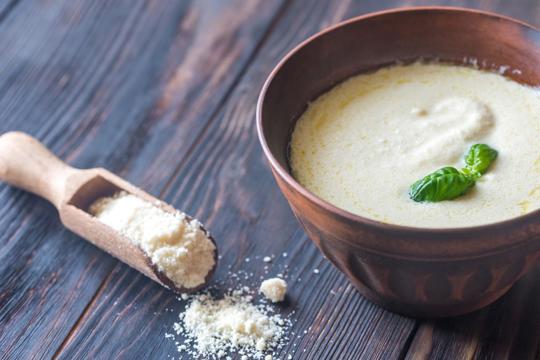
Alfredo sauce is a tasty and creamy creation from Italy.
It stands out from white sauce with its unique blend of butter, heavy cream, and parmesan cheese.
This pleasant combination creates a velvety texture sure to coat pasta perfectly.
Authentic Alfredo sauce is kept simple, with no extra garlic or nutmeg.
Its flavor shines through, making it a beloved choice of pasta fans around the world.
This sauce is also incredibly versatile.
It works with all sorts of pasta shapes, like fettuccine or penne.
Plus, you can mix it with chicken, shrimp, or veggies for an array of delicious dishes.
And if you're looking for something different, Alfredo sauce is great on pizza or as a dip for breadsticks.
Unlike other sauces dependent on tomatoes or spices, Alfredo sauce stands out with its simple ingredients.
The buttery notes blend with the tang of the parmesan cheese for a truly indulgent taste.
Whatever dish you choose to grace with it, Alfredo sauce will make it extra special.
Ingredients Used in White Sauce and Alfredo Sauce
White sauce and Alfredo sauce: they look alike, but they're different.
White sauce is made of butter, flour, and milk or cream.
Alfredo sauce usually has butter, Parmesan cheese, and heavy cream.
But, both can include garlic or onion for extra flavor.
Nutmeg may be added to Alfredo too, giving it a unique taste.
These small changes create big differences in flavor and texture.
Differences Between White Sauce and Alfredo Sauce

White sauce and Alfredo sauce - different flavors, different preferences.
Origin and Culinary Traditions
White sauce has French roots. It's made with a roux and milk.
Alfredo sauce is an Italian creation. It's a mix of butter, cheese and garlic.
Both sauces have spread around the world. They bring flavor to recipes.
White sauce is highly versatile. It's used as a base for other sauces.
Alfredo sauce is especially popular in Italian dishes. It's creamy, buttery and sharp.
These sauces are different in how they're used.
White sauce is like a creamy companion.
It's in mac and cheese, lasagna and moussaka.
Alfredo sauce is the main flavor enhancer in fettuccine and chicken dishes.
White sauce is light. It allows other flavors to show.
Alfredo sauce is rich. It improves any dish.
Base Ingredients
White sauce and alfredo sauce differ in their base ingredients - important for flavor.
White sauce - aka béchamel sauce - is made by mixing flour and butter in a pan, adding milk slowly.
Result? A creamy, smooth base for many classic dishes.
Alfredo sauce has its own unique combination.
Ingredients include butter, heavy cream, garlic, and Parmesan cheese.
Heat them together for a rich, indulgent sauce that's great with pasta.
Both sauces have cream and butter, but the difference is in the extra ingredients.
White sauce uses flour for thickening, while alfredo uses heavy cream and Parmesan cheese.
flavor and Seasonings
White sauce and Alfredo sauce differ in flavor and seasonings.
White sauce (béchamel) has a light taste with buttery, creamy notes.
Nutmeg, salt, and white pepper add extra flavor.
Alfredo sauce is famous for its rich, indulgent flavor.
It's made with Parmesan, butter, and cream, plus garlic and black pepper for more depth.
White sauce has a delicate, satisfying flavor. Nutmeg adds warmth and sweetness.
It's great for pasta, lasagna, and soups.
Alfredo sauce has intense richness. Each spoonful is full of Parmesan, butter, garlic, and black pepper.
White sauce is subtle and delicate, while Alfredo sauce is decadent and strong.
Choose your favorite based on taste and the dish you're making. Let your culinary creativity shine.
Texture and Consistency
White Sauce: Creamy and smooth, just like a thick custard. It's rich yet pourable and great for coating pasta or making gratins.
Alfredo Sauce: Luxuriously thick and gooey. It's creamy and clings irresistibly to noodles.
Variations: White sauce uses flour for a smoother consistency.
Alfredo sauce uses cheese and butter, adding velvety richness.
Taste, flavors, and usage in dishes differ.
Similar in appearance, each sauce has its own unique cooking experience.
Similarities Between White Sauce and Alfredo Sauce

White sauce and Alfredo sauce have many things in common.
Both use butter and flour for a roux base, and milk or cream to get a creamy texture.
But there are some differences too.
White sauce usually has seasonings like garlic powder, onion powder, and nutmeg.
Alfredo sauce has Parmesan cheese for a tangy, cheesy flavor.
White sauce is used as a base for dishes like casseroles and soup.
Alfredo sauce is mainly for pasta, like fettuccine Alfredo.
Common Uses and Pairings for White Sauce and Alfredo Sauce
White sauce and Alfredo sauce are both creamy and flavorful.
They share some similarities, yet have key differences.
White sauce is a classic French blend with butter, flour and milk, and is used for mac & cheese, lasagna, gratins and more.
Alfredo sauce, an Italian concoction, includes butter, Parmesan cheese and heavy cream to get its creamy texture.
Customizing these sauces with extra ingredients is a great way to boost flavor.
For white sauce, try adding garlic and herbs.
Alfredo benefits from spices like nutmeg and black pepper.
When pairing, white sauce goes well with light meats and vegetables.
Alfredo pairs nicely with richer ingredients, like shrimp or lobster.
Both sauces offer unique uses and pairings to make any meal delicious.
Nutritional Differences between White Sauce and Alfredo Sauce
White sauce and Alfredo sauce may appear alike, but they have unique nutritional contrasts.
White sauce generally contains butter, flour, and milk, while Alfredo sauce is made up of butter, cream, and Parmesan cheese.
This difference in ingredients results in various nutritional variations between the two sauces.
White sauce usually has a lower fat content since it uses milk in place of cream.
It also contains a moderate amount of carbohydrates due to the flour.
In contrast, Alfredo sauce has a higher fat content because of the heavy cream and Parmesan cheese.
This gives it a creamy texture and flavor. Yet, it has more calories than white sauce.
Also, the Parmesan cheese adds more protein to Alfredo sauce.
This can be advantageous for people who want to increase their protein intake.
To sum up, when considering nutrition, white sauce is a healthier choice with less fat and fewer calories.
On the other hand, Alfredo sauce provides a richer and tastier option that is high in fat and calories, but has more protein due to the Parmesan cheese.
Taste and Texture Differences: White vs Alfredo Sauce
Both white sauce and Alfredo sauce can make for creamy dishes, but there are definite differences in the sauces.
White sauce is made from a roux of butter or olive oil, flour, and milk which creates a creamy consistency that's essential to classics like macaroni and cheese or creamed vegetables.
Alfredo sauce also has a creamy texture but it's created by parmesan cheese and heavy whipping cream.
Both sauces should be cooked over low heat to ensure that the cheeses don't separate and burn.
However, if you had to pick one sauce over the other, white sauce is often preferred as it packs the flavor with fewer calories than Alfredo.
Ultimately, whether you're serving up Italian comfort food or adding an indulgent touch to another dish, these two sauces are sure to please with their amazing flavors and textures.
Whether your preference lies with white sauce or Alfredo sauce - sometimes it's best just to have both.
Frequently Asked Questions
The main difference between white sauce and Alfredo sauce is in their ingredients and origins. They share some similarities but each has qualities that make it better suited for certain recipes.
In many recipes, yes. White Sauce and Alfredo Sauce fill similar roles, though each brings its own character.
Try a small test batch before committing to a full swap.
Availability varies by region. One is usually a standard grocery store item while the other may require a specialty or international market depending on where you live.
Can a beginner tell the difference by taste?
In a side-by-side tasting, yes.
The difference becomes less obvious when mixed into a recipe with other ingredients.
Most people notice the distinction more clearly on its own.