
Summary of key points
The main difference between a food processor and NutriBullet is their intended use. A food processor is designed for larger and more heavy-duty tasks, such as chopping, mixing, and shredding ingredients in larger quantities.
NutriBullet, on the other hand, is specifically made for blending smoothies and other drinks.
In terms of design, food processors have a wider and more shallow bowl, while NutriBullet has a taller and narrower cup. This allows for different types of blending and processing - food processors have interchangeable blades and attachments for various tasks, while NutriBullet uses a single blade for smoothies.
Deciding between the two depends on your cooking needs - if you prefer to make large batches of food or want versatile chopping options, a food processor may be better. But if you're focused on making quick and easy smoothies, NutriBullet is a suitable choice.
We've been there.
Seriously, it's like they both promise to blitz and blend our dreams away. Yet, one's supposedly better for smoothies and the other for. well, everything else?
Here's the scoop we discovered: Food Processors are the kitchen beasts. They chop, they dice, they shred.
T4NutriBullets? Kings of the smoothie world.
We once tried to make a dough in a NutriBullet. Spoiler: it wasn't pretty.
Lesson learned. Stick to what they're best at, and you'll be golden.
What is a Food Processor?

It chops, slices, shreds, and purees - though a food mill vs ricer comparison can clarify when ricing rather than pureeing is best.
Its powerful motor means fast and easy prep.
But it's more than that - with attachments like dough blades and juicers, it can knead dough and juice citrus.
Some models even grate cheese and grind coffee.
Plus, with a range of sizes, there's one to fit your kitchen.
Whether you're an amateur or pro, a food processor is a must-have.
So why not invest in this great kitchen gadget today?
What is a NutriBullet?

The NutriBullet is a revolutionary kitchen appliance that takes blending to a whole new level.
Not just any ordinary blender, this compact and versatile device is designed to create nutritious and delicious drinks.
Its extraction technology breaks down fruits, vegetables, nuts and seeds into their most bioavailable form for our bodies to absorb easily.
What sets it apart from traditional blenders? First, its small size allows for easy storage and use in small kitchens.
The powerful motor technology ensures efficient blending and smooth consistency every time.
The extractor blades are specially designed to pulverize tough ingredients.
The NutriBullet focuses on health and wellness.
It comes with different cup sizes for single servings or batch-making.
It includes recipe guides and nutrition plans to help users create healthy habits.
Finally, the NutriBullet stands out for its ability to retain the natural goodness of ingredients.
The high-speed blending ensures a smooth texture without any residue.
Enjoy your drinks without worrying about chunks stuck in your teeth.
For ideas on bright, complementary flavors to use in smoothies, lemon dessert pairing ideas suggest fruit and herb combinations that translate well to blended drinks.
Differences Between Food Processors and NutriBullet
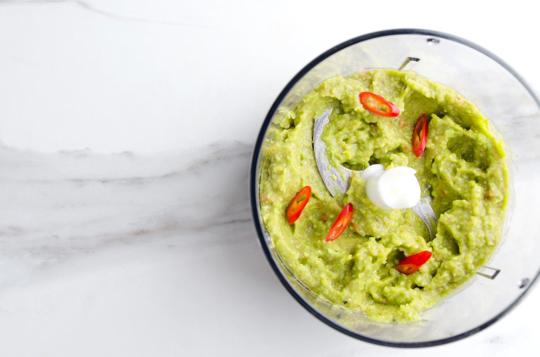
Food processors and NutriBullets are two popular kitchen appliances with key differences - compare textures in a food mill vs food processor comparison to see which suits specific prep tasks.
Function and Main Purpose
Food processors and NutriBullets look alike, but they have different purposes.
A food processor is ideal for preparing doughs, salsas, and purees - and understanding plain flour vs all-purpose flour differences helps choose the right flour for doughs.
On the other hand, a NutriBullet extracts nutrients from fruits and veggies to make smoothies.
Both appliances can do things like mix batters and make smoothies, but they're still different.
A food processor is great for big meals or batches.
It has different blade options and speed settings.
NutriBullets excel at extracting nutrients with powerful motors and blades.
They also often come with portable cups for drinking smoothies on the go.
In the end, you'll need to decide which appliance fits your needs.
Do you prioritize versatility in meal prep or extraction of nutrients? Choose carefully and your countertop will thank you.
Blade Design and Performance
Blade design and performance are key factors for differentiating a food processor from a NutriBullet.
Both have unique features that affect their function and efficiency.
Food processors usually have multiple blades, designed for various tasks like slicing, shredding, or chopping.
These blades are strategically placed to ensure even and precise cutting.
With powerful motors, food processors can easily tackle tough ingredients like nuts or hard veggies - differences explained in a burr vs blade grinder guide on grind consistency show how blade style matters.
NutriBullet's blade design, however, is centered around making smooth and nutritious blends.
Its stainless steel extractor blades pulverize fruits, vegetables, and other ingredients to get essential nutrients.
The blades' high-speed rotational action ensures all particles are blended, creating silky smooth textures.
While both appliances have remarkable blade designs, there are unique details worth mentioning.
Food processors often come with interchangeable blades, giving users the ability to customize their methods.
This versatility enables individuals to get different textures and consistencies based on personal preferences.
NutriBullet's blade design, on the other hand, focuses on convenience and simplicity.
Its extraction process eliminates the need for additional accessories or attachments, so users can quickly make nutrient-rich smoothies without any hassle.
Capacity and Size
When deciding between a food processor and a NutriBullet, capacity and size should be taken into account.
Food processors usually have larger capacities, allowing for big batches of food to be processed at once.
They are also bulkier, needing more counter or storage space.
NutriBullets are smaller, making them perfect for single servings or smaller portions.
Their size is helpful for those with limited kitchen space.
If you often cook for a large family or enjoy making bulk meals, a food processor would be the better option due to its larger capacity.
If you mainly make smoothies or single servings, the smaller capacity and compact size of the NutriBullet may work better for you.
Ultimately, the choice between a food processor and a NutriBullet should be based on your kitchen needs and usage.
Versatility in Food Preparation
A food processor and a NutriBullet both give great versatility when it comes to food preparation.
Both can chop, blend, grind, and mix ingredients for tasty dishes - for small-batch sauce work, see an immersion blender vs food processor comparison to weigh pros and cons.
But, there are some differences.
The food processor is larger and its motor is more powerful.
It can easily shred cheese, slice veg, and knead dough.
It has many attachments, like for making sauces, purees and baby food.
The NutriBullet is small and designed to extract nutrients from fruit and veg.
It makes healthy smoothies, soups, and salad dressings.
Its blades spin quickly, pulverizing seeds, skin, and pulp.
This helps extract more nutrients.
Plus, the NutriBullet comes with individual-sized cups.
This means less clean up than a food processor which usually has many parts.
Comparing Similar Features

Comparing a food processor and a NutriBullet? There are key differences.
Power-wise, both are potent.
But the food processor has more wattage, making it great for heavy-duty tasks like kneading dough.
The NutriBullet is designed to blend smaller portions into smoothies or nutrient-rich drinks.
The blades differ too.
Food processors have multiple blades that can be used for slicing, grating, or shredding.
NutriBullets have blades made for blending and pulverizing.
Capacity is another difference.
Food processors come with larger bowls that hold more ingredients - perfect for preparing meals in larger quantities.
NutriBullets have smaller cups that are great for single servings.
Functionality also varies.
Food processors can perform basic chopping and mixing, plus come with dough hooks or citrus juicers.
NutriBullets are all about quickly blending ingredients into beverages.
Lastly, cleaning and maintenance.
Food processors need disassembling - and may not be dishwasher safe.
Most NutriBullet models have detachable blades and cups that are dishwasher safe, making cleanup easier.
What to Make with a Food Processor and NutriBullet?
A food processor can chop, slice, shred, and puree with ease.
The NutriBullet is great for blending fruits and veg into smoothies.
But they can do more.
The food processor can knead dough, grind spices, and make dips.
The NutriBullet can handle tough ingredients like nuts and seeds, while getting more nutrients out of them.
So if you need a soup or a healthy drink, these kitchen gadgets have you covered.
For region-specific recipe ideas that suit either appliance, South Indian vs North Indian food differences highlights dishes that pair well with different prep tools.
Which Appliance Suits Your Kitchen: Food Processor or NutriBullet
If you're focused more on convenience and portability, then the Nutribullet is probably the way to go as it has easy clean-up and dishwasher-safe parts; but for bigger jobs that require more output volume, it would be wise to go with the food processor.
No matter what you decide on, just make sure that your chosen kitchen companion meets both your budgeting requirements and culinary dreams.
Both appliances have great features for different types of users.
So get to planning, researching and making those delicious meals.
Compare grinding tools for similar prep uses: coffee grinder vs food processor comparison guide explains when a grinder or processor fits. For low-temp drying alternatives, food dehydrator vs oven differences outlines which method works best.
Frequently Asked Questions
The main difference between a food processor and NutriBullet is their intended use. They share some similarities but each has qualities that make it better suited for certain recipes.
Food Processor tends to produce more consistent results with basic kitchen equipment. NutriBullet may need specialized tools but can deliver standout results when done right.
Nutritional differences exist but are often minor in typical serving sizes. Neither is universally healthier - it depends on what specific nutrients or dietary goals you are focused on.
Once opened, one keeps better in the refrigerator with proper sealing. The other may oxidize or separate more quickly, so using it promptly or in smaller quantities works better.