
Summary of key points
The primary distinction between fried rice and white rice is their preparation and flavor. White rice is simply cooked in water until tender, serving as a blank canvas for other dishes.
Fried rice, conversely, is cooked white rice that is then stir-fried in a pan with oil, often incorporating ingredients like vegetables, eggs, and meat, resulting in a dish that is flavorful and often is a meal in itself.
Ever stared at a menu, eyes gliding from fried rice to white rice, pondering what on earth sets them apart?
Sure, they start from the same humble grain. Yet, they couldn't live more different lives on your plate.
Fried rice? It's the life of the party.
Tossed in a pan with veggies, eggs, sometimes chicken, or shrimp. It carries the stories of spices and sauces, a globe-trotter on your plate.
White rice, on the other hand, is the quiet neighbor. Steamed, pure, often sitting next to your main dish, soaking up flavors, a blank canvas.
In our kitchen mishaps and successes, we've laughed over burnt rice, rejoiced at perfectly fluffed grains. Rice isn't just food; it's memories on our table, shared with a chuckle.
This isn't just about two dishes. It's about the tales we cook up, one scoop at a time.
What is Fried Rice?
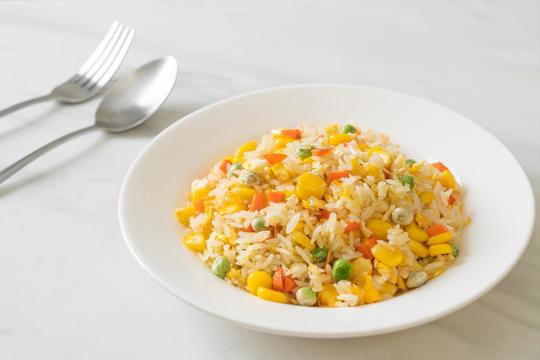
Fried rice is a world-well-known dish that began in China.
It's created by stir-frying cooked rice with various ingredients, such as vegetables, meats, or seafood.
This provides a scrumptious and satisfying meal that can be eaten alone or as a side.
- Fried rice is incredibly versatile and can be tailored to individual tastes. Different combinations of veggies, proteins, and sauces can be blended for a variety of flavors.
- It's a great way to use up leftover rice and other ingredients. By adding them all into a pan, you can turn basic leftovers into an amazing meal.
- Fried rice is also quick and easy to make, perfect for busy weeknight dinners or last-minute meals. With a few ingredients and basic cooking methods, you can have a meal ready in no time.
- One advantage of fried rice is that it can be prepared ahead of time and reheated later. This makes it perfect for meal prepping or for saving time.
- Fried rice is not only delicious but also nutritious. It offers carbs from the rice, protein from added ingredients like tofu or chicken, and essential vitamins and minerals from the veggies.
- Lastly, fried rice is a flexible dish that can be adapted to different dietary preferences. It can be made vegetarian or vegan by leaving out meat and animal products and replacing them with plant-based alternatives.
Plus, fried rice is popular in many cuisines worldwide.
From Thai pineapple fried rice to Indonesian nasi goreng, variations of this dish can be found in many cultures.
When compared to white rice on its own, fried rice is more flavourful and satisfying.
The stir-frying process infuses the rice with the tastes of other ingredients, making a flavourful and aromatic dish.
So, the next time you need a tasty and diverse meal, try fried rice.
What is White Rice?
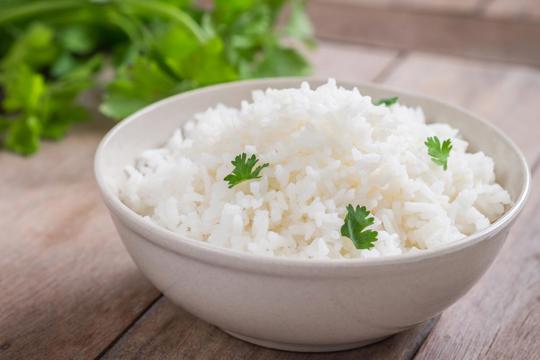
White rice is polished to remove the bran and germ, resulting in its unique look and feel.
It's popular in many cultures, notably Asia.
It's known for its taste, texture, and versatility; being able to absorb flavors well.
It also has nutritional benefits, with carbohydrates for energy production and low fat/sodium levels.
White rice has an extensive shelf-life, due to the bran/germ removal.
Great for stocking up on non-perishables.
Cooking methods vary; boiling, steaming, frying etc.
Its mild flavor makes it suitable for various cuisines and recipes.
Whether served alone or as a base, it can improve any dish.
Key Differences Between Fried Rice and White Rice

Fried rice and white rice may look similar, but they're distinct.
Cooking Method
Fried rice and white rice have distinct cooking methods.
Fried rice is stir-fried with other ingredients like vegetables, meat, eggs, and seasonings.
This technique gives it a crispy texture and flavor.
White rice is boiled in water, keeping its plain taste and texture.
It's a staple food for many cuisines.
Also, fried rice is higher in calories and fat due to its extra ingredients.
On the other hand, white rice is a simple carb that offers energy only.
Both types of rice offer different qualities.
Fried rice has a flavorful and textured experience.
White rice maintains its simplicity. Appreciating these differences allows us to enjoy each dish.
Ingredients Used
Ingredients are key for fried rice and white rice.
What you choose to add can make a big difference to the taste, texture, and overall look of the dish.
Fried rice usually has vegetables, meat, egg, and special sauces like soy sauce.
Together, they create a unique flavor. White rice is just grains.
It's simple, but it works with many meals because it doesn't have a strong flavor.
That means the other ingredients can come through.
Flavor and Seasoning
Fried rice and white rice are different.
The cooking method contributes to their unique tastes.
Fried rice is stir-fried with veggies, meat and soy sauce.
This gives it a smoky, savory flavor. White rice is boiled or steamed without added ingredients.
It has a neutral, mild taste. The difference is in the seasoning too.
Chefs often use soy sauce or other sauces to make fried rice more flavorful.
White rice is usually plain or served with other dishes for flavor.
It's up to you to choose between fried rice and white rice.
They both have merits depending on what you want from your meal.
Texture and Appearance
Fried rice and white rice differ in texture and appearance.
Fried rice has a firm, chewy texture. This is because it is cooked at higher temperatures.
As a result, the outside is crispy and the inside is tender.
On the other hand, white rice gets a soft, fluffy texture from simmering in water until all the liquid is absorbed.
Fried rice stands out with its bright colors.
The ingredients like vegetables, meat, and spices give it a visually appealing look.
White rice, on the other hand, has a plain color.
Which texture and appearance you prefer depends on your taste.
Fried rice has a great mix of textures.
White rice has a simple look to let other flavors stand out.
Nutritional Comparison
Fried rice and white rice may appear alike, but their nutritional differences are noteworthy.
White rice is widely eaten.
During refining, the bran and germ layers are removed, pulling away fiber, vitamins, and minerals.
This results in a low-nutrient, starchy grain.
On the other hand, fried rice is a yummy dish made by stir-frying cooked rice with vegetables, meats, and sauces.
Depending on the ingredients used, it can be high in calories but contains a broader range of nutrients than plain white rice.
Fried rice usually has veggies like carrots, peas, and bell peppers, supplying A and C vitamins, and dietary fiber.
Proteins from meat or tofu can also be added, offering essential amino acids for muscle growth and repair.
Stir-frying the rice with small amounts of oil at high heat usually conserves more water-soluble vitamins than boiling or steaming.
Nonetheless, too much oil means more calories and unhealthy fat.
White rice is low in fiber and essential nutrients because of the refining process.
Fried rice offers an opportunity to include various veggies and proteins.
Be aware of the ingredients used and cooking methods for making the most nutritious choice between these two options.
Similarities Between Fried Rice and White Rice

Fried rice and white rice seem like two different dishes.
But they have one thing in common - the same base ingredient - rice.
The main difference is how they are cooked and seasoned.
First, plain unseasoned grains of rice are cooked until tender and fluffy.
This is usually done by boiling in water or broth.
Then, fried rice takes a turn with stir-frying and adding ingredients like veggies, meat, and eggs.
That's what gives it that special flavor and texture.
Although the cooking styles differ, both fried rice and white rice can be enjoyed alone or as part of a meal.
You'll find them in cuisines all around the world - Chinese, Indian, Mexican, and more.
Popular Variations of Fried Rice
Fried rice is beloved around the world. It has many different versions each with its own special blend of flavors and spices.
Yangzhou fried rice from China stands out.
It has jasmine rice, shrimp, and vegetables all cooked together for a nice dish.
Korean bibimbap has beef, vegetables, and a sunny-side-up egg on top of steamed rice.
These variations offer a curious cooking experience and great taste.
Key Differences Between Fried Rice and White Rice
As it has been demonstrated, both fried rice and white rice offer distinct benefits.
Fried rice provides a chewier texture and can be jazzed up with a variety of vegetables, herbs, and spices for detailed flavor combinations.
On the other hand, white rice is more subtle in taste but provides many different health benefits such as aiding digestive health and even reducing risk of stroke due to the abundance of minerals and vitamins within it.
Both are delicious options, we can see that they each have an array of unique value they bring to the plate.
Ultimately, depending on your lifestyle or food preferences, either may work great for you.
With all things considered though, no matter what type of rice you end up trying next--just enjoy every flavorful bite.
Frequently Asked Questions
The primary distinction between fried rice and white rice is their preparation and flavor. They share some similarities but each has qualities that make it better suited for certain recipes.
In many recipes, yes. Fried Rice and White Rice fill similar roles, though each brings its own character.
Try a small test batch before committing to a full swap.
Availability varies by region. One is usually a standard grocery store item while the other may require a specialty or international market depending on where you live.
Can a beginner tell the difference by taste?
In a side-by-side tasting, yes.
The difference becomes less obvious when mixed into a recipe with other ingredients.
Most people notice the distinction more clearly on its own.