
Summary of key points
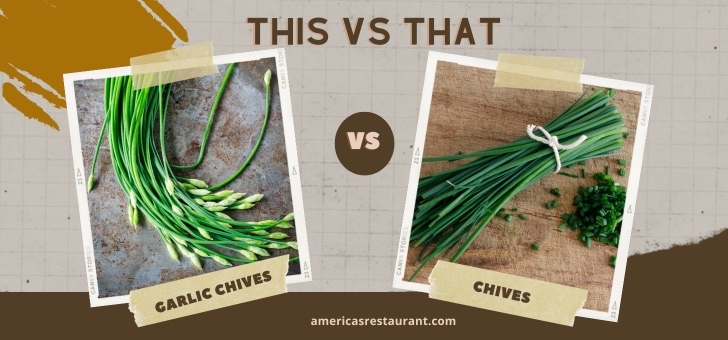
Garlic Chives and Chives belong to the same allium family but have distinct flavors, appearances, and culinary uses. Garlic Chives, also known as Chinese chives, have flat, broader leaves and a subtle garlic flavor, compared to the more onion-like taste of common chives, which have round, hollow stems.
Garlic chives also bear white flowers, while chives produce purple ones. Both herbs are used to add flavor to dishes, but garlic chives tend to be more versatile, contributing a mild garlic taste to a variety of dishs.
If so, you've come to the right place!
Today we'll be exploring the unique characteristics of garlic chives and chives - two herbs that are often mistaken for each other.
From their health benefits to their flavor, there are plenty of reasons to get excited about trying both varieties in your next dish.
What are Chives?

Chives are a type of bulbous plant that belong to the onion family.
They are known for their long, thin green leaves that have a mild onion flavor.
Chives are widely used in cooking and are particularly popular as a garnish due to their attractive appearance.
Chives have been used for centuries for their medicinal properties, including as a treatment for digestive issues and high blood pressure.
They are also believed to have cancer-fighting properties due to their high levels of antioxidants.
They can be used fresh or dried and can be added to soups, stews, salads, and many other dishes.
Their mild flavor makes them versatile and easy to incorporate into various recipes.
What are Garlic Chives?
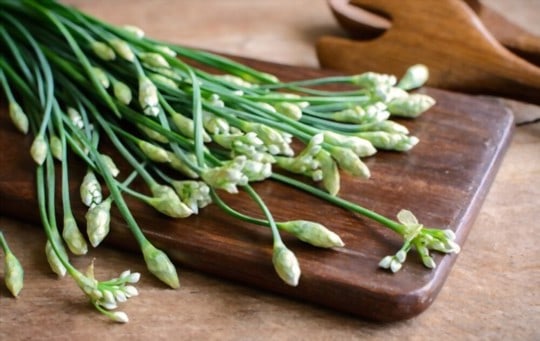
Garlic chives, also known as Chinese chives, are a type of herb that belongs to the Allium family.
They are closely related to the traditional chives that we all know and love, but they have a slightly different flavor and appearance.
Garlic chives are native to Asia, particularly China and Korea, where they have been used in traditional medicine for centuries.
As mentioned earlier, garlic chives have a slightly garlicky taste and aroma, which makes them a popular ingredient in Asian cuisine - similar to considerations in a green garlic vs green onion comparison.
The leaves of garlic chives are thicker than those of ordinary chives, with a flat stem rather than tubular.
Also, mature garlic chive plants can produce small purple pompom-like flowers and black seeds.
In contrast, conventional chive plants can only be propagated by dividing clumps.
Given their distinct flavors and appearances, it is no surprise that these two herbs are used differently in cooking.
While regular chives make an excellent garnish for dishes such as eggs or potatoes, garlic chives may be incorporated into stir-fries or dumplings for their unique flavor.
Differences Between Garlic Chives and Chives
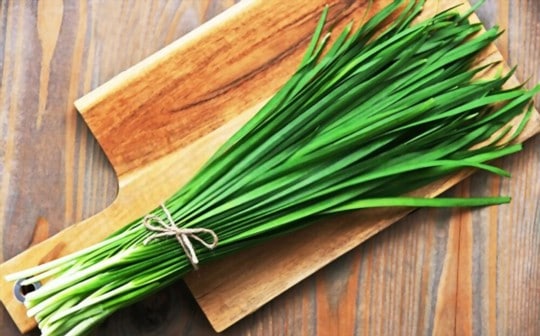
Garlic chives and chives are both popular herbs known for their mild onion flavor.
While they belong to the same family, they do have some noticeable differences.
Garlic chives tend to have a stronger flavor compared to regular chives.
This could be due to the presence of allicin - an organic compound that gives the herb its distinctive garlic-y aroma, a contrast explored in a shallot vs garlic comparison on flavor.
The flat and wide leaves of garlic chive blades make them stand out from thin cylindrical chive blades.
They also grow taller when fully matured with pinkish-lavender flowers being noticeable as compared to pom-pom like blooms from regular chive plants.
Despite their differences in appearance and flavor, both garlic chives and chives are great additions to various dishes such as soups, roasted meats, pasta salads, scrambled eggs among other things.
However, chefs should note where each herb is appropriate given their unique tastes so that they can be complements rather than detractors.
Appearance and Aroma
The appearance and aroma are some of the key differences between these two herbs.
To begin with, garlic chives are a bit larger and have a flatter stem than regular chives.
They can grow up to two feet tall and have a distinct light green color.
On the other hand, regular chives typically only grow to be about ten inches tall and have a thinner, rounder stem.
In terms of aroma, both herbs have a pleasant scent that is somewhat similar but still distinctive.
Regular chives smell like mild onions while garlic chives have a stronger garlic aroma mixed in with their onion-like smell.
This makes them an excellent choice for recipes that call for both herbs as they provide a more complex flavor.
When using these herbs in the kitchen, appearance and aroma can play an important role in improving the overall experience of your dish.
Be sure to choose your ingredients wisely based on your preferences.
Flavor and Taste
Moving on to the flavor and taste of garlic chives and chives, it can be said that they offer quite different experiences - a distinction similar to topics covered in an extract vs flavor explanation.
While both herbs are commonly used for their mild onion-like taste, garlic chives have a distinct garlicky flavor that sets them apart from regular chives.
As you can see, the key difference in flavor lies in the addition of garlic in garlic chives.
This not only gives it a stronger taste but also makes it more pungent and bitter than regular chives.
Still, both herbs are subtle enough to be added to most dishes without overpowering other flavors.
Whether you choose garlic chives or regular chives, they will add depth to your meals while bringing out the natural sweetness of other ingredients.
So, when choosing between these two herbs, it ultimately comes down to personal preference and the specific recipe you're making.
If you want a more pronounced garlic flavor, go for garlic chives.
Otherwise, stick with regular chives for a milder onion taste.
Culinary Uses and Pairings
Garlic chives and chives are two different herbs commonly used in cooking.
While they may look similar, their flavors and culinary uses differ.
Garlic chives have a distinctive garlic-like flavor and mild fragrance that works well with soups, stir-fries and dumplings.
They're perfect to add a touch of garlic to any dish without overpowering the other flavors.
Chives, on the other hand, have a milder onion flavor that pairs well with omelets, scrambled eggs, and dips.
They can be used as a garnish or mixed into cream cheese or sour cream for a flavorful dip.
Both herbs can also be used to improve the taste of seafood or poultry dishes.
Garlic chives can give an extra punch to crab cakes while chive butter goes great with grilled chicken.
Just remember that garlic chives will be slightly more potent than traditional chives because of its garlic taste; use sparingly.
Nutritional Value
Garlic chives and chives are not only known for their unique flavor and aroma, but also for their nutritional value.
They both belong to the Allium family and are packed with essential vitamins and minerals such as potassium, calcium, vitamin C, and beta-carotene.
Garlic chives contain more vitamin A compared to regular chives which are higher in vitamin C than garlic chives.
Both herbs are low in calories which makes them a good addition to any diet plan.
Overall, both garlic chives and chives add flavor to dishes while providing valuable nutrition that helps boost overall health.
Flavorful, nutrient-rich additions can change a dish's profile much like umami-rich ingredients-compare taste impact in a nutritional yeast taste guide for umami.
Similarities Between Garlic Chives and Chives
Garlic chives and chives share a few similarities, which are worth noting.
In terms of appearance, both herbs have thin and long green leaves that grow upwards.
They can also be grown in gardens or pots in most regions around the world.
However, both these herbs differ regarding their taste, nutritional value, and overall usage.
Both garlic chives as well as normal chives belong to the same family of allium -and share several characteristics such as appearance, potency, and use cases but they differ primarily due to their unique features- such as taste, nutritional content, and culinary uses.
Handling and prep change how each herb performs in recipes, so consider mechanical prep methods like those in a garlic press vs mince comparison for prep when choosing how to use them.
Where to Buy Garlic Chives and Chives?

You can find garlic chives and chives at your local farmer's market or grocery store.
If you have trouble finding them in-store, they are often available for purchase online through various retailers.
Keep in mind that availability may vary depending on the season and location.
It's always best to check with your specific retailer before making a special trip.
Where to Use Garlic Chives and Chives in Cooking?
Garlic chives and chives are popular herbs in cooking, adding flavor and freshness to a variety of dishes.
They are particularly well-suited for use in:
- Salads.
- Egg dishes (such as omelettes or scrambled eggs).
- Soups and stews.
- Meat marinades or rubs.
- Sauces and dressings.
Experiment with these versatile herbs in your favorite dishes or try out new recipes to discover their full potential.
When pairing these herbs with condiments and sauces, note regional preferences similar to differences in a gochujang vs chili garlic sauce comparison for uses.
How to Store Garlic Chives and Chives?
Storing garlic chives and chives properly is important for their freshness and taste.
Here are some tips on how to store them:
Storage choices can vary by herb type, so compare best practices for similar delicate greens in a chives vs parsley storage comparison.
- To keep both garlic chives and chives fresh, wrap them in a damp paper towel or place them in a glass filled with a small amount of water. Then, put them in the refrigerator crisper drawer.
- If you don't have enough time to wrap them up, you can also store garlic chives and chives in plastic bags that have been perforated for air circulation. Do not seal the bags tightly as it traps moisture which can cause wilting.
- Make sure that you trim off any brown or wilted parts of the plants before storing. This will help prevent further decay.
- Be mindful not to store the two herbs together as it might lead to cross-flavoring. Garlic chives can be especially overpowering, so take care not to let their pungent odor permeate the flavor of regular chives.
Garlic Chives vs Regular Chives Flavor Differences
To fully enjoy the distinct flavors of these herbs, they are commonly used in various dishes such as salads, soups, stews, dips, dressings, and marinades.
Garlic chives are particularly popular in Asian cuisine while chives are often used to garnish dishes such as baked potatoes and omelets.
Frequently Asked Questions
Garlic chives also bear white flowers, while chives produce purple ones. They share some similarities but each has qualities that make it better suited for certain recipes.
Often, yes. The two share enough common ground that most palates won't notice a swap.
Garlic Chives is usually milder while Chives brings more intensity.
Nutritional differences exist but are often minor in typical serving sizes. Neither is universally healthier - it depends on what specific nutrients or dietary goals you are focused on.
Which stores better after opening?
Once opened, one keeps better in the refrigerator with proper sealing.
The other may oxidize or separate more quickly, so using it promptly or in smaller quantities works better.
Culinary Enhance: 5 BEST Substitutes for Ginger Garlic Paste pairs with many Allium uses. Culinary Enhance: 5 BEST Substitutes for Ginger Garlic Paste fills similar roles. 5 BEST Substitutes for Garlic Salt works when a recipe needs a salted garlic touch.