
Summary of key points
The main difference between green leaf lettuce and escarole is their appearance, taste, and uses in cooking. Green leaf lettuce has a soft, tender texture with a slightly sweet flavor and is often used as the base for salads or as a topping on sandwiches.
Escarole, on the other hand, has thicker leaves with a bitter taste and is commonly used in soups and stews or sautéed as a side dish - compare extract vs flavor differences to understand how bitterness reads in dishes.
Ultimately, the choice between these two greens depends on personal taste and desired use in cooking. Whether you prefer a crisp, mild lettuce or a filling, bitter green, both are versatile options in creating delicious dishes.
We've been there.
Escarole and green leaf lettuce might look like distant cousins at a family reunion. Yet, they pack their unique punches in flavor town.
One's a bit like that zesty aunt who loves to add spice to every convo. The other?
More like your chill cousin, cool as a cucumber.
Why should you care? Well, one's gonna jazz up your salad like a pro chef.
The other keeps things mellow and fresh. It's all about the vibe you're going for.
We've done the homework, so you don't have to. Follow our leafy guide to become the salad whisperer.
What is Green Leaf Lettuce?
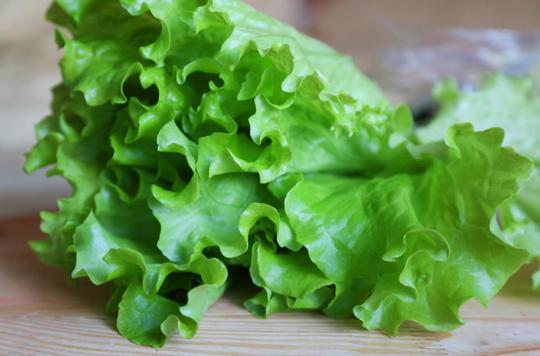
Green Leaf Lettuce, also known as Lactuca sativa, is a popular leafy veggie from the daisy family.
Its bright green leaves and crisp texture make it a good addition to salads and sandwiches.
It's full of water and low in calories, so it's great for hydration and weight loss.
Plus, Green Leaf Lettuce has lots of essential nutrients like vitamin K, A, folate, and potassium.
Its mild flavor goes with almost anything, giving you lots of culinary options.
It looks different than other lettuce varieties, too - see a Napa vs green cabbage comparison that highlights structural differences.
Its petal-like leaves are loose and ruffled, not tightly packed like iceberg lettuce or elongated like romaine.
Plus, Green Leaf Lettuce has a milder taste and softer texture than escarole, which can be bitter and tough.
So it's perfect for people who prefer a more subtle taste.
What is Escarole?

Escarole is so often overlooked. But it deserves recognition.
Its taste and nutrition make it unique. It has a slightly bitter flavor and crunchy texture.
Escarole improves dishes. Plus, it has vitamins A, K, and C, plus iron and calcium.
You can enjoy it raw or cooked.
It stands out among other greens with its broad frilly leaves and pale yellow center.
So, next time you're looking for something different, try escarole.
Escarole's slight bitterness pairs well with bright flavors like lemon - see lemon dessert pairing ideas for inspiration on bright complements.
Differences Between Green Leaf Lettuce and Escarole
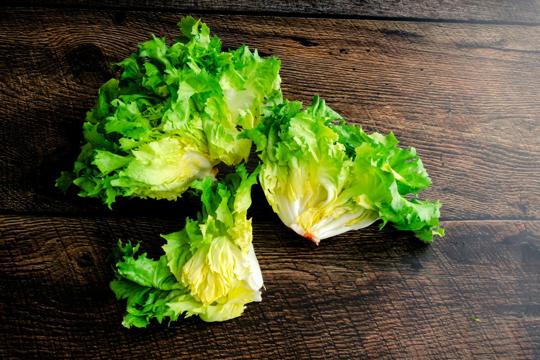
Green leaf lettuce and escarole are salad greens, but different - similar to a gold vs green kiwi comparison that points out subtle contrasts.
Appearance and Texture
Green leaf lettuce and escarole differ in various ways.
The former's leaves are broad, bright green and soft. They offer a delicate, crisp bite.
Escarole's, however, have a pale green hue and are more strong and sturdy.
Plus, their taste is slightly bitter.
Green leaf's classic leafy look garnishes platters and is a bed for toppings.
Escarole, though, stands out with its curly leaves and unique appearance.
It adds visual interest to dishes.
flavor
Green leaf lettuce and escarole: two leafy greens, two distinct flavors.
Lettuce, mild and light with a hint of bitterness. Perfect for salads and sandwiches.
Escarole, however, is bold and earthy.
Its flavor is more assertive, ideal for dishes that need a bit of punch.
Garlic and anchovies? They love escarole.
Both lettuces offer unique tastes, ready to improve your cooking.
Nutritional Content
Nutrition-wise, green leaf lettuce and escarole are a great choice.
Both have loads of vitamins and minerals that our bodies need.
Low in calories and high in fiber, they help us maintain a healthy weight.
Plus, they're full of antioxidants.
Vitamin A is extra-high in green leaf lettuce, while escarole has more folate and vitamin K.
And both provide vitamin C and iron.
So go ahead, pick up some green leaf lettuce or escarole - they're nutritious.
For a savory, umami-rich topping that complements greens, read yeasty wonders taste guide to understand nutritional yeast flavor.
Common Culinary Uses
Green leaf lettuce is a popular option for salads.
It has a mild flavor and a crisp texture, making it great for light dishes.
Escarole, however, is a tougher green, better suited for cooking.
Its leaves can be added to soups and stews for a filling, slightly bitter taste.
Blanching or sautéing this green is recommended.
Both greens offer unique flavors and textures for your cooking creations.
Similarities Between Green Leaf Lettuce and Escarole
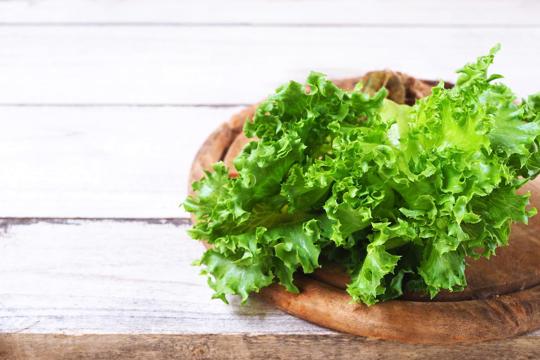
Green leaf lettuce and escarole are alike in many ways.
Both have bright green leaves and a slightly bitter, crunchy texture - a contrast similar to the Home Chef vs Green Chef comparison showing different takes on a shared category.
Nutrient-wise, they boast vitamins A, C, and K, plus dietary fiber.
They can spruce up salads, soups, and stir-fries.
These two greens are very versatile. They can be eaten raw or cooked.
The mild bitterness adds interesting flavor without overpowering other tastes.
So, salads or hearty soups are a perfect match for green leaf lettuce and escarole.
Health-wise, they are both great sources of vitamin A, which promotes vision and immunity.
Plus, vitamin C helps collagen production and iron absorption.
Plus, the fiber aids digestion and keeps hunger at bay.
To sum up, green leaf lettuce and escarole are similar in appearance, taste, versatility, and nutrition.
Whether you prefer the crispness of lettuce or the bitter taste of escarole, both make a good addition to your diet.
Next time you shop or cook, consider using these nutrient-rich greens for great flavor.
Cooking and Serving Tips for Green Leaf Lettuce and Escarole
Green leaf lettuce and escarole are two leafy greens with individual flavors.
Tips for cooking and serving:
Dress green lettuce with light dressings like vinaigrette or citrus-based sauces - or learn when to use white cooking wine vs white wine vinegar in dressings and sauces.
- Enjoy raw in salads for a mild taste. Sauté or grill for sweetness and smokiness.
- Tear green leaf lettuce leaves into bite-sized pieces for even flavor. Store in a plastic bag in the fridge.
- Wash escarole under cold water to remove dirt. Blanch to soften its bitterness.
- Dress green lettuce with light dressings like vinaigrette or citrus-based sauces. Escarole pairs well with bolder seasonings like garlic, anchovies, or caramelized onions.
Nutritional Differences Between Green Leaf and Escarole
It is clear that green leaf lettuce and escarole are practically opposites when it comes to their care, use, taste, and nutrition benefits.
Every chef - from a novice to the most experienced - should be aware of these important differences to create even better dishes.
Although not used interchangeably in cooking, we must remember that both green leaf lettuces and escarole still have overlapping nutritive characteristics.
With this knowledge in hand, we can confidently make decisions about which types of greens should be used to fulfill our culinary dreams.
So as a parting thought: What choice will you make next time you find yourself selecting greens for your life changing meals?
The possibility is limitless; experiment with one or the other and see where the journey takes you.
Frequently Asked Questions
The main difference between green leaf lettuce and escarole is their appearance, taste, and uses in cooking. They share some similarities but each has qualities that make it better suited for certain recipes.
Sometimes. Green Leaf Lettuce works where Escarole is called for in certain dishes, but not all.
Check whether the recipe relies on a specific quality before substituting.
Cold preparations like salads and dressings often favor the option with a sharper, more defined flavor. Heat can mellow both, so the distinction matters more in uncooked dishes.
Do professional cooks prefer one over the other?
Professional preference depends heavily on the dish and cuisine style.
Each has its context where it outperforms the other, so most experienced cooks keep both on hand.
These greens pair well with a variety of sides. black vs green olive differences can influence texture and salt level. Italian green beans vs green beans shows simple swaps for a vegetable-forward plate.