
Finding prolonged stored green onions is common as people buy them frequently.
These onions are used in numerous recipes and can also be eaten raw.
We have these onions regularly because of their nutritional value.
But if we find them after extended storage, then one gets confused about whether they are fine to eat or do green onion go bad.
If you have ever eaten stored green onions, then you have surely noticed a change in flavor and texture.
That is because it goes bad and loses its quality as time passes.
Green Onions Freshness and Storage
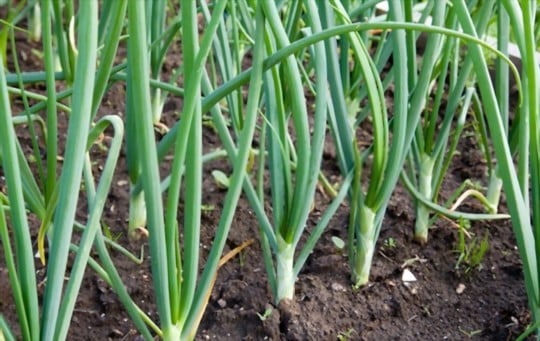
As we discussed above, they lose their quality over time and go bad, but there is a period until they can be stored without any spoilage.
One can store them at room temperature for 2 to 4 days only.
If you are someone who buys green onions in small quantities, then storage in a pantry can be fine.
But if you want to prolong its life for more than a couple of days, you should store it in your fridge.
Providing them with a cool temperature will exceed their shelf life of 2 to 3 weeks.
If you plan to not use them even for months, then freezing them can be the best option.
That is because they can help your green onions last for 3 to 4 months.
Keeping them stored at a cool temperature will not affect their quality much.
Thus you will be able to get the same taste of fresh onions even after months of purchases.
Many people struggle to manage chopped green onions as they get bad in no time.
So, either one should not chop them until they are sure they will have it.
If not, storage in the fridge can keep them fresh for an extended period of time.
To pair thawed or fresh green onions with salads, consider green salad dressing ideas for flavor that complement their sharp bite.
How to Tell if Green Onions Have Gone Bad?

- The Texture Becomes Slimy.
When you find a long-stored green onion, then it is better to look for changes and signs to avoid the consumption of bad green onions.
Once these onions become dry or wilt, there is a higher chance that they will develop bacteria in them.
You can see if the leaves or stalks have become slimy, then be sure to discard them as all their nutrients have gone.
- Change in Color.
One can see if the onions have changed their color or developed patches on them.
However, a duller or darker shift in color will only be a warning, and the onions can be safe to consume.
But if there are white, grey, or green colored patches, a close inspection should be done.
This can be a sign that they should be discarded.
- Foul Odor.
When you buy these onions then, you know how good their smell is.
But as time passes, this fragrance is lost and tends to develop a foul odor.
They absorb the smell of the surrounding items and lose their actual scent.
Because of this, they produce toxins that make their smell awful.
Thus, if you can sense any foul smell, then do not eat them, as it can be harmful to you.
For guidance on eating crisp vegetables safely, see eating raw green beans safety tips which cover common signs of spoilage and when to discard produce.
How to Store Green Onion?
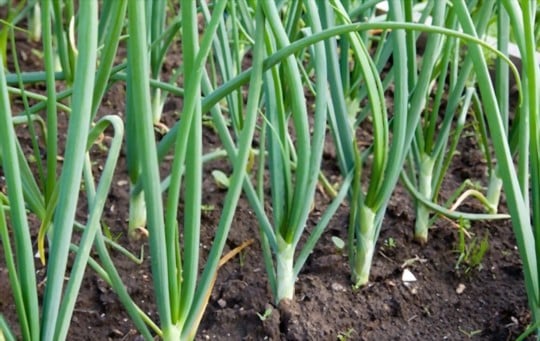
- Wrap Them Before Storage.
If you want to store them for a longer time, then a fridge is a good option, but for proper protection, you must wrap them.
The fridge contains a lot of other items whose smell can affect the freshness of your onions.
Therefore adding a wrap will preserve their moisture and not let them dry.
For more extended storage, you can put them in the fridge's vegetable drawer.
- Airtight Container.
When storing these vegetables, keeping them in an airtight container can be a great option.
Storage in the container will keep air away from them, and they will not get dry and lose their texture.
Before you transfer the onions into the container, are sure to remove or trim all the parts that are already rotten.
- The Ideal Temperature for Storage.
When you are storing them in the fridge, the ideal temperature should be maintained at 4 degrees Celsius.
While freezing, the temperature should be 0 degrees for better storage. One can add wet paper towels to keep them moist for more time.
Frequently Asked Questions
Finding prolonged stored green onions is common as people buy them frequently. These onions are used in numerous recipes and can also be eaten raw.
We have these onions regularly b...
Visible mold, an unusual smell, or a sour or bitter taste that was not there before are reliable indicators. When in doubt, throw it out.
What container works best for storage?
Airtight glass or food-grade plastic containers work best for most ingredients.
Keeping out air, light, and moisture slows deterioration significantly compared to leaving items in their original packaging.
Some ingredients absorb flavors or odors from nearby foods. Strong-smelling items should be stored sealed away from neutral or delicate ingredients to preserve their original character.
Himalayan salt block lifespan guide explains how long the block holds up. sandwich shelf life details covers storage times for different fillings.