
It may not be making headlines like other red wines, namely pinot noir, cabernet, or merlot.
But Grenache is another delicious and underrated wine.
But, despite all of this, it's a bit more ubiquitous than one may realize.
This is one good reason why you should definitely give Grenache a try.
But, of course, if you're a newbie and not much of a risk-taker, you might constantly wonder what does Grenache taste like but never give it a try.
But worry not. We're here to take you on an excellent journey of all things Grenache.
From its taste to serving options and more, let's have a look.
What is Grenache?
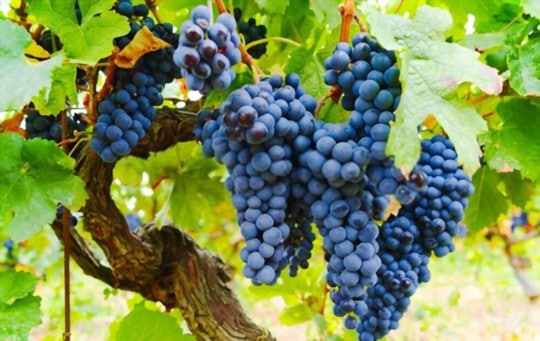
Grenache, or cannonau in Italy and Garnacha in Spain, is a type of dark red wine.
The wine originates in Northern Spain, a place that's also considered Carignan's birthplace.
The wine literally gets its name from its primary source, which is the Grenache grapes.
It's an old grape that continues to be planted even today.
If you're well-refined in the world of grapes, you may already know Grenache wines like Priorat or Châteauneuf-du-Pape.
Grenache wine is considerably known for having medium tannins, high alcohol content, and medium acidity.
The alcohol content of the wine ranges typically around 13.5 to 16%.
Although it has initial roots in Spain, the Grenache wine grape is spread across the US, Australia, and France.
It's very versatile in terms of both the winery and vineyard.
This explains why it has now become a widely distributed grape globally.
Today, you can find Grenache wine in many liquor stores as well.
When thinking about Grenache's versatility, also note how bright citrus can play alongside sweets - lemon dessert pairings list shows compatible flavors.
For a contrast in fruit-forward flavors, consider how acai berry flavor reveal guide describes tartness and earthier notes.
What Does Grenache Taste Like?
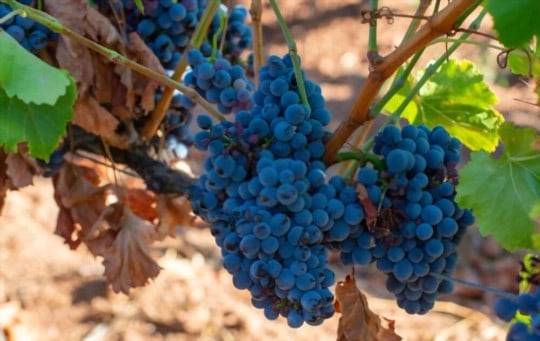
Grenache wine unmistakably carries spice and candied fruit flavors.
But remember that Grenache wine alone can be pretty undesirable.
Hence, most Grenache wines are often blended or combined with other wines to balance out the taste.
The wine is often deep red in color, as most production processes leave the stems to get as much color from the grape skin.
During its production process, the winemakers use high-heat fermentation and harsh pressing methods to help compensate for the grape's naturally low phenolic compounds and tannins.
Grenache wine appeals to many people because of its intense herbal and fruity notes.
Along with the grape, it contains berry notes of black cherries, strawberries, and raspberries.
You'll also find hints of anise and cinnamon, which help bring out warm tones of spice in the wine.
The flavor of Grenache wine as a whole can be compared to a fruit-roll up.
As mentioned earlier, Grenache wines come with a lack of tannins and contain medium acidity levels.
Hence, these factors, combined with its high sugar levels, make the wine well-suited for fortified productions like vin doux wines or American port-style wines.
The intense fruity flavor backed with hints of spice makes this wine an ideal option for people that enjoy drinking fruity red wines.
So, if you're looking for a well-balanced wine with intense fruity notes, Grenache wine is a great pick.
How to Serve Grenache?
Among red wines, Grenache is also considered a very versatile pairing wine.
The full-bodied quality of the wine allows it to be a suitable companion for many food items.
And the great thing is it can also be blended pretty well with other wine varieties.
Some of which we've mentioned earlier.
So, with this wine, you won't have to face the issue of how you can best serve it - try pairing with single-serve dessert ideas for pairing when a compact sweet course is wanted.
Grenache wine usually partners well with meats like lamb or slow-cooked pork.
Even fatty meats such as shank or lamb shoulder go with the wine's bold flavor quite well.
The wine can also be incorporated while making stews or braises, as the winey sauce blend can further bring out the fruity profile of the wine.
You can also serve this wine alongside spiced and well-seasoned foods such as light curries or goulash.
Grenache makes a natural companion for slightly sweet dishes such as Moroccan cuisine.
It also complements smoky flavors, making it suitable for barbecued veggies and meat items.
The wine can also be served with popular UK dishes like steak, mash, sausage, and shepherd's pie.
As Grenache contains fewer tannins than other structured red wines, it complements British cheeses quite well.
Other food recipes like bean-based meals, baked veggies, or macaroni and cheese also offer great pairing inspiration for the Grenache wine.
Conclusion
So, there you have it. A tell-all post on the infamous yet understated Grenache wine.
It's a great fruity and intense wine that's also incredibly versatile to drink and serve.
Now that you're aware of its distinct flavor and suitable pairings, you can always give the wine a try and see for yourself.
If you're a fruit-beverage lover, this wine is definitely worth the try.
Still, we hope our article has helped you navigate and understand the Grenache wine better.
We hope you'll be able to give the wine a taste and try it with some of the food options we've mentioned earlier.
For differences in naming and regional style, see Grenache vs Garnacha: regional differences explained.
Frequently Asked Questions
But, of course, if you're a newbie and not much of a risk-taker, you might constantly wonder what does Grenache taste like but never give it a try. From its taste to serving options and more, let's have a look.
The wine literally gets its name from its primary source, which is the Grenache grapes.
Brand and preparation can shift the taste of Grenache noticeably. Ingredients, sweetness levels, and carbonation all vary, so trying a few versions gives a fuller picture.
Does ripeness or age change the taste?
Significantly.
Younger or less ripe versions are often sharper, more astringent, or more bitter.
As it matures, flavors typically mellow and deepen into something more complex and approachable.
Texture and taste are inseparable. A pleasant texture encourages slower eating and better flavor perception.
Off-putting textures - too mushy, too fibrous, or unexpectedly gritty - can make even good flavors less enjoyable.