
Summary of key points
The main difference between a knife block and a magnetic strip lies in their storage method and accessibility. A knife block is a traditional storage option that keeps knives organized and easily accessible, while a magnetic strip allows for knives to be displayed and stored on a wall or cabinet.
In terms of functionality, both options keep knives safely stowed away when not in use. However, a magnetic strip may be more convenient for those with limited counter space or who prefer a minimalist look.
Another factor to consider is knife care. A knife block can protect the blades from scratching against other utensils, while a magnetic strip leaves them exposed and at risk of being damaged.
Deciding between knife block and magnetic strip feels like choosing between coffee and tea for your kitchen arsenal. Both storage methods have their champions.
Kitchen space is a battlefield. We all want that chef's kiss of organization.
A knife block is a classic, sits on your counter, and looks like a sentry guarding your tools. Meanwhile, a magnetic strip?
Sleek, mounted, and a space saver.
I remember my grandma's hefty wooden block. It was more than a tool; it was a tradition.
Yet, here I am, eyeing the magnetic strip, thinking of reclaiming counter space.
It's a clash of titans in the kitchen storage arena. Let's slice and dice the merits of each, without cutting corners.
What is a Knife Block?

A knife block is a practical and attractive storage solution for knives.
It's typically made from wood or metal, featuring slots that keep the knives upright and secure.
This not only keeps them tidy, but also prevents accidents in the kitchen.
Knife blocks are becoming increasingly popular, as they bring both functionality and style to the kitchen.
The various slots make it easy to access different types of knives, great for both chefs and home cooks.
Both this, but knife blocks help extend the lifespan of your knives.
Keeping them separate from other utensils means that the blades stay sharp and free from scratches - especially important for high-quality knives.
The downside? Knife blocks take up counter space - particularly in smaller kitchens.
Also, finding slots for oddly-shaped knives can be challenging.
A closer look at specialized blades can help inform storage choices; oyster vs clam comparison explained highlights differences between similar knife types and what to consider.
What is a Magnetic Strip?

A magnetic strip, otherwise known as a magnetic knife holder, is an amazing solution for storage.
It revolutionizes the way we store and access our knives.
It's made from a magnetized material that keeps knives in place, without needing knife blocks or sheaths.
The chief advantage of a magnetic strip is that it saves space.
Regular knife blocks take up countertop room, but a magnetic strip can be mounted on the wall or underside of a cabinet.
This gives you back your workspace and adds modernity to the kitchen.
It also offers improved accessibility.
With a knife block, you often have to search through slots for the right knife.
But with a magnetic strip, all your knives are in plain sight and within reach.
This saves time and reduces the risk of cutting yourself.
Also, a magnetic strip is hygienic and simple to maintain.
Its smooth surface prevents dirt and bacteria getting trapped.
It also allows knives to air-dry after washing, avoiding rusting.
Magnetic strips offer space-saving, accessibility, and hygiene.
Its versatility and sleek design make it great for professional chefs and home cooks.
So, throw away your knife block and opt for a magnetic strip.
Magnetic strips focus on practical storage rather than flavor pairings; if planning a menu that includes citrus desserts, lemon dessert pairing ideas lists complementary flavors.
Differences Between Knife Blocks and Magnetic Strips
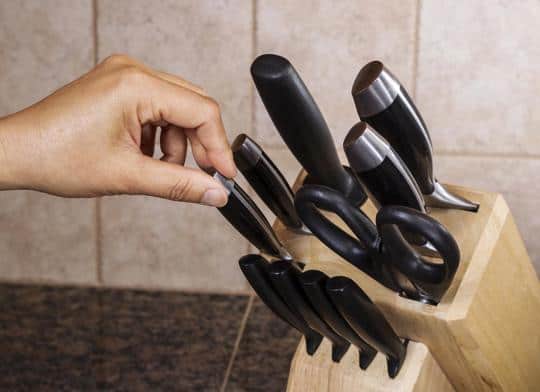
Knife Blocks and Magnetic Strips are two common knife storage options.
They both offer unique benefits - it's up to personal preference, and maintenance tools matter too - see knife sharpener vs whetstone comparison for how sharpening choices affect performance.
Design and Storage Capacity
Design and storage capacity are key points when deciding between a knife block and a magnetic strip for kitchen organization.
Both have unique benefits, and design-wise, each has its own allure.
A knife block is classic and brings timeless style to any kitchen countertop.
You can find them in wood, acrylic, or stainless steel that match different interior designs.
Slots for each knife mean they're stored securely and easily accessible when needed.
Plus, they protect the sharpness and longevity of knives by preventing them from banging into other utensils.
Magnetic strips offer a modern and minimalist approach to storage.
Magnets embedded in a bar enable you to hang your knives on the wall or under cabinets.
It looks great and makes knives visible and ready to use while cooking.
In terms of storage capacity, each has advantages and disadvantages.
A knife block has a fixed number of slots, limiting expansion opportunities.
However, it's great if you have a specific set of knives you use often.
Magnetic strips allow more flexibility as you can store numerous knives of various sizes without limit.
This is great if you have a big knife collection or frequently add new ones.
Ultimately, the choice between a knife block and a magnetic strip is based on personal taste and kitchen layout.
If you prefer traditional design and having a spot for each knife, go for a knife block.
If you like contemporary designs, easy accessibility, and lots of room for future additions, a magnetic strip is ideal.
Accessibility and Display
It's time to choose how to store your knives.
Do you go with a classic knife block, or the modern magnetic strip?
Knife blocks offer a traditional, organized storage approach.
You'll have designated slots to secure your blades, and they're upright for easy identification.
Perfect for a clean, classic kitchen.
Magnetic strips are a minimalist solution.
With powerful magnets, you can quickly grab any blade.
Plus, it's sleek & uncluttered.
You can mount it on the wall or inside cabinet doors.
Great for smaller kitchens with limited counter space.
These options differ in details.
Knife blocks prevent blades from coming into contact with other utensils.
Magnetic strips provide improved hygiene as no food particles can accumulate in spaces or crevices.
Knife Protection and Edge Maintenance
Knife protection and edge maintenance require the right storage option.
Knife blocks versus magnetic strips can make a big difference in knife lifespan and sharpness.
A knife block is a classic storage solution.
It keeps knives safe from accidents and damage.
Plus, the slots help each knife stay in its place, reducing the risk of blades touching.
Magnetic strips offer a unique storage option.
Strong magnets keep knives secure while allowing easy access.
Plus, the open design lets air circulate, so blades don't rust.
Both storage methods work for knife protection and edge maintenance.
Still, consider some details before deciding.
Cleaning a knife block takes longer, while dust can accumulate on a magnetic strip.
Different blade types need different care; slicing vs carving knife differences explained outlines how blade shape affects storage and maintenance.
Cleaning and Maintenance
Cleaning and maintenance are super important for knife storage.
No matter if you choose a knife block or a magnetic strip, hygiene and blade life depend on it.
Clean-up benefits both options.
A knife block takes more effort.
Dust and debris can build up, so use a damp cloth or brush to clean.
Magnetic strips require less effort, just a quick wipe.
Maintenance is key to keeping knives in top condition.
Knife blocks need to be kept dry, or blades can rust.
Regularly inspect and clean the block to avoid this.
Magnetic strips need less upkeep, but check for dirt or grime.
In addition, each choice has its own details.
Knife blocks protect blades more, as they're tucked away.
Magnetic strips save counter space, plus they look cool on the wall.
To sum up, both knife blocks and magnetic strips are handy storage solutions.
Knife blocks take more work, but offer better protection.
Magnetic strips need less care, plus they save counter space.
Ultimately, pick what works best for your kitchen.
Similarities Between Knife Blocks and Magnetic Strips

Knife blocks and magnetic strips have much in common when it comes to storing knives.
Both provide a neat and easy way to keep knives close by, whilst safeguarding them.
Plus, they both save space on kitchen countertops or walls.
One shared feature is the capacity to securely contain different knives.
Knife blocks have slots of different sizes, for tiny paring knives up to huge chef's knives - and for heavy blades, see cleaver vs chef knife comparison explained to choose the right fit.
Magnetic strips use strong magnets that hold any metal knife without slots.
Another similarity is the ability to preserve the sharpness of the blades.
Securely holding the knives prevents them from rubbing against other tools or surfaces, which reduces the risk of damage.
Finally, knife blocks and magnetic strips can improve the beauty of your kitchen.
A wooden knife block or a modern magnetic strip will both bring elegance and order to your culinary area.
When deciding between knife blocks and magnetic strips, consider convenience, space-saving, blade preservation, and aesthetics.
Taking all of these things into account, alongside your own needs and tastes, you can make the right choice for your culinary style and kitchen decor.
Factors to Consider in Choosing Between Knife Blocks and Magnetic Strips
When picking how to store knives, there are several elements to think about.
Knife blocks and magnetic strips are two common options, each with their own pros and cons.
To help you pick the right one for your kitchen, here are some elements to think about.
- Knife blocks are a traditional and organized way to store knives. With specific slots for each blade, they keep knives secure and accessible. Plus, they shield the blades from damage and keep them sharp. The downside? They take up counter space and can be tough to clean properly.
- Magnetic strips, on the other hand, are a sleek and modern option. They hold knives against the wall/cabinet, saving counter space. You can also see all the knives at once, making meal prep simpler. Note: not all blades may be magnetic.
Safety is another factor.
Knife blocks are secure, reducing the risk of accidents/injuries.
Blades are tucked away in slots, reducing chances of cutting yourself when reaching for a knife.
Magnetic strips leave blades exposed, raising the risk of accidental cuts.
Finally, personal preference plays a role.
Do you like the look of a knife block on your counter? Or do you prefer easy access to your knives with a minimalist look?
Pick the one that fits your style.
If hosting and menu planning factor into kitchen layout decisions, consider how storage affects prep flow; clam strips side dish ideas provides pairing ideas that influence countertop needs.
Additional Knife Storage Options to Consider
More knife storage Ideas:
- Drawer Inserts: Store knives safely and neatly. Blades won't get damaged or dull.
- Wall-mounted Racks: Maximize space. Knives stay within reach, plus look good.
- Countertop Knife Blocks with Built-in Sharpeners: Store and sharpen blades in one.
- Magnetic Knife Strips with Hooks: Securely hold knives on the wall. Plus, hang utensils and tools.
- Knife Cases or Rolls: Protect and organize knives when travelling.
-
In-drawer Knife Trays: Customize trays to fit drawers. Keep knives securely in place.
When choosing a knife storage option, think about kitchen layout, preferences, and safety.
Pick the best one for your needs.
Best Knife Storage: Block or Magnetic Strip
A knife block and magnetic strip have both their merits in the battle of storage solutions.
Knife blocks provide a classic and organized way to store blades, and can add style to your countertop.
Magnetic strips, however, offer a modern and space-saving option.
They enable you to customize the arrangement of your knives, and make them easily accessible.
Plus, they take up less space than a bulky knife block.
Mounting one on a wall or other suitable surface can free up valuable countertop space.
But, it's important to remember that if a magnetic strip isn't properly installed or secured, heavy knives may be accidentally dislodged or pulled down by gravity.
Consider this before deciding which storage option is best for you.
New York and Kansas City cuts have distinct textures and flavors; New York vs Kansas City Strip comparison breaks down the differences. For a direct comparison of similar steaks, Strip Steak vs New York Strip match-up explains which suits different preferences.
Frequently Asked Questions
The main difference between a knife block and a magnetic strip lies in their storage method and accessibility. They share some similarities but each has qualities that make it better suited for certain recipes.
It depends on the dish. Knife Block and Magnetic Strip share some overlap, but each shines in different preparations.
Swapping works best in forgiving recipes like soups or stews.
Pricing varies by brand and region, but one is typically more accessible at everyday price points. The other may cost more due to specialization or limited supply.
Is there a best time to use each one?
One shines in applications requiring subtlety and background support.
The other is better when it is meant to be a center.
Matching the right one to its role makes a noticeable difference.