
Fireball Cinnamon Whisky is a whisky-based liqueur at 66 proof (33% ABV), while DeKuyper Hot Damn is a cinnamon schnapps.
- Retailer listings put a standard Hot Damn bottle at 30 proof (15% ABV) and Hot Damn 100 at 100 proof (50% ABV).
- That makes Hot Damn much weaker or much stronger than Fireball.
- The proof on the label tells you which bottle you hold.
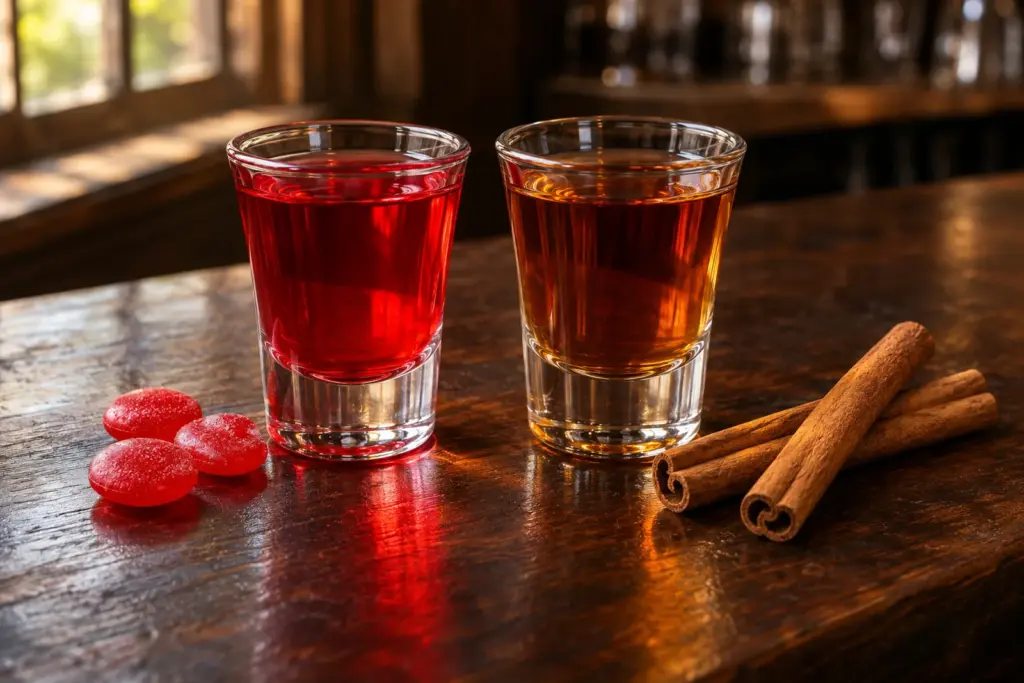
Both drinks taste like cinnamon candy, which is why people lump them together. In a food comparison of look-alikes like these, the differences are what is inside the bottle, how strong it is, and which one you are actually holding when the label says "Fireball."
1. What Is the Difference Between Hot Damn and Fireball?
Fireball and Hot Damn start from different bases, and Fireball's maker calls its original product whisky-based with natural cinnamon flavor. DeKuyper sells Hot Damn as a cinnamon schnapps liqueur, a sweetened flavored spirit that carries no whisky claim.
| Trait | Hot Damn | Fireball Cinnamon Whisky |
|---|---|---|
| Maker | DeKuyper | Sazerac |
| Type | Cinnamon schnapps liqueur | Whisky-based cinnamon liqueur |
| Strength | 30 proof (15%) standard, 100 proof (50%) for Hot Damn 100 | 66 proof (33%) |
| How the brand describes it | Hot cinnamon, a "bang" to start a night | "Bold cinnamon. Clean whisky heat." |
| Other versions | Hot Damn 100, a separate 100 proof bottle | Malt-based (33 proof) and wine-based (42 proof) "Fireball Cinnamon" bottles |
Strength is the difference you will feel most, because it varies more across the Hot Damn line (15% to 50%) than between Hot Damn 100 and Fireball (50% and 33%).
2. What Is Hot Damn Cinnamon Schnapps?
DeKuyper makes Hot Damn, a red cinnamon schnapps liqueur, and pitches it with one line, "hot cinnamon starts any night off with a bang."
In the US you can buy it at two strengths, a 30 proof standard bottle and a 100 proof version.
- Color: red.
- Flavor: candied red-hot cinnamon, sweet at the front and prickly on the finish.
- Base: a sweetened schnapps liqueur.
Some pages call Hot Damn a cinnamon whiskey, but the bottle is a schnapps, so there is no whisky backbone under the cinnamon in your glass.
3. What Is Fireball Cinnamon Whisky?
Fireball began in Canada, where Seagram developed it in the mid-1980s as a cinnamon flavor of Dr. McGillicuddy's.
Sazerac bought the brand rights and formula in 1989 and renamed it Fireball Cinnamon Whisky in 2007.
The bottle you buy today holds a Canadian whisky base with cinnamon flavoring and sweeteners, bottled at 66 proof (33% ABV). Sazerac says the rest of the recipe is proprietary.
Sales climbed once it reached the gas stations, convenience stores and supermarkets where you now find it. IRI figures reported by Bloomberg Businessweek in April 2014 put them at $1.9 million in 2011 and $61 million in 2013, and a 2016 Bloomberg report said that in 2015 the brand overtook Jägermeister as the top-selling US liqueur.
More than one whisky bottle carries the Fireball name, so you may see these three on a shelf:
- Fireball Cinnamon Whisky: the original, 66 proof.
- Blazin' Apple: 66 proof, with green apple added to the cinnamon.
- Fireball Whisky 42 Proof: a 21% ABV whisky version, sold in about 6,000 additional Ohio stores (not the wine-based 42 proof bottle).
4. Which One Is Stronger?
It depends on the bottle. Retailer and ingredient listings give the standard Hot Damn bottle 30 proof and the other version 100 proof, and DeKuyper's own range of cordials and liqueurs runs from 15% to 50% alcohol by volume.
DeKuyper's Hot Damn page gives no proof, which leaves the label as your only sure check. Fireball's FAQ says its whisky is bottled at 66 proof (33% ABV).
Under the NIAAA definition, one US standard drink is 0.6 fluid ounces of pure alcohol, and the table applies that to a 1.5 ounce shot you might pour:
| Bottle | Proof | ABV | Standard drinks in a 1.5 oz shot |
|---|---|---|---|
| Hot Damn (standard) | 30 | 15% | about 0.4 |
| Fireball Cinnamon (malt-based) | 33 | 16.5% | about 0.4 |
| Fireball Cinnamon (wine-based) | 42 | 21% | about 0.5 |
| Fireball Cinnamon Whisky | 66 | 33% | about 0.8 |
| Hot Damn 100 | 100 | 50% | about 1.25 |
Hot Damn 100 holds about 1.5 times the alcohol of Fireball Whisky per shot (50% against 33%), so two shots of it add up to roughly three shots of Fireball.
If you pour the standard Hot Damn instead, each shot holds less than half the alcohol that Fireball does (15% against 33%).
5. Is the Fireball in the Store Always Whisky?
Not every Fireball in a store is whisky, because Sazerac also sells Fireball Cinnamon in malt-based and wine-based versions that its FAQ says can sit in beer, malt beverage and wine stores, which cannot sell whisky.
If you pick up a small bottle at a grocery or convenience store, you may be holding the weaker one.
- Whisky-based
- 66 proof (33% ABV)
- "Whisky" appears on the front label
- Liquor stores and bars carry it
- Malt-based: 33 proof (16.5% ABV)
- Wine-based: 42 proof (21% ABV)
- No "Whisky" on the front label
- Stores that cannot sell whisky can stock it
Sazerac puts these versions in approximately 170,000 US stores, so a convenience-store shelf is where the front label matters most.
The look-alike labels led to a lawsuit reported in January 2023, Marquez v. Sazerac, which argued that shoppers were misled into thinking the malt bottle held whisky.
As quoted by Truth in Advertising, the complaint said the bottles appear identical but for the word "Whisky" on the front label, and whatever a court decides, that word is the quick check you can make at the shelf.
6. How Do They Taste Different?
Cinnamon comes first in both bottles, so the difference you notice sits in the background, and these points come from how each brand describes its bottle and from the base each one uses:
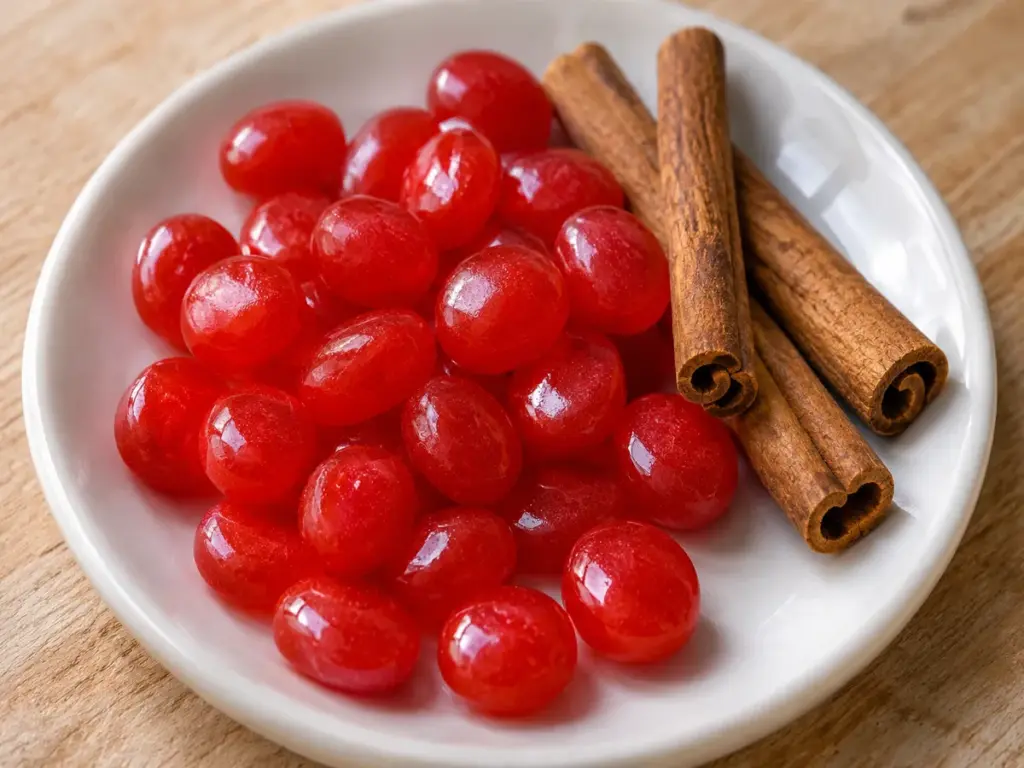
- Hot Damn is described as candied red-hot cinnamon, sweet up front with a sharp burn behind it, so cinnamon candy is the whole pitch.
- Fireball Whisky pairs its cinnamon with what its maker calls "clean whisky heat," so a grain whisky backbone sits under the sweetness. That base shapes what Fireball tastes like when you sip it straight.
Is Fireball Spicy?
Fireball's heat reaches you as cinnamon flavoring plus alcohol, which its maker sums up in a tagline of bold cinnamon with clean whisky heat.
A 33% shot burns more in your throat than a 15% one, which makes the standard Hot Damn the mildest of the three. Hot Damn 100 at 50% burns harder than Fireball in the same shot glass.
7. What Do Hot Damn and Fireball Have in Common?
The two bottles overlap in flavor, how people drink them and how the labels work:
- Cinnamon candy flavor: both bottles taste sweet first and spicy at the end.
- Party shots: Wikipedia says the Fireball flavor is often used for shooters, and Hot Damn is pitched for the same kind of night.
- More than one strength per name: Fireball comes at 66, 42 and 33 proof, and Hot Damn at 30 and 100.
No standard Hot Damn bottle matches Fireball's 66 proof, so a bottle that tastes right in your drink can still be far off on strength.
8. Can You Use Hot Damn Instead of Fireball?
Yes, in a mixed drink, as long as you adjust for strength. The sweet, spicy cinnamon flavor of the two is close, while the alcohol in each ounce you pour is far apart.
- Hot Damn 100 for Fireball: about ⅔ of the amount matches the alcohol. If a recipe calls for 1 ounce of Fireball, you pour ⅔ ounce and add a splash of the mixer to bring the volume back up, since 50% against 33% means 1 ounce carries about 1.5 times the alcohol.
- Standard Hot Damn for Fireball: the same amount gives you a weaker drink. To match the alcohol you would need more than double the pour, and that adds more sweetness and cinnamon along with it.
- Fireball for Hot Damn 100: about 1 ½ times as much matches the alcohol, and the drink gains a whisky base under the cinnamon. If you pour the same amount, the drink comes out about a third weaker.
DeKuyper's own cinnamon twister recipe mixes ½ part Hot Damn with ½ part butterscotch schnapps, 1 part coffee liqueur, ½ part Irish cream and 2 parts cream. We'd expect a whisky-based liqueur to work in that dessert drink too, with the flavor moving from cinnamon candy toward spiced whisky.
9. What Do You Mix With Each One?
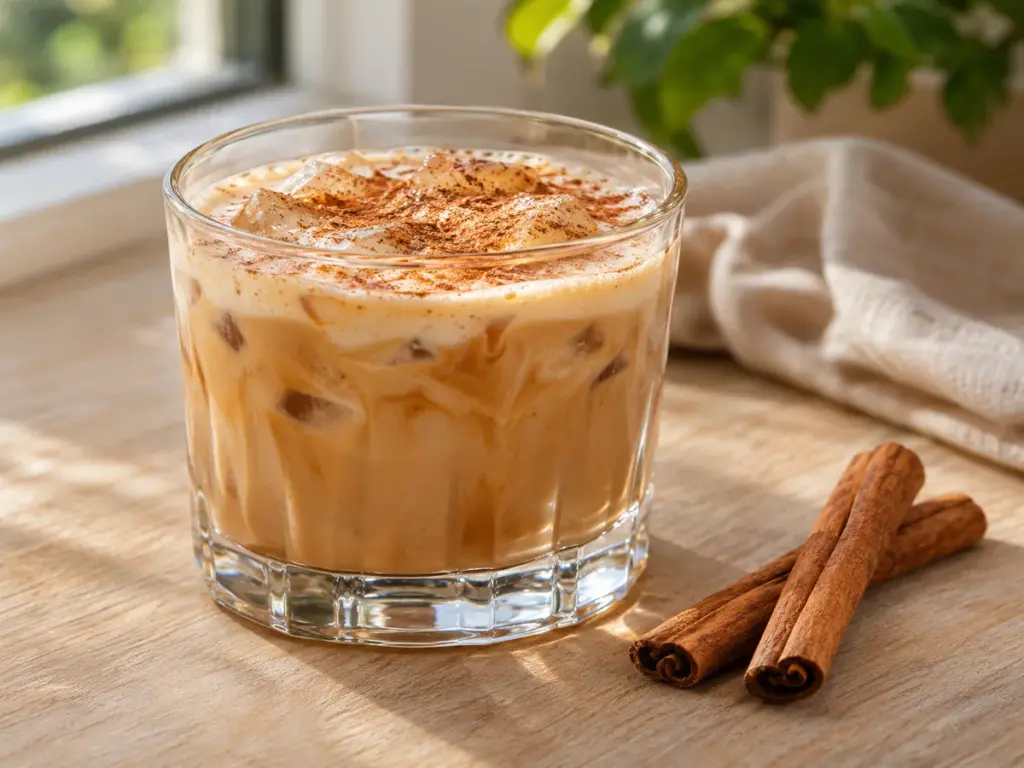
Sazerac suggests cola, ginger ale, lemonade, cream soda or eggnog with Fireball Cinnamon Whisky, and ginger beer or cider with Blazin' Apple.
- Cola or ginger ale
- Lemonade or cream soda
- Eggnog
- Apple Pie and Cinnamon Twister (DeKuyper)
- Spicy Eggnog and Hot Cinnamon Roll
- Oatmeal Cookie Shots (DrinkNation)
Eggnog is on both lists, so you can try it with either bottle.
A liqueur topped with soda is the simplest mixed drink you can build. Cola and cream soda are sweet on their own, so we'd taste the glass before adding more liqueur.
10. How Should You Serve Each One?
Cold Shots and Ice
Sazerac's own advice is to drink Fireball Cinnamon Whisky cold, as a shot, straight from the freezer, so a bottle kept there is ready whenever you want to pour shots.
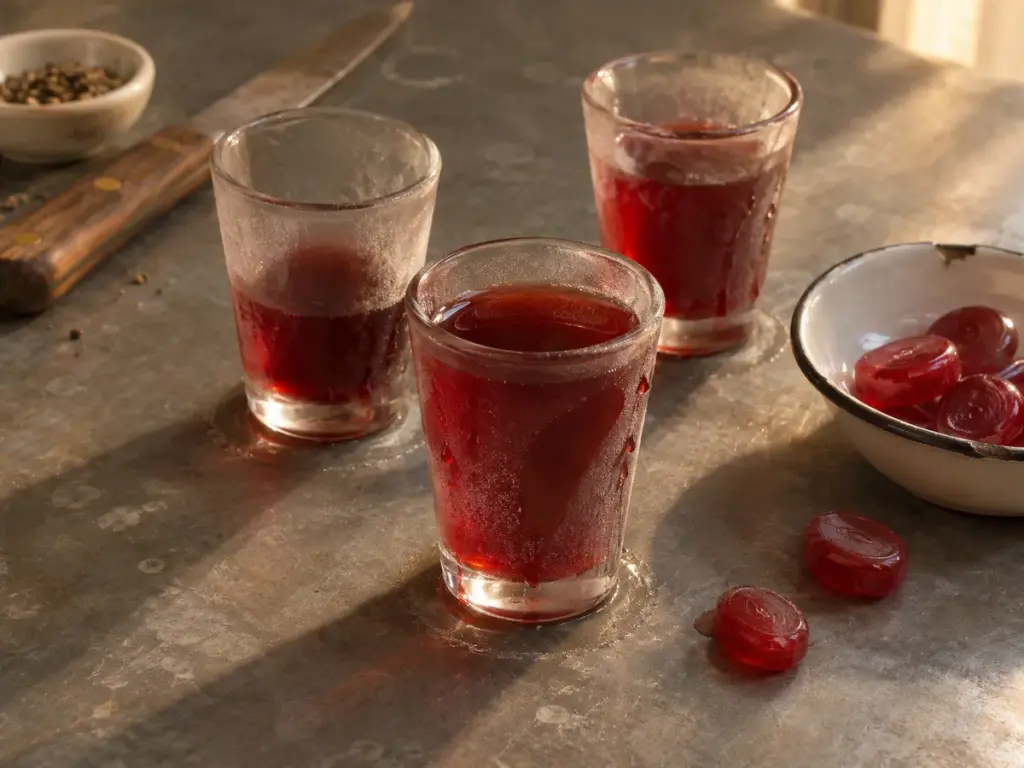
If you add ice, it melts and lowers the strength, the same way it softens whiskey served on the rocks.
Warm Drinks
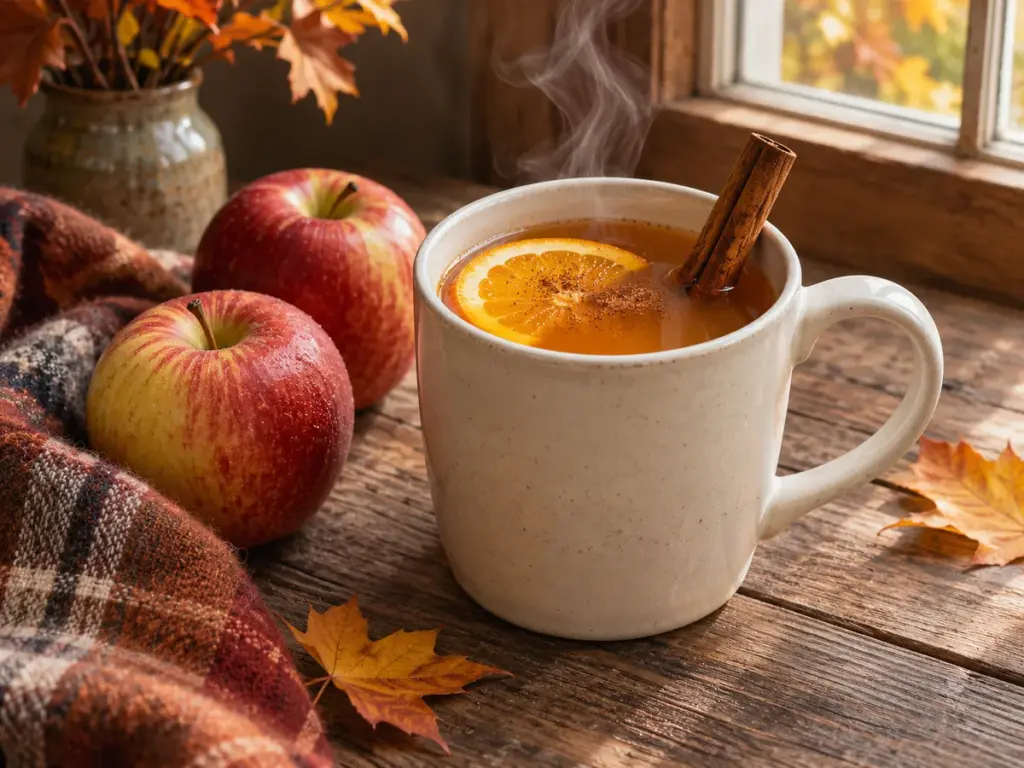
You can stir a small pour into hot sweet-tart apple cider or hot chocolate after it comes off the boil, so the liqueur itself is never boiled.
We'd start with about 1 ounce per mug and add more only if the first sip leaves you wanting more heat.
11. How Do They Compare With Goldschläger and Other Cinnamon Bottles?
At the store you will find Fireball and Hot Damn next to Goldschläger, Jack Daniel's Tennessee Fire and Jim Beam Kentucky Fire. Each one lands at a different strength:
| Bottle | Base | Proof (ABV) |
|---|---|---|
| Goldschläger | Grain spirit, cinnamon, gold flakes | 87 (43.5%) |
| Goldschläger 107 | Same, original strength | 107 (53.5%) |
| Tennessee Fire | Old No. 7 whiskey, cinnamon liqueur | 70 (35%) |
| Kentucky Fire | Kentucky bourbon, cinnamon liqueur | 70 (35%) |
Both "Fire" bottles sit at 70 proof, 4 proof points above Fireball's 66, so they are the closest swaps if you want to match strength.
Goldschläger is a cinnamon spirit with flakes of 24-karat gold, an estimated 13 milligrams per liter, and the gold has no flavor.
At 87 proof it holds about 1.3 times the alcohol of Fireball by volume, and Sazerac, which owns both brands, brought back the 107 proof original in 2023.
Jack Daniel's Tennessee Fire blends Old No. 7 Tennessee whiskey with a cinnamon liqueur, and its label reads "Whiskey Specialty, 35% ALC./VOL." You can find it in all 50 states since its national launch on March 3, 2015.
Jim Beam Kentucky Fire pairs Kentucky straight bourbon with red-hot cinnamon flavor, which sets it apart from the Tennessee whiskey under Jack Daniel's Fire, so you can pick by base.
Prices vary by state and store, so a fair comparison puts two 750 mL bottles of the same proof side by side. The only figure in the brands' own announcements is Kentucky Fire's 2014 launch price of $15.99 for 750 mL.
12. Which One Should You Buy?
The right bottle depends on what you plan to pour, and the proof on the label confirms the choice:
- For a strong shot: Hot Damn 100 is the pick, since at 100 proof it is the strongest of the Hot Damn and Fireball bottles and one 1.5 ounce pour already counts as more than a standard drink.
- You want a lighter cinnamon mixer for coffee or dessert drinks: the standard Hot Damn works, because at 15% it adds cinnamon without turning the drink into a strong one.
- If you want a whisky base under the cinnamon: Fireball Cinnamon Whisky gives you that, and the word "Whisky" belongs on the front label.
- You are buying at a grocery or convenience store: the front label should say "Whisky." If it only says "Fireball Cinnamon," you are holding the 16.5% malt or 21% wine version.
- For a whiskey base at Fireball's strength: Tennessee Fire or Kentucky Fire fits, and both are 70 proof.
DeKuyper's own range runs from 15% to 50% ABV, and schnapps is sweeter than vodka, so the proof on the bottle tells you more than the word "schnapps" does.
Sources
- Fireball FAQs: proof, ABV, malt and wine versions, serving, freezing, allergens
- DeKuyper: Hot Damn Cinnamon Schnapps Liqueur
- DrinkNation: DeKuyper Hot Damn strengths, flavor and recipes
- Truth in Advertising: Fireball Cinnamon malt beverage and the 2023 lawsuit
- NIAAA: What is a standard drink?
- Wikipedia: Fireball Cinnamon Whisky (history, sales, 2014 propylene glycol recall)
- Wikipedia: Goldschläger
- Jack Daniel's: Tennessee Fire launch release
- Jim Beam: Kentucky Fire release (PR Newswire)
Frequently Asked Questions
Can Fireball Go in the Freezer?
Yes, the original works there, because Sazerac says the 66 proof whisky will not freeze until about minus 12°F and so stays liquid at the 0°F of a home freezer. If you keep one of the lower-proof Fireball Cinnamon bottles there, it will likely freeze.
Does Fireball Contain Nuts or Other Allergens?
Sazerac says Fireball is not made with nuts or peanuts, but it may be produced in a facility that also handles milk, peanuts, tree nuts and wheat. If you have an allergy, the FAQ recommends you talk with your physician before drinking it.
Why Did Some European Countries Pull Fireball in 2014?
Wikipedia reports that Finland and Sweden found propylene glycol above the EU limit of 1 gram per kilogram, and Norway decided to recall the product. Sazerac called it a small recipe-related compliance issue and said the drink was safe to drink.

Food writer at GustoMeadow. Writes ingredient substitutes, food comparisons, taste guides and storage guides for home cooks.
Storage and food-safety numbers follow USDA, FDA and university extension guidance.



