
Mango is often called the king of fruits and has been a favorite among the masses.
Rarely you'll find a person disliking this fruit.
So, what does mango taste like? Is it sweet or sour?
The answer may vary depending on the species and when it's eaten.
Raw ones are usually sour, while ripened mangoes are sweeter.
Since there are varieties of mango species, the taste profile is likely to vary.
What is Mango?
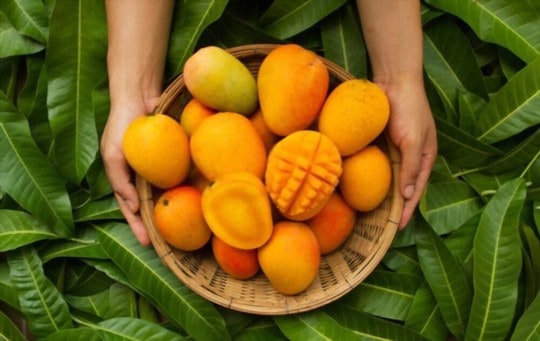
Mango is a fruit produced from a tree called Mangifera indica.
This fruit reportedly originated over 4000 years ago in India.
This fruit is considered sacred and is also the national fruit of India.
In fact, this fruit is also the national fruit of the Philippines and Pakistan.
This fruit is widely cultivated in southeast Asia, resulting in two types: Southeast Asian and Indian.
Both is mango for eating, but it is also used in fabrics and arts.
If you have seen the paisley pattern, it's inspired by this stone fruit.
Besides, it has an excellent nutritional value relished by people worldwide.
Unless you're living under a rock, we're sure most have tasted this fruit at least once - or can compare it to an acai berry taste guide comparison.
Mango is widely available, making it easier to find and consume it.
Both mango skin and inside flesh are edible.
If you plan to have its skin, ensure it's ripe since raw ones are primarily sour.
For sweet pairings that highlight tropical fruit notes, see lemon dessert pairings and ideas that work well with mango-based treats.
What Does Mango Taste Like?

Mango is a sweet-tasting fruit and juicy like orange. It has a refreshing taste, perfect to have in summer.
Some say it shares a similar taste profile with apple, apricot, peach, pear, pineapple, grapefruit, and banana.
Based on the varieties, the taste is likely to vary.
But overall, it's sweet with a hint of sourness if not ripe properly.
The taste of this fruit or the like is subjective.
You may say mango tastes like an apricot, but it may taste like a banana to some.
So, expect variations in answers when it comes to the taste profile of a food item.
It is pleasant and may vary slightly with different mango types.
Overall, it has a fruity smell along with a tropical flavor.
The texture is tender and soft in ripening states, while the raw ones are crispy.
It's also juicy, making it ideal for making juice and cocktails.
Mangoes are available all year round, but the peak season is during summer, starting from April till August.
The nutritional value of mango is high. It contains Vitamin K, copper, fiber, antioxidants, potassium, and Vitamin C.
It has a low-calorie value and is also helpful in regulating blood pressure.
Since it's naturally sweet, it's excellent for those planning to reduce sugar intake.
A cup of frozen or freshly sliced mangoes contains 40% DV of Vitamin A and 93% DV of Vitamin C.
How to Cook and Serve Mango?

Mangoes are known for their versatile taste allowing you to pair them with different food varieties - even quick vegetables from a veggie sides list for pairing.
It's best paired with banana, kiwi, pineapple, milk tea, peach, pear, and apple.
You may prepare mango smoothies which are pretty nutritious and delicious too.
Use ripe mangoes to make juice or a smoothie for a better outcome.
Here are some of the common ways to serve mango:
- Frozen mango bites: Avoid candies sold in stores by making one yourself. It's healthier and tasty too. Here, slice or cut the mangoes and then put them in the ice tray. Once it's frozen, it becomes a nice snack. .
- Mango salsa: Make mango salsa by throwing in other ingredients, including tomatoes, fresh mangoes, corn, and guacamole. It's refreshing and perfect to have with chips or pasta. .
- Mango ice cream: Why waste money on ice creams if you can prepare one yourself, especially if your favorite flavor is mango? It's good to have it during summer because of its fruity flavor.
- Mango margarita: Infuse lime juice, tequila, ice, syrup, and triple sec with mango to create a homemade margarita. It results in incredible flavor and gives a tropical flavor that is perfect for serving at a party. .
Distinctive Taste Notes of Mango
Mangoes are relished universally and are pretty nutritious as well.
Its versatile taste makes it perfect to pair with other food items or use as an ingredient.
This stone fruit tastes best when ripe but is also eaten raw.
Raw ones are sour, while ripened mangoes are sweet.
You may also have its skin, but ensure it's washed before eating.
Hopefully, this article has answered your query related to mango and its taste profile.
It's challenging to say a specific taste because of its flavor variants.
Perhaps, you give it a shot and let us know your opinion too.
Frequently Asked Questions
So, what does mango taste like? Is it sweet or sour?
Raw ones are usually sour, while ripened mangoes are sweeter. Try it in a few different preparations to find which version you prefer.
What foods taste similar to Mango?
Several foods share flavor notes with Mango.
Tasting similar items side by side is the easiest way to map out what you enjoy and find new favorites.
Yes. Pairing it with acidic, sweet, or fatty components shifts the perceived intensity.
A squeeze of citrus brightens mild flavors, while fats like butter or oil mellow sharper ones.
Avoid pairings that clash with its dominant flavor note. Competing intensities - very sweet with very sour, or heavy with delicate - tend to obscure rather than go with the taste.
Mango-centric mains pair well with complementary sides. mango salsa chicken side dish ideas lists fitting accompaniments. mango sorbet side pairings worth trying work when the finish should stay light.