
Elephants in Africa have a favorite fruit, and it's no secret now.
Yes, the marula fruit has both man and animal craze over it, and we'll discover why.
Being native to the culture, the marula fruit of the marula tree has found its way into the most profound cultures of South Africa.
There's even a myth about the fruit being the cause of 'drunk elephants'.
How true could this be, and what does marula fruit taste like that make it such a significant part of their culture?
By the end of this article, you won't have any such questions because we'll answer them for you.
What is Marula Fruit?
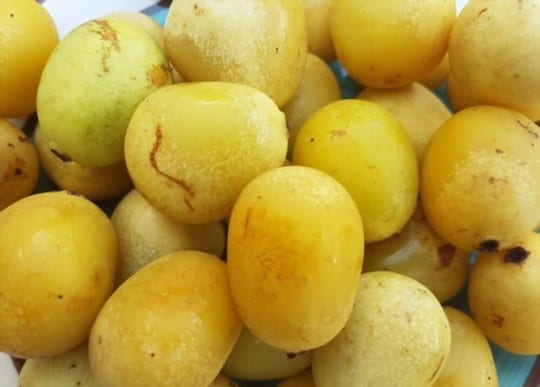
An indigenous plant of Southern Africa called Marula or Sclerocarya birrea bears a fruit similar in size to a plum.
It grows year-round and is simply referred to as the Marula fruit.
This fruit is yellowish to green in color and has a hard nut in the center.
They are consumed fresh or fermented; animals love them, too, with elephants being the biggest consumer.
Because of this association, the tree is also called the 'elephant tree.'
Apart from elephants, most other native animals like the kudu, impala, baboons and nyalas consume the fruit too.
But the myth about elephants getting drunk is totally false.
If you ever thought it to be true, you must have been influenced by Jamie Uys's documentary where he fed alcoholic marula fruits to get the elephants drunk.
The Marula tree bears so much significance in the African community.
They've been ceremonial and social hotspots where people gather and spend time.
And the fruits play a part as the object that connects them together.
When pairing marula in desserts, consider bright citrus complements - see lemon dessert pairing options for nine compatible flavor matches.
What Does Marula Fruit Taste Like?
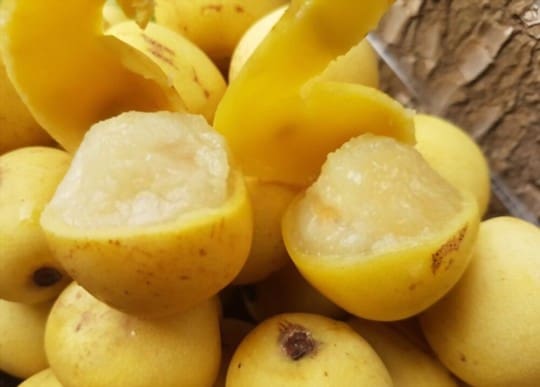
The marula fruit will have varying flavors depending on how much the fruit is ripened.
Raw ones are green and taste tangy, while fully ripe ones are yellow and taste sweet and nutty with tart undertones - similar in bright citrus notes to a pomelo fruit flavor guide.
You'll probably find a marula fruit throughout the year, but they ripen between December and March, so you know when to get the best-tasting fruits.
So, can marula fruit get you drunk? Yes, and no.
Eating fresh ones will not harm you; you will get drunk only if the fruit is fermented into an alcoholic drink.
But the best way to know if the fruit will taste sweet is by only eating those that have fallen to the ground.
They are perfectly ripened and need to be picked before they get spoilt.
One significant nutrient that you'll receive is vitamins, particularly Vitamin C.
It also contains plenty of antioxidants, oleic acid, protein, and fats.
So, this fruit will boost your heart health and bones, restore hormonal balance, and speed up the healing process.
Both that, but the marula fruit also does wonders for your skin and hair health and even reverses the signs of aging.
Now, comparing the fruit with other native African fruits like the kola nuts and baobabs, you will find many reasons to choose it over the other.
The marula fruit is much easier to eat and gives you enough citrus energy to keep your heart healthy, especially in a hot continent like Africa.
How To Cook and Use Marula Fruit?
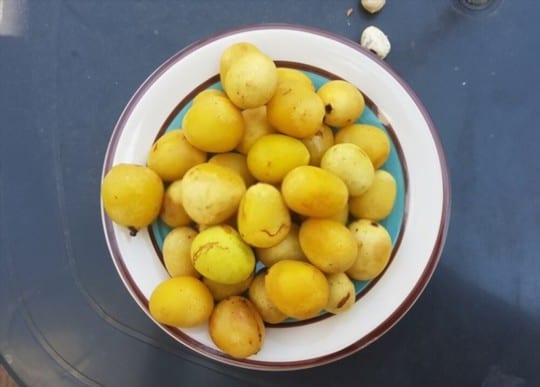
You will find many uses for the fruit, both in topical applications and consumption.
Apart from being a great fruit to eat, you can use them in some exciting ways, and here are a few:
- Marula beer: One thing that everyone looks forward to is probably the fermented juice of the marula fruit., i.e., beer.
Since the fruit has high sugar, it ferments quickly in a few days.
To make the beer, you simply mix marula fruit pulp and water and store it undisturbed for up to 3 days.
- Marula oil: Perhaps the most versatile use of marula fruit is marula oil. It is used as edible oil and a cosmetic to apply to your skin and hair. For the hair, you can use it as a conditioner or mask.
- Amarula cream: Sugar, cream, and marula fruit combine to give a cream liqueur that tastes like caramel. It is best served over ice and will grace your dinners and impress guests with its velvety texture.
While not many people complain about it, marula fruit may cause allergic reactions in those allergic to nuts.
And if you have a sensitive digestive system, you might also be in trouble having stomach upsets upon consumption of the marula oil.
For quick meals that highlight marula-based sauces or sides, try quick veggie side ideas under 12 minutes to keep preparation fast.
Final Thought
Even though you started off not knowing what marula fruit is or what significance it has, we're sure you now feel confident about it.
They aren't just any fruit passed around in the market; they're a culture's identity; men and animals consume this fruit to fuel themselves with nutrients.
Everything from your external appearance, like skin and hair, to your internal organs, will benefit from eating this indigenous fruit.
And what's even better is that they have many uses, and you'll always be discovering newer ways as you hop on a safari to the fruit's native land.
Exotic varieties fit similar tasting explorations. dragon fruit taste guide describes another tropical profile. jujube fruit taste guide outlines a contrasting sweet-and-tart experience.
Frequently Asked Questions
The marula fruit will have varying flavors depending on how much the fruit is ripened. Raw ones are green and taste tangy, while fully ripe ones are yellow and taste sweet and nutty with tart undertones.
But the best way to know if the fruit will taste sweet is by only eating those that have fallen to the ground.
The texture of Marula Fruit depends on how it is prepared. Raw, cooked, and processed forms each offer a distinct mouthfeel that changes the overall eating experience.
Is there a strong smell that comes with the taste?
Aroma and taste are closely linked.
A strong smell usually signals an equally bold flavor.
If the smell is mild, expect a subtler taste that becomes more apparent with seasoning.
Depends on the ingredient. Some improve dramatically with heat, developing sweetness or losing bitterness.
Others are best raw, where cooking dulls the brightness that makes them worth trying.