
Summary of key points
Massaman Curry and Panang Curry are both Thai curries that differ in their origin, ingredients, and flavors. Massaman Curry, influenced by Persian cuisine, is a rich, relatively mild curry containing coconut milk, tamarind, cinnamon, and nutmeg, often prepared with beef.
Panang Curry, named after the island of Penang in Malaysia, is thicker, sweeter, and usually less spicy than other Thai curries, featuring a strong peanut flavor.
Are you hungry for a little something different?
Hoping to escape from the usual flavors and explore new turfs of your taste-bud sensations?
If so, then massaman curry and panang curry are two dishes that you must try.
Both delights come from Thailand - one of the tastiest cuisines ever!
With each one offering its own unique twist on tantalizingly yummy flavors, these curries need to be tried!
But what exactly is the difference between them?
Are they similar in flavor or completely distinct recipes altogether?
Put on your exploring hats; it's time to find out how massaman curry stacks up against panang curry!
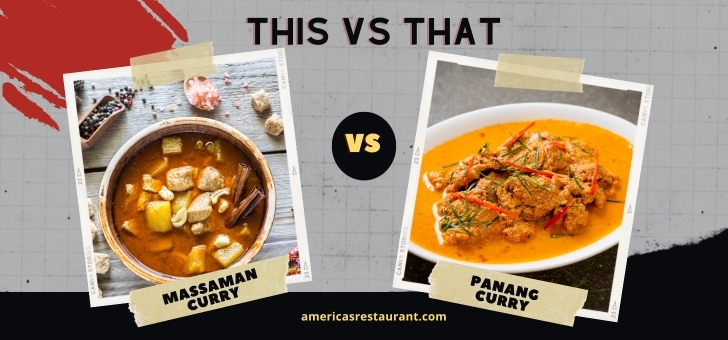
What is Massaman Curry?

Massaman Curry is a type of Thai curry that is known for its flavorful taste.
It is believed to have originated from southern Thailand but has since spread in popularity throughout the country and beyond.
This curry dish usually consists of meat (usually beef, but can also be made with chicken or lamb), potatoes, peanuts or cashews, and an array of fragrant spices.
The flavor of Massaman Curry typically includes a distinct blend of sweet, salty, sour, and spicy notes.
The sweetness comes from the use of coconut milk and palm sugar while the saltiness is derived from fish sauce.
The sourness often comes from tamarind paste while the spiciness can vary depending on how much chili paste or pepper is added.
Overall, Massaman Curry is a delicious and hearty dish that can be enjoyed on its own or served over rice.
Its unique combination of flavors makes it a favorite among many Thai food enthusiasts.
If Massaman curry paste isn't available, Massaman curry paste substitutes list suggests five workable swaps.
What is Panang Curry?

Panang Curry is a delicious Thai curry that is both creamy and spicy.
It is made with a rich, fragrant sauce that is filled with herbs and spices, making it one of the most popular dishes in Thailand.
Panang Curry is typically served with steamed rice, although some people may choose to eat it with noodles instead.
As you eat your way through this dish, you'll notice that the flavors are complex yet perfectly balanced.
One of the interesting things about Panang Curry is that it has evolved over time.
Originally from southern Thailand, today it can be found throughout the country as well as in many other parts of Southeast Asia.
All in all, Panang Curry is an amazing dish that should definitely make its way onto everyone's must-try list.
For Panang curry, consider Panang curry paste substitutes guide when the original paste isn't on hand.
Differences Between Massaman Curry and Panang Curry

Curries are always a fan favorite.
Two popular choices include Massaman curry and Panang curry.
While they may seem similar at first glance, there are actually some key differences that set them apart.
Massaman curry has its roots in traditional Thai-Muslim cuisine with influences from India and Malaysia.
Meanwhile, Panang curry is said to have been a Malaysian invention that eventually made its way into Thailand.
Thus, while both dishes are heavily influenced by Malay cuisine, they each carry distinct flavors - similar to how red vs yellow curry comparison highlights regional flavor differences.
Another key difference lies in their heat level.
While both curries can be spicy depending on the cook's preferences or how it's made at specific restaurants, generally speaking, Massaman curry is milder than Panang curry.
The two curries also differ in terms of their flavors.
While both are loaded with herbs and spices like lemongrass, galangal ginger root, kaffir lime leaves etc.
Massaman carries a sweet-savory profilewith nutty undertones; meanwhile, Panang is salty-bitter with a mild sweetness.
Lastly but certainly important as well, the curries typically use different meats.
For instance; massaman normally contains beef or lamb while chicken or beef could be used for panang curry.
Origin
To understand the origin of these dishes, we need to look at the history of Thai cuisine.
Thai food is a blend of different regional flavors and techniques, influenced by neighboring countries such as China, India, and Laos.
Over time, these influences have blended together to create delicious dishes that are enjoyed around the world.
Both have their roots in southern Thailand.
Massaman Curry has its origins in Muslim cuisine and is believed to have been brought to Thailand from Persia or India.
On the other hand, Panang Curry is inspired by traditional Malay cooking and was first created in southern Thailand in the late 19th century.
While both curries originate from southern Thailand, they differ in their influences, flavors, key ingredients used and even color.
Ingredients Used
Massaman curry and Panang curry are two famous Thai dishes that have gained popularity globally.
These curries use different ingredients, making them distinguishable from each other in taste and texture.
In this section, we will discuss the ingredients used in both these curries.
The flavors of the two curries depend on their unique blends of herbs and spices.
The meat is cooked with a variety of vegetables and some common ingredients such as garlic, ginger paste, onions, etc.
Found in many Thai dishes.
However, there is distinctiveness in the preparation method that makes every dish unique.
Panang curry uses ground peanuts in its curry paste that adds thick creaminess to it.
On the other hand, Massaman curry's fragrant flavor comes from assorted spices like cinnamon sticks and cumin seeds added to it.
While both curries use coconut milk for richness and depth of flavor, Massaman uses thicker coconut milk with less water than Panang; hence more creamy mouthfeel.
Flavor and Taste Comparison
Massaman Curry and Panang Curry have a few differences.
While both are flavorful Thai dishes, Massaman curry is sweeter and milder in terms of heat level, while Panang curry has a bolder flavor with spicier notes.
As we can see from the table above, these two curries differ in their heat levels as well as their main ingredients.
Massaman Curry is usually milder in terms of spiciness compared to the bolder flavors of Panang Curry.
Also, while both dishes are made with a blend of herbs and spices like cumin or coriander seeds, they have distinct key flavors: cinnamon and star anise for Massaman Curry versus lemongrass and ginger for Panang Curry - see extract vs flavor explanation for how subtle aroma differences affect taste.
To illustrate how these flavors translate into taste sensations for those who may not have tried these dishes yet; Massaman curry has a sweet and nutty flavor that's warming and comforting because of its cinnamon-y undertones.
On the other hand, Panang Curry features bright notes of citrus from kaffir lime leaves that cohesively blend with the strong spiciness for a deeply satisfying mouthfeel.
In summary, when comparing flavors between Massaman curry vs Panang curry, each dish offers its unique flavor and taste sensation that satisfactorily satisfies different palates and preferences.
Texture and Appearance
Texture and appearance can play a significant role in the overall dining experience.
As you can see, Massaman Curry is usually lighter in color compared to Panang Curry, which has a darker reddish-brown hue.
Massaman curry also has a thinner gravy-like consistency while Panang is usually thicker with a creamier texture.
Also, when it comes to taste, texture can influence the way flavors are perceived.
The textures of these two curries will affect the way they coat your tongue, thus influencing how their different flavors interact with your palate.
In summary, while both curries are delicious in their own right, you may prefer one over the other based on your preference for specific textures or appearances.
Nutritional Value
For those looking to make healthier choices, the nutritional value of a dish is an important consideration.
When comparing Massaman Curry and Panang Curry, it's worth taking a look at their nutritional profiles.
As you can see, both curries have similar amounts of total fat, sodium and calories per serving.
However, Panang curry has slightly fewer carbs while Massaman curry has slightly more protein.
These values may vary depending on the specific ingredients used in each recipe.
Apart from that, it's also important to consider the health benefits of some of the key ingredients used in these curries such as coconut milk which provides healthy fats and vitamins E and K.
Also, ginger - commonly used in both types of curry - provides anti-inflammatory properties.
Overall, both Massaman and Panang curries offer a flavorful way to get essential nutrients into your diet without compromising on taste.
For a unique umami boost without extra sodium, nutritional yeast taste guide explains flavor profiles that can complement curries.
How to Cook Massaman Curry and Panang Curry?
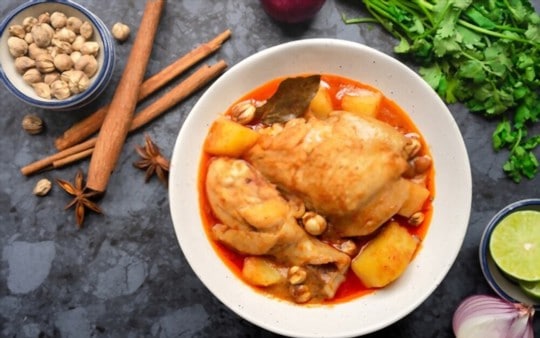
To cook Massaman Curry and Panang Curry, you will need the right ingredients and follow some basic cooking steps.
When preparing Massaman Curry, start by heating oil in a pot over medium heat.
Then add onions until they become translucent.
Next, add coconut milk, and potatoes, then let it simmer for a while.
After that add peanuts, beef or chicken (as per your preference), sugar, fish sauce and tamarind juice (along with other curry paste/spices).
Allow the dish to cook until the potatoes are soft and tender.
Conversely, when preparing Panang Curry - start by heating oil in a pan over medium heat.
Add the curry paste and stir-fry until fragrant.
Then add the coconut milk and chicken/beef along with palm sugar, fish sauce and kaffir lime leaves.
Cook them well as per your preference of doneness.
Understanding the difference between cumin vs curry spice roles helps when balancing seasonings during cooking.
Preparation Methods
For a delicious and authentic Thai meal, both Massaman Curry and Panang Curry are excellent choices.
The preparation methods for these two dishes differ mainly in the cooking time and ingredients used.
While both curries start with sautéing onions and garlic in oil, Massaman Curry requires additional time to cook the meat or vegetables until they are tender.
The spices used in Massaman Curry also bring out rich and earthy flavors that make it unique from other curries.
On the other hand, Panang Curry has a shorter cooking time due to its use of fewer ingredients.
It's known for its creamy texture and subtle yet spicy taste.
Regardless of which curry you choose to make at home, following the proper preparation methods is important in achieving an authentic taste.
Now that you know how to prepare Massaman Curry and Panang Curry properly let's move on to serving suggestions.
Both curries pair well with steamed rice as a base.
For some added crunch, top your dish with chopped peanuts or cashews.
Serving Suggestions
The options are endless.
Both curries pair well with steamed rice or freshly baked naan bread.
Also, a side dish of pickled vegetables or cucumber salad can add a refreshing twist to your meal.
To make your curry experience more enjoyable, consider adding some toppings such as peanuts, fried shallots, and fresh cilantro.
These ingredients not only improve the flavor but also bring a unique texture to the dish.
If you're looking for a complete meal idea, try pairing Massaman Curry with grilled chicken or tofu for extra protein.
For Panang Curry, seafood lovers can compensate shredded crab meat or cooked shrimp in their recipe.
Serving your curry hot is essential to bringing out its full flavor.
Therefore, be sure to heat up leftover curry before consuming it.
Popular Massaman Curry and Panang Curry Brands
There are many popular brands that make Massaman curry and Panang curry pastes that you can find in local stores or order online.
Maesri is one of the most well-known brands for both Massaman and Panang curries, but there are many other options available depending on your preferences.
Some people may prefer the spicier taste of Mae Ploy's Panang curry paste, while others may enjoy the creamier texture of Aroy-D's version.
When choosing a brand of curry paste, it's important to consider the level of spiciness, sweetness, and creaminess you want in your dish - and whether curry paste vs curry powder differences will change the result.
Reading reviews online or trying out different brands yourself can help you determine which one is best for your palate.
Overall, whether you choose Massaman or Panang curry, using a high-quality pre-made paste can save time and effort in the kitchen while still delivering delicious flavor.
Distinct Flavors of Massaman and Panang Curry
As we come to the end of this comparison between Massaman Curry versus Panang Curry, it is essential to highlight the differences and similarities between both curries.
It is evident that while both curries hail from Thailand, they have different flavors due to different ingredients used.
Massaman Curry has a sweet and mild flavor due to the use of potatoes and peanuts along with star anise, cinnamon sticks and cardamom pods while Panang curry has a rich flavor owing to red curry paste along with coconut milk.
The texture of both curries also differs because Massaman curry contains potatoes which gives it a slightly thin consistency while Panang curry's thicker texture comes from red curry paste mixed in coconut cream.
Depending on preferences such as spice level or choice of protein, one might prefer either Panang or Massaman but both curries are delicious accompaniments for steamed rice.
5 BEST Red Curry Paste Substitutes offers options for swapping paste types. Curry Chronicles: Japanese curry taste guide explains how Japanese curry differs in flavor and texture.
Frequently Asked Questions
Massaman Curry and Panang Curry are both Thai curries that differ in their origin, ingredients, and flavors. They share some similarities but each has qualities that make it better suited for certain recipes.
Beginners often find Massaman Curry more forgiving. Panang Curry requires a bit more attention but rewards you with distinctive results once you get the hang of it.
Shelf life differs based on processing and packaging. One often keeps longer unopened, while the other may need refrigeration or faster use after opening.
One tends to perform more consistently across a range of cooking methods, making it the safer choice when experimenting. The other delivers stronger results in specific applications.