
Are you confused about which type of juicer to buy?
Do you want to learn more about the differences between masticating and centrifugal juicers?

What is a Masticating Juicer?
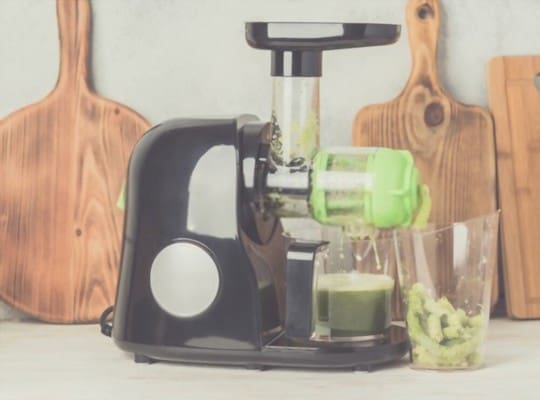
A masticating juicer is a type of juicer that operates using an auger, or a large screw-like component that slowly crushes and grinds fruits and vegetables to extract juice.
This method of extraction is often referred to as "cold-press" or "slow-juicing," as the process involves slower rotations and less heat generation compared to other types of juicers.
One major advantage of masticating juicers is their ability to extract more juice from produce, resulting in less waste and more nutritious juice.
Also, these types of juicers may produce less foam and oxidation due to their slower processing speeds.
However, they do tend to have higher upfront costs compared to other types of juicers.
Overall, if you are looking for a type of juicer that produces high-quality, nutritious juice with minimal waste, a masticating juicer may be the way to go.
Citrus like lemon is commonly juiced for recipes; for dessert pairing ideas using lemon, see what goes well with lemon in desserts guide.
What is a Centrifugal Juicer?
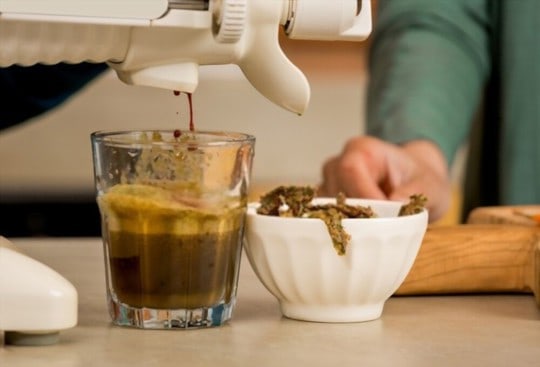
A Centrifugal Juicer is a type of juicer that uses the centrifugal force to extract juice from fruits and vegetables.
The machine has a flat blade, usually made of stainless steel or other hard metals, at the bottom that spins at high speed to chop up the produce.
The chopped up bits are then spun around in a mesh basket, where the pulp is separated from the juice by centrifugal force.
Centrifugal Juicers are generally fast and easy to use, making them a popular choice for those with busy schedules.
They're also typically more affordable than Masticating Juicers.
However, because of their high-speed spinning blades, Centrifugal Juicers can create heat and oxidation during juicing.
This can lead to foamier juice with less nutrients than juice produced with a Masticating Juicer.
Also, because of their design, they may not be as effective at extracting all the juice from certain types of produce.
In contrast to Masticating Juicers, Centrifugal Juicers are better suited for juicing hard fruits and vegetables like carrots or apples.
They may not work as well with leafy greens or soft fruits like berries.
Many quick juices pair well with savory snacks; for ideas on combos that include avocado or guacamole, see what to eat with guacamole combos.
Differences Between Masticating and Centrifugal Juicers
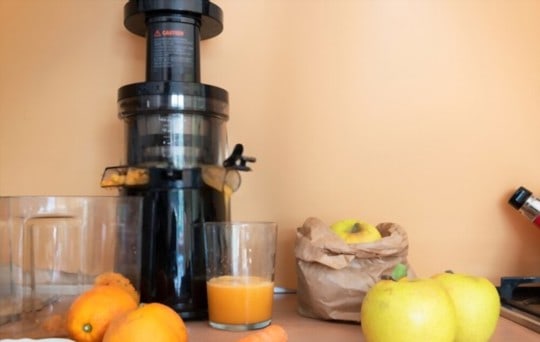
There are two main types to consider: masticating and centrifugal.
While both can produce delicious juices, they work in different ways, resulting in distinct differences in their features and capabilities.
As you can see from above table, one of the key differences is that masticating juicers extract juice slowly using a chewing or grinding method which results in higher juice quality but at a higher expense while centrifugal juicers spin at high speeds to separate juice from pulp quickly which is not as well crushed as the other one but at an affordable price.
Centrifugal juicers are particularly suitable for hard fruits and vegetables like carrots, beets, apples or similar whereas masticating ones able to handle soft or hard fruits and vegetables equally good, also able to create nut butter or baby foods due to its slow speed.
Another major difference is that cleaning up after using a masticating juicer is more difficult and takes more time than using a centrifugal one.
In summary, when it comes to choosing between a masticating and centrifugal juicer, it boils down to your personal priorities.
If you value high-quality juice produced from any kind of fruit or vegetable regardless of cost & cleaning go for mastication whereas if you want something fast with an affordable price which works perfectly fine for hard produce go for a centrifuge.
Juice Quality
The quality of the juice is a important factor that separates masticating and centrifugal juicers.
Masticating juicers are known for their ability to produce high-quality juice due to their slow and gentle extraction process.
In contrast, centrifugal juicers tend to produce lower quality juice due to their high-speed extraction method.
Masticating juicers use a slow and steady process that crushes fruits and vegetables to extract the juice.
The slower speed creates less oxidation and heat during the process, which helps preserve the nutrients in the finished product - see Jamba vs Smoothie King comparison to compare how that nutrient preservation stacks up in smoothie chains.
Also, masticating juicers often come with attachments that allow for making nut butter or sorbets.
On the other hand, centrifugal juicers operate at much higher speeds, using spinning blades to chop up fruits and vegetables before separating the juice from pulp through a mesh screen.
The resulting friction can cause heat and oxidation that reduce the nutrient levels in the final product.
In summary, masticating juicers produce high-quality juices that retain most of their vitamins, enzymes, fiber as well as have added benefits such as versatility while centrifugal-based juices tend to have lower nutritional value.
Juice Yield
Juice Yield: Juice yield is the amount of juice extracted from a fruit or vegetable during the juicing process.
It is an important factor to consider when choosing a juicer because it determines how much juice you will get out of your produce - for a similar fresh-versus-packed perspective, see fresh lime vs bottled comparison.
Typically, masticating juicers have a higher yield compared to centrifugal ones.
As we can see from the table, masticating juicers have a significantly higher juice yield compared to centrifugal juicers.
This is because they use a slow, forceful process that crushes and squeezes the produce to extract as much juice as possible.
On the other hand, centrifugal juicers use high-speed blades to shred and spin the produce, which can sometimes result in lost juice and pulp being ejected into the pulp container.
In addition to yield, it's also important to consider the quality of the juice produced by each type of juicer.
While masticating juicers generally have a better quality output due to less oxidation and heat buildup during the process, they are often more expensive and time-consuming than their centrifugal counterparts.
Overall, if you prioritize getting the most juice out of your produce without sacrificing quality, then a masticating juicer may be worth considering over a centrifugal one.
Noise Level
The noise level can be an important factor to consider.
No one wants to wake up their household with a loud kitchen appliance while trying to make a healthy drink in the morning.
As you can see from the table above, masticating juicers are significantly quieter than centrifugal ones.
Masticating juicers operate at about 40-50 decibels, which is about as loud as a normal conversation.
In contrast, centrifugal juicers can be as loud as 70-90 decibels, which is equivalent to standing next to a lawnmower or motorcycle.
Some newer models of centrifugal juicers have been designed to operate at lower noise levels, but they still tend to be louder than masticating juicers overall.
When it comes down to it, noise level may not be the most important factor in choosing a juicer for everyone.
However, if you live in close quarters with others or are someone who is especially sensitive to loud noises, opting for a quieter masticating juicer could be worth considering.
If kitchen noise matters during entertaining, plated vegan dishes can help keep prep quiet; see chef-level vegan plating recipes that feel professional for low-noise, elegant options.
Speed and Efficiency
Speed and efficiency are two important factors to consider when choosing between a masticating and centrifugal juicer.
A centrifugal juicer operates at a higher speed compared to a masticating juicer, and as such, it is able to extract juice faster.
Centrifugal juicers work by spinning the produce against a mesh filter at high speeds, separating the pulp from the juice.
Masticating juicers, on the other hand, use slow-moving gears or augers that crush the produce and extract juice at a slower rate.
As you can see, centrifugal juicers have a much higher RPM compared to masticating juicers.
This translates into shorter juicing times for centrifugal machines - taking only about 5-10 seconds per item, while masticating machines take up to 2 minutes per item.
However, while centrifugal machines may be faster in terms of extraction time than their masticating counterparts, they are generally less efficient as they tend to leave more pulp behind.
In contrast, masticating juicers preserve more nutrients and enzymes as they operate at slower speeds and generate less heat during extraction.
Overall, your choice of juicer type will depend on your priorities - if you want quicker extraction times but don't mind sacrificing some nutrient preservation or leaving behind some pulp then go for centrifugal; if nutrient retention is the priority then choose a masticating machine.
Price
One of the most important considerations is its price.
You don't want to overspend, but you also don't want to compromise on quality.
To make an informed decision, it's best to compare the prices of different types of juicers available in the market.
As you can see, masticating juicers tend to be more expensive than centrifugal ones.
This is mainly because they use advanced technology that yields maximum juice extraction and preserves nutrients.
Also, high-quality materials are used in their construction, making them durable and long-lasting.
On the other hand, centrifugal juicers are comparatively cheaper because they use simpler technology and less expensive materials in their construction.
They work by spinning rapidly to extract juice from fruits and vegetables quickly.
Although the upfront cost may be higher for a masticating juicer, it can save you money in the long run due to its efficiency and ability to get more juice out of your produce.
Which Juicer is Right for You?

One key factor to consider when selecting a juicer is the type of produce you plan on juicing.
If you primarily consume leafy greens, wheatgrass or nuts, then a masticating juicer would be the better option.
On the other hand, if you prefer hard fruits and vegetables like carrots and apples, then a centrifugal juicer would be a better choice.
Another key factor to consider is the noise level.
If you prefer quiet operation, then a masticating juicer would be the better option since it operates at a slower motor speed - read slow juicer vs cold press comparison to learn more about quiet, low-speed extraction.
On the other hand, if you do not mind loud noises, then a centrifugal juicer would still work fine.
Cleaning process is another critical factor that must be considered when selecting any kitchen appliance.
With their easily removable parts that can be washed in a dishwasher or under running water, masticating juicers are generally easier to clean than centrifugal models.
Now that we have gone through the key differences between masticating and centrifugal juicers, let's discuss some essential factors one should consider before purchasing any of them.
Factors to Consider
Factors to Consider: When choosing between a masticating and centrifugal juicer, there are several factors to consider before making a purchase.
Juice Quality: One of the most significant differences between masticating and centrifugal juicers is the quality of juice they produce.
Masticating juicers press and grind fruits and vegetables slowly, resulting in less oxidation and heat generation during the process.
This leads to higher yields of juice with more nutrients intact and a longer shelf life than what centrifugal juicers can offer.
Type of Produce Used: If you are someone who loves leafy greens or harder fruits and vegetables like ginger or carrots, then a masticating juicer might be the perfect choice for you.
These machines work well with fibrous veggies as they extract more juice from them compared to their counterpart - centrifugal juicers which work best with soft fruits such as oranges or berries.
Speed & Efficiency: If time is an issue for you, then a centrifugal juicer might be the best choice as they work much faster than masticating juicers.
This means that you can enjoy your favorite juice in no time at all.
However, this speed comes at a cost - they create more noise and generate more heat, which decreases the nutrient value of your juice.
Cost: Masticating juicers are more expensive upfront compared to centrifugal juicers.
However, they offer better yield and longer shelf life, making them a better choice when it comes to long-term use.
In contrast, centrifugal juicers may be cheaper but require frequent replacement or repairs due to low yields.
Popular Brands and Models
If you're looking to buy either a masticating or centrifugal juicer, there are multiple popular brands and models available in the market.
As you can see, there is an even number of popular brands and models for both masticating and centrifugal juicers.
Each brand and model has its unique qualities that make them stand out from their competition.
For masticating juicers, Omega is undoubtedly one of the most well-known names in the industry.
They offer a range of reliable and durable juicing devices that come with long warranty periods.
Tribest and Kuvings are other trusted names in the world of masticating juicers, known for their patented technology for extracting more juice from fruits and vegetables.
On the other hand, Breville is perhaps the most popular brand when it comes to centrifugal juicers.
With over 80 years of history, Breville has become a household name due to its focus on quality products.
Hamilton Beach is another well-known brand well-known for its affordable yet efficient centrifugal juicers.
Cuisinart also offers a range of high-quality centrifugal juicers that come with powerful motors capable of producing fresh juice quickly.
Overall, when deciding which brand or model to go with, you should consider factors such as price, durability/reliability, ease-of-use/cleaning, and of course, the type of juicer (masticating vs centrifugal) that fits your needs.
Juicing Efficiency: Masticating vs Centrifugal Juicers
Regardless of which type you choose, investing in a high-quality juicer can provide numerous health benefits by increasing your daily intake of fruits and vegetables.
Frequently Asked Questions
Do you want to learn more about the differences between masticating and centrifugal juicers? They share some similarities but each has qualities that make it better suited for certain recipes.
Often, yes. The two share enough common ground that most palates won't notice a swap.
Masticating Juicer is usually milder while Centrifugal Juicer brings more intensity.
Nutritional differences exist but are often minor in typical serving sizes. Neither is universally healthier - it depends on what specific nutrients or dietary goals you are focused on.
Which stores better after opening?
Once opened, one keeps better in the refrigerator with proper sealing.
The other may oxidize or separate more quickly, so using it promptly or in smaller quantities works better.