
In the kitchen, we all strive for perfection, especially in baking. Milk and buttermilk stand in the ring, ready to duke it out for the title of Cake Champion.
One brings moisture; the other, tanginess and a secret rise. Ever notice how grandma's cake had that light, fluffy texture?
Yep, she knew the secret.
We've all had our share of cake disasters. I remember my first cake - it could have doubled as a doorstop.
It's a battle of taste, texture, and tender crumbs. Who will reign supreme in our homemade cakes?
Every ingredient has its moment. Today, it's milk vs. buttermilk.
What is Milk?
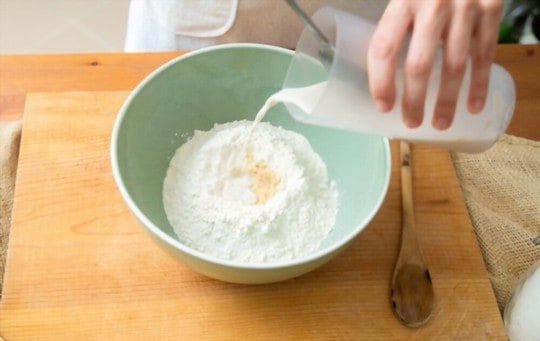
Milk is a dairy product that primarily contains water, lactose, proteins, and fats.
It is commonly used in baking as a moistening agent and also brings a rich flavor to the final product.
Milk comes in various forms such as whole milk, skim milk, and low-fat milk.
It is an essential ingredient in many recipes due to its ability to improve the overall taste of the dish.
Its versatility makes it suitable for use in both savory and sweet dishes.
In baking cakes, milk matters in preparing the batter.
The proteins present in the milk react with other ingredients like flour and sugar during baking to give structure and texture to the cake.
Also, it helps reduce dryness by adding moisture to the cake, making it softer.
Using either milk or buttermilk ultimately depends on your preference and the recipe's requirement.
However, when substituting one for another, you must keep in mind that they differ slightly regarding flavor and consistency.
By understanding these differences, you can choose which dairy product will suit your specific needs for each recipe you bake without compromising on quality or flavor.
Milk pairs differently with flavors in desserts - lemon dessert pairing ideas highlights combos that work well with milk-based sweets.
What is Buttermilk?
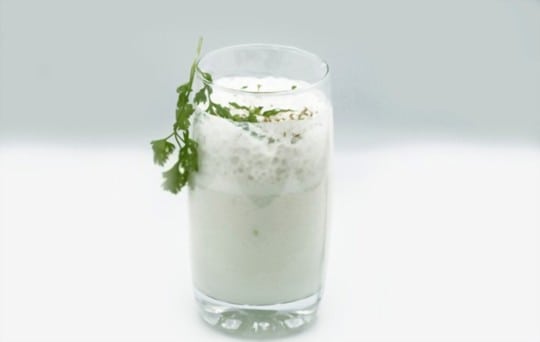
Buttermilk is a dairy product used in baking, cooking, and marinades.
It is a low-fat and acidic liquid that is left over after churning butter.
The acid in the buttermilk reacts with baking soda, resulting in a chemical reaction that produces carbon dioxide gas.
This gas helps in making cakes fluffy and tender.
Using buttermilk instead of regular milk can add a tangy taste to cakes, which many people find appealing.
Also, it can help to keep cakes moist and fresh for longer periods due to its acidic properties.
Buttermilk does not have the same consistency as regular milk and should not be substituted at a 1:1 ratio while baking.
One cup of buttermilk can be substituted with one tablespoon of vinegar or lemon juice mixed with one cup of milk.
Overall, if you're looking to try something different or want to add flavor to your cake recipes, using buttermilk could be an excellent option for you.
Differences Between Milk and Buttermilk in Cake

The application of milk and buttermilk in cake baking has always been a topic for debate.
While some bakers prefer milk for its neutral taste, others swear by buttermilk, which provides a slightly tangy flavor and tender crumb texture.
However, these dairy products have significant differences when it comes to chemical composition and their effect on the final product - see cream vs milk comparison explained.
Role in Baking
The incorporation of milk and buttermilk in cakes has a significant influence on the taste, texture, and structure of the final baked product.
While milk provides a subtle creaminess and richness to the cake, buttermilk imparts a tangy flavor and tender crumb.
Also, buttermilk reacts with baking soda to produce carbon dioxide gas, thereby leavening the cake.
The role of milk and buttermilk varies depending upon the type of cake being prepared - also consider how baking cups vs cupcake liners comparison affects baking results.
Acidity Level
Acidity matters in the baking process, especially when it comes to cakes.
Milk and buttermilk have different acidity levels that impact the final product's taste, texture, and structure.
Buttermilk has a lower pH level than regular milk, making it tangier and more acidic.
This acidity helps activate baking soda to provide leavening power and create a tender crumb.
When using regular milk in cake batter, it is necessary to add an acid like vinegar or lemon juice to achieve similar results.
Although regular milk can work in some cake recipes, buttermilk provides better flavor complexity and moisture retention.
The acidity of buttermilk also affects the way other ingredients interact with it.
For instance, acidic liquids can cause proteins in flour to denature or unwind faster, which leads to a more tender baked good.
Texture and Moisture
Cake lovers are always in search of the perfect texture and moisture in their cake.
One option is to use milk while the other is to use buttermilk.
The type of liquid used can make a huge difference in the final product.
Milk adds a rich creaminess to the texture of the cake, which gives it a softer mouthfeel.
However, using milk can reduce the moisture content of the cake resulting in drier crumbs.
Alternatively, buttermilk contributes to a moist crumbly texture in cakes leaving you with a tangy flavor.
In addition to these variations, an increase or decrease in liquid volume can alter the taste and structure of your cake further.
Stick to measuring cups for consistent results and let your desired texture be your guide while deciding on using milk or buttermilk in your next bake.
Flavor and Tanginess
Cake made with either milk or buttermilk offers a distinctive flavor and tanginess.
Milk's taste is more subtle and mild, whereas the buttermilk carries an intense sour flavor with a creamy texture that enriches the cake's taste profile - compare extract vs flavor differences explained for more on flavor impact.
The right amount of tanginess brings balance to sweetness and enhances the overall flavor.
- Milk provides a light and fluffy texture that allows other flavors to stand out.
- Buttermilk adds richness, moistness, and tenderness that heightens the overall taste experience.
- Buttermilk provides acid that helps tenderize gluten, which can make cakes tenderer than using milk.
Interestingly, using one cup of milk mixed with 1 tablespoon of vinegar or lemon juice can be an alternative for buttermilk.
However, when it comes to replicating the authentic flavor of buttermilk baked goods, there is no substitute for real buttermilk.
The unique combination of lactic acid in buttermilk changes the pH levels and affects how ingredients behave during baking.
This factor is why substituting it may not yield similar results.
Overall, those who prefer a subtler or milder taste should use regular milk in their baking process, while those seeking richness and a more intense tangy flavor should opt for buttermilk.
Similarities Between Milk and Buttermilk in Cake

Milk and buttermilk serve as essential ingredients in making cake batter.
They both add a tender texture, richness, and moistness to cakes that make them tempting - see tea latte vs milk tea comparison tips for a similar take on milk's role in beverages.
Both do they function as liquids for binding the other ingredients, but they also activate the baking soda or powder and help the cake rise.
However, there are some differences between their acidic levels and fat content that can affect the taste and consistency of the cake.
When to Use Milk and When to Use Buttermilk in Cake
Using the right dairy product is important for obtaining a perfectly baked cake.
While milk and buttermilk both serve as essential ingredients, they have distinct properties that affect the texture and flavor of your cake - similar contrasts appear in white chocolate vs milk chocolate differences.
Milk enhances the tenderness of cakes and provides a delicate crumb.
Buttermilk contains acid that is a natural leavening agent, producing moist cakes with a tangy flavor.
Therefore, understanding when to use milk or buttermilk in your recipe can make all the difference in achieving your desired texture and taste.
When baking a dense cake like chocolate cake, using regular milk instead of buttermilk can prevent the crumb from becoming overly soft, resulting in an undesirable mushy texture.
On the other hand, if you're baking lighter cakes like yellow cake, swapping out regular milk for buttermilk can heighten their airiness while adding a subtle tangy taste.
Also, butter-based cakes benefit more from using regular milk as it helps balance out the richness of the butter.
Since different recipes call for different ratios of ingredients, it's always best to follow instructions provided.
However, suppose you're improvising with your ingredients; in that case, understanding when to use milk or buttermilk can help improve your cake to new heights.
Remember: using milk or buttermilk is not only about taste preference; it's also about achieving perfect consistency and texture.
Tips for Substituting Milk with Buttermilk (and vice versa)
You might wonder whether to use milk or buttermilk in your cake recipe.
Here's what you need to keep in mind.
- Use buttermilk for a tangier flavor and more moist texture in your cakes.
- Substitute regular milk with buttermilk by adding one tablespoon of vinegar or lemon juice per cup of milk and letting it sit for a few minutes before using.
- If you don't have buttermilk on hand, use regular milk and add two teaspoons of cream of tartar per cup of milk.
- Remember that buttermilk may cause your cakes to rise less due to its acidity, so adjust your leavening agents accordingly.
- Buttermilk may also change the color of baked goods slightly due to its off-white hue, but this won't affect the taste.
- If you're experimenting with a new recipe, start by substituting half of the milk with buttermilk to see how it affects the texture and taste before making any major changes.
In addition to these tips, while both milk and buttermilk can be used in cake recipes, they will yield slightly different results.
Milk is milder in flavor and can give your cakes a lighter texture, while buttermilk has a tangier taste and will make your cakes more moist.
Ultimately, the choice between these two ingredients comes down to personal preference and the desired end result you want to achieve in your baking endeavors.
Substitute regular milk with buttermilk by adding one tablespoon of vinegar or lemon juice per cup of milk and letting it sit for a few minutes before using - alternatives and plant-based notes are in oat beverage vs oat milk substitution guidance.
Impact of Milk vs Buttermilk in Cake Baking
The efficacy of milk and buttermilk in cakes has been a long-standing debate.
While both offer unique properties, one may wonder which is better.
After careful analysis, it can be deduced that buttermilk is a superior choice due to its acidity and lower fat content.
Buttermilk's acidity is a natural tenderizer, resulting in moist and flavorful cakes with a delicate crumb structure.
The lactic acid also activates baking soda or powder, leading to ideal rising and balanced textures.
Also, using buttermilk instead of milk significantly reduces the overall fat content of the cake without compromising on taste.
However, note that while buttermilk offers numerous benefits, it may not be suitable for all types of baked goods or personal preferences.
Some recipes may require the sweetness and richness of regular milk or other dairy substitutes like almond or soy milk.
Milk-based finishes complement many baked goods. Milk wash vs egg wash comparison guide explains how finishes change crust and color. milk frother vs steamer prep differences outlines tools that affect texture in milk-forward recipes.
Frequently Asked Questions
However, when substituting one for another, you must keep in mind that they differ slightly regarding flavor and consistency. They share some similarities but each has qualities that make it better suited for certain recipes.
It depends on the dish. Milk and Buttermilk in Cake share some overlap, but each shines in different preparations.
Swapping works best in forgiving recipes like soups or stews.
Pricing varies by brand and region, but one is typically more accessible at everyday price points. The other may cost more due to specialization or limited supply.
Is there a best time to use each one?
One shines in applications requiring subtlety and background support.
The other is better when it is meant to be a center.
Matching the right one to its role makes a noticeable difference.