In the land of sharp things, two giants stand tall: Miyabi and Shun knives.
Both brandish artistry and precision like no other. We've got the scoop on how they slice up the competition.
Ever tried slicing a tomato and ending up squishing it instead? We feel you.
These knives will never put you in that predicament. Miyabi brings the flair of Japanese craftsmanship.
Shun, on the other hand, is all about tradition meeting modernity.
We've handled our fair share of knives. Some were good; others made us wish for a spoon instead.
Ready for a cut above the rest?
What are Miyabi Knives?

Miyabi Knives are expertly crafted Japanese knives that are designed with exceptional attention to detail.
Made with high-quality materials, they feature a unique blade construction that is hardened and tapered for maximum sharpness and precision.
Their handles offer a comfortable grip and are constructed from durable materials like Micarta or Pakkawood.
Miyabi Knives are known for their elegant design and their ability to deliver seamless performance in the kitchen.
Perfectly balanced, these knives are ideal for professional chefs and home cooks alike.
In addition to their superior craftsmanship, Miyabi Knives also come in a variety of styles to suit different needs and preferences.
From traditional Japanese Nakiri knives to versatile Santoku knives, each blade has its own unique shape and purpose.
Some knives even feature beautiful damascus patterns on the blade, adding an extra layer of sophistication to an already impressive design.
Overall, Miyabi Knives offer exceptional quality and performance for those who demand the very best in their kitchen tools.
With their sleek design, razor-sharp edges, and impressive durability, it's no wonder why these Japanese knives have become increasingly popular among top chefs around the world.
What are Shun Knives?
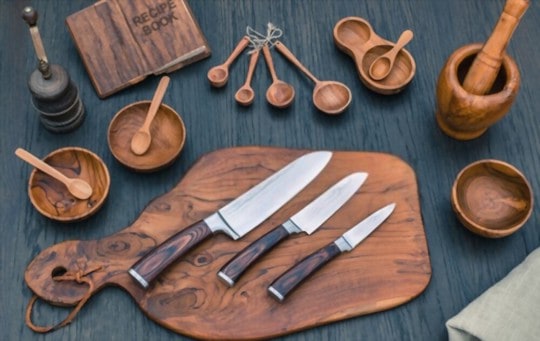
Shun knives are premium quality Japanese knives made using state-of-the-art technique and high-quality materials.
These knives come with a unique construction featuring harder steel in the core for sharpness and durability, which is later surrounded by softer steel layers for corrosion resistance.
The sharp blade is sharpened to an angle between 16-18 degrees to ensure super-sharp cutting performance.
The handle of these knives is ergonomic, comfortable, and made of Pakkawood material for a secure grip.
With its exceptional craftsmanship, Shun Knives are ranked among the world's best knives and provide a great cooking experience for professionals or home cooks alike.
Differences Between Miyabi and Shun Knives
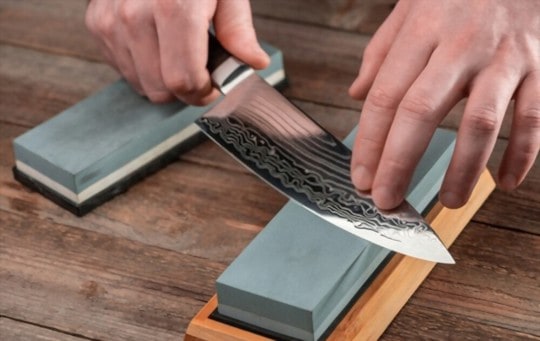
Miyabi and Shun knives are two well-known knife brands that have distinct differences despite having similarities in their origin.
These Japanese-made knives are both created with high-quality materials, but their forged vs stamped knife comparison explains production differences.
Miyabi knives are made using a unique ice-hardening process resulting in a harder blade, while Shun knives use a traditional hot-forging technique resulting in easier sharpening.
Apart from their creation methods, they also differ in design and handle material choices.
Both brands offer exceptional quality and sharpness, but the choice between them comes down to personal preference based on the requirements of the user.
Origin and Heritage
The Miyabi and Shun knife brands are known for their high-quality knives that are used by professional chefs around the world.
These knife brands have an interesting origin story with diverse cultural heritages.
Miyabi originates from Seki City, Japan, and its name translates to "elegance.
" The brand focuses on traditional Japanese craftsmanship techniques, including Honbazuke honing and Tsuchime hammering, resulting in distinct blades with clean design.
Conversely, Shun knives came from the city of Seki in Gifu Prefecture, Japan but are now produced in Kai's factory based in Seki City.
Shun merges Japanese sharpness with contemporary designs - a blend of Western and Japanese craftsmanship, making it popular worldwide.
Miyabi knives have been manufactured since the 14th century when the samurais needed high-quality swords for their protection during warfare.
For more than 70 years now, Miyabi has perfected its artistry and manufacturing methods passed down from one generation to another.
On the other hand, Shun follows a similar process that has been continuously improved through research to produce lightweight but sturdy knives for any task in various industries.
Miyabi and Shun knives cater to different professional needs as some chefs prefer ornate designs on their tools while others prioritize sharpness over beauty.
It is important to take note of the unique features of each brand before making a purchase decision.
Blade Construction and Materials
The blades of both Miyabi Knives and Shun Knives are constructed using high-quality materials - see burr vs blade grinder comparison for sharpening methods.
While Miyabi Knives are made with VG10, SG2, or FC61 steel that provides durability and strength to the blade, Shun Knives use VG-MAX steel that offers excellent sharpness retention.
Also, both brands employ a multi-layering process to create a unique pattern on the blade's surface.
Miyabi Knives use up to 100 layers of steel, while Shun Knives typically have around 32 layers.
In terms of their construction, Miyabi and Shun knives also differ in their blade geometry.
Miyabi knives feature a traditional Japanese-style blade design that is thinner and sharper than western-style blades.
This design enhances maneuverability and ensures precision.
On the other hand, Shun knives blend traditional eastern practices with modern western techniques to create an innovative and lightweight design suited for fast-paced kitchen environments.
Overall, when it comes to blade construction and materials, both Miyabi Knives and Shun Knives offer top-of-the-line options that cater to different needs and preferences.
Whether you prefer a heavier traditional Japanese-style knife like the ones from Miyabi or an innovative lightweight alternative like the ones from Shun, there's no doubt that both brands can deliver quality performance for your culinary needs.
Design and Aesthetics
There are some notable differences.
Both brands focus on a sleek and elegant look, but Miyabi knives have a more traditional Japanese style with detailed Damascus patterns on the blades and elegant wooden handles.
Shun knives, on the other hand, tend to have more modern Western designs with smoother lines and durable synthetic materials for handles.
Also, some Miyabi knives also feature artistic embellishments on the blade's surface, making them true works of art in addition to functional kitchen tools.
Sharpness and Edge Retention
Cutting ability and the length of time a knife can retain its sharpness are critical factors to consider when choosing between Miyabi Knives and Shun Knives, and a Granton edge vs straight edge comparison for slicing performance highlights how edge style affects cutting.
Both brands have excelled in these aspects, with Miyabi knives tending to maintain their sharpness for longer, while the Shun knives possess superior initial cutting ability.
This variation means users need to choose in line with their specific needs, frequency of use, and personal preferences.
However, it's worth considering that regardless of this difference, both knives remain top-performing brands in culinary tools.
Similarities Between Miyabi and Shun Knives
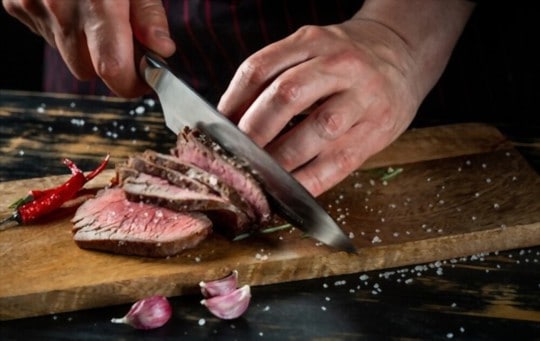
Miyabi Knives and Shun Knives share some similarities in their features and design.
Both brands are made from high-quality materials, such as steel and handle material, which ensure a comfortable grip and excellent sharpness; compare with Calphalon vs Henckels knife comparison for brand-quality parallels.
These professional knives have undergone rigorous testing to meet the high standards required by chefs and cooking enthusiasts.
Also, both Miyabi and Shun Knives have a variety of knife styles suitable for different culinary tasks, including slicing, chopping, and filleting.
Also, both brands offer unique designs that make them stand out from other manufacturers.
For instance, Shun Knives are known for their Damascus patterns which comprise different layers of steel creating a unique visual experience.
Similarly, Miyabi has its signature flower Damascus pattern along with the timeless Japanese blade shape that characterizes the brand's knives.
Interestingly, although they may have some similarities in their functionality, Miyabi and Shun knives still differ in certain aspects like handle materials - Miyabi uses pakka wood while Shun uses pakkawood with resin-infusion - meaning that users must choose according to their preferences.
As you can see from the information provided above on how they compare to each other, both brands are used by professional chefs worldwide due to their exceptional quality.
Ultimately, it comes down to personal taste when deciding between them but examining what each offers can help determine which knife is right for you.
Factors to Consider When Choosing Between Miyabi and Shun
Miyabi and Shun knives both have unique features that differentiate them from each other.
When choosing between these two brands, you should consider various factors.
- One of the major factors to consider is your preferred blade construction material, be it Damascus steel or SG2 powder steel.
- The handle design and ergonomics play a important role in determining which knife would best fit your grip and usage.
- Also, the blade edge angle dictates the sharpness of the knife and must be carefully chosen to match your cutting needs.
- Finally, Miyabi knives tend to have a more refined crafting process, whereas Shun knives are handcrafted for superior quality.
Ultimately, what matters most is your usage style, cutting needs and preferences in terms of style and functionality.
When substitution matters in technique, look at alternatives the same way cooks choose binders - eggless breading top substitutes for crispy goodness lists practical replacement options.
Purpose and Intended Use
The distinctive purpose of Miyabi Knives and Shun Knives can greatly affect their intended use.
These high-end Japanese knives have unique features that make them suited for specific tasks.
Miyabi knives are crafted for precision while Shun knives are made for versatility, which makes each knife selection dependent on the user's preference and needs.
Miyabi Knives boast of unparalleled sharpness and beauty.
Featuring a hardened steel core blade and a durable outer layer, these knives offer ultimate precision in slicing, chopping, and dicing tasks.
These blades are perfect for experienced chefs or those who want to achieve restaurant-quality cutlery at home.
In contrast, Shun knives have an exceptional blade that balances both strength and flexibility.
They feature a double-beveled edge, making them ideal for detailed food preparations such as filleting fish or deboning meat.
When it comes down to detail, there is still much to compare between Miyabi Knives vs Shun Knives.
For instance, Miyabi knives come with a symmetrical blade angle of 9-12 degrees while the Shun knives feature asymmetrical edges that range anywhere from 15-16 degrees in bevel angle.
The handle designs also differ significantly; Miyabi handles have traditional Japanese styling which shows their authenticity while Shun handles encase high impact-resistant resin featuring origami inspired designs.
Different intended uses affect tool selection much like ingredient choices in baking - plain flour vs all-purpose flour comparison for baking roles shows how small differences change performance.
Budget and Price Range
Both Miyabi and Shun knives have exceptional craftsmanship and precision, but there are pricing variations to consider.
Miyabi knives tend to be more expensive than Shun knives, as they use a more traditional Japanese approach to knife-making.
The price range for Miyabi knives can go up to $1000, while most of Shun's knives fall in the range of $150-$400.
However, both brands offer a variety of quality options that suit various budgets.
Production practices influence price in knives the way they do in food - pasture-raised vs organic vs free-range chicken price breakdown explains how methods drive cost differences.
Personal Preference and Comfort
Personal preference and comfort play a significant role.
Here's what you should consider:
- Grip: The type of handle that works best for you is essential. Miyabi knives come with a traditional Japanese octagonal wooden handle, while Shun knives feature a Western-style D-shaped handle.
- Weight: The weight of a knife can also affect your experience in the kitchen. Miyabi knives are generally lighter than Shun knives due to their thinner blades.
- Blade profile: Both brands offer various blade shapes, such as gyuto (chef's knife), santoku (vegetable knife), and others. Consider which blade profile suits your needs based on the type of food you often prepare.
Both brands use high-quality materials and have unique features that set them apart from each other.
Ultimately, the decision between Miyabi and Shun will come down to personal preferences and priorities in terms of design, functionality, and price range.
Popular Miyabi and Shun Knife Collections
The two well-known Japanese knife brands, Miyabi and Shun, have been popular for their exceptional knife collections.
These exclusive collections are the epitome of traditional Japanese craftsmanship that involves skillful artistry and excellent blade precision.
Both brands offer a variety of knife collections made from high-quality materials that provide durability, strength, balance and superior sharpness.
Miyabi's knife collections are known for their excellent attention to detail featuring detailed designs and unique patterns on the blade.
Each collection has a distinctive appearance paired with advanced technological features that enhance its cutting performance to ensure effortless precision.
On the other hand, Shun is famous for its lightweight yet sturdy knives with sleek designs.
Its impressive technology with layered Damascus steel ensures minimised resistance while cutting or slicing any ingredient.
Individuals will inevitably notice several distinguishing factors between these two well-known knife brands when they explore further.
Miyabi's design features multiple layers of steel with an additional katana tip - reinforcing durability and sharpness.
In contrast, Shun promotes the use of harder metal around the edge while keeping it softer around the spine to ensure easy sharpening on-chip edges.
These differences allow individuals to choose according to their preferences while experiencing superior quality craftmanship from both Miyabi and Shun.
Specialized collections serve distinct tasks much like purpose-built seafood tools - oyster vs clam knife comparison for shelling tasks compares form and function.
Choosing Between Miyabi and Shun Knives
Comparing Miyabi knives and Shun knives, there are subtle differences that should be considered before making a purchase.
- Miyabi knives have a sharper edge angle and thinner blade which allows for more precise cuts.
- Shun knives have a wider blade for increased versatility.
- Also, Miyabi knives have a different handle design which may affect the grip for some users.
Ultimately, the decision between these two high-quality knife brands depends on personal preference and specific use cases.
Miyabi's blade hardening contrasts with Shun's forging methods - forged vs stamped knife comparison explains production trade-offs. Price and intended use also influence choice - pasture-raised vs organic vs free-range chicken price breakdown shows how process affects cost.
Frequently Asked Questions
In addition to their superior craftsmanship, Miyabi Knives also come in a variety of styles to suit different needs and preferences. They share some similarities but each has qualities that make it better suited for certain recipes.
In many recipes, yes. Miyabi Knives and Shun Knives fill similar roles, though each brings its own character.
Try a small test batch before committing to a full swap.
Availability varies by region. One is usually a standard grocery store item while the other may require a specialty or international market depending on where you live.
Can a beginner tell the difference by taste?
In a side-by-side tasting, yes.
The difference becomes less obvious when mixed into a recipe with other ingredients.
Most people notice the distinction more clearly on its own.