
The closest alternatives to Persian Cucumbers are English Cucumber, Armenian Cucumber, Japanese Cucumber, Kirby Cucumber, and Lemon Cucumber.
English Cucumber
English cucumbers have a long, slender shape and are usually found surrounded by plastic wrap on supermarket shelves.
For cooking, Armenian Cucumber also works well - adjust the amount to taste.
Finding the perfect substitute for Persian cucumbers can be a bit of a kitchen adventure.
These crunchy veggies are a staple in lots of our favorite dishes, from salads to snacks.
Sometimes, though, they're just not on the shelf or we're looking to shake things up a bit.
That's where we come in with a list of the top five swaps that'll keep your meals exciting.
Each one brings its own unique twist to the table, making sure your dishes stay fresh, tasty, and full of that crispness we all love.
Ready to find your new go-to cucumber substitute?

The 5 Best Substitutes for Persian Cucumber
There are plenty of options out there - including unexpected swaps like eggs in meatballs substitutes guide for binding in recipes.
Here are five of the best substitutes:
1 - English Cucumber
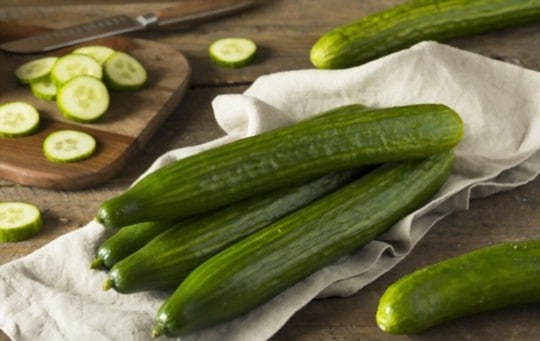
English cucumbers have a long, slender shape and are usually found surrounded by plastic wrap on supermarket shelves - similar labeling appears on other British pantry items such as English mustard substitutes for bolder condiments.
These cucumbers are known for their milder flavor than other cucumber varieties, and many find them easier to digest than the standard garden-variety cucumbers.
English cucumbers have thin, edible skin that doesn't need to be peeled away and tiny seeds which don't leave behind any difficult-to-digest fibers when eaten.
When cut into slices, English cucumbers will easily hold their shape due to their firm consistency.
While similar to Persian cucumbers in size and shape, if you want that same crunchiness but are unable to find Persian cucumbers, English types will work just as well in salads or as a healthier food option of crudité with dip.
2 - Armenian Cucumber
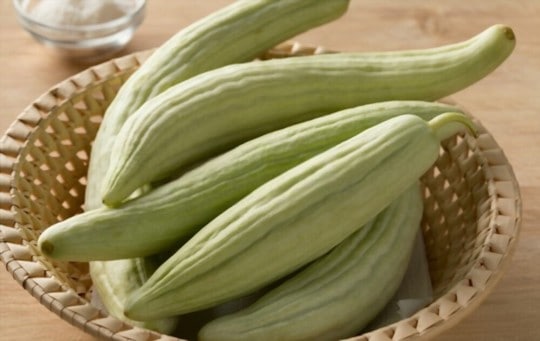
The Armenian cucumber is a long, curved variety of cucumbers that have been around for centuries and is believed to have originated in the Mediterranean region.
It has a tender and sweet-tasting skin with a mild yet somewhat spicier flavor than traditional cucumbers.
Typically, it is paler in color than its Persian cousin, and its inner flesh is crunchy with small edible seeds.
The Armenian cucumber can be used as either a summer or winter vegetable, depending on the maturity at which it is harvested.
As an alternative to Persian cucumbers, Armenian cucumbers can be used in salads, sandwiches, wraps, or cooked like winter squash - and they also pair nicely with chilled bowls, see what to serve with cucumber soup? side ideas.
They also make great pickles.
3 - Japanese Cucumber
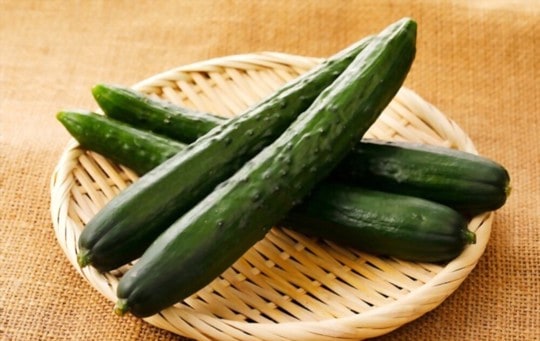
Japanese cucumbers are a popular variety of cucumbers known for their long, thin shape and mild flavor.
Their thin skins make them easy to peel, and they contain a higher water content than other types of cucumbers.
Unlike most other varieties of cucumber that have wide ridges along the skin, Japanese cucumbers have smoother sides with a slightly prickly texture.
When cooked, its flesh stays firm and retains its crispness.
Japanese cucumbers can be used as an excellent substitute for Persian cucumbers in salads and sandwiches as both have a mild taste, but the Japanese cucumber has less bitterness due to its low seed count.
In fact, many people prefer using Japanese cucumbers in dishes because of their mild flavor and smooth skin, which makes them much easier to prepare.
Japanese cucumbers' mild texture complements light desserts and contrasts in flavor profiles - Japanese pudding vs flan comparison takes a closer look at subtle texture and flavor differences.
4 - Kirby Cucumber

Kirby cucumbers are a small, firm, oval-shaped variety that is often found in grocery stores.
These dark green cucumbers have thin ridges, thin skins, and small seeds.
They aren't usually eaten raw because they tend to be bitter and crunchy, but they can be pickled or cooked.
Kirby cucumbers are a great substitute for Persian cucumbers if you're looking for something a bit more acidic or sweet than a garden cucumber - they also work well in chilled dishes, see cold cucumber soup side pairings to try.
To use them as substitutes in any recipe: just dice them into cubes the same size as what the recipe calls for with Persian cucumber.
5 - Lemon Cucumber
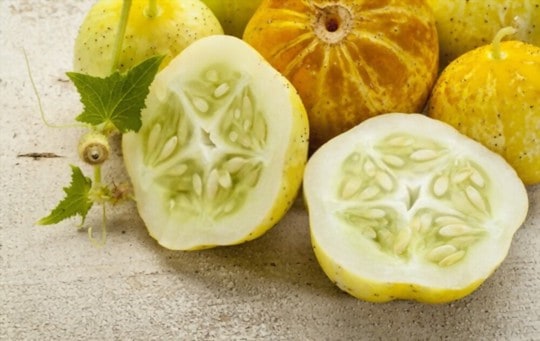
The lemon cucumber is a widely acclaimed treat.
Introduced to the United States in the early 1800s, this fragrant variety of cucumber has a much different flavor and texture than its traditional brethren.
Enjoying its peak season during late summer, lemon cucumbers have a tender skin that tastes slightly sweet with citrus notes and has a mild zest.
The interior of the fruit itself is creamier than regular cucumbers and has small, edible seeds.
When used as a substitution for Persian cucumbers in salads or other dishes, simply halve lengthwise and use the same recipe.
Paired with fresh herbs or sauces, lemon cucumber adds a unique palette to many beloved recipes.
Compare regional rices for texture differences: Persian rice vs Basmati rice: texture and uses. Also note how growing conditions change cucumbers: hothouse cucumber vs regular cucumber differences.
Frequently Asked Questions
English Cucumber, Armenian Cucumber, Japanese Cucumber, Kirby Cucumber, and Lemon Cucumber. Use it at a 1:1 ratio in any recipe that calls for Persian Cucumbers.
Yes, and the results are often hard to tell apart. English Cucumber is the go-to replacement.
For variety, Armenian Cucumber adds its own twist to the dish.
Sometimes. Blending two partial substitutes - one for flavor and one for texture - gets closer to the original.
This works best when neither alone fully replicates what you need.
Not always. Some substitutes are processed or have a strong raw flavor that disappears with heat.
Check whether the original is typically used raw before assuming the substitute will work the same way.