
Pork Roll and Scrapple step into the ring. The ultimate breakfast showdown.
What's a person to do?
Both hail from the East Coast, legends in their own right. Pork Roll, a Jersey favorite, flaunts a salty, slightly smoky flavor.
Scrapple, Pennsylvania's pride, brings a unique blend of pork, cornmeal, and spices.
I remember the first time we tried Scrapple. "What even is this?" we laughed.
Yet, it won us over.
Pork Roll? It was love at first bite during a Jersey Shore summer.
Here, we dive deep. No fluff, just the good stuff.
We're on a mission: Pork Roll vs. Scrapple.
Get ready. The breakfast game is about to change.
What is Pork Roll?
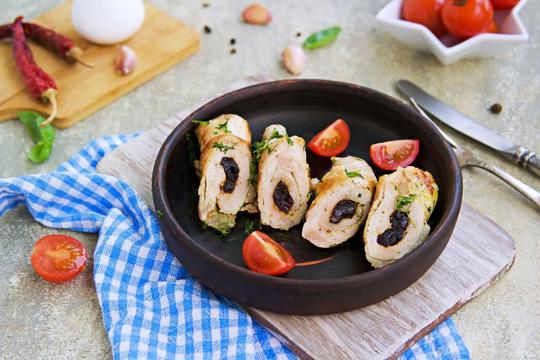
Pork Roll is an iconic American breakfast delicacy that has won many hearts.
Also known as Taylor Ham, it's a ground pork product that's seasoned and encased in a cylindrical shape.
It's usually sliced thick and fried or grilled.
The flavor has smokiness and saltiness.
You can enjoy it on its own or in sandwiches, with eggs, or even on pizza.
It's a breakfast staple for many Americans.
But did you know its origin? It was created in New Jersey during the mid-1800s.
A mix of European charcuterie and American culinary traditions created this delicious treat.
For a look at how different pork preparations compare in texture and use, see pork cutlet vs pork chop comparison.
What is Scrapple?
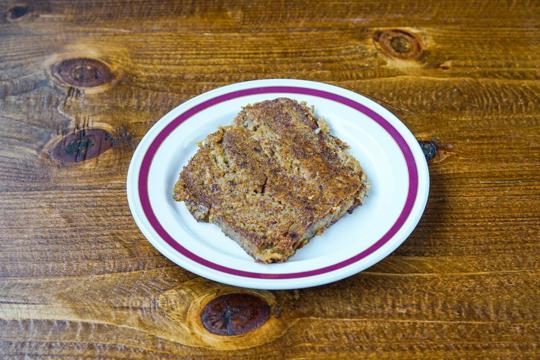
Scrapple is a popular dish from Pennsylvania Dutch cuisine.
It's prepared with pork scraps, cornmeal, wheat flour and spices.
The mix is formed into a loaf, sliced and fried until crispy.
It has a unique taste and texture - savory flavor from pork and spices.
Scrapple is versatile.
Serve it with eggs for breakfast or use as a filling in sandwiches.
Its exterior is crispy while the inside is soft.
This provides a great experience.
The mix of flavors, rich and savory, is distinct.
Scrapple has a historical importance.
It was created to use all parts of the pig during butchering.
This was a tradition among Pennsylvania Dutch farmers and it spread.
To make scrapple, pork trimmings like head meat, organs and skin are simmered until tender.
They're chopped or ground.
Then, cornmeal, wheat flour and seasonings like sage or thyme are added.
The mixture is poured into pans and sets into a solid form.
For unexpected flavor pairings that balance savory or sweet profiles, consider what goes with lemon in desserts list as inspiration for contrasts.
Origin and Regional Differences
Pork roll and scrapple have long been part of American cuisine.
But their ingredients, preparation, and regional reputation differ greatly.
Pork roll is from New Jersey and has been around since the mid-19th century.
It's made with ground pork shoulder, ham, and spices.
It's quite popular in the region due to its great taste and versatility.
Scrapple has its roots in Pennsylvania Dutch Country.
It's made with pork scraps, cornmeal, flour, and spices.
Its hearty texture and rich flavor make it a favorite in the Mid-Atlantic area.
The two meats are different in terms of ingredients.
Pork roll mainly contains ground pork shoulder and spices, while scrapple has pork scraps and cornmeal/flour.
Also, the way they're prepared is distinct.
Pork roll is sliced and fried or grilled.
Scrapple is made into loaves, then sliced and fried until crispy on the outside.
Finally, they have different levels of fame.
Pork roll is popular in NJ, NY, and PA.
However, scrapple is more popular in its own region than outside of it.
Ingredients Used in Pork Roll and Scrapple

Pork Roll and Scrapple have diverse components.
Pork Roll contains pork, salt, spices and sugar.
Scrapple is made with pork scraps, cornmeal or wheat flour, and seasonings like sage and thyme.
But there are dissimilarities.
Unlike Pork Roll, Scrapple may involve offal parts, like liver or heart, for extra flavor.
Both dishes offer a yummy experience, but with varied ingredients.
For more on how pork breed affects flavor and texture, consult Duroc vs Berkshire pork comparison.
Texture and Flavor Comparison between Pork Roll and Scrapple
Pork roll and scrapple have distinct textures and flavors.
Pork roll, or Taylor ham, is smooth and slightly salty.
It's firm but tender, allowing for slicing and frying.
Scrapple has a unique flavor of savory, meaty and sweet.
Its texture is dense and grainy due to its cornmeal and flour base.
Both have their own qualities.
Enjoy them in whichever way you prefer.
For a primer on the difference between extract and flavor notes in food, read extract vs flavor explanation to better understand tasting terms used here.
Cooking and Serving Differences
Cooking pork roll and scrapple can differ greatly.
Pork roll is cut and fried on a stove or griddle.
Scrapple is fried in a pan until brown and crispy.
Pork roll is usually enjoyed as a sandwich with egg and cheese, for a savory morning.
Scrapple is a flexible dish that can be eaten as part of a breakfast or as a side dish for lunch or dinner.
Something to note is that each region has its own way of serving these treats.
In New Jersey, pork roll is a popular breakfast option.
In Pennsylvania Dutch country, scrapple is an important part of traditional meals.
When choosing acidic or cooking liquids for recipes, see white cooking wine vs white wine vinegar guide for how each changes flavor.
Popularity and Culinary Uses of Pork Roll and Scrapple
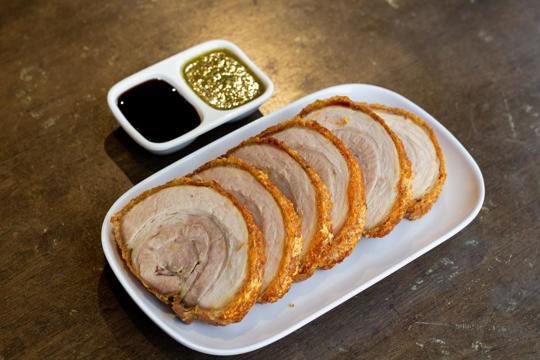
Pork roll and scrapple are two popular breakfast meats with special culinary uses.
Pork roll, also known as Taylor ham, is often served in a breakfast sandwich.
Its smoky flavor pairs well with eggs, cheese, and bread.
Scrapple is a combination of pork trimmings, cornmeal, and spices.
It is formed into a loaf, then sliced and pan-fried until crispy.
Scrapple is usually served with eggs or as a filling for sandwiches.
Pork roll comes from Trenton, New Jersey in the mid-1800s.
Scrapple originates in Pennsylvania Dutch country.
Pork roll has a cult following in the US, while scrapple remains beloved in Mid-Atlantic states, like Pennsylvania, Delaware, and Maryland.
To compare how different pork cuts influence dishes, check pork hock vs ham hock comparison for cooking uses and flavor differences.
Nutritional Value of Pork Roll and Scrapple
Pork roll and scrapple are two yummy breakfast meats that vary in nutrition.
Pork roll is made from ground pork while scrapple is crafted from pork scraps and cornmeal.
Both have a lot of protein.
But, pork roll has more fat and sodium than scrapple.
Pork roll has more calories because it has more fat.
It also has more cholesterol.
On the other hand, scrapple has more carbs due to the cornmeal.
Both have vitamins and minerals like iron and B vitamins.
Those watching fat or sodium may choose scrapple over pork roll.
Also, those wanting less cholesterol should pick scrapple.
Understanding the nutritional difference between pork roll and scrapple helps people pick the best option for their diet.
Both are tasty and have become breakfast favorites.
For insight into how different pork cuts affect calories and fat, read pork loin vs pork butt comparison.
Taste and Texture: Pork Roll vs Scrapple
Looking at both of these varieties of meat, it's clear why people might get confused.
They both share similarities in appearance and are great options for breakfast enthusiasts.
While the two appear practically identical, their ingredients do make a difference when it comes to taste.
Pork Roll is usually sweeter and less spicy than Scrapple which contains more sage and savory seasoning versus the smokier notes of Pork Roll.
In addition, they differ in terms of texture as most Pork Rolls are much firmer than Scrapple and can actually be sliced into pieces rather easily.
As you can see, deciding between them depends on personal preference and desired flavor.
No matter which variety you choose, pork roll or scrapple will surely give as much protein-packed energy boost to kick off your day.
Frequently Asked Questions
Its exterior is crispy while the inside is soft. They share some similarities but each has qualities that make it better suited for certain recipes.
Sometimes. Pork Roll works where Scrapple is called for in certain dishes, but not all.
Check whether the recipe relies on a specific quality before substituting.
Cold preparations like salads and dressings often favor the option with a sharper, more defined flavor. Heat can mellow both, so the distinction matters more in uncooked dishes.
Do professional cooks prefer one over the other?
Professional preference depends heavily on the dish and cuisine style.
Each has its context where it outperforms the other, so most experienced cooks keep both on hand.
Pork crackling and pork rind have distinct textures and uses. Pork Crackling vs Pork Rind: which is preferred? Pulled and sliced pork serve different meal roles. Pulled Pork vs Sliced Pork: main differences