
Porter and ale? Confusion reigns supreme. Both are beers, yet not twins.
First, the basics. Ales are fruity, often strong.
Porters? Dark, whispered hints of chocolate and coffee.
We've been there, scratching our heads in the beer aisle.
Our first encounter? A comedy of errors-mistaking a porter for a light ale.
T4Lesson learned.T5
Ales use top-fermenting yeast, warm fermentation. Porters?
It's all about the malt. Different, yet both command respect.
We're here to guide you. Learn, laugh, and sip wisely.
What is Porter?

Porter - a dark beer with strong, full-bodied flavor.
It's been around since the 18th century; English porters and laborers loved its high nutritional content.
Roasted malts give it a deep color, plus hints of chocolate and coffee.
It can be dry or sweet, even smoked.
Perfect for pairing with hearty dishes, or just for sipping on its own.
Next time you're at a pub or brewery, try a pint of porter for a unique experience.
Porter's roasted, slightly sweet notes can contrast nicely with bright citrus desserts; explore lemon dessert pairings to try.
What is Ale?

Ale is a centuries-old beer. It is famous for its complex, flavorful taste.
This comes from fermenting the malted barley at higher temperatures.
Unlike lagers, ales are brewed with top-fermenting yeast, which gives a fruity and aromatic flavor.
Ales can be light and crisp, or dark and full-bodied - making them popular among beer fans.
Ales and porters are brewed differently.
Ales use warm fermentation, while porters use cold fermentation.
This makes them distinct.
Ale is historically important too.
People have been drinking it for thousands of years.
It was even a main food source in medieval times, when water wasn't safe to drink.
Ale's fruity, aromatic character makes it a good match for fresh, zesty snacks; see guacamole pairing ideas that work for complementary combos.
Differences Between Porter and Ale
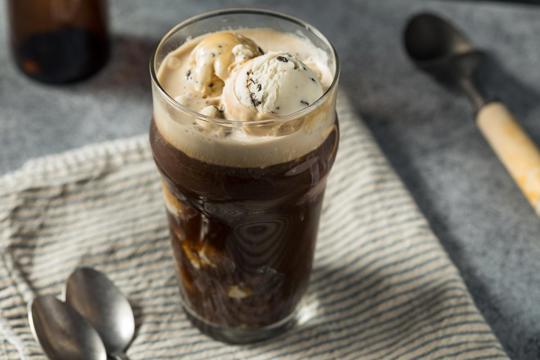
Porter and Ale are very different beer types - for a closer look at how dark beers compare, see brown ale vs stout comparison.
There's lots of variation in the two categories though, so it suits everyone's tastes and occasions.
Brewing and ingredients used determine the flavor.
If you're a fan of Porter or Ale, exploring their qualities will be an amazing experience.
Origin and History
Porter and Ale have a captivating history.
Porter originated in 18th century London, quickly becoming popular with the working class.
It was dark and bitter. Ale, however, has ancient roots.
It varied in flavor from place to place, thanks to local ingredients.
Today, Porter and Ale have both changed, with innovative twists from craft brewers.
There's a range of styles and flavors available to suit any palate.
From chocolatey Porter to hop-forward IPA Ale, beer fans can explore new tastes.
These two brews have helped shape modern craft brewing.
Ingredients Used
Brewing porter and ale both have their own particular ingredients.
The distinction lies in the grains.
Porter often has a mix of malted barley, maybe with roasted malt or chocolate malt for a strong flavor.
Ale generally uses one type of malted barley, producing a lighter and more even taste.
Plus, hops may be added to both for bitterness and aroma, though the amounts and types differ greatly.
flavor and Characteristics
Porter and Ale are two different beer types.
Porter has a rich, dark flavor with notes of roasted malt, chocolate, coffee, and sometimes even caramel or toffee.
It has a full body and a bitter finish.
Ale, on the other hand, has a range of flavors and aromas - for how those flavors form during brewing, read extract vs flavor explanation.
This can be fruity, floral, spicy, or malty.
Ale is usually lighter than Porter and offers a refreshing aftertaste.
Beer fans have lots of options when it comes to Porter and Ale.
Color and Appearance
Porter and Ale, two popular beer types, vary in color.
Porters are usually dark brown or black, like coffee or chocolate.
Ales, however, range from pale yellow to dark brown, depending on the type.
These color differences add to the beer's visual appeal.
Porter beers have a thicker, creamier head, thanks to their higher carbonation levels.
Ales usually have a lighter, less persistent head, with moderate carbonation.
The foam on top of an Ale can be different thicknesses and textures.
Both Porter and Ale may be clear or hazy.
Some Porters are exceptionally clear, while others have a slight haze.
Ales can be crystal clear or somewhat hazy too.
Similarities Between Porter and Ale
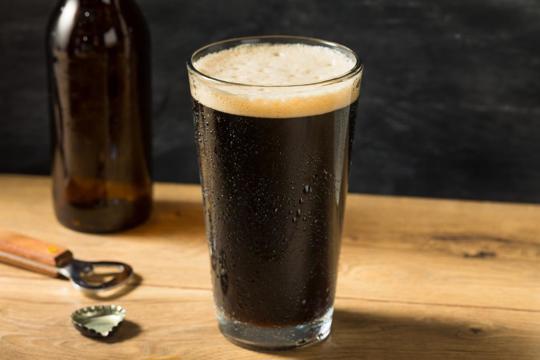
Porter and Ale, two tasty beers, have a lot in common.
Both are made from barley, hops, yeast, and water.
Brewing them also follows a similar process, by mashing the ingredients to get fermentable sugars, then fermenting with yeast - for a comparison of related ale styles, see scotch vs scottish ale comparison.
Beer fans love this pleasant, refreshing drink. Yet, Porter and Ale differ in flavor.
Porters are dark and have a roasted malt taste with hints of chocolate or coffee.
Ales come in many styles and flavors, from light to dark, and hoppy.
History-wise, Porters go back to England in the 18th century, when porters in markets and breweries drank them.
Ales, on the other hand, have been made in several countries, like England, Belgium, Germany, and the US.
Both Porter and Ale give beer-lovers a huge range of flavors and experiences.
So choose what suits you - the malty Porter or the hoppy Ale.
Craft beer has something for everyone.
Popular Styles of Porter and Ale
Porter and Ale are two popular beers. Porter is dark, with strong roasted malt, chocolate and coffee flavours.
It was first brewed in London in the 18th century and was the working class' go-to.
Ale is a broader category of beer, fermented with top-fermenting yeast.
This includes styles like pale ale, IPA and stout - for a broader look at how beer categories differ, check beer vs ale comparison guide.
Ale is known for its hoppy and fruit flavours.
Porters are smooth, with rich caramel, toffee and dark fruit flavours.
They range from light-bodied and low ABV to heavy-bodied and high ABV.
Variations include: strong porter, Baltic porter and American porter.
Ales come in various forms, with different flavours and appearances.
Pale ale is golden to amber and has a balanced bitterness with a floral or citrus aroma.
IPA has a higher ABV and intense hop flavours like piney or tropical fruit.
Stouts are often confused with porters - both look similar.
But stouts have stronger roasted malt flavours, making them more bitter.
Other ale styles include amber ale, brown ale and wheat ale.
These all have unique flavour profiles.
1 - Porter Styles
Porter Styles come from the brewing world's dark corners.
They possess exclusive features which set them apart from other beer types.
Brewers from around the world have crafted these flavorsome drinks, with accuracy and enthusiasm.
A key difference between Porter and Ale is their roasted malt profile.
This gives a strong and detailed flavor, often featuring hints of chocolate, coffee and caramel.
Also, darker malts provide Porter its dark color, increasing its appeal.
The brewing process also differs between these two beers.
Yeast is used for fermentation in both.
However, Porters are brewed at lower temperatures and take more time to ferment than Ales, making them smoother and more intense.
Finally, another point of distinction is their past.
Porters originated in 18th century England, favored by the working class due to their nourishing qualities.
Meanwhile, Ale's origin goes back much further than Porters.
2 - Ale Styles
For centuries, Ale has evolved into many unique styles.
Every Ale style has its own special features that set it apart.
From the malty flavors of English Bitter to the hoppy and citrusy American Pale Ale, there's a vast selection.
Ales are among the oldest beer styles. They differ in color, strength, and flavor.
Traditional English Ales have subtle hops and caramel undertones.
Belgian Tripels have fruity esters and spices that excite the palate.
Some Ale styles are known for their high alcohol content.
Others focus on specific ingredients.
IPAs have bold hop flavors that bring out the floral or resinous hop varieties.
Scottish Ales emphasize maltiness with caramel and toffee.
There are also lesser-known options. Saisons and Farmhouse Ales provide a rustic charm with spicy yeast flavors.
Kölsch from Cologne in Germany offers fruity notes with a crisp finish. Great for warm weather.
Many ale drinkers also appreciate complementary mixers; tonic vs ginger ale differences explains how those mixers contrast.
Flavor Profiles of Porter vs Ale Beers
Porter versus Ale has been a contentious question for centuries.
Both have their unique qualities that make them delicious and enjoyable.
While Porter offers chocolate or coffee-like flavors balanced out by roasted malts, Ale presents a strong bitterness with a touch of sweetness from the hops used in it's production.
Ultimately, whichever one you choose should come down to personal preference.
After all, variety is the spice of life and why not switch between these flavorful beers? Try them both and find out what your palate prefers.
With this modern trend of microbreweries popping up everywhere, there no better time than now to enjoy some unique flavors brewed right in your own city.
So if you're looking for an evening pint or an entire flight, try Porter and Ale - you might just be surprised how different each tastes.
Frequently Asked Questions
Different, yet both command respect. They share some similarities but each has qualities that make it better suited for certain recipes.
They can stand in for each other in a pinch. Porter and Ale overlap in some uses, but the flavor or texture will shift.
Adjust quantities to taste.
Shelf life differs based on processing and packaging. One often keeps longer unopened, while the other may need refrigeration or faster use after opening.
Which one is more forgiving in recipes?
One tends to perform more consistently across a range of cooking methods, making it the safer choice when experimenting.
The other delivers stronger results in specific applications.
Ginger ale substitutes can replace the mixer in many beer cocktails; ginger ale substitute options lists suitable swaps. For other common choices and quick swaps, see best ginger ale substitutes.